Sixth‑Century BC Aristocratic Italian Tomb Unveils Warrior, Chariot and Elite Woman
Archaeologists discover a 2,500‑year‑old tomb on Italy’s Adriatic coast, revealing a chariot, weapons, vessels and clues about Piceni elites.
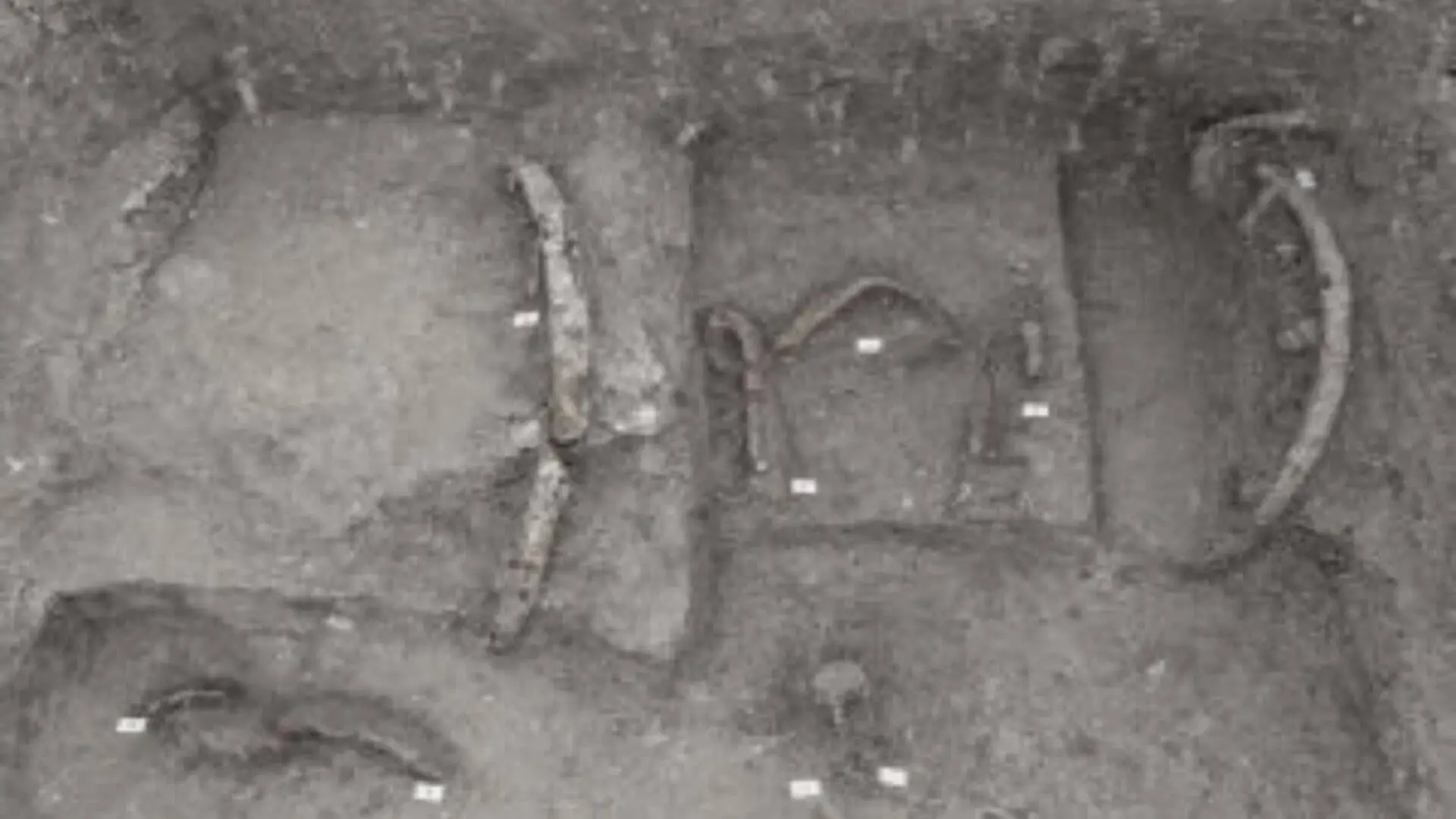
Archaeologists working for the Superintendency of Archaeology, Fine Arts and Landscape of Ancona, Pesaro and Urbino have uncovered a 6th‑century B.C. aristocratic burial complex near Sirolo, Italy. The find links a princely tomb, a warrior’s grave and an elite female burial within a single ceremonial enclosure, offering a rare glimpse of how the Piceni elite displayed and passed on power.
The Piceni, a pre‑Roman people who inhabited the Adriatic coast of central Italy, left few written records, so most of what is known about their society comes from material culture such as cemeteries, grave goods and funerary monuments.
Excavations at the site, located close to the Pini necropolis and the famed “Queen’s Tomb,” revealed a circular wooden palisade formed by a series of postholes, a layout that differs from the ditch‑bounded rings typical of other Conero and Picenum funerary sites.
Chariot Interred with a Warrior and Evidence of a Funeral Feast
At the heart of the enclosure lies a tomb that held a two‑wheeled currus, likely placed whole inside the grave. The burial contained a high‑status man accompanied by a helmet, an axe and other weapons, underscoring the martial prestige associated with Piceni aristocracy.
Large bronze containers sealed with ceramic lids were discovered inside the chariot’s space. Their contents—organic residues, pottery shards and animal bones—suggest a banquet or food offerings intended to accompany the deceased into the afterlife.
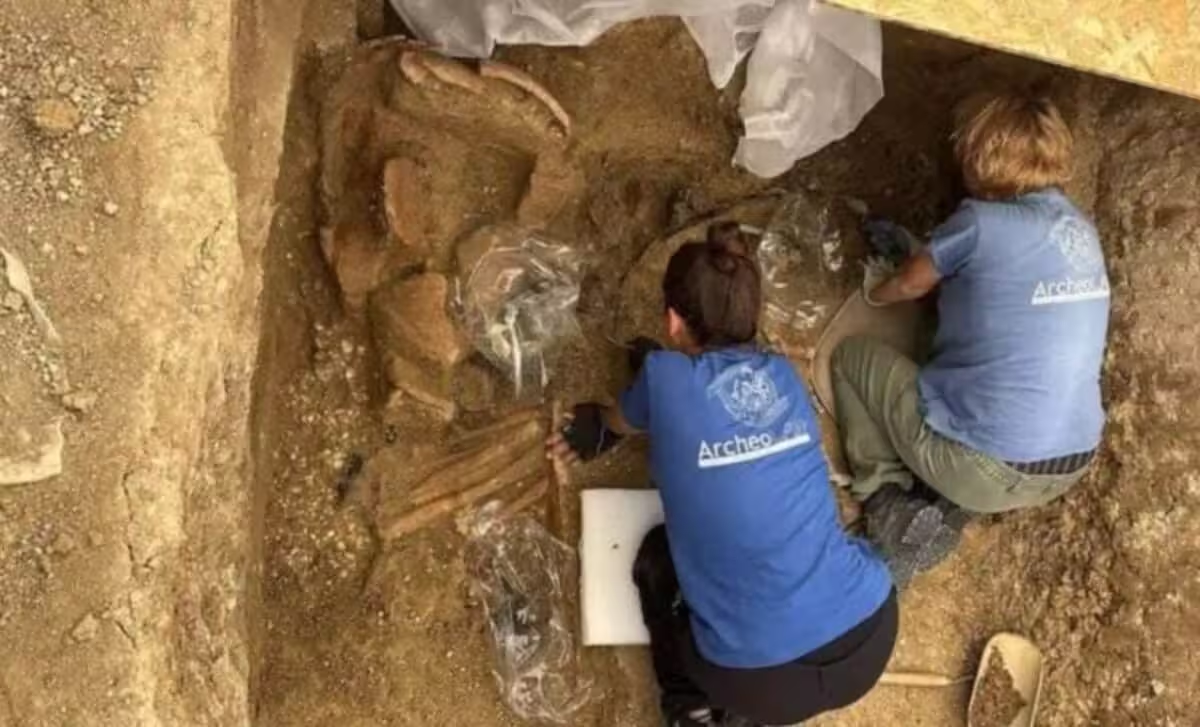
Elite Female Burial Highlights Prestige Dress and Ornamentation
Adjacent to the princely tomb, a woman’s grave yielded textile fragments, decorative objects and footwear reinforced with metal fittings. Numerous fibulae—metal fasteners—were positioned around the chest, shoulders, pelvis and feet, indicating the way her clothing and shroud were secured.
A sizable amber‑core fibula placed beyond the head may have formed part of a hairstyle or headdress, offering clues about how female status was expressed in Piceni aristocratic circles.

The whole arrangement—central princely burial, elite female interment and surrounding wooden palisade—constitutes what excavation director Stefano Finocchi describes as “an entire aristocratic nucleus,” allowing scholars to study hierarchical and symbolic links among Piceni elites for the first time.
The site sits on a modest rise that overlooks the surrounding landscape, a position likely chosen to make the monument visible and to reinforce its ceremonial importance within the broader necropolis.
Geophysical surveys suggest that the burial ground extends beyond the currently identified limits, and many of the newly recovered artifacts are still undergoing analysis and restoration. Ongoing work aims to map the full extent of the necropolis and to better understand the social dynamics of the Piceni elite in the Conero region.
This article has been fact checked for accuracy, with information verified against reputable sources. Learn more about us and our editorial process.
Last reviewed on .
Article history
- Latest version
Cite this page:
- Posted by Hassan Raza