Europe Awaits 2026 Solar Eclipse: Sunset Over Spain and Total Darkness in Iceland
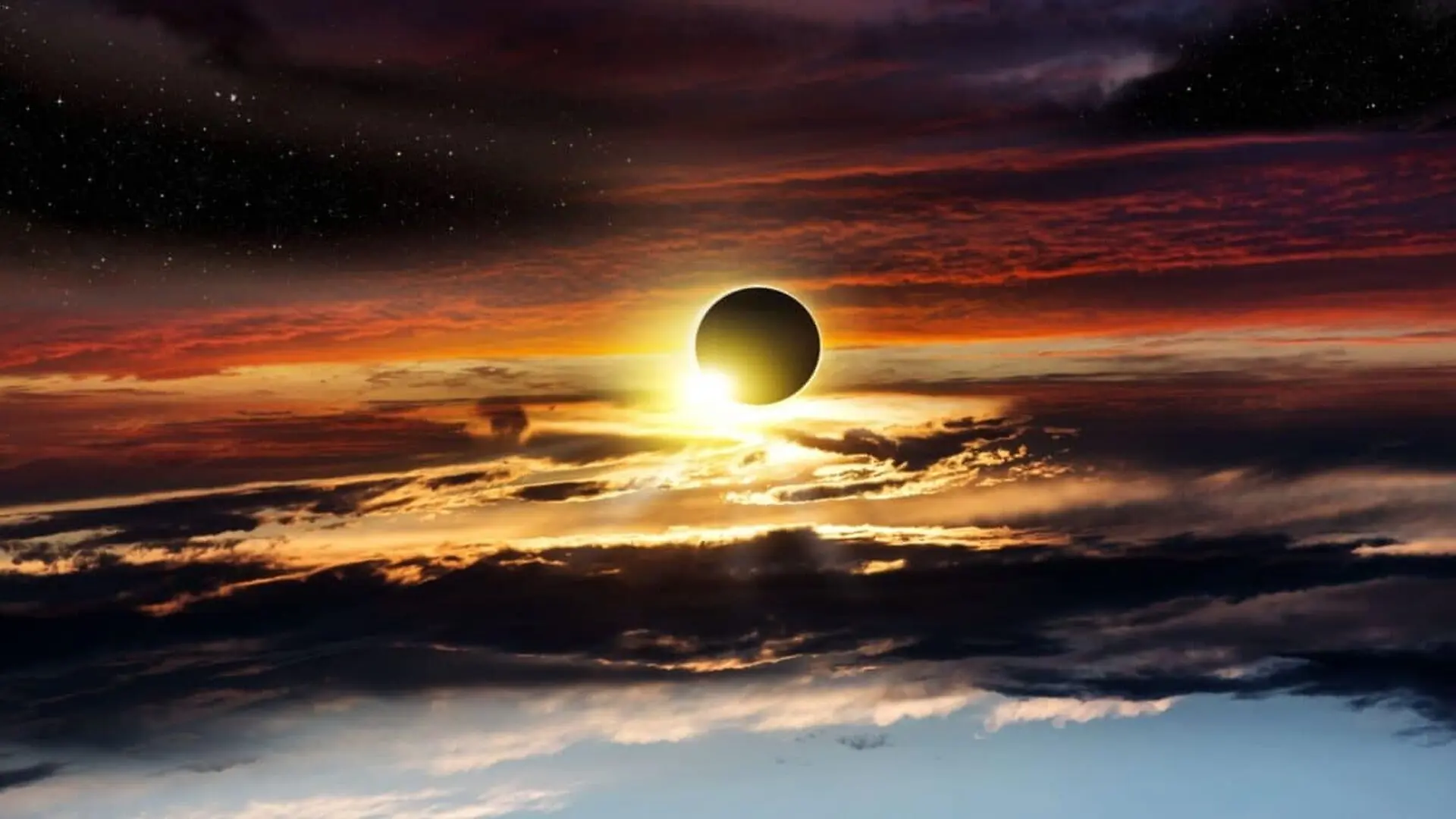
On Aug 12 2026 a total solar eclipse will sweep Greenland, Iceland, northern Russia, Spain and Portugal, with partial views across Europe, Canada and northwestern Africa.
Millions of observers are expected to gather along the narrow corridor where the Moon will fully obscure the Sun for just under two and a half minutes, depending on the site. Even outside that line, a deep partial eclipse will be visible across broad regions, with some urban areas experiencing more than 90 % obscuration of the solar disk.
Totality Will Sweep Greenland, Iceland and Spain Before Evening
NASA maps show the eclipse commencing over a sparsely populated sector of northern Russia, then moving across Greenland, Iceland, the North Atlantic, Spain and a tiny stretch of north‑western Portugal. Only locations within the totality track will see the Moon completely cover the Sun.
For most observers inside the track, the period of total darkness will be shorter than two minutes. The longest stretch—still under two and a half minutes—will be found near the centre of the path over Greenland, northern Russia and the Atlantic. In Reykjavik, totality will begin at 5:48 p.m. local time and last about one minute, while Snæfellsjökull National Park will enjoy just over two minutes of complete coverage.
Spain is likely to draw large numbers of eclipse tourists thanks to its historically clear skies. Space.com notes that the Sun will sit low on the western horizon during totality, making an unobstructed view crucial. Cities such as Gijón, Burgos, Palencia, Sigüenza and Mallorca fall inside the track, where totality will range from roughly 54 seconds to 1 minute 46 seconds depending on the exact location.
Across mainland Spain the eclipse will unfold late in the afternoon. NASA indicates that in several Spanish locales the partial phase will extend until sunset, meaning the Sun will set while still partially eclipsed. This creates the chance to witness a sunset eclipse for many points along the western segment of the track.
Beyond the totality corridor, a deep partial eclipse will be observable across much of Europe. NASA reports that London will experience roughly 91 % coverage, Paris about 92 %, Lisbon near 95 %, Madrid almost 99 % and Barcelona similarly close to 99 %. Smaller partial phases will also be visible in parts of Canada and the northern United States, including New York City where about 9 % of the solar disk will be hidden.
Eye Protection Required for All Phases Except When Totality Occurs
Even though the eclipse ranks among the most anticipated sky events of the year, safe viewing practices remain essential for almost the entire event. NASA advises that direct observation of the Sun is permissible only during the brief interval of totality, when the Moon fully blocks the bright solar surface. During every partial stage, certified solar‑viewing protection must be used.
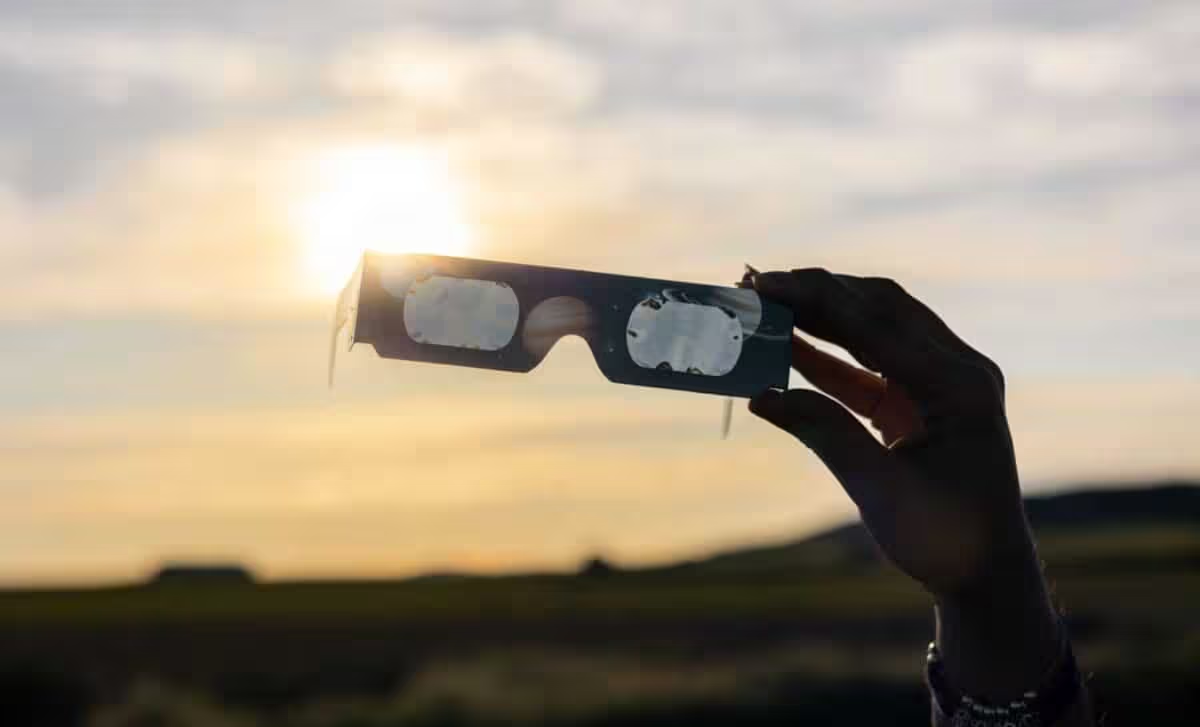
The agency stresses that eclipse glasses and handheld viewers need to meet the ISO 12312‑2 international standard. Regular sunglasses do not provide adequate protection. Moreover, eclipse glasses must never be employed while looking through binoculars, telescopes, cameras or other optical devices unless those instruments are fitted with dedicated solar filters on the front of the optics.
For those without certified glasses, NASA suggests indirect techniques such as a pinhole projector, which casts a solar image onto a separate surface without requiring direct eye contact. Natural pinholes formed by gaps in foliage can also generate safe projections of the partially eclipsed Sun.
Sky News has warned that counterfeit eclipse glasses frequently appear before major events. Referring to guidance from the American Astronomical Society, the outlet noted that legitimate glasses should block virtually all visible light indoors and outdoors, leaving only a sharply defined solar disk visible during a brief test.
In the weeks leading up to August 12, media outlets will provide viewing guides, safety updates and live coverage from sites within the totality path, including Greenland and northern Spain, where reporters will track the event from inside the eclipse corridor.
Ahmed, Aisha. “Europe Awaits 2026 Solar Eclipse: Sunset Over Spain and Total Darkness in Iceland.” BioScience. BioScience ISSN 2521-5760, 12 July 2026. <https://www.bioscience.com.pk/en/subject/astronomy/one-month-until-the-rare-2026-eclipse-that-will-turn-day-into-night-across-europe>.
Ahmed, A. (2026, July 12). “Europe Awaits 2026 Solar Eclipse: Sunset Over Spain and Total Darkness in Iceland.” BioScience. ISSN 2521-5760. Retrieved July 12, 2026 from https://www.bioscience.com.pk/en/subject/astronomy/one-month-until-the-rare-2026-eclipse-that-will-turn-day-into-night-across-europe
Ahmed, Aisha. “Europe Awaits 2026 Solar Eclipse: Sunset Over Spain and Total Darkness in Iceland.” BioScience. ISSN 2521-5760. https://www.bioscience.com.pk/en/subject/astronomy/one-month-until-the-rare-2026-eclipse-that-will-turn-day-into-night-across-europe (accessed July 12, 2026).