Father’s Radiation Exposure Linked to DNA Mutation Clusters in Children, Study Finds
Study finds a distinct genetic marker in children of fathers exposed to Chernobyl radiation, revealing long‑term hereditary effects decades later.
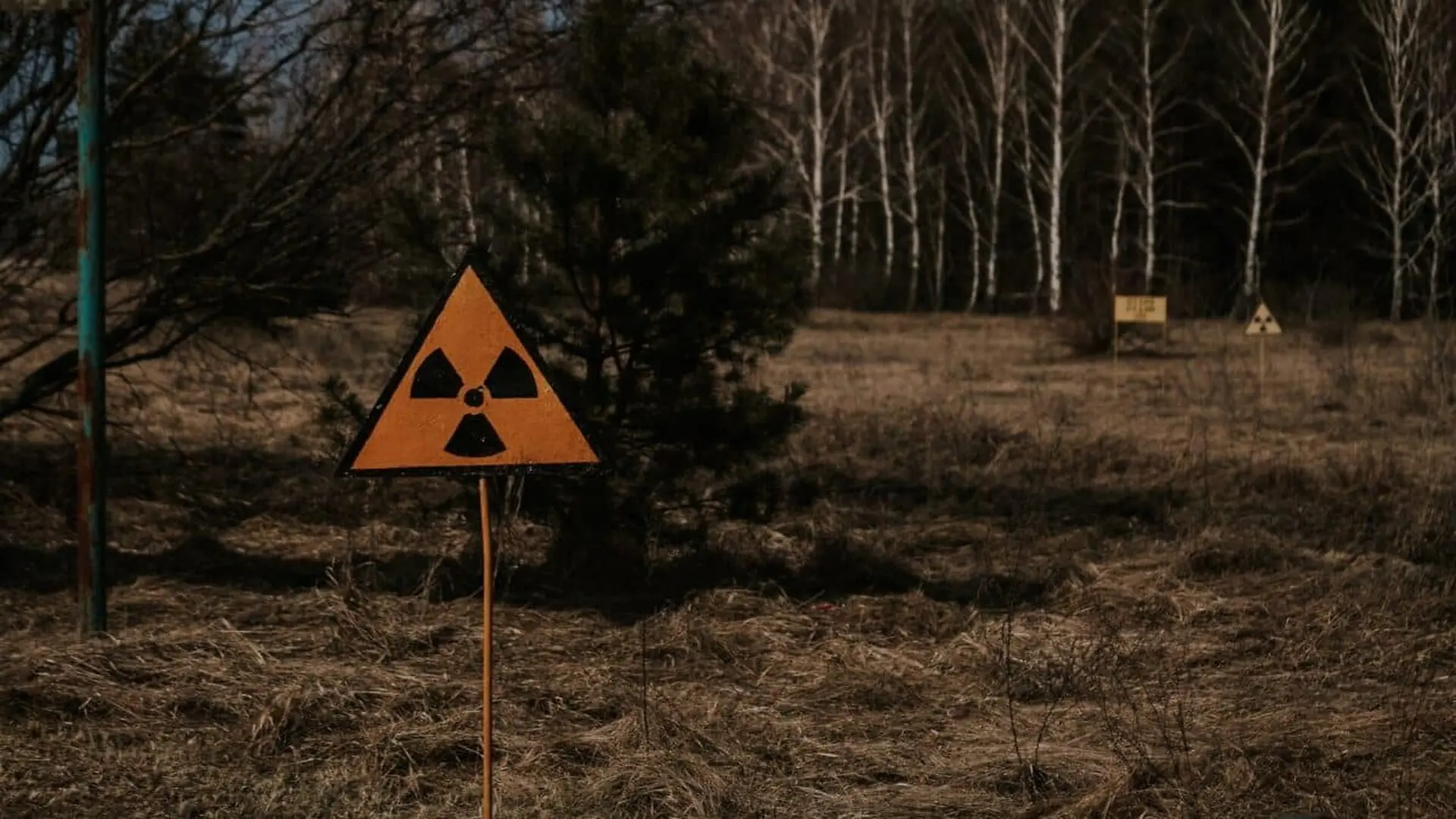
In the early hours of 26 April 1986, a sudden surge of electricity coursed through reactor 4 at the Chernobyl nuclear plant in Ukraine while a safety test was underway. The surge overwhelmed the emergency shutdown system, leading to an explosion that spewed radioactive particles across the continent.
The disaster claimed several lives from acute radiation sickness and triggered a massive cleanup effort that involved hundreds of thousands of “liquidators” tasked with removing contaminated material. Decades of epidemiological research have traced the most pronounced health effects to thyroid cancer in those exposed as children, with additional links to leukemia and cataracts among heavily exposed workers.
Paternal Radiation Linked to Small Clusters of New Mutations in Children
A 2025 investigation headed by physician‑geneticist Peter Krawitz at the University of Bonn reported a modest but specific signal in the genomes of offspring whose fathers had experienced ionising radiation. Published in Scientific Reports, the study identified an elevated frequency of clustered de novo mutations (cDNMs)—tight groups of fresh DNA changes that appear together in a child’s genome.
These clusters differ from a simple transmission of damaged DNA, representing a distinct pattern of mutation that emerges after conception. While ionising radiation is known to break DNA strands, alter bases and reshuffle chromosome segments, detecting a germline imprint that persists into the next generation has proven challenging.
“Investigation of such effects is warranted in order to design effective preventive measures,” Krawitz wrote. “The potential of transmission of radiation‑induced genetic alterations to the next generation is of particular concern for parents who may have been exposed to higher doses of IR and potentially for longer periods of time than considered safe.”
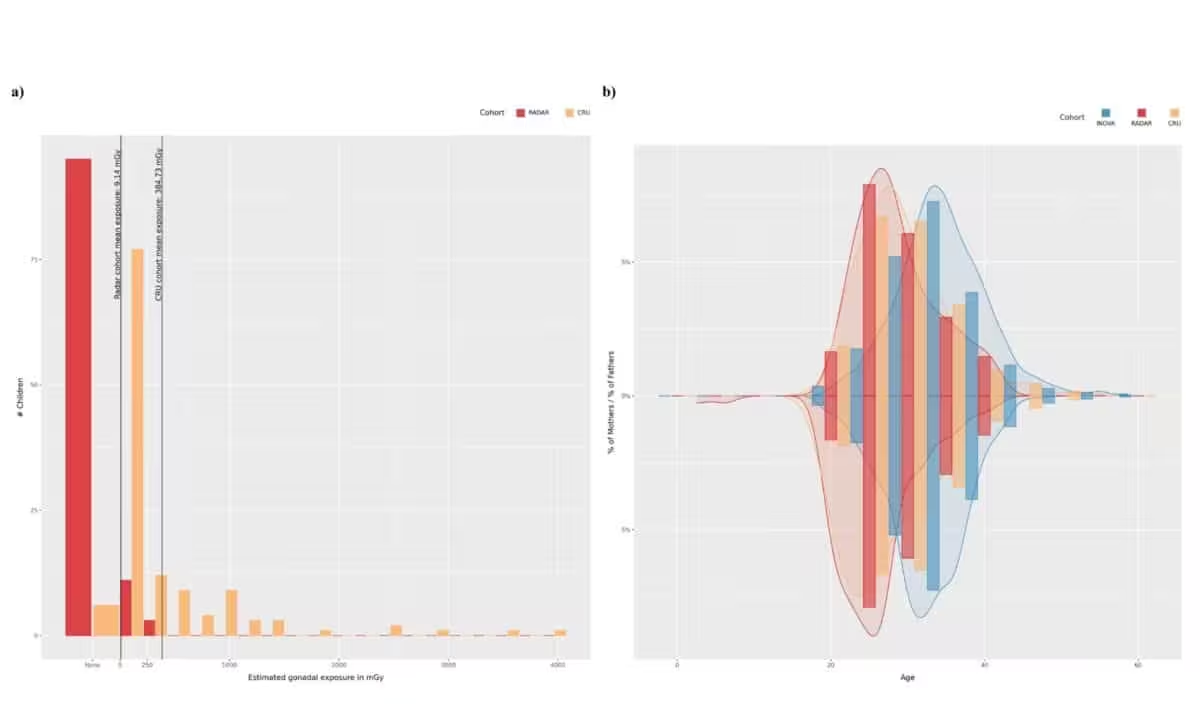
The research pursued two parallel avenues. First, the team examined DNA from retired German radar operators who worked during the Cold War, a group with documented low‑dose radiation exposure. Second, they re‑analysed existing whole‑genome sequencing data from families that lived in the Chernobyl exclusion zone.
New Findings Complement, Not Contradict, Earlier Research
A landmark 2021 analysis in Science concluded that children of parents exposed to Chernobyl fallout did not show an overall rise in the number, distribution or type of de novo mutations. The newer work narrows the focus to clustered mutations, a subset that the earlier study treated as part of the broader mutation count.
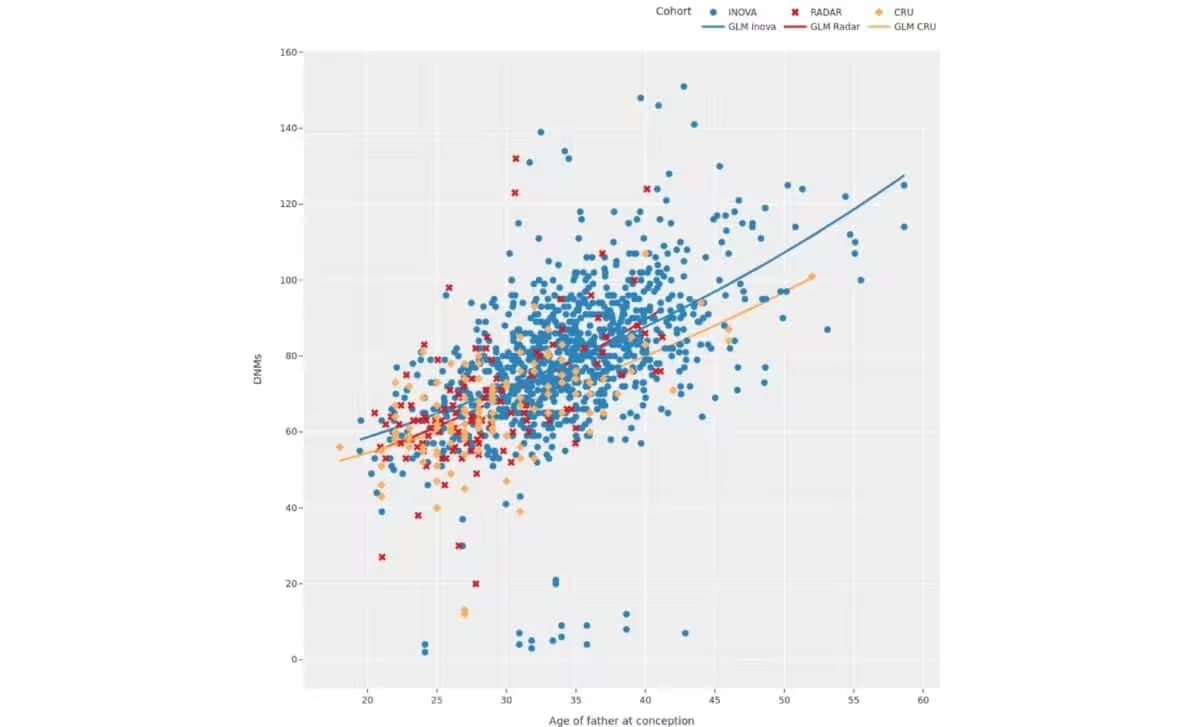
Krawitz’s group observed that the strongest association involved fathers rather than mothers, suggesting that paternal exposure drives the formation of these mutation clusters. Nevertheless, the excess was modest and did not translate into a noticeable increase in disease risk. The authors estimated that the additional genetic‑disease burden from radiation‑linked clusters was negligible compared with the baseline risk, and that paternal age at conception remained a far more influential factor.
Several methodological caveats temper the conclusions. Radiation doses were reconstructed retrospectively, introducing uncertainty. Validation of the mutation calls proved difficult; the radar cohort’s validation set generated many false positives and indeterminate cases, and the Chernobyl and Inova groups could not be independently verified for cDNM predictive value. Potential biases from volunteer recruitment, survivorship, geographic and environmental factors also warrant consideration.
Future Directions and Ongoing Monitoring
The United Nations Scientific Committee on the Effects of Atomic Radiation still points to thyroid cancer as the most evident long‑term consequence of the Chernobyl incident, with limited evidence for other radiation‑related illnesses. In April 2026, marking the 40th anniversary of the disaster, the World Health Organization reiterated the need for emergency preparedness, radiation safety protocols, and sustained health‑system monitoring for radiological emergencies.
Krawitz described his findings as the first indication of a transgenerational imprint from prolonged paternal exposure to low‑dose ionising radiation, and he highlighted several promising avenues for further investigation of how radiation shapes the human genome across generations.
“The present study is the first to provide evidence for the existence of a transgenerational effect of prolonged paternal exposure to low‑dose ionising radiation,” he said. “The present findings suggest several further promising research avenues for characterizing further transgenerational signatures of the effect of radiation on the human genome.”
A larger effort to clarify these signals is under way through the NCI/DCEG TRIO Study, which aims to sequence roughly 450 parent‑child trios from the affected region. By the end of June 2025, the project had collected data from 220 families, providing a growing foundation for assessing any subtle genetic footprints left by the accident.
This article has been fact checked for accuracy, with information verified against reputable sources. Learn more about us and our editorial process.
Last reviewed on .
Article history
- Latest version
Reference(s)
- Brand, Fabian. “Evidence for a transgenerational mutational signature from ionizing radiation exposure in humans - Scientific Reports.”, vol. 15, no. 1, June 23, 2025, pp. 20262 Nature, doi: 10.1038/s41598-025-07030-5. <https://www.nature.com/articles/s41598-025-07030-5>.
- “Forty years after Chornobyl: supporting the health system to respond to threats.” <https://www.who.int/europe/news-room/feature-stories/item/forty-years-after-chornobyl--supporting-the-health-system-to-respond-to-threats>.
- “TRIO Study - Genetic Effects in the Children of Adults Exposed to Radiation from Chornobyl Accident.”, June 30, 2025 <https://dceg.cancer.gov/research/what-we-study/trio-study-chornobyl>.
Cite this page:
- Posted by Elizabeth Taylor