Archaeologists Found Queen Elisenda’s Remains, Then Discovered 25 Medieval Skeletons With Strange Signs of Violence
Archaeologists uncover a queen’s grave adorned with rosemary and myrtle, alongside gruesome finds of stabbed skulls and a mummified fetus.
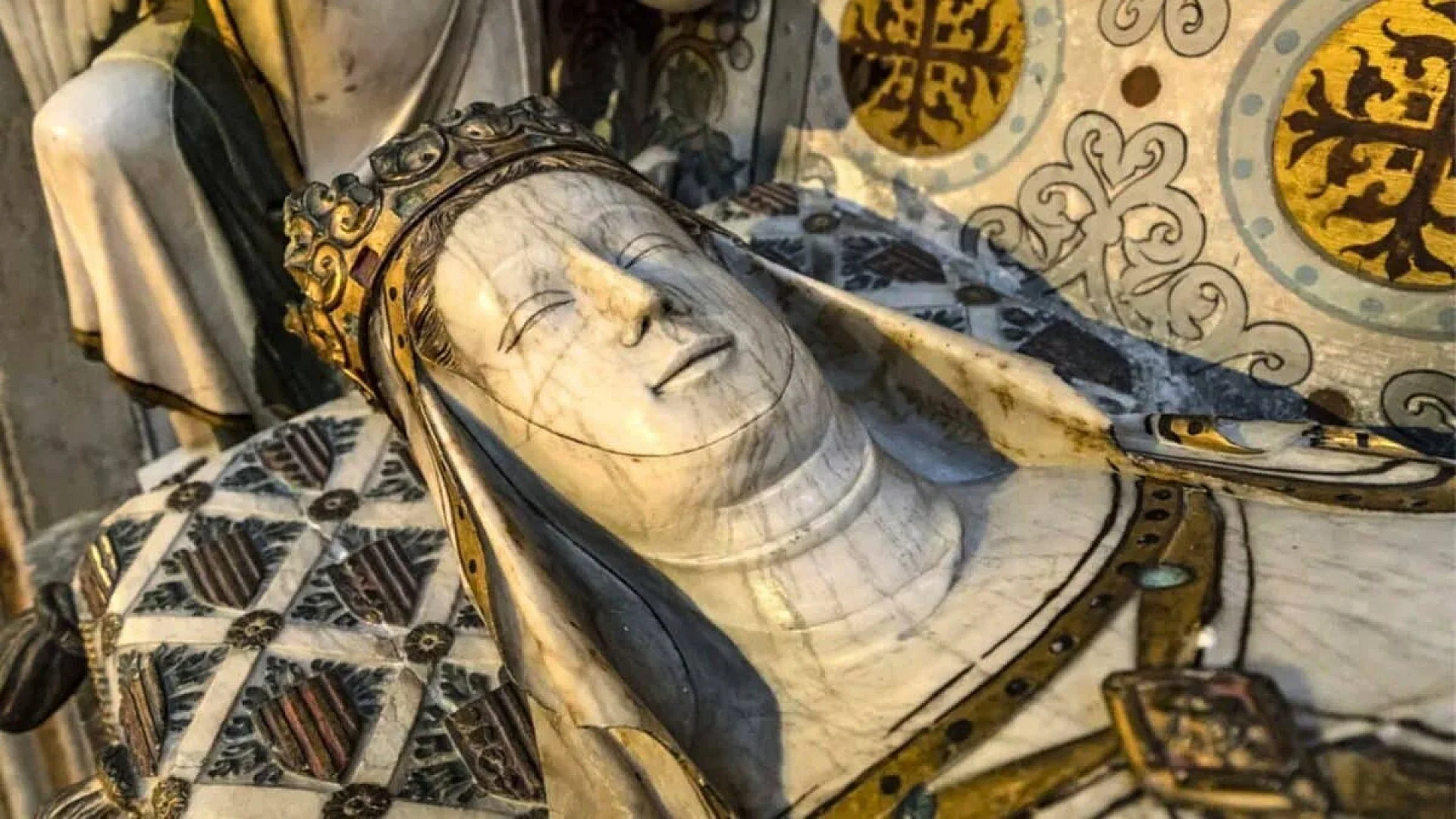
When scholars lifted the lid of a medieval burial chamber in Barcelona, they discovered rosemary and myrtle still resting beside a wooden coffin, together with fragments of silk interwoven with metallic thread – tangible clues to the funeral rites observed for Queen Elisenda of Montcada almost seven centuries ago.
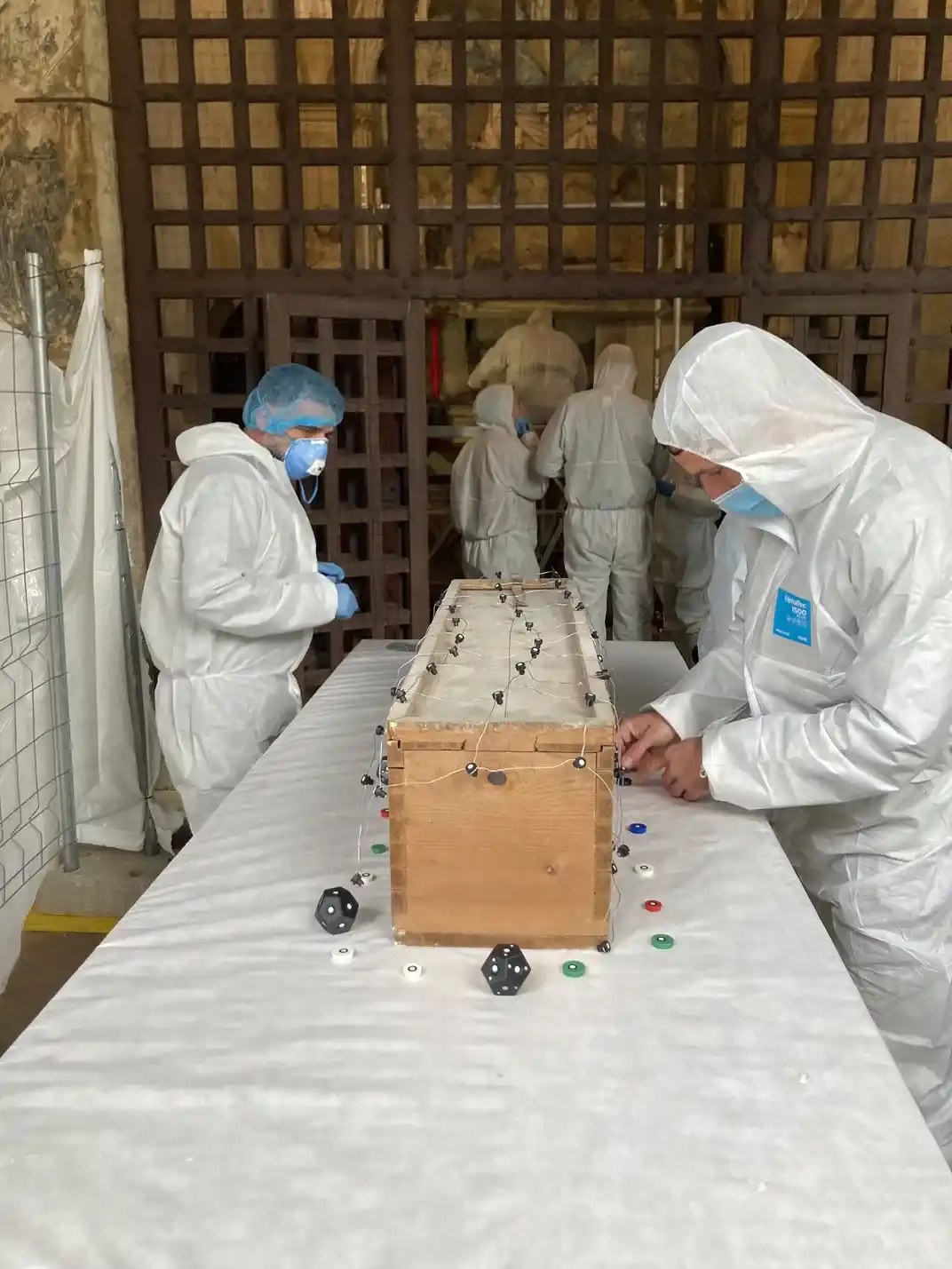
The investigation, part of a commemorative program marking the 700th anniversary of the Royal Monastery of Santa Maria de Pedralbes, united experts in archaeology, osteology, conservation, archaeobotany and genetics. The team set out to identify the remains of the monastery’s founder and to examine the other individuals interred in the eight earliest graves on the site, a task described by the Culture Institute of Barcelona as the first comprehensive study of its kind.
Following careful excavation, the researchers recorded the contents of each tomb, conducted forensic analyses on the bones and burial goods, and then restored the artifacts before reburying them. Their findings, released on 28 May, are already prompting historians to revise long‑standing assumptions about the early occupants of the monastic complex.
Modest Attire and Ritual Herbs Accompany the Queen’s Remains
Elisenda of Montcada, who established the monastery in 1327 and lived there for nearly forty years, never took formal vows but exercised considerable authority over the Poor Clare nuns. She died in 1364, and her tomb was located within a larger burial arrangement that reflected both her royal status and her religious affiliation.
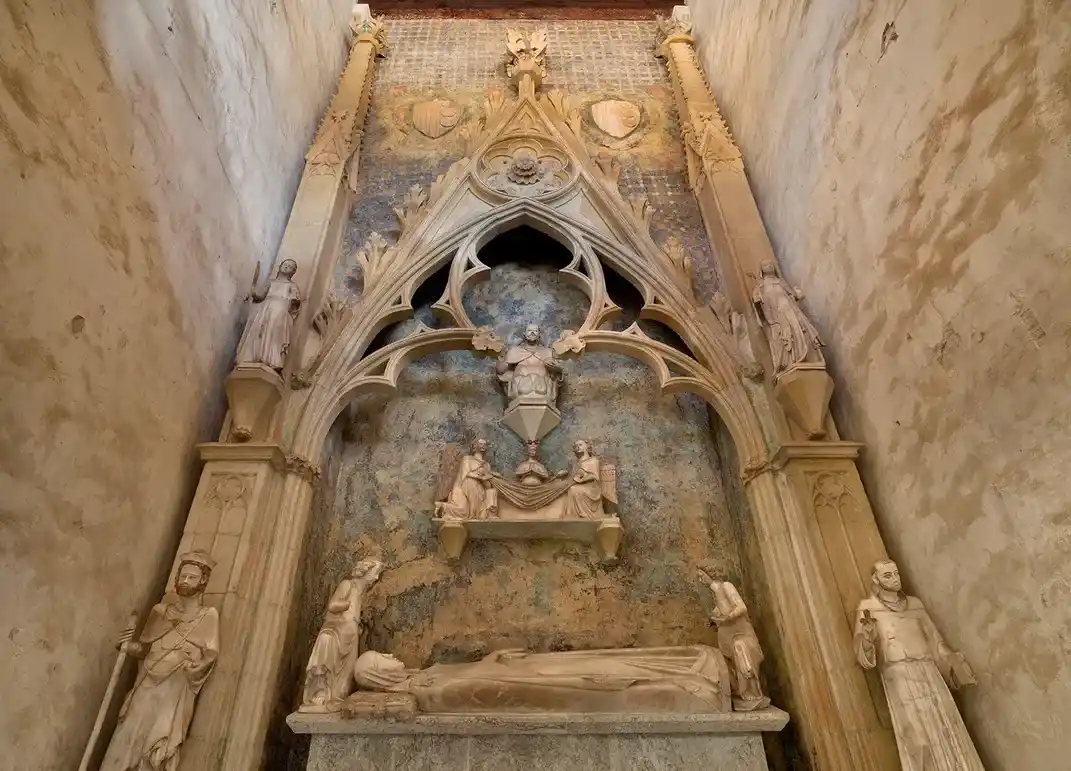
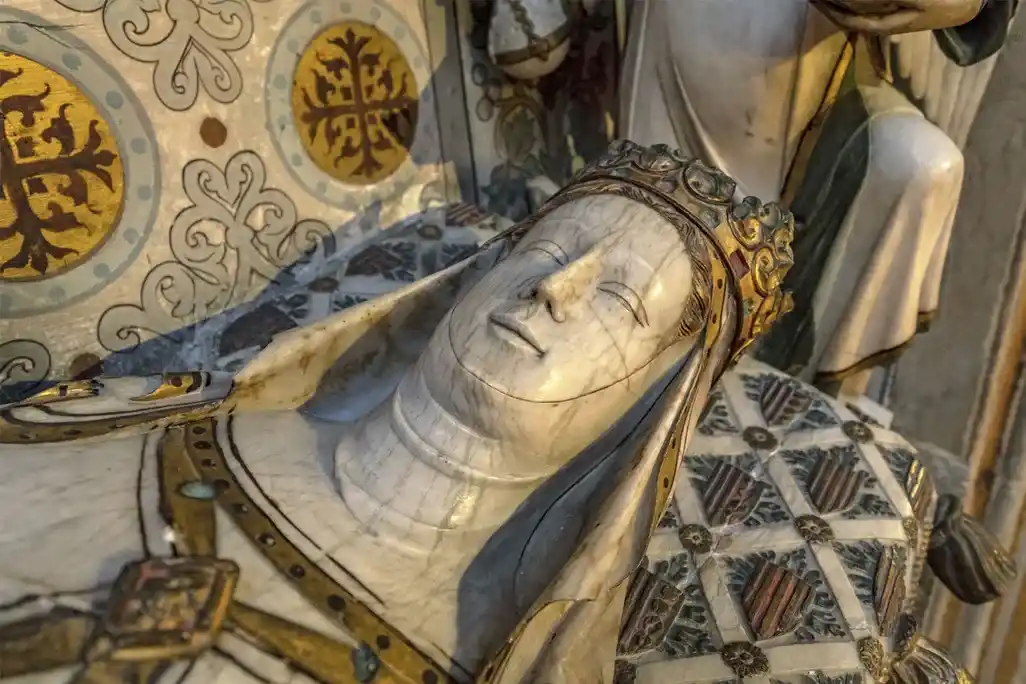
Skeletal analysis indicates the queen was roughly 70 years old at death and showed signs of osteoarthritis, a common age‑related joint condition. Although her burial clothing was plain, investigators recovered silk fragments embroidered with metallic thread, and the presence of rosemary and myrtle points to their use in the ceremonial rites.
Earlier reconstructions placed the queen’s sarcophagus straddling the wall between the church’s presbytery and the cloister. Archaeological evidence, however, shows the tomb actually consists of two back‑to‑back chambers divided by a modest wall, overturning the long‑held belief.
Misidentified Burials Reveal Unexpected Occupants
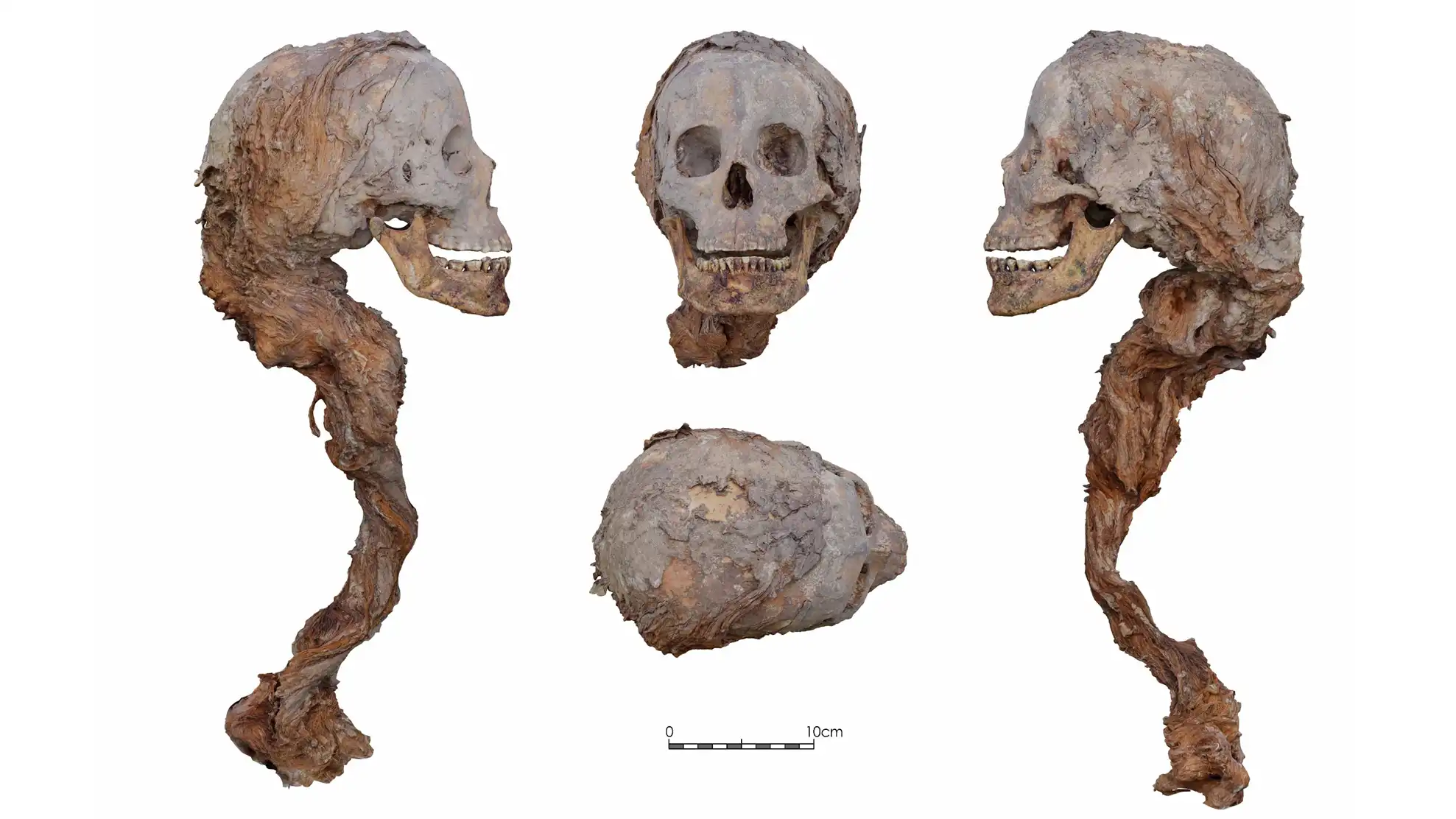
A nearby vault once attributed to the knight Artau de Foces turned out to contain the remains of two women and three children, rather than an adult male. One of the female skeletons still bore a preserved ponytail attached to the skull, an unusual survival after almost seven centuries.
Another chamber, traditionally linked to Francesca Saportella – the monastery’s second abbess and Elisenda’s niece – held at least nine individuals who were interred at different moments. The stratigraphy indicates the tomb was reopened and reused, and four male skulls displayed clear stab wounds, hinting at episodes of violence.
Researchers also uncovered a mummified female torso still containing a fetus in the birth canal, the unborn child estimated to have been between 20 and 23 weeks old. Accompanying parchment fragments and sheets of written material, including musical notation, are now being examined to shed light on the burial’s context.
The remains of Sobirana Olzet, the first abbess of Pedralbes, matched historical records for age and identity. A facial injury caused by a sharp object was identified on her skull, and specialists are continuing investigations to determine the circumstances surrounding the wound.
Elite Female Cohort and Hidden Violence in the Monastery
Collectively, the osteological data portray a community dominated by high‑status women, many of whom reached ages that exceeded typical life expectancy for the 14th century. The bones reveal a mixture of degenerative joint disease, traumatic injuries and possible metabolic disorders, offering insight into health and daily life within a wealthy religious house.
Burial practices were far from uniform. Some individuals were wrapped in textile bundles or funerary sacks, while others were placed directly into stone chambers. Traces of candles, cords, floral offerings and aromatic herbs were documented, and over 200 archaeobotanical samples enabled scholars to reconstruct the sensory elements of medieval monastic funerary rites.
The presence of stabbed male skeletons in tombs associated with the queen’s circle underscores a pattern of unresolved violence within the monastic setting. Parallel genetic work is already under way, with scientists extracting DNA from bones and teeth to confirm identities, map familial connections, trace geographic origins and search for markers of ancient diseases. Further radiocarbon dating, textile analysis and material studies are slated for the coming months, according to the research team.
This article has been fact checked for accuracy, with information verified against reputable sources. Learn more about us and our editorial process.
Last reviewed on .
Article history
- Latest version
Reference(s)
- “PublicSite.” <https://eicub.net/share/service/publicSite?node=workspace://SpacesStore/34d7b342-9ecd-4cd1-bf0c-f407f34b357a>.
Cite this page:
- Posted by Elizabeth Taylor