Scientists Drilled Beneath the Atlantic and Found a Massive Freshwater Reservoir Hidden Where There Was Supposed to Be Only Salt and Stone
Scientists discover remnants of an extensive ancient freshwater system beneath Cape Cod’s seafloor, hinting at a long‑lost world.
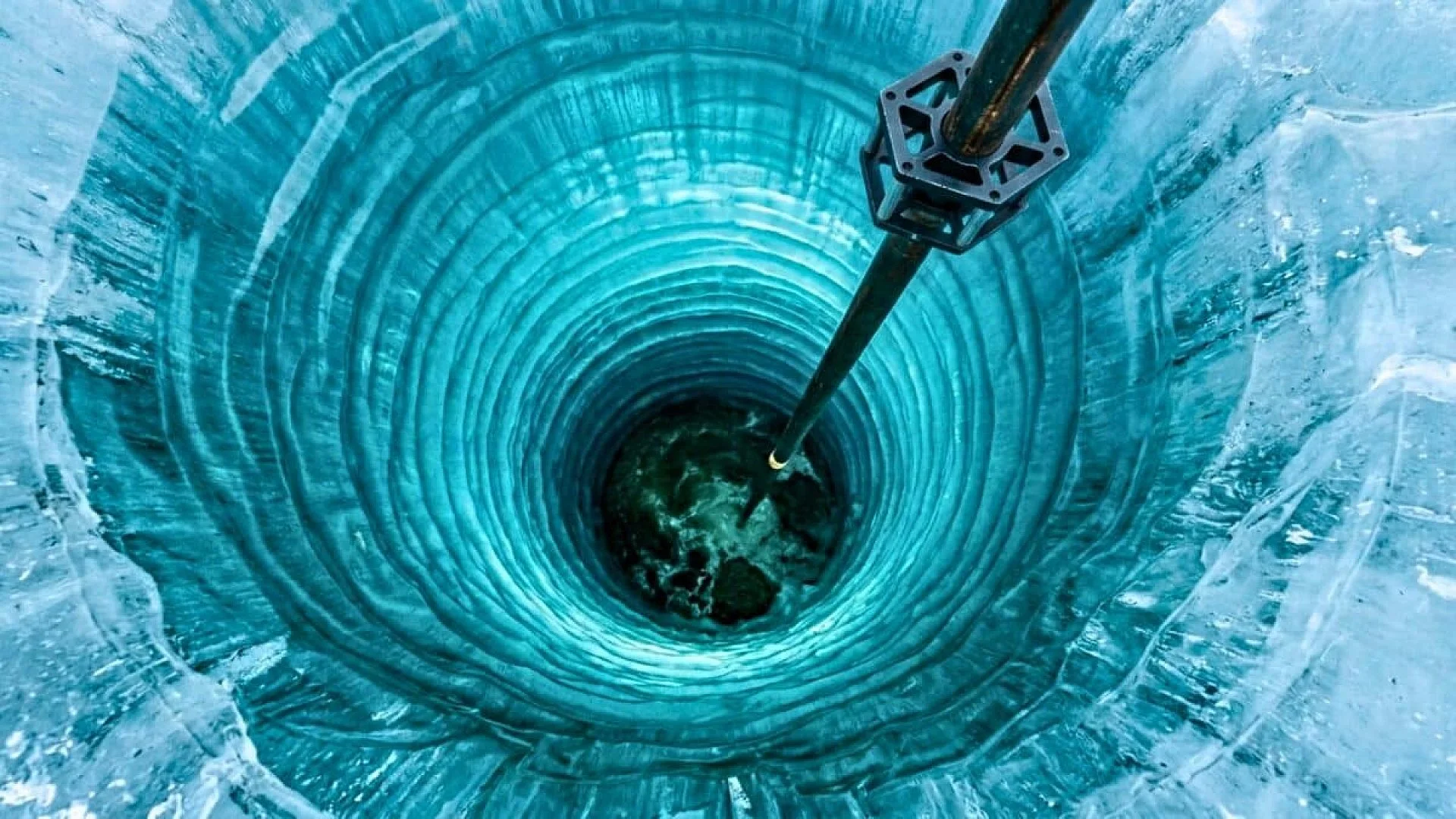
Roughly 20 to 30 miles east of Massachusetts, deep beneath the Atlantic, a research crew spent the summer of 2025 drilling into the ocean floor in search of an unexpected resource: potable water.
The operation yielded thousands of litres of fluid with salinity as low as one part per thousand, a concentration comparable to many terrestrial aquifers.
These results confirm the existence of an extensive undersea freshwater system that runs from New Jersey up to Maine, according to Expedition 501, a $25 million multinational research effort. Preliminary calculations suggest the hidden reservoir could provide enough water to sustain New York City for centuries.
A 1976 Anomaly Sparked a Decades‑Long Hunt
The story began nearly half a century ago. In 1976 a U.S. government vessel, tasked with locating oil and gas deposits off the East Coast, drilled into the seabed and observed something unusual: freshwater seeped from the core samples.
At the time the discovery was puzzling, and the phenomenon remained unexplained.
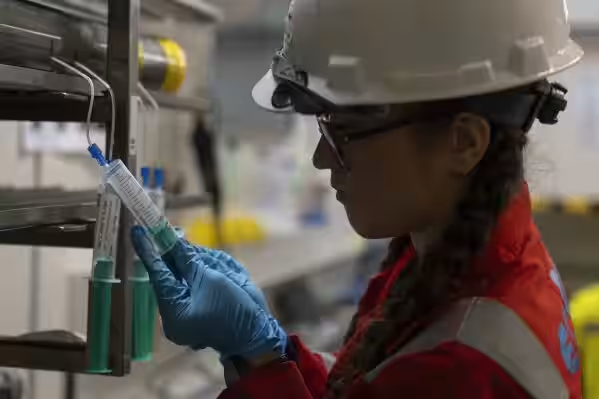
In 2015, scientists from the Woods Hole Oceanographic Institution and Columbia University applied electromagnetic surveying techniques to the same region and identified signatures of a “massive offshore aquifer system” that could rival the Ogallala aquifer, the principal freshwater source for eight Great Plains states.
Drilling Results Reveal Unexpected Freshwater Volumes
From May through July 2025, researchers aboard the Liftboat Robert—a vessel normally used for offshore oil and wind‑farm support—drilled at three locations in water depths of roughly 40 to 50 metres, penetrating up to 550 metres below the seabed.
Fresh or nearly fresh water was encountered at both shallow and deep levels, hinting that the aquifer may be larger than earlier models predicted.
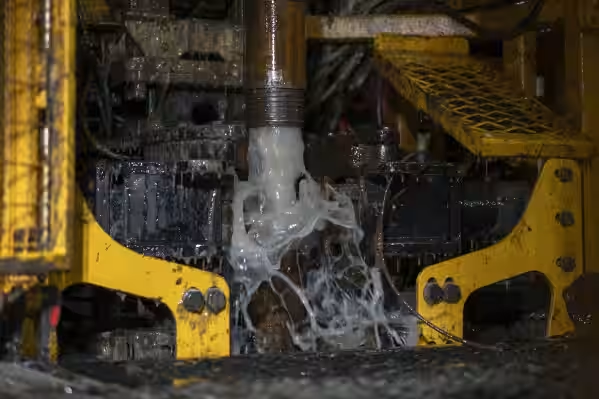
“Four parts per thousand was a eureka moment,” recalled Brandon Dugan, a geophysicist and hydrologist at the Colorado School of Mines and co‑chief scientist of the expedition, speaking to the Associated Press. That salinity level, recorded early in the drill, suggests a historic link to terrestrial water sources, and possibly an ongoing connection.
At certain sites the salinity dropped to just one part per thousand, a stark contrast to the average ocean salinity of about 35 parts per thousand.
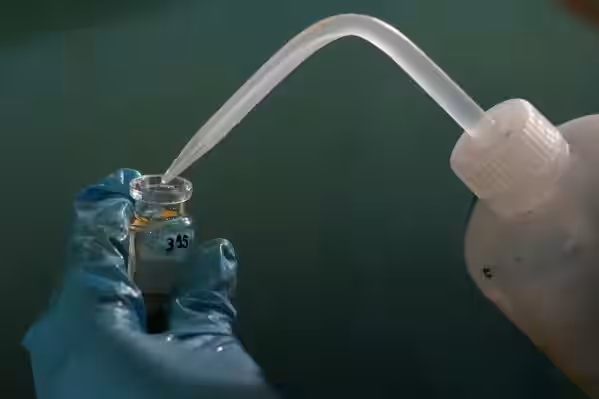
In total, the team extracted nearly 50 000 litres (approximately 13 200 gallons) of water, which is now being examined by laboratories around the world.
Possible Origins of the Subsea Water
- Rainfall that infiltrated the ground during the Pleistocene, when lower sea levels exposed the continental shelf.
- Meltwater that flowed beneath the Laurentide ice sheet at the Last Glacial Maximum.
- Discharge from pro‑glacial lakes that formed along the margins of retreating ice.
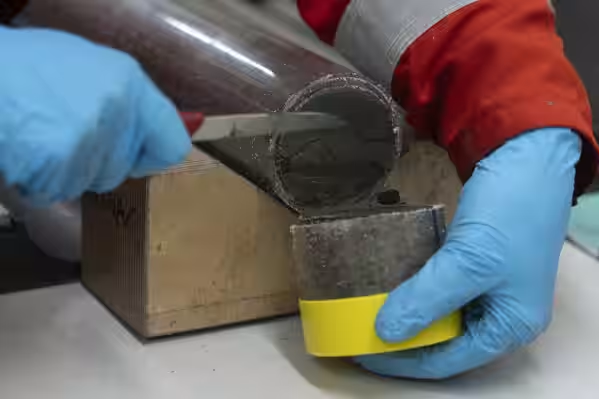
Determining the water’s age will clarify whether the aquifer is a renewable source. Younger water would indicate ongoing recharge from land, while ancient, trapped water would imply a finite supply.
“If it’s young, it’s essentially a raindrop from a century or two ago and it’s still recharging,” Dugan explained.
Assessing Suitability and Extraction Challenges
Before any practical use, scientists must evaluate the water’s composition. Jocelyne DiRuggiero, a microbiologist at Johns Hopkins University who studies extremophile communities, warned that the fluid could contain minerals or microbes harmful to human health. She noted that while similar filtration processes sustain terrestrial aquifers, the undersea environment has never been examined in detail.
Teams are currently sequencing DNA from the samples to identify resident microorganisms and understand their survival strategies.
Even if analyses confirm safety and renewability, scaling extraction would be costly. Offshore drilling is expensive, legal ownership of submarine freshwater is ambiguous, and large‑scale pumping could disrupt seabed nutrient flows and affect marine ecosystems. “Pumping these waters would almost certainly produce unforeseen consequences,” warned Rob Evans, a Woods Hole geophysicist whose 2015 survey helped map the aquifer. He cautioned that extraction might alter nutrient dynamics that support local marine life and could divert water away from terrestrial reservoirs.
This article has been fact checked for accuracy, with information verified against reputable sources. Learn more about us and our editorial process.
Last reviewed on .
Article history
- Latest version
Reference(s)
- Woodward, Calvin. “Scientists tap fresh water under the sea, raising hopes for a thirsty world.”, September 5, 2025 AP News <https://apnews.com/article/freshwater-expedition-ai-501-cape-cod-5d62cae0f040d369b16d8400202f0a88>.
Cite this page:
- Posted by Elizabeth Taylor