Scientists Potentially Uncover Leonardo da Vinci’s DNA on Old Sketches
A revolutionary DNA swabbing technique has allowed researchers to extract “biological signatures of history” from fragile Renaissance artifacts, revealing the hidden biomes and paternal lineages of the world’s most famous polymath.
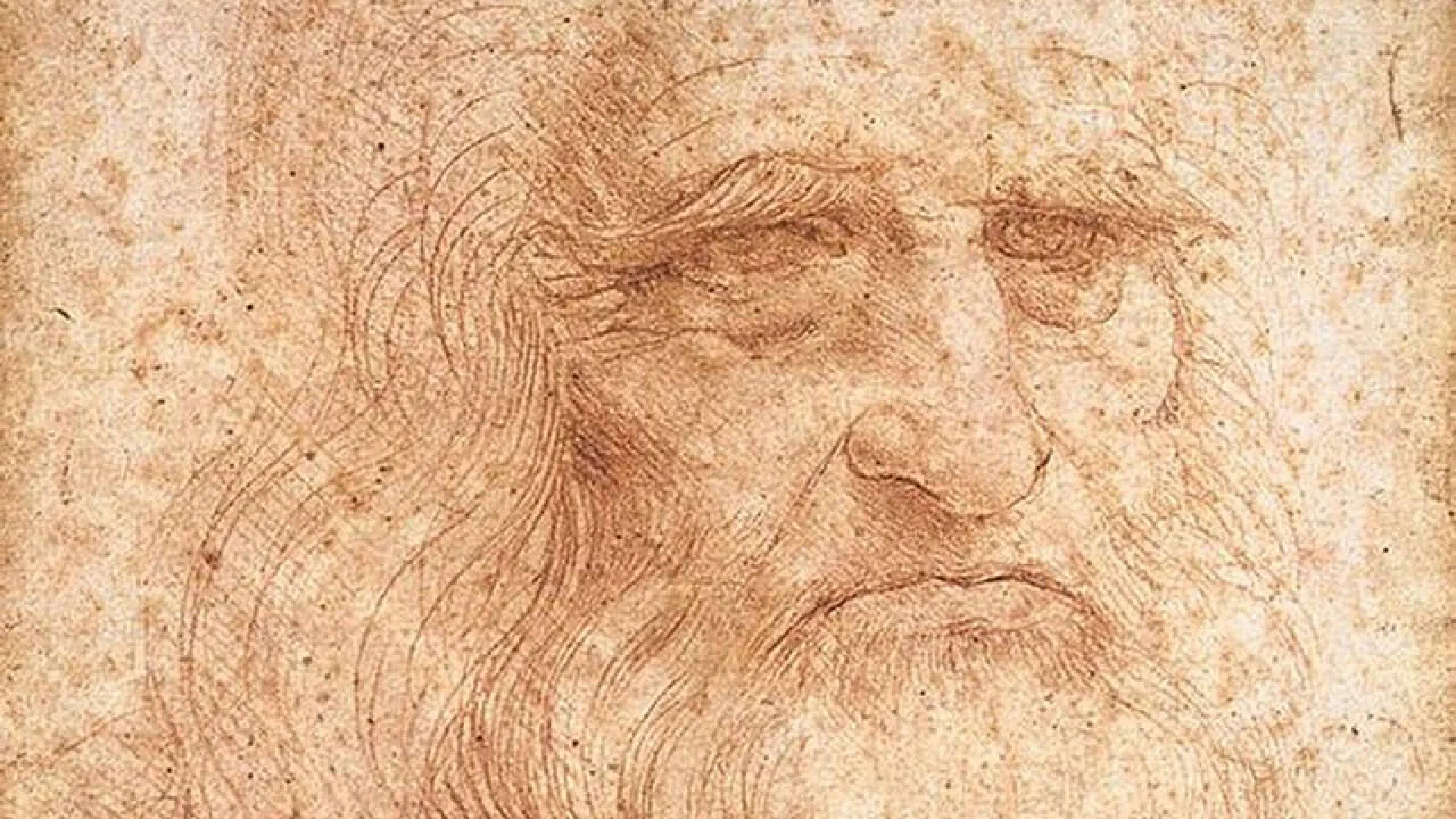
This study details the use of a non-destructive sampling method to read the microscopic history of Renaissance treasures. Researchers discovered environmental clues (like 15th-century plant DNA) and human genetic markers that suggest a shared paternal line among several da Vinci-related artifacts.
A Breakthrough in “Bio-Archiving” Masterpieces
For centuries, the physical history of a masterpiece was thought to be limited to its visible brushstrokes and ink. However, a team of international researchers has now proven that every artifact is a living time capsule. By treating Renaissance drawings and archival letters as biological repositories, scientists have successfully recovered “biological signatures of history” that reconstruct the environment of 15th-century Italy.
This research does more than just identify the people who touched these objects (it provides a sensory map of the past). From the specific plants used in workshops to the microbial traces of historical diseases, these findings offer a high-resolution window into the life and surroundings of Leonardo da Vinci.
The Challenge of Sampling Fragile History
The primary obstacle in studying cultural heritage objects is their extreme vulnerability. These items are often over 500 years old and cannot be subjected to traditional, destructive DNA sampling. Furthermore, the amount of biological material present (known as ultra-low biomass) is so small that it is easily overwhelmed by modern contamination from museum curators or researchers.
Previously, gaining deep genetic insights required removing physical pieces of an artifact. The scientific challenge was clear: how can we “read” the biological history of a one-of-a-kind treasure without leaving a single mark?
The Method: A Gentle “Double Swab” Approach
To overcome these hurdles, the research team utilized a “minimally invasive” workflow that integrates gentle swabbing with low-input whole-metagenome sequencing. The process involved a “double swab” technique (using both wet and dry swabs) to lift microscopic DNA residues from the paper surfaces without causing damage.
Once the DNA was collected, the team sequenced everything on the swabs (the bacteria, fungi, plant pollen, and human skin cells). They then compared these “composite biomes” across different objects, including a red chalk drawing titled the “Holy Child” (attributed to Leonardo) and archival letters written by his ancestor, Frosino di Ser Giovanni da Vinci.
Decoding the Renaissance Environment
The results revealed a fascinating, multi-layered biological world. The researchers found that each artifact carries a unique “microbial fingerprint” shaped by its specific history.
The Botanical Map of the 1400s
On the drawings and letters, the team found DNA from plants common in 15th-century Europe, such as Italian ryegrass and willow. Willow was particularly abundant along the Arno River and was frequently used in Renaissance workshops for charcoal production.
The discovery of Citrus DNA on the “Holy Child” drawing provided a direct link to historical context. During the Renaissance, the Medici family (famous patrons of Leonardo) were known for their exotic gardens and fascination with citrus trees, which they viewed as symbols of wealth and scientific curiosity.
Clues of Ancient Diseases
The researchers also detected evidence of Leptospira and Plasmodium (the parasite that causes malaria). These findings align with the ecology of Renaissance Florence, where rodent infestations and endemic malaria were part of daily life.
Unmasking the da Vinci Genetic Lineage
Beyond environmental clues, the team focused on human Y-chromosome markers, which are passed down from father to son. Despite the DNA being fragmented and sparse, they found a consistent genetic signal across several Leonardo-associated items.
The E1b1b Haplogroup
The DNA from the “Holy Child” and the ancestral letters both pointed toward a specific paternal lineage known as the E1b1b haplogroup. This lineage is common in the Mediterranean and specifically in the Tuscany region where Leonardo lived.
While this does not definitively prove the drawing is by Leonardo’s own hand, the repeated recovery of the E1b1/E1b1b clade across multiple independent samples is highly significant. It suggests a “shared Y-chromosomal signal” linking these artifacts to the same family history.
Why This Matters for the Future of Art
This discovery is a major leap forward for conservation science. By identifying the specific fungi (like Alternaria alternata) that consume paper, conservators can develop better ways to protect these treasures from decay.
Furthermore, this method provides a new toolkit for authentication. If an object’s “biome” matches the historical environment of its era (such as the presence of 15th-century regional pathogens), it adds a layer of biological proof to its provenance.
Scientific Limitations and Next Steps
The researchers emphasize that while the results are compelling, they are exploratory. Because the DNA is “ultra-low biomass,” there is a constant risk that some of the human DNA comes from modern handlers. The team used “contamination-aware controls” (including DNA from the female researchers to ensure they weren’t sequencing themselves) to mitigate this.
Future studies will need to test more Leonardo-associated artifacts, such as his famous notebooks and paintings, or confirmed living descendants to definitively conclude that this is the da Vinci lineage.
A New Perspective on the Great Masters
This study proves that history is not just a collection of dates and names (it is physically preserved in the microscopic residues that cling to the page). By blending high-tech genomics with art history, we are starting to see the Renaissance in a way that was never before possible.
The discovery of a potential “da Vinci biome” reminds us that history’s greatest figures were part of a living, breathing world. As we refine these “minimally invasive” techniques, the line between science and art will continue to blur, revealing the hidden lives of the masterpieces that define our culture.
The research was published in bioRxiv.
This article has been fact checked for accuracy, with information verified against reputable sources. Learn more about us and our editorial process.
Last reviewed on .
Article history
- Latest version
- Last updated by Dayyal Dungrela, MLT, BSc, BS
Reference(s)
- Singh, Harinder., et al. “Biological signatures of history: Examination of composite biomes and Y chromosome analysis from da Vinci-associated cultural artifacts.” bioRxiv Cold Spring Harbor Laboratory, doi: 10.64898/2026.01.06.697880. <https://www.biorxiv.org/content/early/2026/01/06/2026.01.06.697880>.
Cite this page:
- Posted by Tamseel Fatima