Scientists Found Living Yeast on a 5,300-Year-Old Mummy and Used It to Bake Bread Thousands of Years Later
Scientists revive a 5,300‑year‑old yeast from Ötzi the Iceman, revealing its potential to boost modern brewing and biotechnology
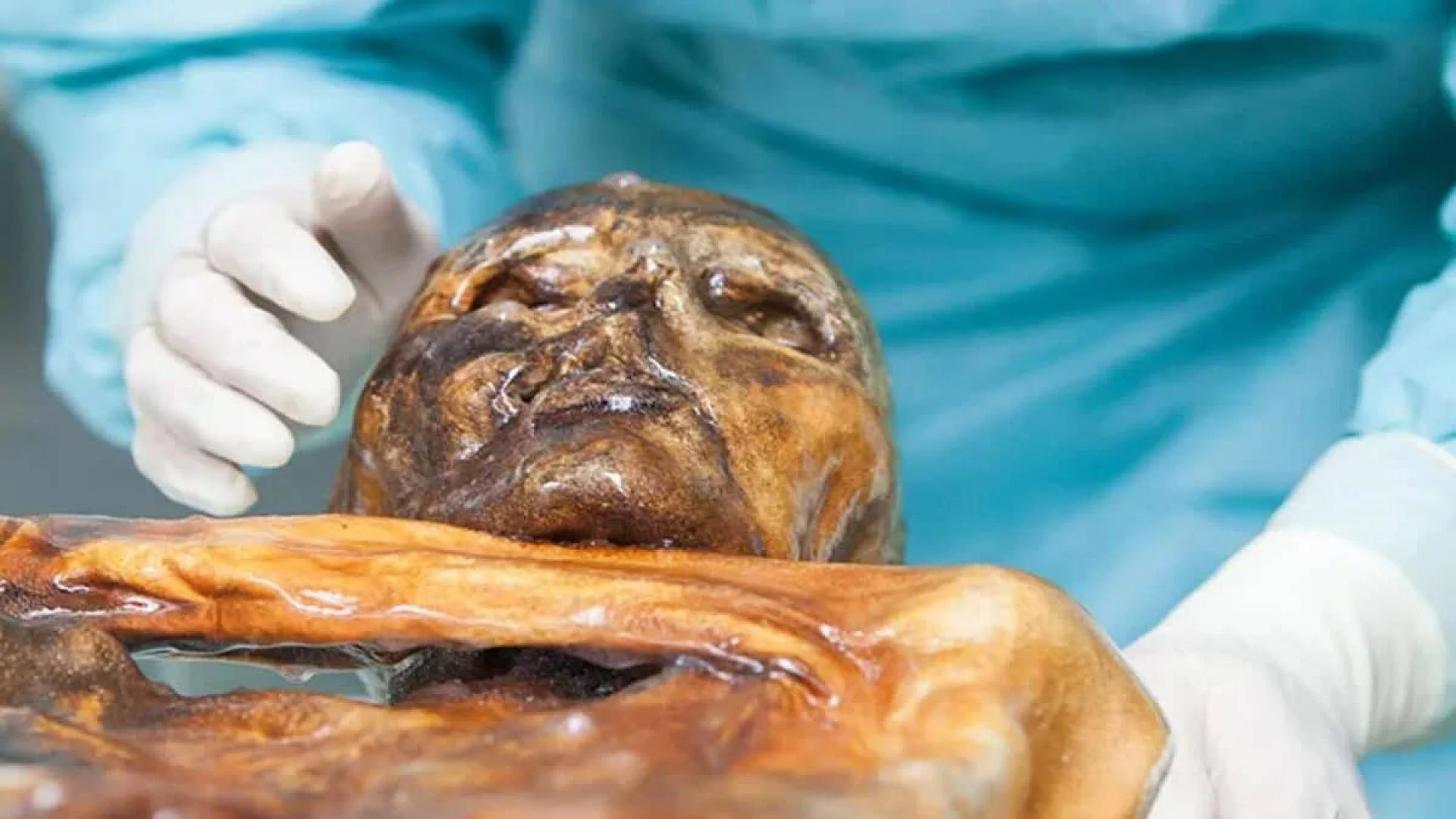
Researchers have managed to bake a loaf of sourdough using yeast that was isolated from the 5,000‑year‑old mummy known as Ötzi the Iceman. The experiment forms part of a larger investigation that demonstrates the surprising vitality of the microbial ecosystem still living on the ancient remains.
Since his unearthing in 1991, Ötzi has provided scholars with an unprecedented window into Copper‑Age life, shedding light on his diet, health, clothing, tools, and the circumstances surrounding his death.
The newest study shifts focus to a less obvious facet of the mummy: its microbiome. Rather than treating the microbes as static fossils, the team asked whether any of them could remain viable and proliferate under the freezing conditions that now preserve the body.
Ancient Microbial Community Revealed in Ötzi’s Remains
Ötzi met his end roughly 5,300 years ago after an arrow struck his back. His body froze within a glacier and stayed hidden until hikers discovered it melting near the modern border of Italy and Austria.
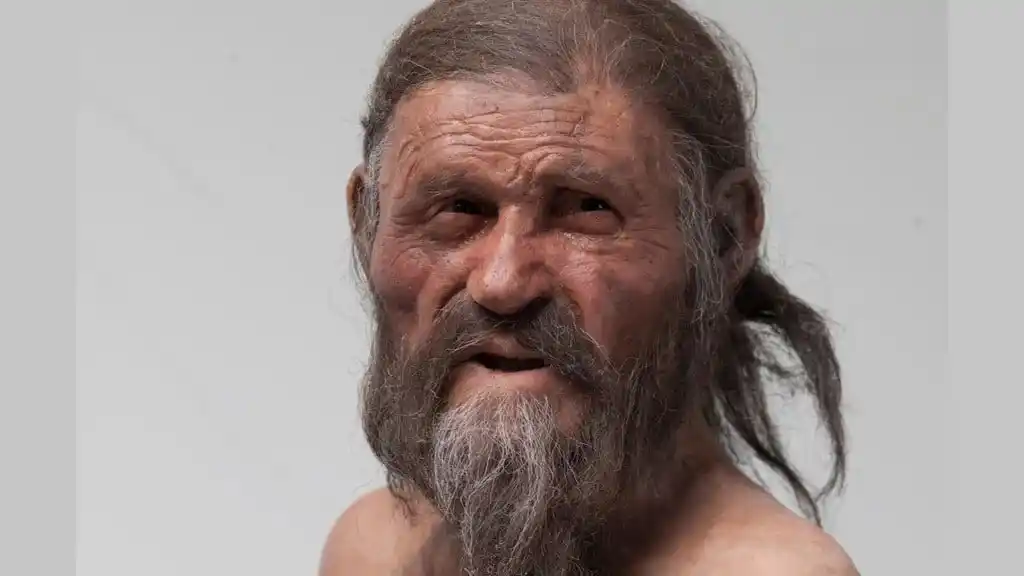
The mummy is now housed at the South Tyrol Museum of Archaeology in Bolzano, Italy, where curators keep the temperature at minus 6 °C with high humidity to mimic the glacier that saved him for millennia.
To map the microbial landscape, scientists swabbed Ötzi’s skin, collected water that had melted from his surroundings, sampled the museum air, and analyzed soil from the original discovery site. DNA sequencing split the results into two broad categories: microbes that colonised the body after his death in the ice and those introduced during later handling and conservation efforts after the mummy’s discovery.
“A mummy’s microbiome is unique because we are dealing with microbes that are over 5,000 years old and, at the same time, with modern microbes that have been introduced since the discovery.”
Cold‑Adapted Yeasts Discovered on the Iceman
Among the findings published in the journal Microbiome, four psychrophilic yeasts were isolated from Ötzi’s skin, stomach contents, and internal fluids: Glaciozyma, Mrakia, Phenoliferia and Goffeauzyma. These organisms typically thrive in some of Earth’s coldest habitats, such as Antarctic ice, Arctic permafrost, and high‑altitude environments.
Sarhan told AFP that the presence of yeasts among the other recovered microbes was unexpected, especially given their association with extreme cold niches.
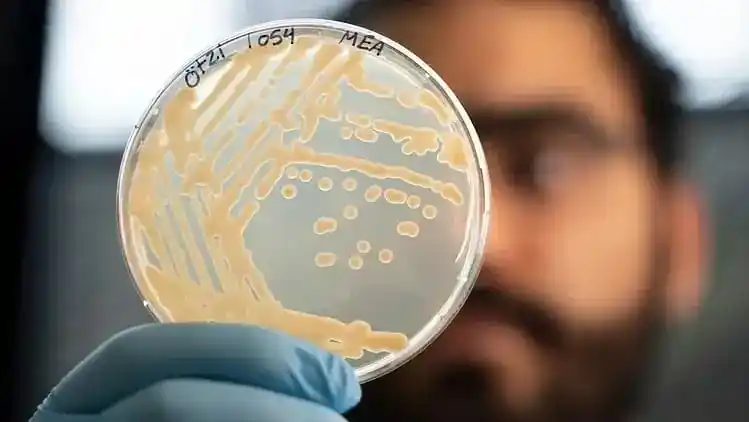
Genetic analysis showed damage patterns that matched the age of the samples, indicating the yeasts may have colonised the body shortly after death or descended from ancestors that did. Comparison of material collected in 2010 and 2019 revealed a notable rise in the abundance of the genus Glaciozyma, whose later‑stage DNA appeared less fragmented, hinting at possible recent or ongoing replication.
Reviving the Past: Sourdough Made from Millennia‑Old Yeast
After confirming that one of the yeasts could be cultured, the team set out to test its utility in baking. Initial trials failed, prompting months of optimisation before a viable dough was finally produced.
“It worked,” he said. “As a dough, it was very, very good.”
The investigation also uncovered genes that could influence Ötzi’s long‑term preservation. Some microbes carried enzymes capable of breaking down proteins, fats and collagen—the main components of human tissue—while others possessed pathways for degrading phenol, a chemical applied to the mummy after its recovery to curb fungal growth.
Not all experts agree on the interpretation. Nikolay Oskolkov of the Latvian Institute of Organic Synthesis, who was not involved in the study, cautioned that sampling at only two time points offers limited proof of continuous multiplication over millennia, suggesting the yeasts could instead be relatively recent colonisers.
This article has been fact checked for accuracy, with information verified against reputable sources. Learn more about us and our editorial process.
Last reviewed on .
Article history
- Latest version
Reference(s)
- Sarhan, Mohamed S.., et al. “The Iceman’s microbiome: unveiling millennia of microbial diversity and continuity.” Microbiome, vol. 14, no. 1, June 3, 2026 Springer Science and Business Media LLC, doi: 10.1186/s40168-026-02417-6. <https://link.springer.com/article/10.1186/s40168-026-02417-6>.
- “Nikolay Oskolkov personal homepage.”, June 17, 2024 Nikolay Oskolkov <https://nikolay-oskolkov.com/>.
Cite this page:
- Posted by Elizabeth Taylor