Egypt Archaeologists Uncover Aphrodite Head, Pharaoh’s Name and a Roman Basilica at Heracleopolis Magna
Discovery reveals a hidden Egyptian city with a marble goddess, royal cartouche and a Roman layer, exposing centuries of power buried beneath the sands
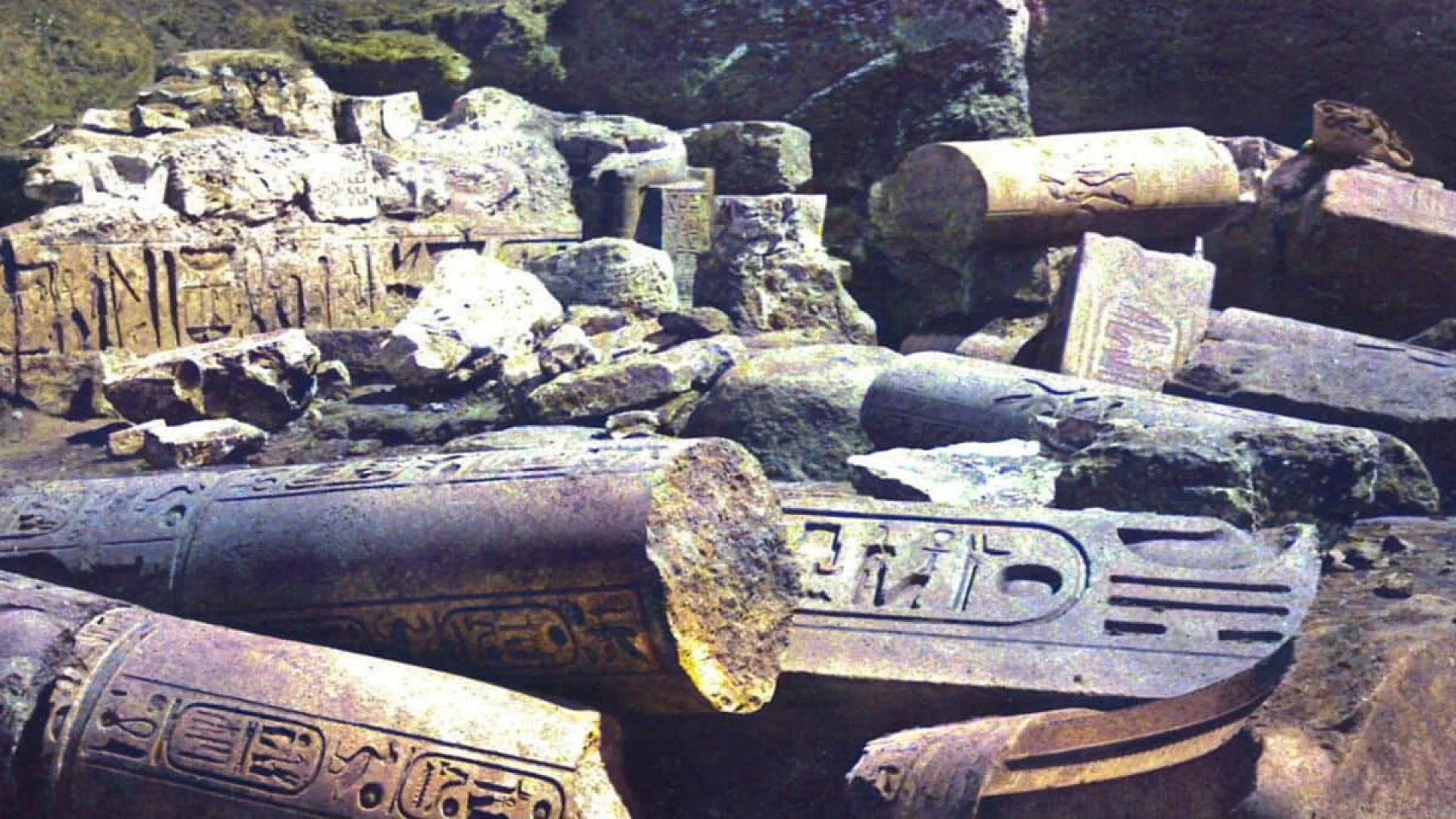
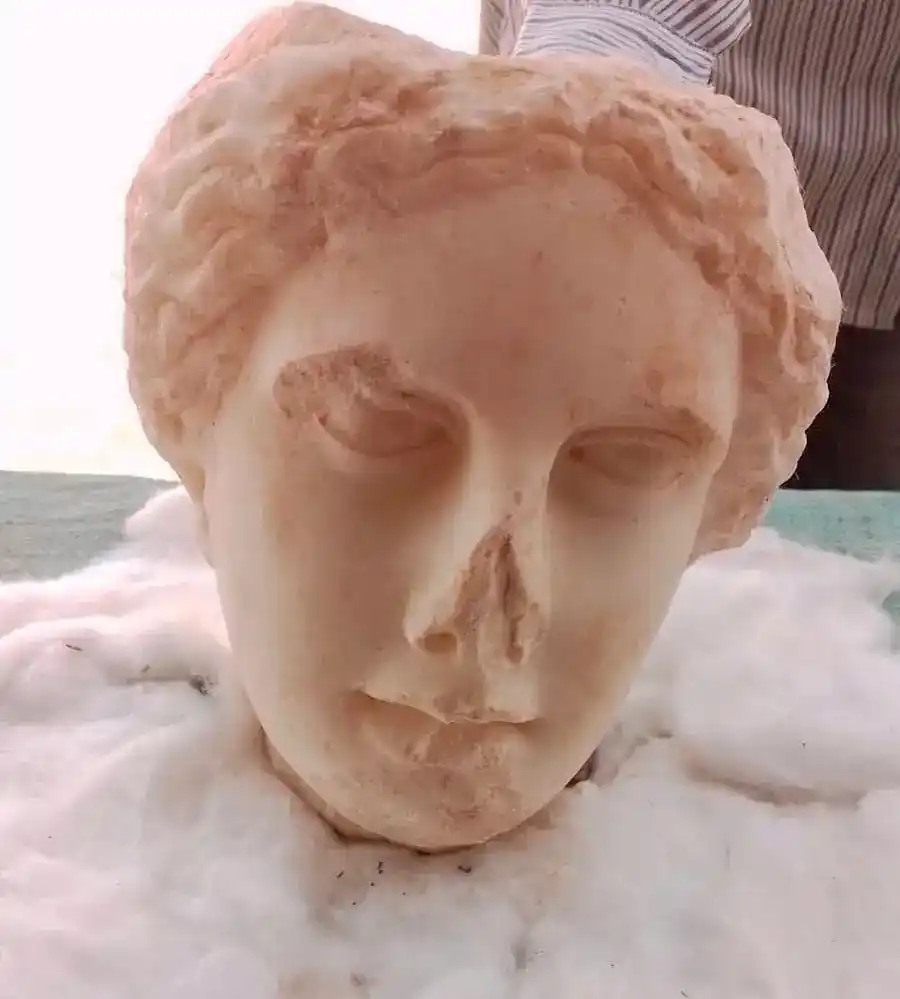
Excavators working at the site of Ihnasiya al‑Madina in Egypt’s Beni Suef governorate have uncovered a marble head measuring roughly 24 × 25 cm, its features sharply rendered and hair curled in a classical style. The fragment, identified as a representation of the Greek goddess Aphrodite, adds a distinct Hellenic dimension to a location already known for a complex sequence of cultural layers.
Royal Middle Kingdom Inscription Re‑used on a Stone Block
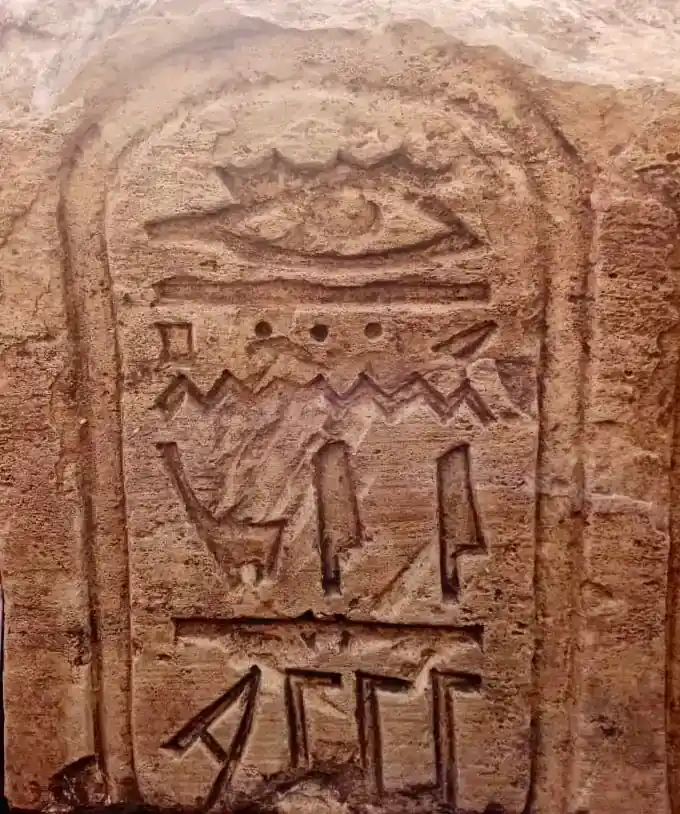
Among the most striking discoveries is a reclaimed stone slab bearing a cartouche that records the name and royal titles of Senusret III, a pharaoh of the Middle Kingdom. The inscription, which includes both his coronation and birth titles, ties the block to construction activities that took place in Ihnasiya al‑Madina during that era. Hisham El‑Leithy, secretary‑general of the Supreme Council of Antiquities, emphasized that the presence of the cartouche underscores the town’s sacred status and the attention it received from Middle Kingdom rulers.
The same slab also features a second cartouche referencing Osiris Na Rief, a deity worshipped locally from the late Pharaonic period through the Ptolemaic age, linking religious practices across distinct historical phases.
Roman Basilica Built on Repurposed Temple Foundations
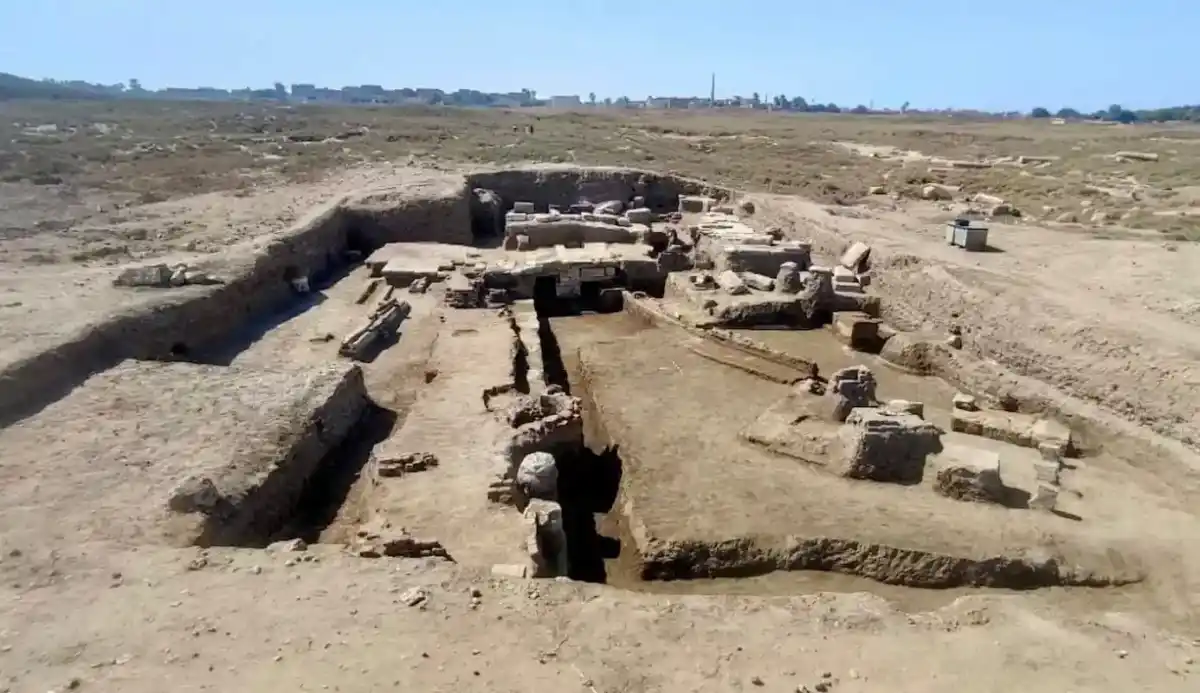
Archaeologists have also identified the remains of a Roman‑era basilica that incorporates structural elements from an earlier Doric temple. Preliminary analysis suggests that components of the older temple were dismantled in the sixth century AD and re‑erected as supporting platforms for the basilica’s massive columns, some of which weigh as much as 45 tons, according to The Associated Press. Three of these foundation blocks remain in situ at the Beni Suef site, situated about 130 kilometers south of Cairo.
The basilica’s evolution illustrates a shift in function: during the Roman period it served as a civic space for gatherings and commerce, while in the early Christian era the same structure was adapted for worship and ecclesiastical assemblies.
Greek‑Roman Artifacts Reveal a Cultural Blend
The marble head of Aphrodite, noted by Egyptian antiquities officials for its rare classical execution, showcases the influence of Greek and Roman artistic conventions within a city traditionally associated with Pharaonic power. The sculpture’s finely carved facial features and flowing hair echo the aesthetic standards applied to deities and elite portraits during the Hellenistic and Roman periods.
Additional finds include fragments of wall statues and ceramic molds used to strike Roman coins, indicating that the site functioned as a hub of artistic production and economic activity when Egypt was part of the Roman Empire.
A Multi‑Era Urban Landscape in Beni Suef
Ihnasiya al‑Madina, once the capital of Egypt during the 9th and 10th Dynasties and later known as Heracleopolis Magna, now offers a stratified record of Pharaonic rulers, Greek‑style sculpture, Roman civic architecture, early Christian adaptation, and commercial activity. Ongoing scientific analysis and dating work aim to situate each artifact within its precise archaeological context.
The collection of items—ranging from the Senusret III stone block and the Osiris Na Rief cartouche to the Roman basilica remnants, Doric temple pieces, the marble Aphrodite head, and coin‑mould fragments—underscores the city’s role as a dynamic crossroads of religious, political, and economic life across millennia.
According to the Egyptian Ministry of Tourism and Antiquities, the discoveries highlight the profound historical significance of Ihnasiya al‑Madina and illustrate the cultural and religious diversity that has characterized Egypt throughout its long history.
This article has been fact checked for accuracy, with information verified against reputable sources. Learn more about us and our editorial process.
Last reviewed on .
Article history
- Latest version
Reference(s)
- Magdy, Samy. “Egypt unearths major trove of ancient artifacts.”, June 1, 2026 AP News <https://apnews.com/article/egypt-antiquities-aphrodite-marble-head-pharaonic-furniture-e9e5eb074b67fb47b8eb36a911fba7ce>.
- Saraceni, Jessica. “Ancient Egyptian Capital City Investigated.”, June 5, 2026 Archaeology Magazine <https://archaeology.org/news/2026/06/05/ancient-egyptian-capital-city-investigated/>.
Cite this page:
- Posted by Elizabeth Taylor