Wolves Without Dog Ancestry on Swedish Island Hint at Pre‑Dog Human Care
Ancient Baltic wolves lived with early humans yet stayed genetically pure, reshaping theories on prehistoric human‑wolf bonds.
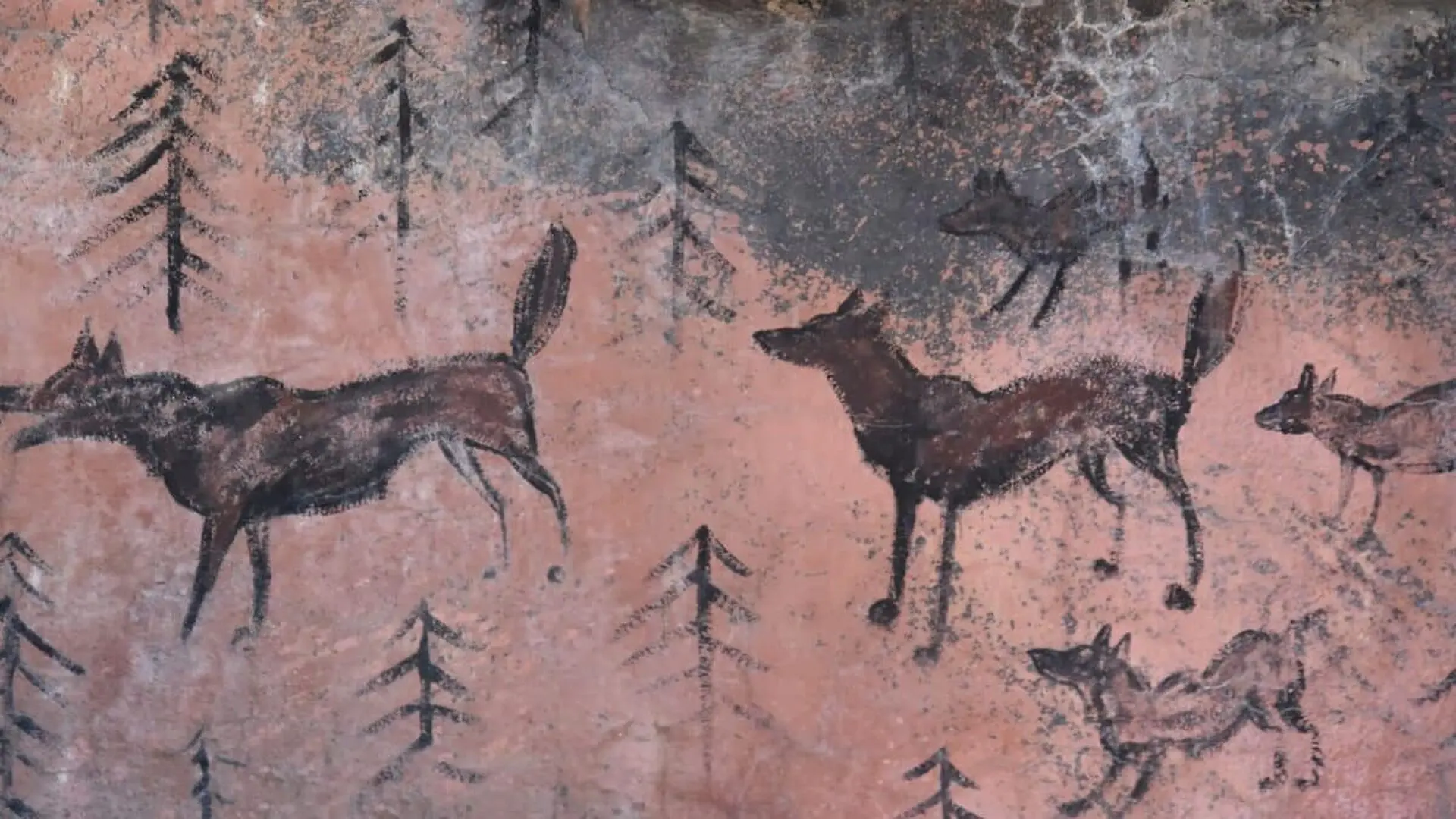
A pair of gray wolf skeletons uncovered on a tiny Baltic island reveal that humans may have moved these predators across the sea thousands of years ago, hinting at a level of interaction that predates fully domesticated dogs. The study, however, cautions that alternative scenarios cannot be ruled out.
Human‑mediated transport to an isolated limestone outcrop
Stora Karlsö, a limestone island of roughly 2.5 km² off Sweden’s coast, hosts no native land mammals. Yet two wolf remains dating to between 3,000 and 5,000 years ago were recovered from the archaeological Stora Förvar cave, a site linked to Neolithic and Bronze Age seal hunters and fishers. Because the island has never been connected to the mainland, researchers argue that natural colonisation is implausible, making deliberate human transport the simplest explanation.
Genomic data show pure wolf ancestry
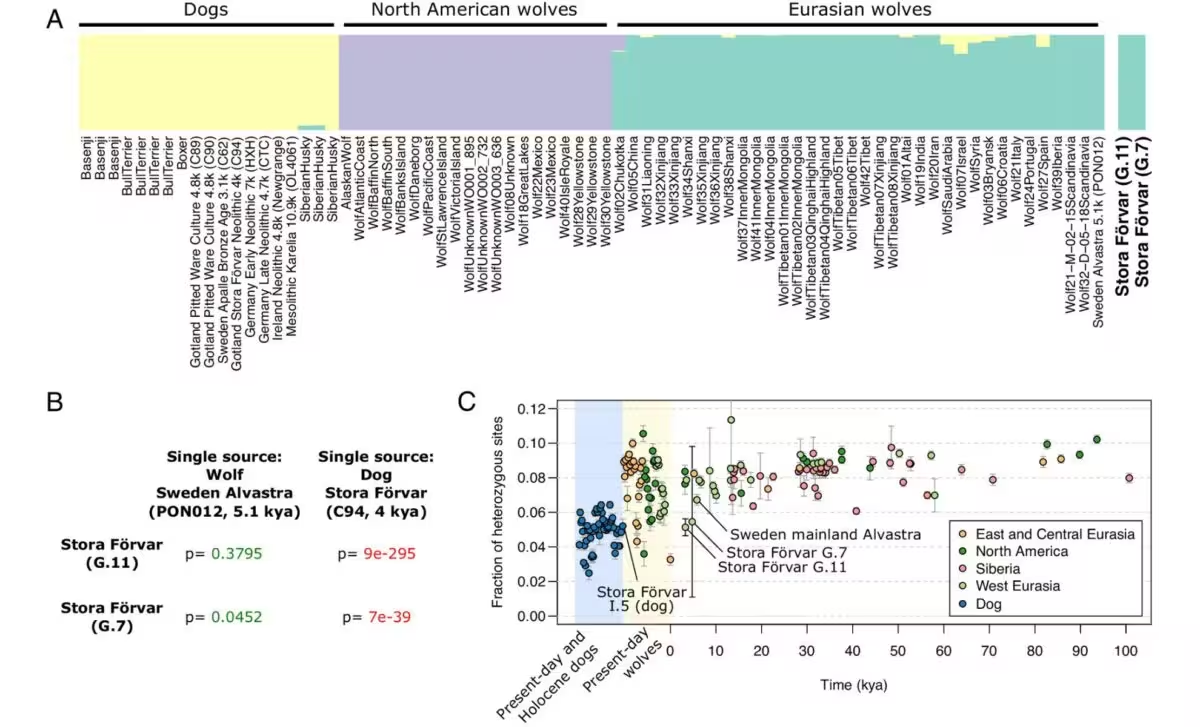
DNA sequencing of the two canids revealed exclusively gray‑wolf genetic signatures, with no detectable admixture from domestic dogs. Their genomes align most closely with ancient Eurasian wolves, reinforcing the notion that they were not early dogs.
Marine‑rich diet mirrors that of island inhabitants
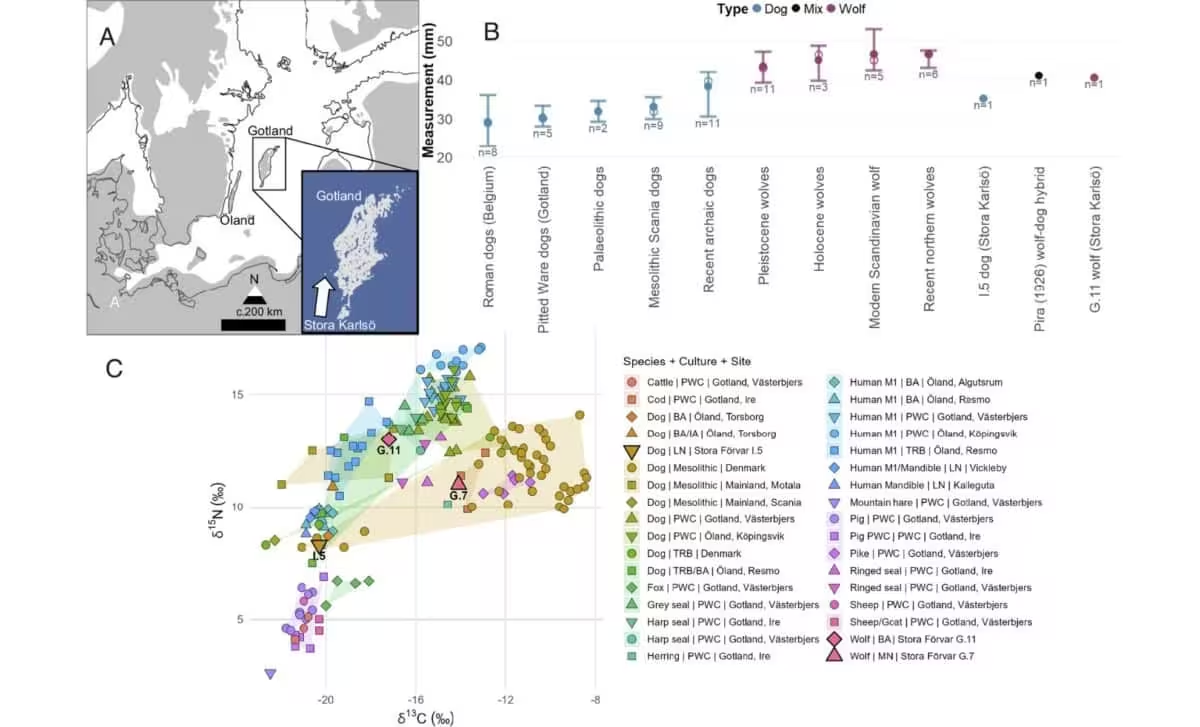
Stable isotope analysis indicates a diet dominated by marine protein, including fish and seal tissue. This pattern closely matches the dietary isotopes of the human groups who occupied Stora Karlsö, suggesting the wolves lived in proximity to people and likely obtained food from the same resources. The same conclusion is drawn in the original report from Stockholm University.wolves appear to have shared the island’s marine niche.
Size, genetics and pathology hint at human care
Both specimens are smaller than modern Scandinavian wolves, and one individual exhibits exceptionally low genome‑wide heterozygosity. Reduced genetic diversity can arise in isolated groups or in animals under human management, though natural causes remain possible. Moreover, one wolf bears severe limb pathology that would have limited its hunting ability, yet the animal survived long enough for the injury to fossilise, implying it may have relied on humans for sustenance.
Implications for the early stages of dog domestication
The findings add nuance to long‑standing debates over whether wolves gradually acclimated to human settlements on their own or were actively raised by people. The combination of island isolation, marine diet, small stature and limited genetic diversity aligns with the possibility of human stewardship, yet the authors stop short of declaring these wolves as proto‑dogs.
Lead author Linus Girdland‑Flink (University of Aberdeen) described the discovery as unexpected, noting that the wolves “retain typical Eurasian wolf ancestry while appearing to live alongside people in a place they could only have reached by boat,” and that the evidence paints “a complex picture of the relationship between humans and wolves in the past.”
Senior author Pontus Skoglund (Francis Crick Institute) added that the team initially anticipated the bones would belong to a dog, and that the results suggest some prehistoric communities may have found value in keeping wolves within their settlements.
Professor Jan Storå (Stockholm University) highlighted how the integration of osteological and genomic data provides fresh insight into Stone Age and Bronze Age interactions among humans, wolves and dogs, while emphasizing that the evidence does not prove an early domestication stage.
This article has been fact checked for accuracy, with information verified against reputable sources. Learn more about us and our editorial process.
Last reviewed on .
Article history
- Latest version
Reference(s)
- “Dr LINUS GIRDLAND FLINK | The University of Aberdeen.”, June 25, 2026 <https://www.abdn.ac.uk/people/linus.girdlandflink>.
- “Pontus Skoglund.”, June 3, 2026 Crick <https://www.crick.ac.uk/research/find-a-researcher/pontus-skoglund>.
- “Jan Storå - Stockholm University.” <https://www.su.se/english/profiles/j/jstor>.
Cite this page:
- Posted by Elizabeth Taylor