China’s Tianwen-2 Arrives Within 20 Km Of Asteroid 2016 Ho3 After 1 Billion-Kilometer Voyage
China’s Tianwen-2 probe reaches asteroid 2016 HO3, launching a scientific campaign that could reshape our understanding of near‑Earth objects.
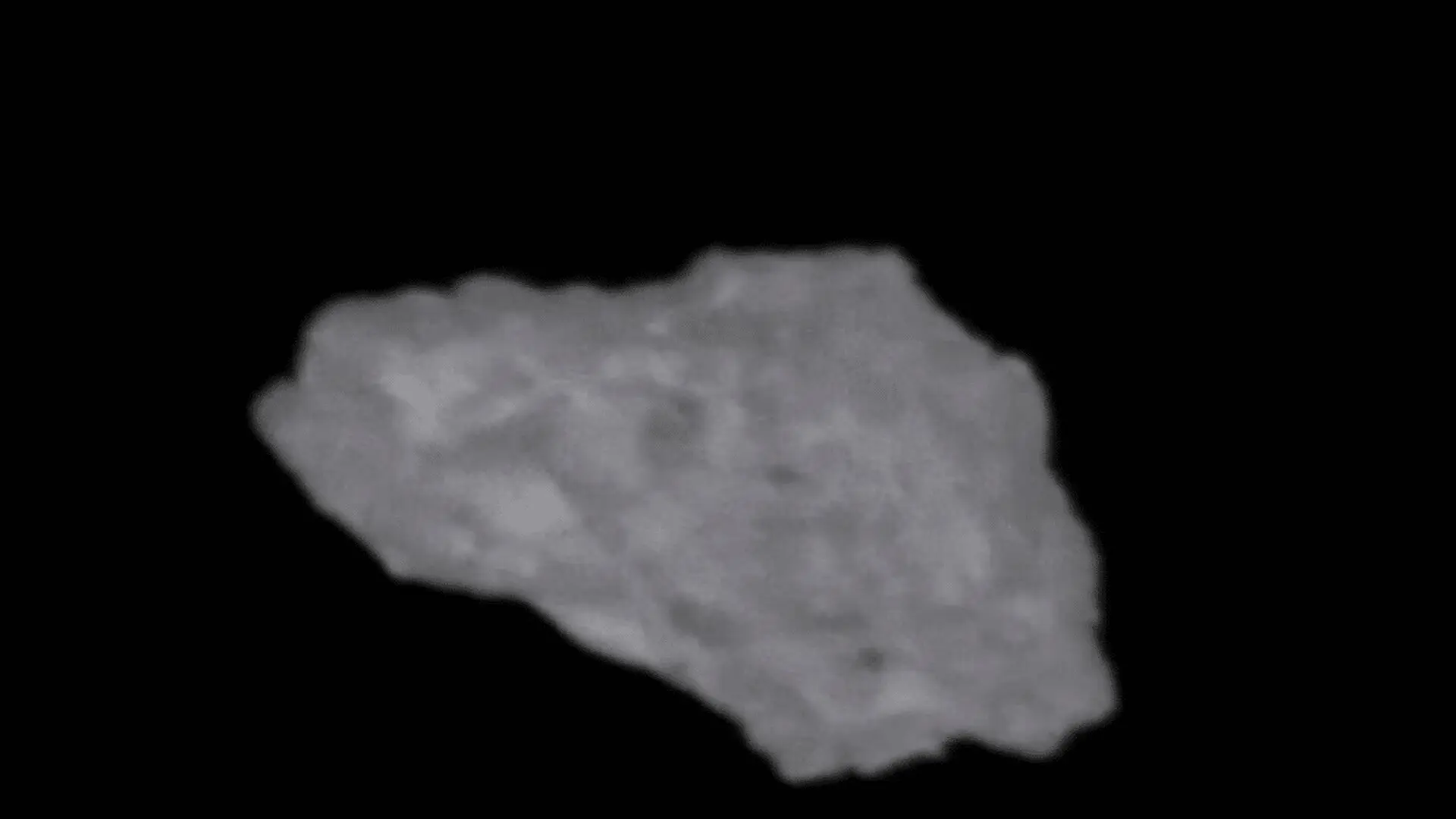
China’s Tianwen-2 probe has closed to within 20 km of the near‑Earth asteroid 2016 HO3, marking the start of the mission’s scientific operations after a trek of about 400 days and nearly 1 billion km. Xinhua reported that the spacecraft is now positioned to conduct in‑depth observations before attempting to retrieve a sample that could shed light on the Solar System’s formative processes.
Close‑Proximity Science Begins Around 2016 HO3
Reaching the asteroid transitions Tianwen‑2 from its interplanetary cruise to a phase of detailed, short‑range investigation. The probe, launched on May 29 2025, is China’s inaugural asteroid‑sample return venture and is planned as a ten‑year odyssey with several milestones. After acquiring material from 2016 HO3, the mission will set a course for the main‑belt comet 311P, extending its scientific return well beyond the initial target.
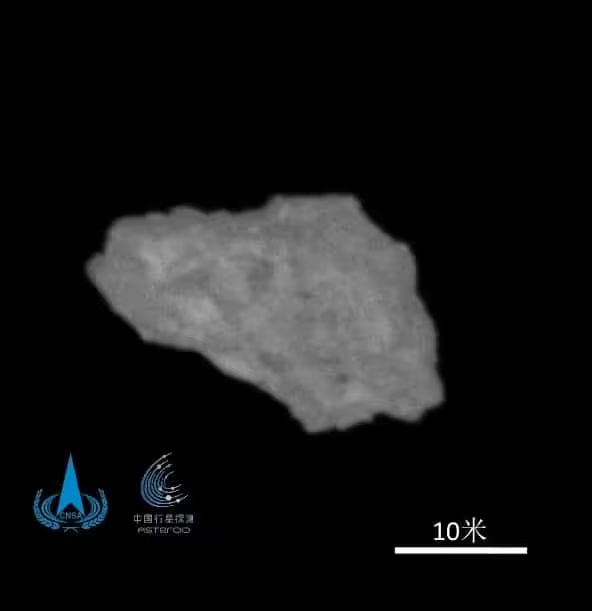
During the final approach, the onboard cameras recorded high‑resolution images while the navigation suite continuously refined the flight path. The China National Space Administration (CNSA) noted that optical navigation data tightened the asteroid’s positional accuracy from ground‑based estimates measured in hundreds of kilometres to a precision on the order of a kilometre. Such exactness is crucial for safely operating near a body with negligible gravity and for planning a delicate sampling maneuver.
Complex Navigation Delivered Precise Encounter
Achieving the rendezvous required a series of trajectory‑correction burns and fine‑tuned propulsion events. On June 6 2026 the probe logged its first detection of 2016 HO3, and the following day it entered a coplanar orbit about 30 000 km from the asteroid. By June 19 the distance had been trimmed to roughly 2 000 km, culminating in the current 20 km proximity.
These steps illustrate the demanding nature of autonomous navigation around diminutive, low‑gravity bodies. Unlike planetary missions, asteroid fly‑bys require constant course adjustments and highly accurate optical tracking to keep the spacecraft both safe and scientifically productive.
In‑Depth Survey of 2016 HO3 Underway
Now that Tianwen‑2 is within close range, its suite of instruments will map the asteroid’s shape, surface texture, composition, and internal makeup. The CNSA stated, “The probe will progressively conduct more detailed scientific exploration to acquire data on the asteroid’s morphology, material composition and internal structure, laying the groundwork for subsequent sample collection operations.”
Why Returning Samples From 2016 HO3 Matters
Objects like 2016 HO3 are considered pristine archives of the Solar System’s earliest material. Because many have avoided significant alteration for billions of years, a sample returned to Earth could retain clues about the primordial chemicals that formed planets, and possibly about the delivery of water and organics to our world.
For China, the Tianwen‑2 mission showcases growing expertise in autonomous deep‑space navigation, proximity operations around small bodies, and long‑duration interplanetary travel. Following its work around 2016 HO3, the probe will head toward comet 311P, promising additional discoveries and extending the mission’s scientific legacy.
This article has been fact checked for accuracy, with information verified against reputable sources. Learn more about us and our editorial process.
Last reviewed on .
Article history
- Latest version
Cite this page:
- Posted by Karan Das