Scientists Reveal SpudCell: Synthetic Cell That Grows, Replicates and Divides
Researchers aim to construct synthetic cells from defined chemical components, advancing bottom‑up cell engineering beyond modifying living organisms.
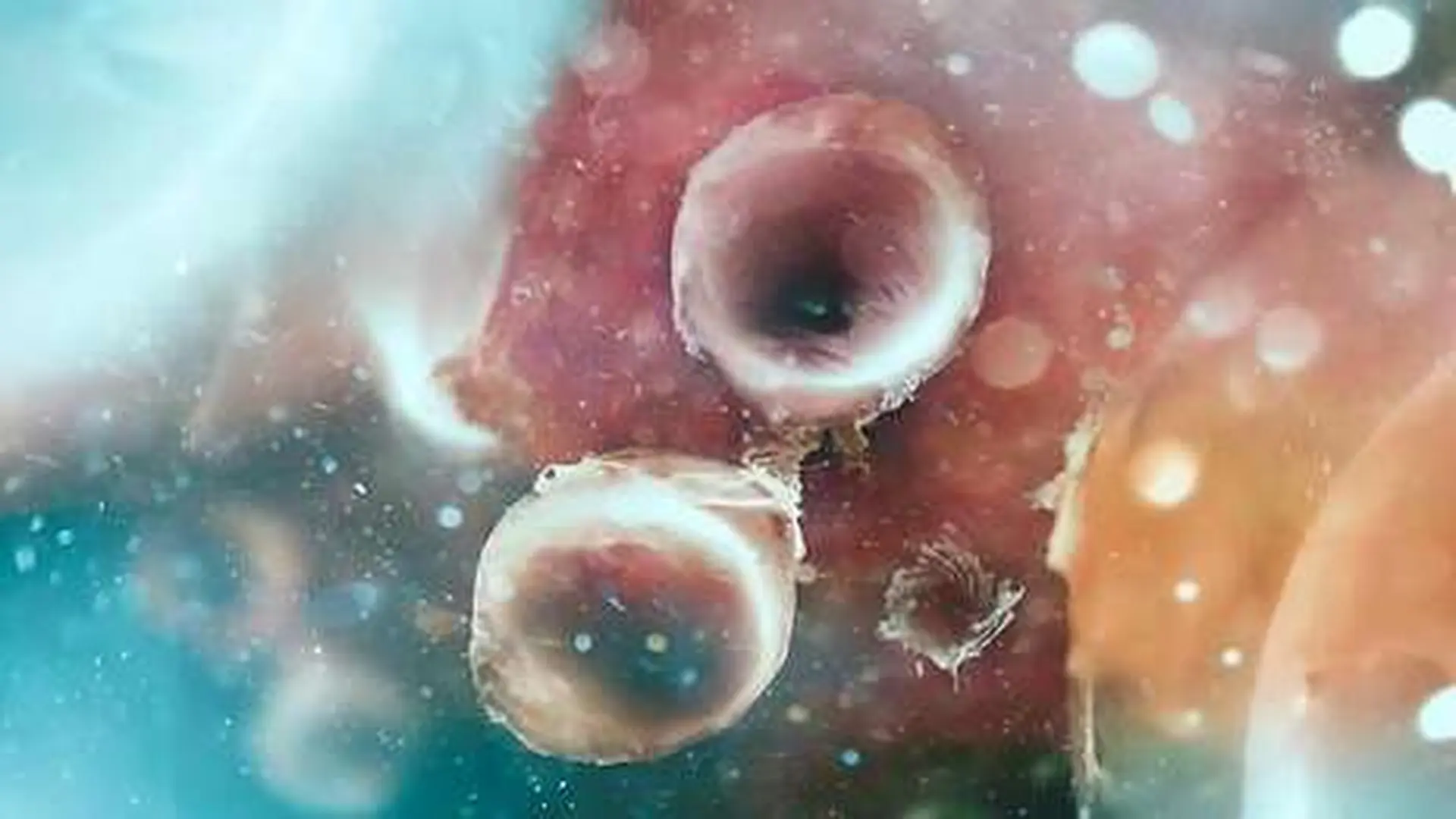
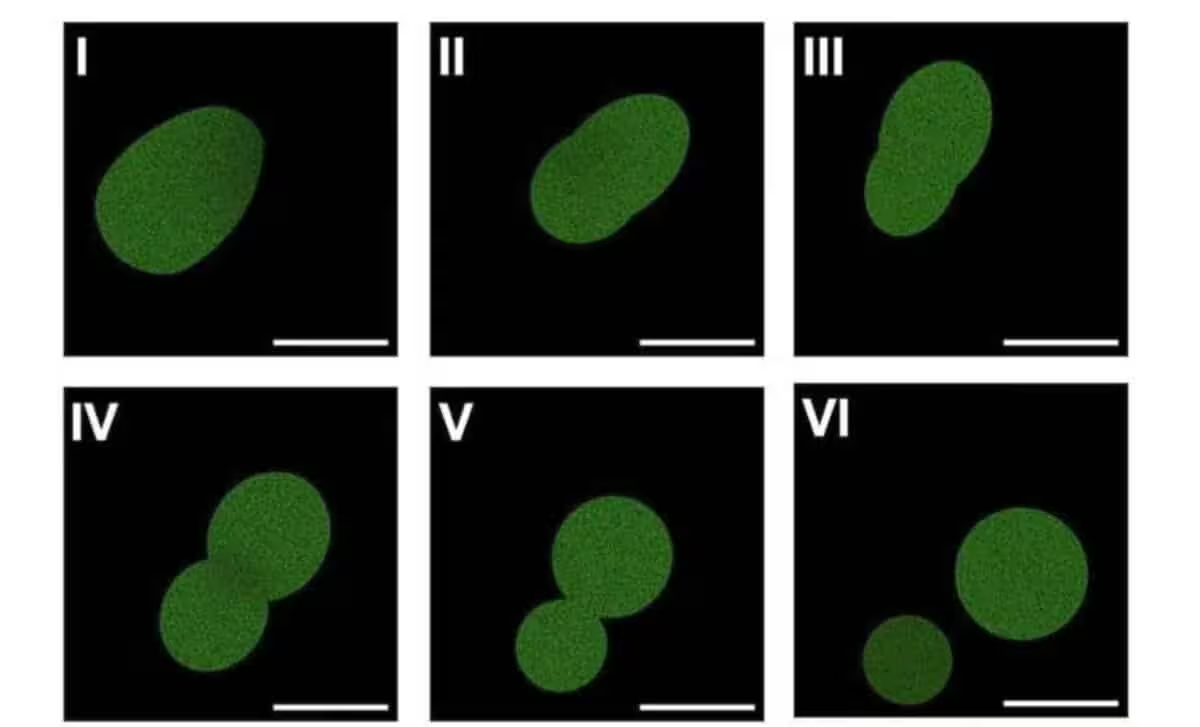
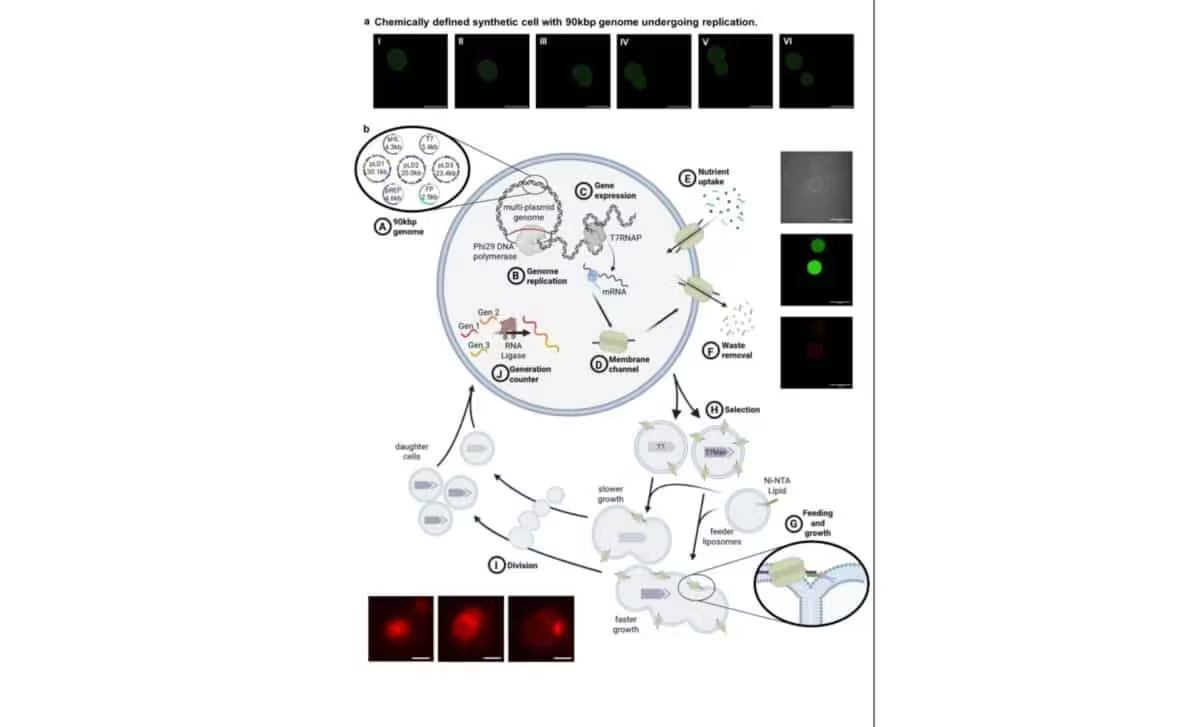
Researchers at the University of Minnesota have announced the creation of a synthetic cell that can complete an entire cell cycle on its own. Dubbed SpudCell, the construct can grow, copy its genome, divide and persist through several generations, marking the first time a fully engineered cell has shown such capabilities.
Designing a Cell from a Defined Molecular Blueprint
SpudCell is assembled from roughly 150 to 200 distinct molecules, a minuscule subset compared with the billions of components found in a natural cell. Lead researcher Kate Adamala, a synthetic biologist at the University of Minnesota, says this reduced complexity makes the system tractable. She explained to CNN that every ingredient, from the chemicals to their exact concentrations, is known, allowing precise engineering of the cell’s behavior.
In a public statement, Adamala noted that the work translates a biological process into a purely chemical one, demonstrating that core life functions such as growth and replication can be achieved without invoking any mysterious “life spark.” The findings are described in a preprint manuscript that the team plans to submit for peer‑review.
Performance Limits and Ongoing Maintenance
Even with its groundbreaking status, SpudCell operates far slower than typical bacteria. The cell divides roughly every twelve hours, compared with the thirty‑minute cycle of Escherichia coli, according to CNN. It also depends on continuous external feeding and must be kept at a constant 86 °F because it cannot synthesize its own proteins. Over the course of the experiments, the researchers observed about five successive generations before the culture required fresh nutrients.
Adamala describes the system as a “chassis” that provides a foundation for future refinements. The team hopes that by understanding how this minimal set of components functions, they can engineer more autonomous synthetic cells.
Is This New Entity Truly Living?
The breakthrough has sparked renewed discussion about the definition of life. Drew Endy, an associate professor of bioengineering at Stanford University and co‑founder of a public‑benefit organization with Adamala, told CNN that while the team has engineered a cell‑like structure, he hesitates to label it as alive. He added that the work illustrates a pathway for broader accessibility in cell construction.
Conversely, John Glass, a synthetic‑cell expert at the J. Craig Venter Institute who was not involved in the study, told the New York Times that the team’s non‑living synthetic cell represents a significant step toward genuine synthetic life, surpassing previous attempts from the bottom‑up field.
Regardless of the semantic debate, many scientists agree that the platform could eventually be programmed for practical uses, ranging from cancer therapies to carbon capture, as engineered biology continues to evolve.
This article has been fact checked for accuracy, with information verified against reputable sources. Learn more about us and our editorial process.
Last reviewed on .
Article history
- Latest version
Reference(s)
- Hunt, Katie. “Scientists say they have built a cell from scratch for the first time.”, July 1, 2026 CNN <https://edition.cnn.com/2026/07/01/science/synthetic-cell-research>.
- “Spudcell Manuscript.” <https://biotic.org/research/spudcell/spudcell-manuscript.pdf>.
- <https://www.nytimes.com/2026/07/01/science/spud-cell-what-to-know.html>.
Cite this page:
- Posted by Bilal Abbasi