Molecular Time Capsule: Steroids Found in 113‑Million‑Year‑Old Pterosaur Reveal Diet
A stunning Brazilian fossil uncovers an unexpected discovery dating back over 100 million years, challenging scientists’ assumptions.
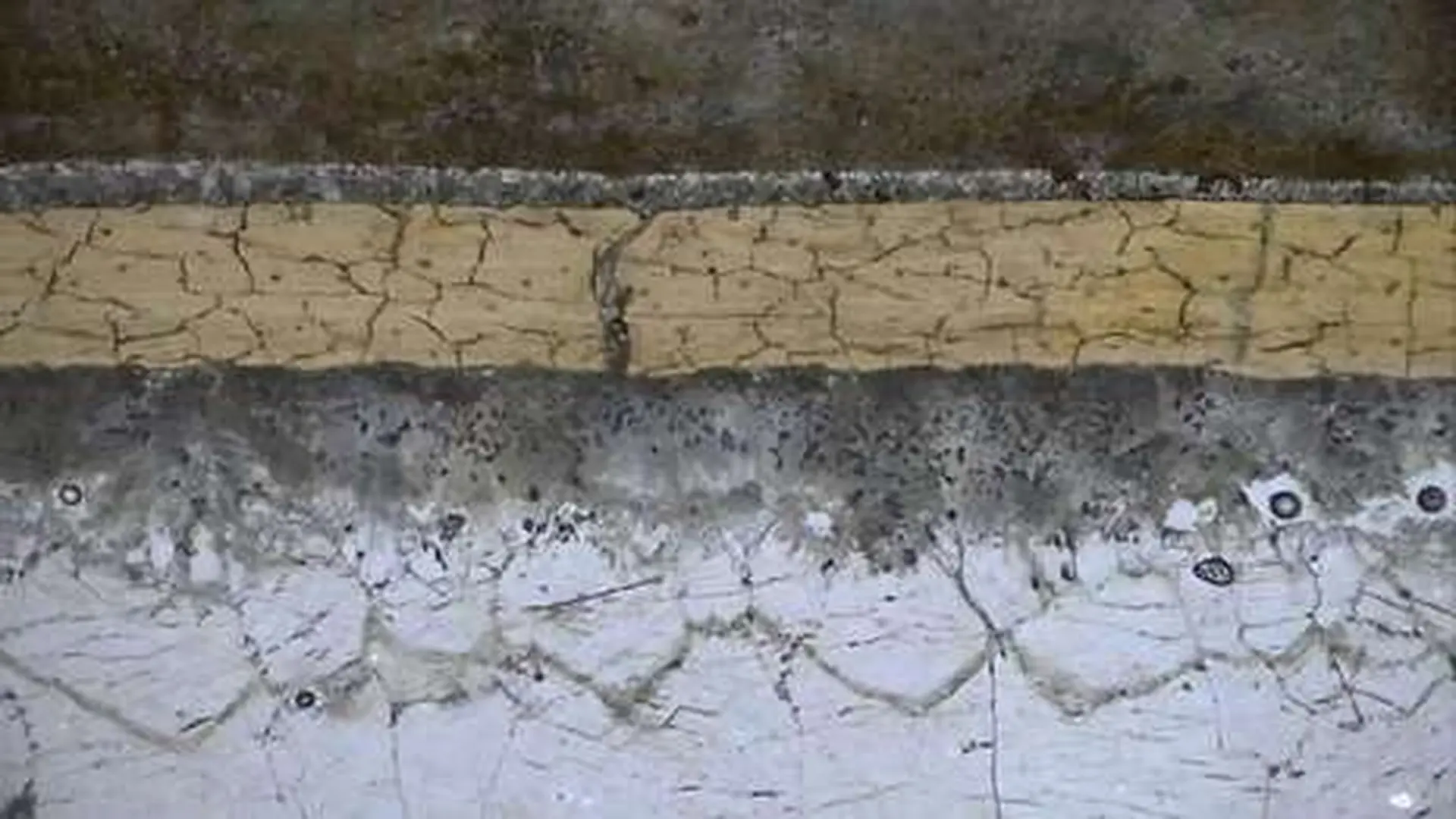
A remarkably intact pterosaur specimen from Brazil’s northeast has provided the inaugural molecular snapshot from these extinct aerial reptiles. Scientists recovered rare steroid compounds that could illuminate the creature’s diet while shedding light on the preservation mechanisms that protected the fossil for 113 million years.
An international research team headed by Curtin University examined a fossilized wing bone that stood out for its three‑dimensional fidelity. Their analysis uncovered chemical residues that survived from the Early Cretaceous, marking the first detection of molecules in a pterosaur fossil.
The findings, published in iScience, also challenge a long‑standing view of fossilization. Rather than oxygen acting solely as a destructive agent, the investigators present evidence that oxidative microbial processes may have aided the preservation of both the bone’s architecture and its molecular signatures.
Steroid Traces Hint at Fish‑Based Feeding
Researchers identified preserved steroids, an exceptionally scarce occurrence in fossils of this age. Curtin University described the result as the first molecular evidence ever recovered from a pterosaur (source).
Lead author Professor Kliti Grice, John Curtin Distinguished Professor and founder of the Western Australian Organic and Isotope Geochemistry Centre, called the specimen “a true time capsule.”
“This fossil is a true time capsule, not only is it beautifully preserved, but for the first time we’ve detected traces of steroids in a pterosaur, providing further evidence that these creatures likely fed on fish or squid,” Professor Grice said.
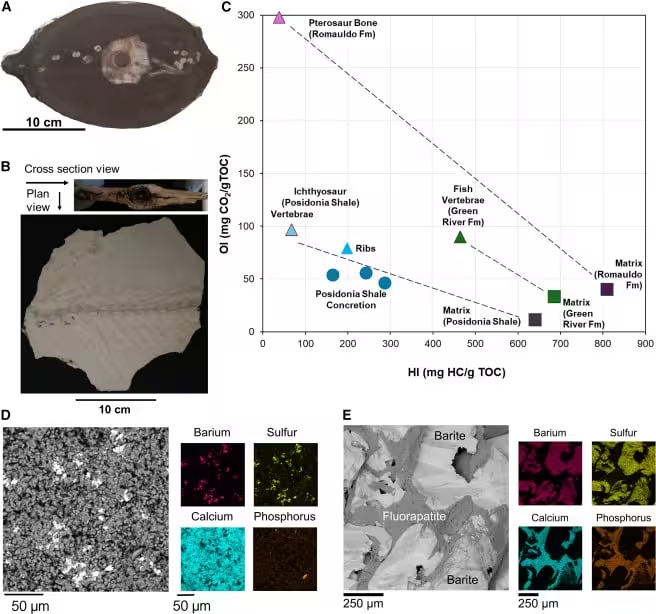
The study underscores the growing relevance of molecular paleontology. By retaining chemical compounds alongside fossilized bone, the specimen offers a complementary avenue for probing extinct organisms and the habitats they inhabited.
Microbial Action May Have Locked In the Fossil
This gradual mineral coating sealed the skeleton and preserved its morphology in exceptional clarity. The researchers argue that these results overturn the prevailing notion that oxygen primarily erodes organic material during fossilization.
“Rather than being destroyed by oxygen, some fossils are preserved because of it, through oxidative processes carried out by ancient microbiomes,” he noted.
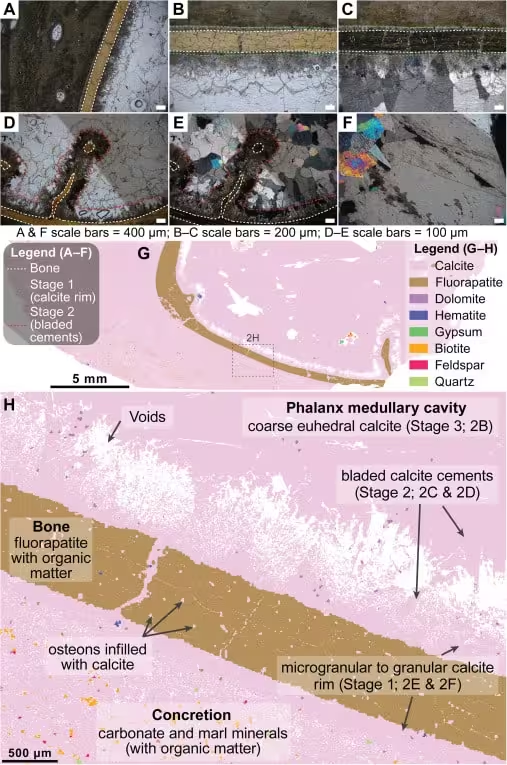
Together, microbial metabolism, local geochemistry, and the surrounding marine setting appear to have acted in concert to conserve both the structural and chemical integrity of the fossil.
Implications for Understanding Pterosaur Preservation
Pterosaurs were the earliest vertebrates to achieve powered flight, coexisting with dinosaurs. Some species boasted wingspans of up to 12 meters, and their hollow bones—resembling those of modern birds—may increase the likelihood of exceptional preservation when conditions are favorable.
The newly identified preservation pathway could help explain similar finds at other locations. Professor Grice emphasized that the results add to mounting evidence that microorganisms played a pivotal role in the survival of ancient remains.
The authors propose that this mechanism may represent a global Lagerstätten process, describing the special circumstances that enable unusually well‑preserved fossils to form.
This article has been fact checked for accuracy, with information verified against reputable sources. Learn more about us and our editorial process.
Last reviewed on .
Article history
- Latest version
Cite this page:
- Posted by Bilal Abbasi