Gold-Laden Dutch Ship From 1633 Identified Off Devon After 30 Years
Divers recovered hundreds of gold coins from an English wreck; newly uncovered London legal records finally reveal the ship’s name, cargo and doomed voyage.
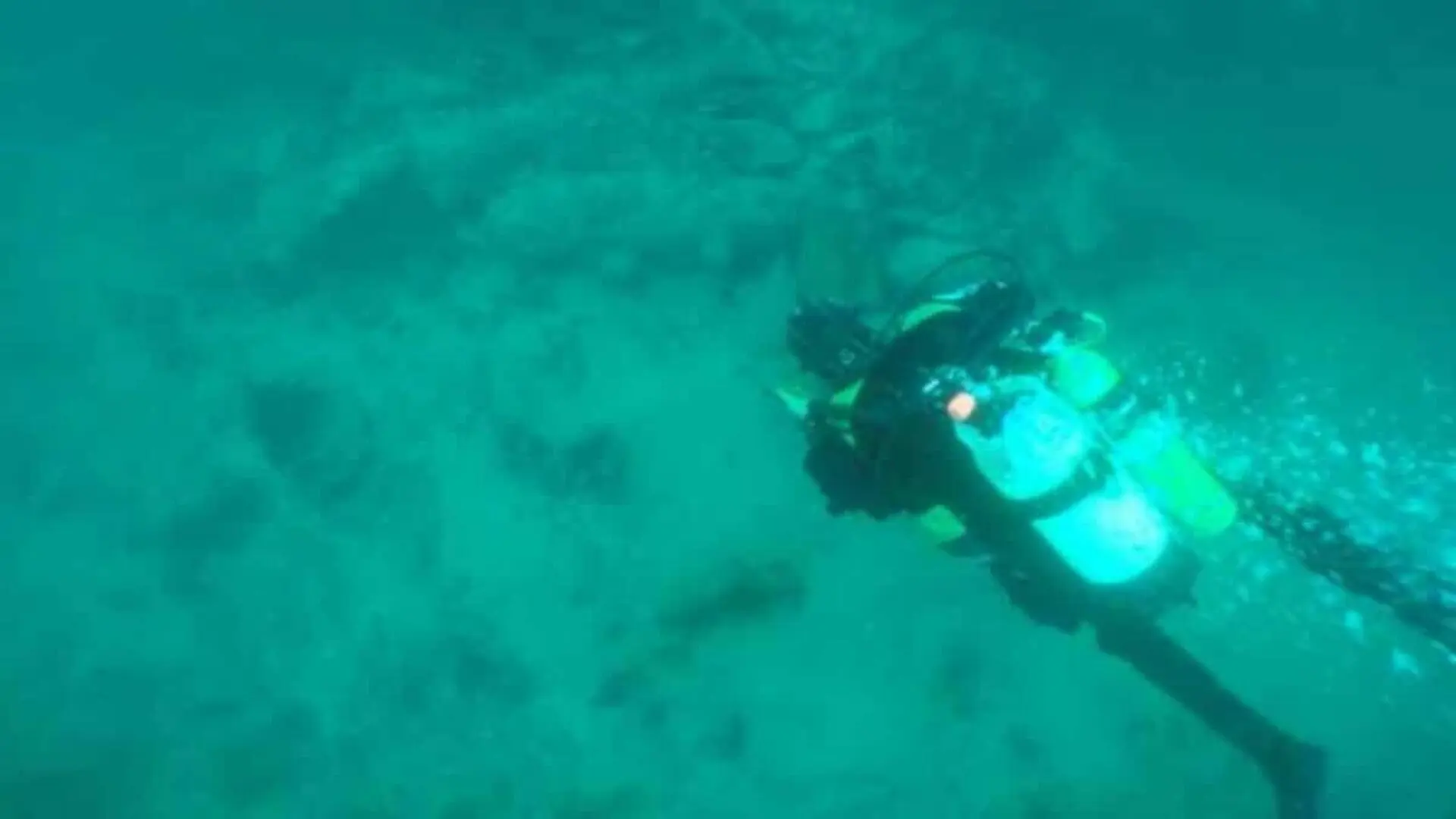
Thirty years after a glint of gold first caught a diver’s eye on the sands of Devon’s coastline, the mystery of the submerged wreck has finally been solved. The site, located off Salcombe Bay, yielded a trove of bullion, ingots and personal effects, but the ship’s name and origin remained elusive—until now.
Archaeologists have confirmed that the wreck is the Dutch merchant vessel Dom van Keulen, which sank in December 1633 while en route from Morocco to Amsterdam with a cargo of gold and trade goods. The discovery bridges a gap between the material recovered on the seabed and the scant documentary record of the period.
Gold Hoard Unearthed Near Salcombe Bay
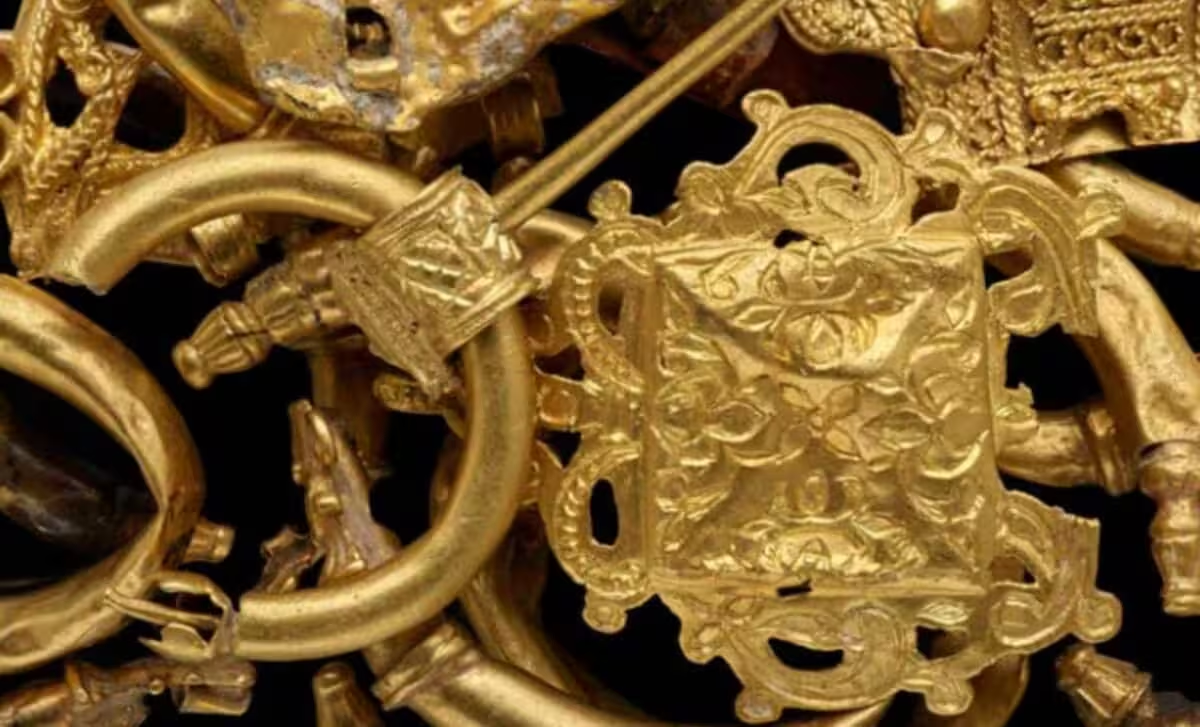
The story began when diver Ron Howell reported a handful of gold he recovered from the bay’s floor to Britain’s Receiver of Wreck. Subsequent dives recovered more than 400 gold coins, several ingots, pieces of jewelry and fragments of a working ship. According to David Parham, a professor of maritime archaeology at Bournemouth University who directed the identification, the metal objects represent a deliberate bullion shipment rather than stray personal items.
The wreck spreads across roughly 98 feet of seabed at a depth of about 59 feet, and scattered among the treasure are cannons and anchors that hint at the vessel’s size. With no surviving paintings or sketches, early speculation ranged from a Barbary corsair to an English merchant ship, but the physical evidence now points elsewhere.
London Archive Documents Reveal Ship’s Identity
The decisive clue emerged not from the ocean floor but from a dusty reading room in west London. Independent historian Ian Friel combed through admiralty records at Kew and uncovered a report of a vessel lost in December 1633 after departing Safi, Morocco, and never reaching its destination.
One merchant’s statement listed the cargo in precise terms: around 9 000 gold coins, then known as Barbarye ducketts, along with bags of gum arabic, animal skins and other commodities. The description matches the artifacts recovered from the Salcombe site, and the most recent coin among them was minted in 1632, confirming the ship could not have sunk before that year.
The full manifest illustrates the breadth of early‑modern commerce: the ship left Morocco with 150 bags of gum arabic, 64 bags of saltpeter, 320 goatskins and roughly 9 000 Barbary ducats minted from West African gold under the Sa’dian dynasty. Most of that cargo was retrieved by the crew soon after the ship went down, as they knew the exact wreck location. The coins that remain—over 400 in number—are the portion that could not be salvaged and now reside in the British Museum.
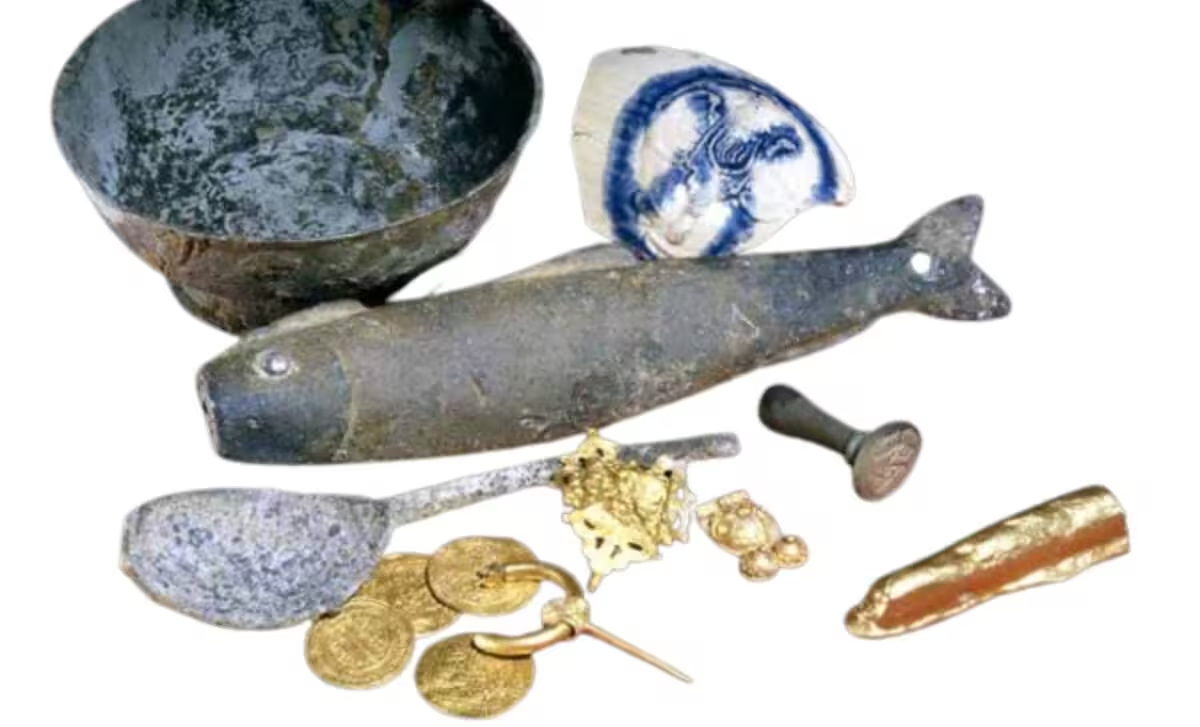
Everyday objects recovered alongside the treasure include a pewter bowl and spoon, fragments of pottery, a merchant’s seal, a lead sounding weight used to gauge water depth, and resin‑coated pills that provide a rare glimpse into 17th‑century shipboard medicine. Several pieces of Moroccan gold jewelry were also among the finds. When the vessel began taking on water, the crew dropped anchor a quarter of a mile from shore, transferred to the ship’s boat and rowed safely to land, with all hands surviving.
Scholars now regard the assemblage as the largest securely dated collection of Sa’dian gold coins ever recovered, offering a fixed reference point for comparative studies of contemporary coinage. As Parham notes, the hoard deepens understanding of Sa’dian wealth and the maritime routes that linked Morocco, the Low Countries and Britain. The wreck remains protected under British heritage legislation, and ongoing monitoring aims to preserve what still lies beneath the waves. The identification of the Dom van Keulen was detailed in the British Museum Technical Research Bulletin.
This article has been fact checked for accuracy, with information verified against reputable sources. Learn more about us and our editorial process.
Last reviewed on .
Article history
- Latest version
Reference(s)
- “Professor Dave Parham - Bournemouth University Staff Profile Pages.” <https://staffprofiles.bournemouth.ac.uk/display/dparham>.
- “Dr Ian Friel FSA.” National Historic Ships <https://www.nationalhistoricships.org.uk/ship-shape/company/dr-ian-friel-fsa>.
Cite this page:
- Posted by Vikram Desai