LiDAR Finds Intact Maya City Minanbé Hidden for Over 1,000 Years in Mexican Jungle
Archaeologists uncover a hidden ancient city in Mexico’s jungle, revealing surprising findings that even the discoverers didn’t expect.
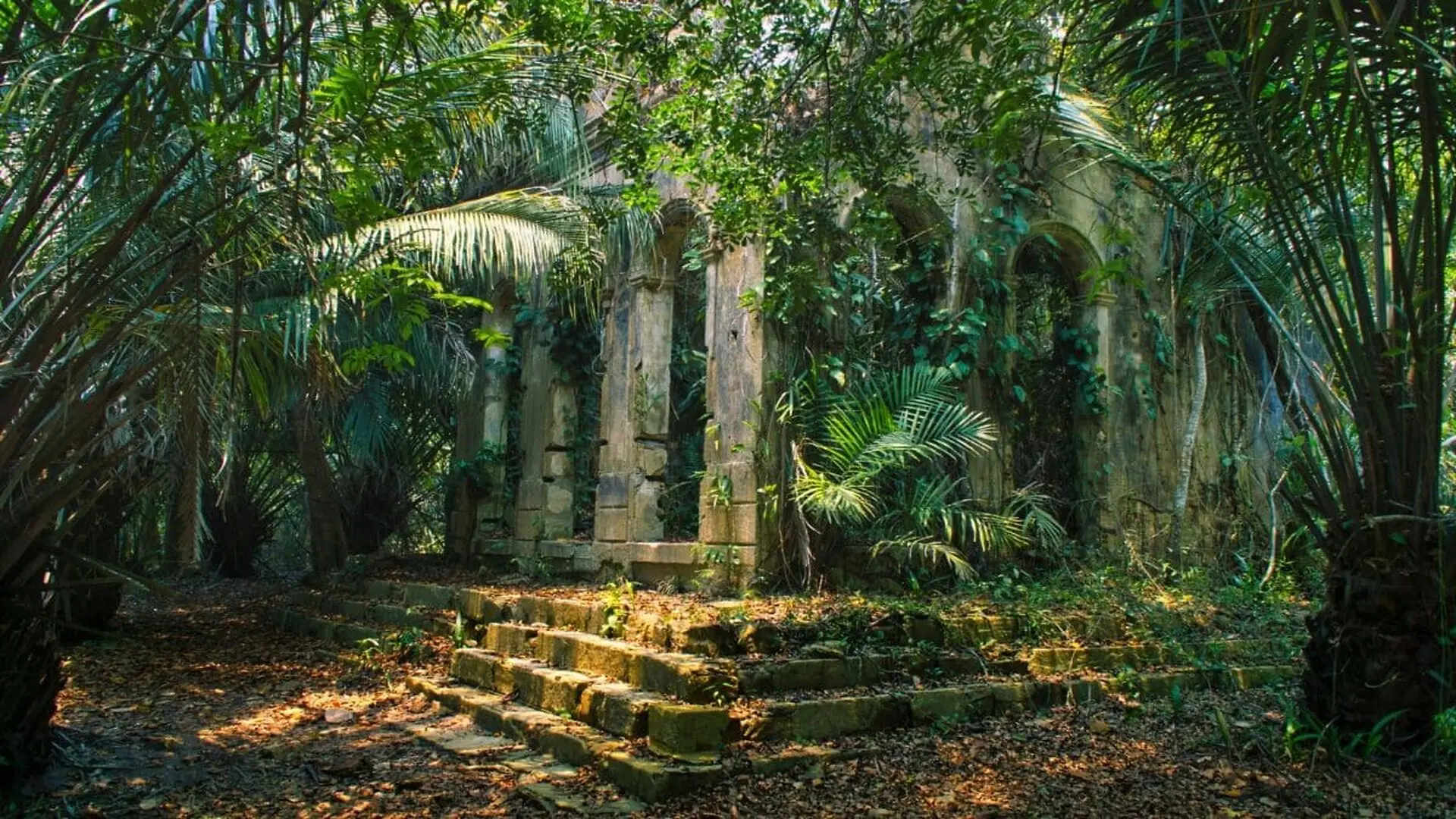
A team of archaeologists has revealed a previously unknown Maya metropolis hidden inside Mexico’s Calakmul Biosphere Reserve. The settlement, called Minanbé, appears remarkably intact after more than a millennium of jungle cover.
The find was achieved by a binational research group led by Ivan Šprajc of the Slovenian Academy of Sciences and Arts, working alongside Mexican specialists. The site lies in a secluded sector of Campeche, where thick vegetation and the lack of logging roads have kept modern activity at bay.
The discovery caps nearly three decades of systematic exploration across the Central Maya Lowlands, during which scholars have merged airborne LiDAR mapping with on‑the‑ground surveys after securing permission from Mexico’s National Institute of Anthropology and History (INAH).
Laser Scanning Exposes a Jungle‑Enclosed City
Researchers targeted an area west of Chactún, a major Maya hub first mapped by Šprajc’s team in 2013. LiDAR data highlighted a series of structures concealed beneath the canopy, prompting a field expedition that required carving a five‑kilometer trail through dense forest before advancing on all‑terrain vehicles and on foot. On arrival, the team measured the urban footprint at roughly 15 hectares.
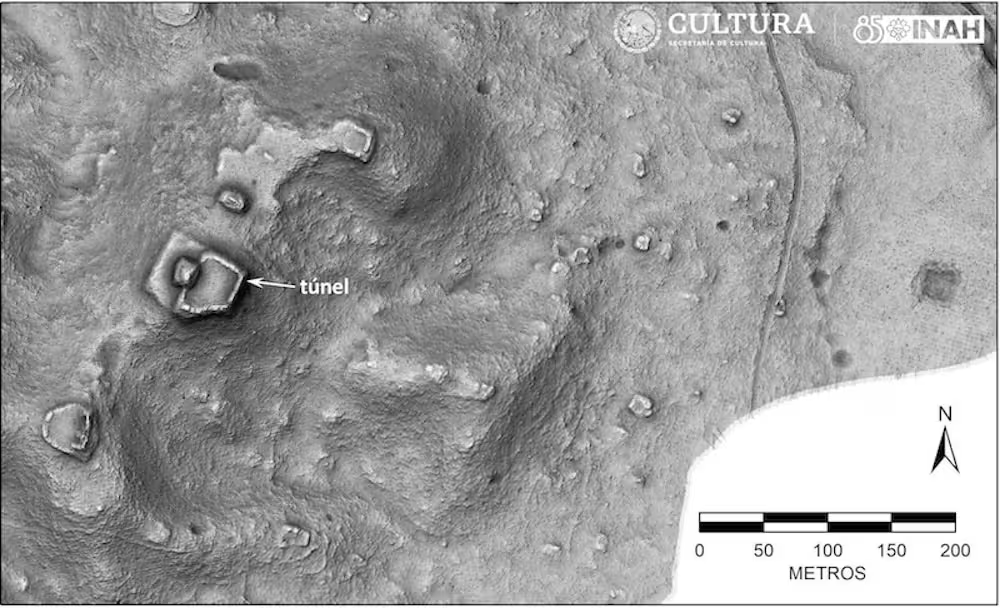
The aerial survey uncovered plazas, ceremonial complexes, palace‑like residences, terraces and an elaborate water‑management network of wetlands and channels. The name Minanbé translates to “there is no path” in Yucatec Maya, a reference to its isolated setting. Šprajc noted the pristine condition of the site.
“Compared with other places where we have conducted surveys, access here was much more difficult. However, in the last three years, this is the first site we have found completely intact, with no signs of looting. It was a major surprise.”
Monumental Architecture Illuminates a Lost Chapter
According to a statement from Mexico’s National Institute of Anthropology and History, one of the most striking features is a pyramidal temple that rises more than 13 meters above the surrounding terrain. Archaeologist Vitan Vujanović highlighted the building’s Río Bec characteristics, such as finely cut stone, decorative façade panels, steep stairways and upper mouldings.
“This is the first time I have recorded a temple that is relatively well-preserved and still associated with a stela bearing glyphs.”
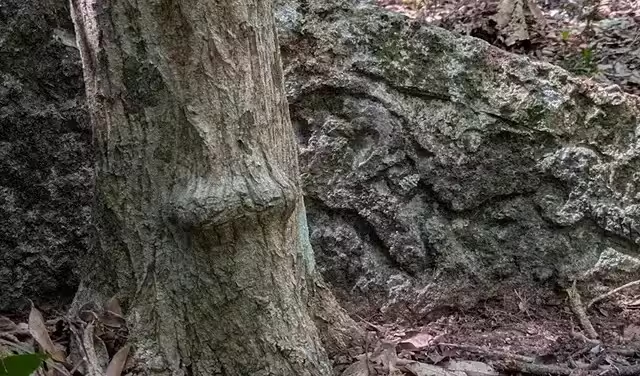
In total, the team recorded 14 monuments, including stelae and altars adorned with hieroglyphic text and carved motifs. One notable piece, Stela 1, depicts a figure brandishing a blade or axe over a captive in a decapitation scene. To capture fine details, researchers generated three‑dimensional models through photogrammetry, enabling epigraphist Octavio Esparza Olguín to study the heavily weathered inscriptions.
Inscriptions Reveal Dates and Cultural Connections
An inscription on Stela 1 records the date 5 Ajaw, corresponding to AD 849. This places the monument’s erection in the Terminal Classic era, shortly before many Maya centers were abandoned in the tenth century.
The excavation also uncovered several circular altars and a rectangular altar that appear to have been deliberately modified in antiquity. Another feature, identified as Monument 6, portrays a ruler wearing an elaborate feathered headdress and ceremonial regalia alongside hieroglyphic cartouches.
Esparza Olguín identified a fragment of a Long Count date on Monument 6 that may date to the late seventh century AD, potentially making it the oldest dated monument recorded in the surrounding region.
The investigators are also probing whether groups from the northern Yucatán Peninsula migrated into the area during the Terminal Classic period, potentially influencing the political shifts that followed the city’s decline.
“Each new site helps us better understand the complexity of Maya civilisation,” he said. “At the same time, it opens new questions that will require further research to answer,” said Šprajc.
This article has been fact checked for accuracy, with information verified against reputable sources. Learn more about us and our editorial process.
Last reviewed on .
Article history
- Latest version
Reference(s)
- “Área inexplorada brinda claves sobre el desplazamiento humano en las Tierras Bajas Mayas centrales.”, June 24, 2024 <https://www.inah.gob.mx/boletines/area-inexplorada-brinda-claves-sobre-el-desplazamiento-humano-en-las-tierras-bajas-mayas-centrales>.
- <https://unam.academia.edu/OctavioEsparzaOlgu%C3%ADn>.
Cite this page:
- Posted by Vikram Desai