Massive Viking Textile Factory Discovered Under Danish Field, Upending Norse Trade
Archaeologists in Denmark unearth a massive Viking settlement that reshapes our view of the era, revealing a surprisingly organized, powerful civilization.
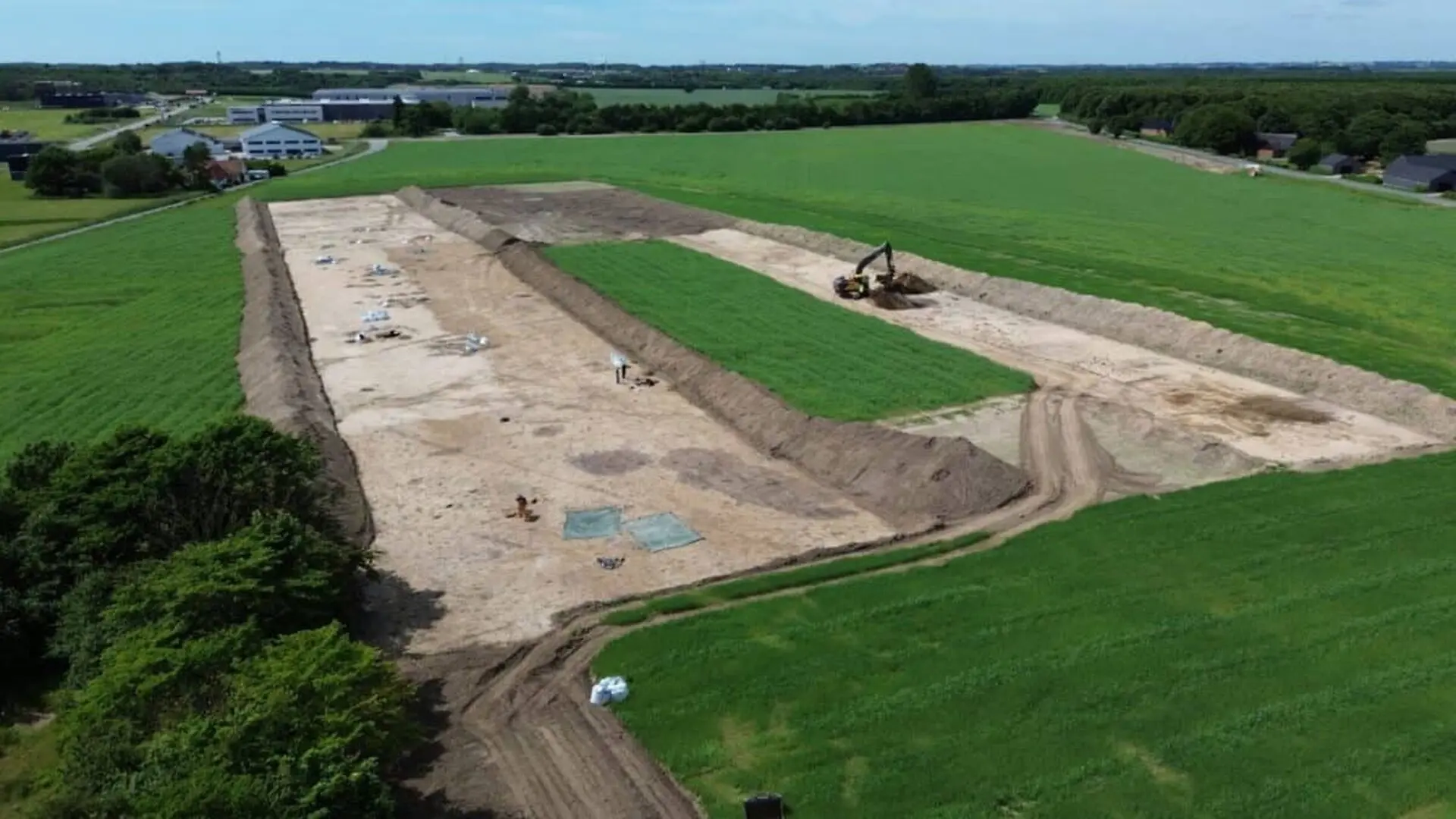
A team of archaeologists has identified a massive production centre from the Viking Age in Denmark, covering more than 100,000 square metres. The scale of the find suggests a sophisticated, centrally coordinated economy that challenges traditional views of Norse societies.
The complex lies near the village of Søften, about ten kilometres north of Aarhus on the Jutland peninsula, and dates to the period between AD 600 and 950, straddling the late Iron Age and the early Viking era. The excavation, led by specialists from the Moesgaard Museum over ten months, revealed a site unlike any previously recorded for this time‑frame in the region.
Industrial Hub Beneath the Fields
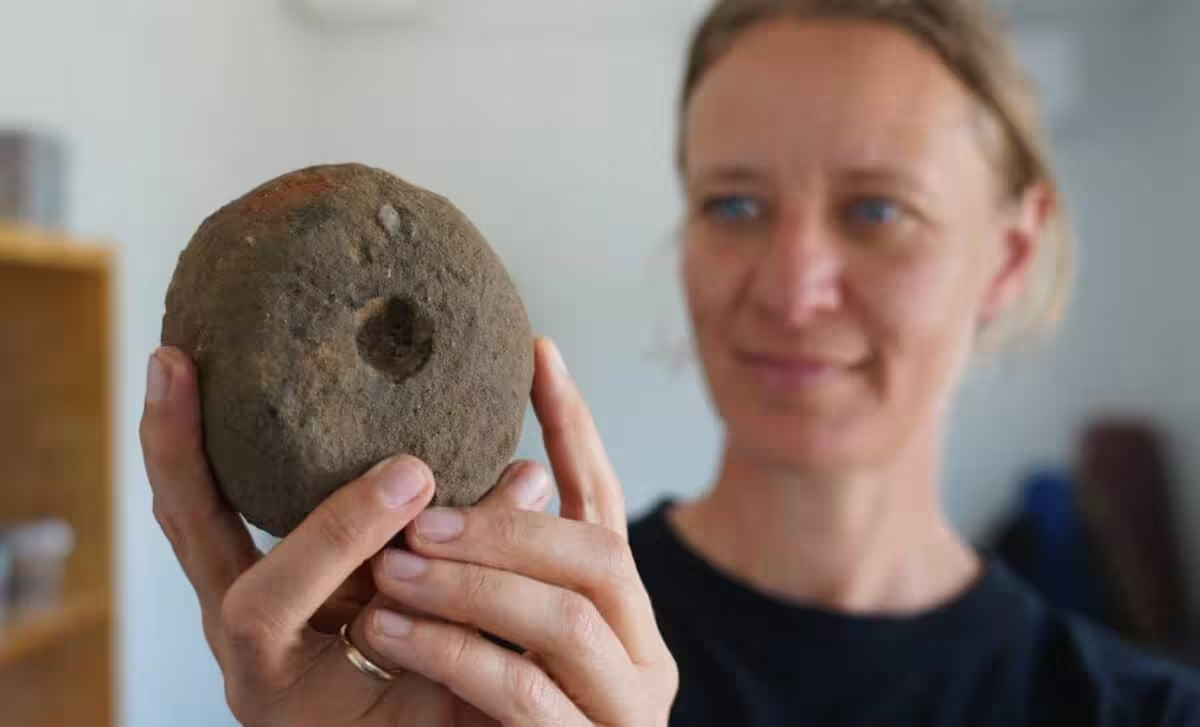
Excavators uncovered more than 80 pit houses – semi‑submerged structures that served as both workshops and dwellings. The area also contained a dedicated flax‑processing zone, along with spindle whorls, weight looms, silver coins, glass beads and pottery, together illustrating a sustained, specialised manufacturing operation.
The dig was overseen by archaeologist Liv Stidsing Reher‑Langberg, who told the Associated Press that “we have a clear focus on textile production, which makes this settlement different from other kinds of settlements of this period.”

The layout—separate production zones, craft areas and a single residential building—points to a hierarchy in which a powerful individual or group managed both incoming raw materials and outgoing finished goods.
The site’s visibility grew gradually. For three decades, amateur metal‑detectorists had recovered silver coins from fields around Søften, prompting an 18‑month trial excavation ahead of a planned road and industrial development. The initial trenches uncovered enough evidence to merit a full‑scale investigation.
Connecting to a Regional Viking Economy
Søften is not an isolated phenomenon. Only four kilometres away, archaeologists uncovered a separate Viking settlement at Lisbjerg last year that is believed to have housed elite members of society. During the same era, the nearby town of Aarhus—then called Aros—functioned as a key centre of royal authority and international trade.
Historian Kasper Andersen of the Moesgaard Museum described the new find as “another piece in the puzzle” for understanding the period’s economic, cultural and political dynamics. He argues that raw materials and finished products likely moved from rural sites like Søften to urban hubs, then onto trade routes that spanned Europe and beyond.
“When you have a production site of this scale,” Andersen said, “it cannot be only because of the local area. It needs to be understood as part of a greater network, a much bigger international perspective.”
During the Viking Age (AD 793‑1066), Norse seafarers operated a vast network that linked Western European coasts, Byzantine markets and, eventually, settlements in North America. Findings such as Søften help correct the popular image of Vikings as merely raiders, highlighting instead the sophisticated social and economic structures that supported their expansion.
“To have a place like Søften, you need a very well‑organized society with a production line, and you also need a market to have the production,” Andersen added.
Reher‑Langberg anticipates that further analyses—particularly carbon dating and pollen studies—will identify the specific types of textiles produced and may reveal the destinations of the finished goods.
This article has been fact checked for accuracy, with information verified against reputable sources. Learn more about us and our editorial process.
Last reviewed on .
Article history
- Latest version
Cite this page:
- Posted by Vikram Desai