400 Moroccan Gold Coins Unearthed Off England Reveal 17th Century Trade Secrets
A 1633 Dutch trading ship, the Dom van Keulen, finally identified off Devon after 30 years of research, thanks to 400 gold coins recovered from the wreck.
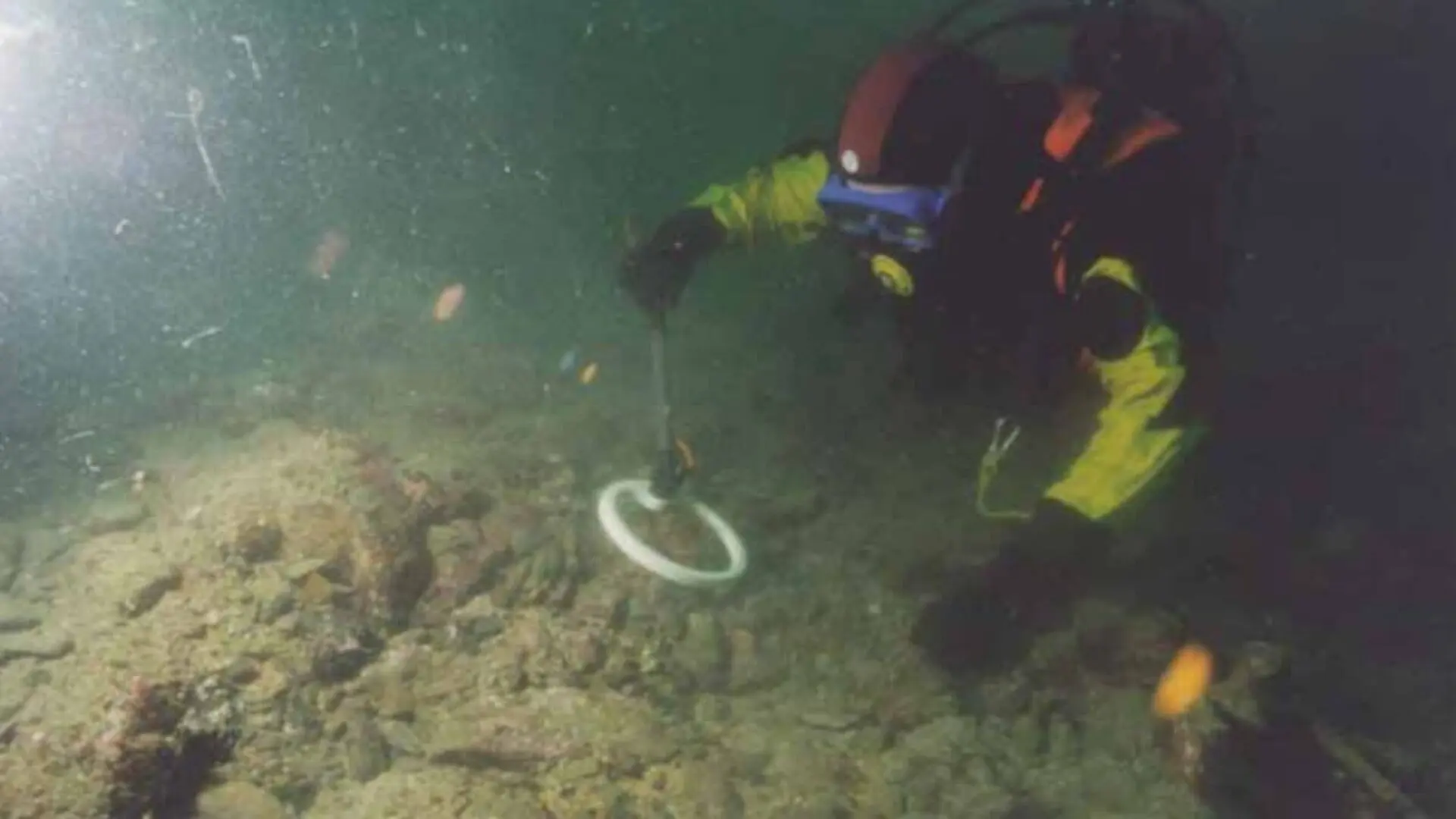
A recently released monograph titled From Morocco to the Coast of England: The Story of the Dom van Keulen and its Remarkable Cargo, produced jointly by the British Museum, Bournemouth University and the South West Maritime Archaeology Group, combines archival documents, underwater investigation and art‑historical analysis to map the final leg of a 17th‑century merchant vessel and embed it in the wider narrative of early modern trade.
Storm‑Tossed Voyage and the Treasure It Lost
Setting sail from Morocco bound for the Dutch Republic, the Dom van Keulen was laden with a diverse consignment: roughly 150 sacks of gum arabic, 64 bags of saltpetre, 320 goat hides, and an estimated 9,000 Barbary ducats – gold coins minted on the Barbary Coast, today’s Morocco.
According to independent historian Ian Friel, who pinpointed the wreck through National Archives records, the ship encountered violent gales as it neared home waters, developed a serious leak and ultimately foundered close to Salcombe, about 30 miles southwest of Plymouth. All crew members were rescued, however.
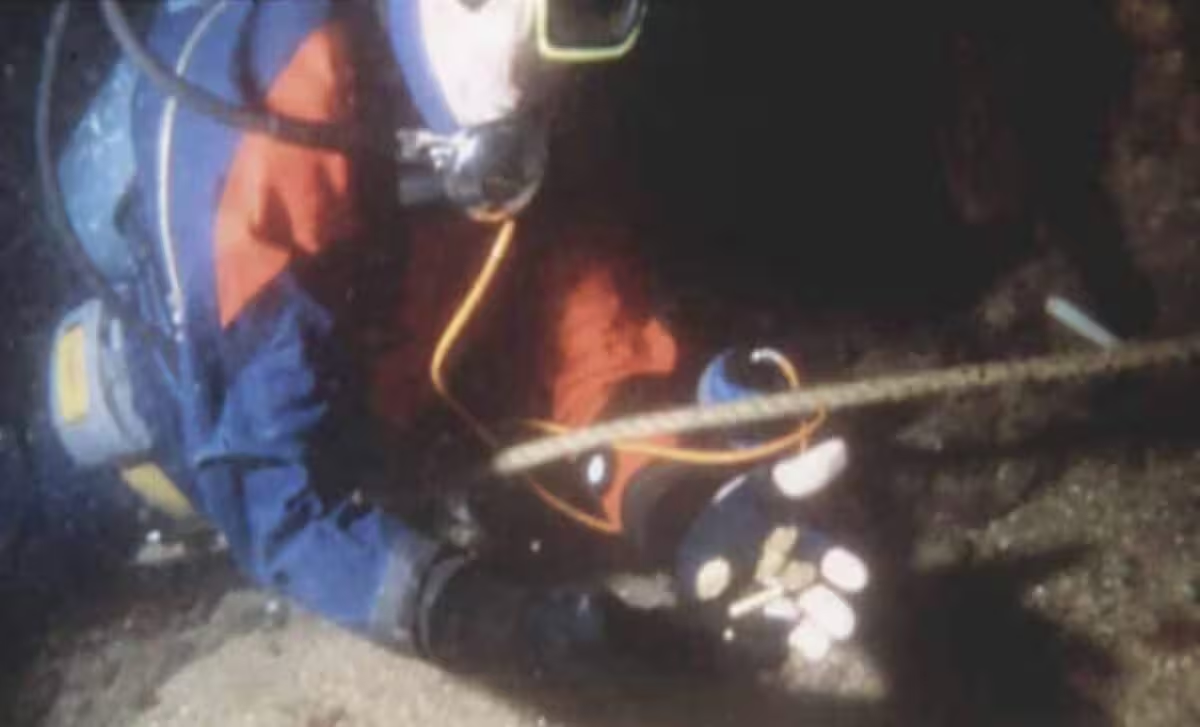
While most of the merchandise was salvaged soon after the disaster, more than four hundred ducats remained on the seabed, untouched for over 350 years. When divers from the South West Maritime Archaeology Group recovered the coins in 1995, the find – a cache of African gold lying silent beneath the English Channel – was striking, yet the vessel’s identity remained a mystery.
Coins as a Lens on Early Global Commerce
Dave Parham, professor of maritime archaeology at Bournemouth University and one of the book’s editors, explains that the ducats provide a tangible link to a trade network that once stretched from West Africa to the Low Countries and beyond.
In the 16th and 17th centuries Dutch traders regularly exchanged manufactured wares with the Sa’dian Sharifs – the Arab dynasty that ruled Morocco from 1549 to 1659 – receiving pure West African gold in return. The Netherlands then melted much of that bullion to mint its own coins, which circulated widely enough to become a trusted medium of exchange across Europe. (see related story)
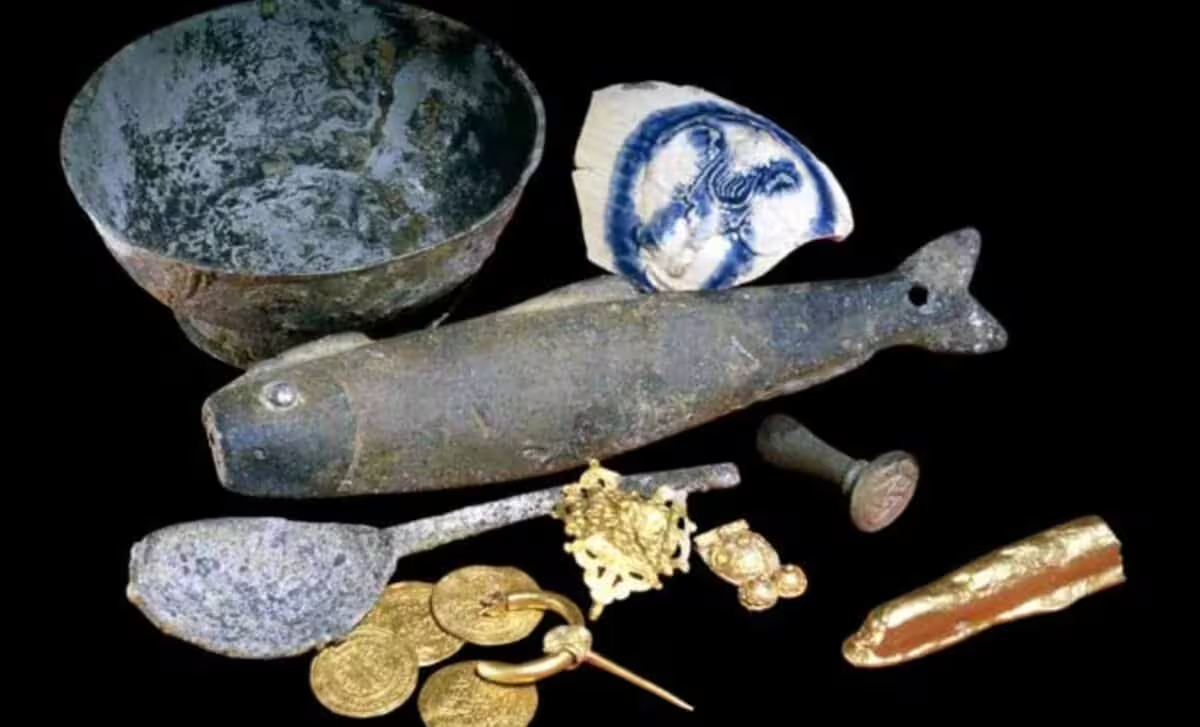
What sets the Dom van Keulen apart is that a portion of its original load survived intact beneath the waves long enough for modern scholars to examine. Alongside the ducats, divers retrieved a pewter bowl and spoon, gold jewellery, a fish‑shaped sounding weight, a merchant’s seal and ceramic fragments – all now conserved in the British Museum.
Jeremy D. Hill, head of research at the British Museum, says the 1995 discovery immediately raised the puzzling question of why African gold was resting off Devon. He adds that answering it required a multidisciplinary team working over many years.
The wreck lies at roughly 18 metres depth and still contains cannons, anchors and other cargo remnants. It is protected under the Protection of Wrecks Act 1973 and overseen by Historic England, with diving permitted only through licensed permits. The full study is available in open‑access format online, while printed copies can be ordered from the museum shop.
This article has been fact checked for accuracy, with information verified against reputable sources. Learn more about us and our editorial process.
Last reviewed on .
Article history
- Latest version
Reference(s)
- “Protection of Wrecks Act 1973.”, July 1, 1999 <https://www.legislation.gov.uk/ukpga/1973/33>.
- <https://britishmuseum.iro.bl.uk/concern/books/71a3cec9-80d9-4416-9261-56b9656cbf2b>.
Cite this page:
- Posted by Vikram Desai