Brazil Sinks Former French Aircraft Carrier Laden With Toxic Waste After Failed Turkey Transfer
Brazil decides to sink the decommissioned French aircraft carrier, ending months of limbo as the toxic‑laden warship is consigned to the Atlantic deep.
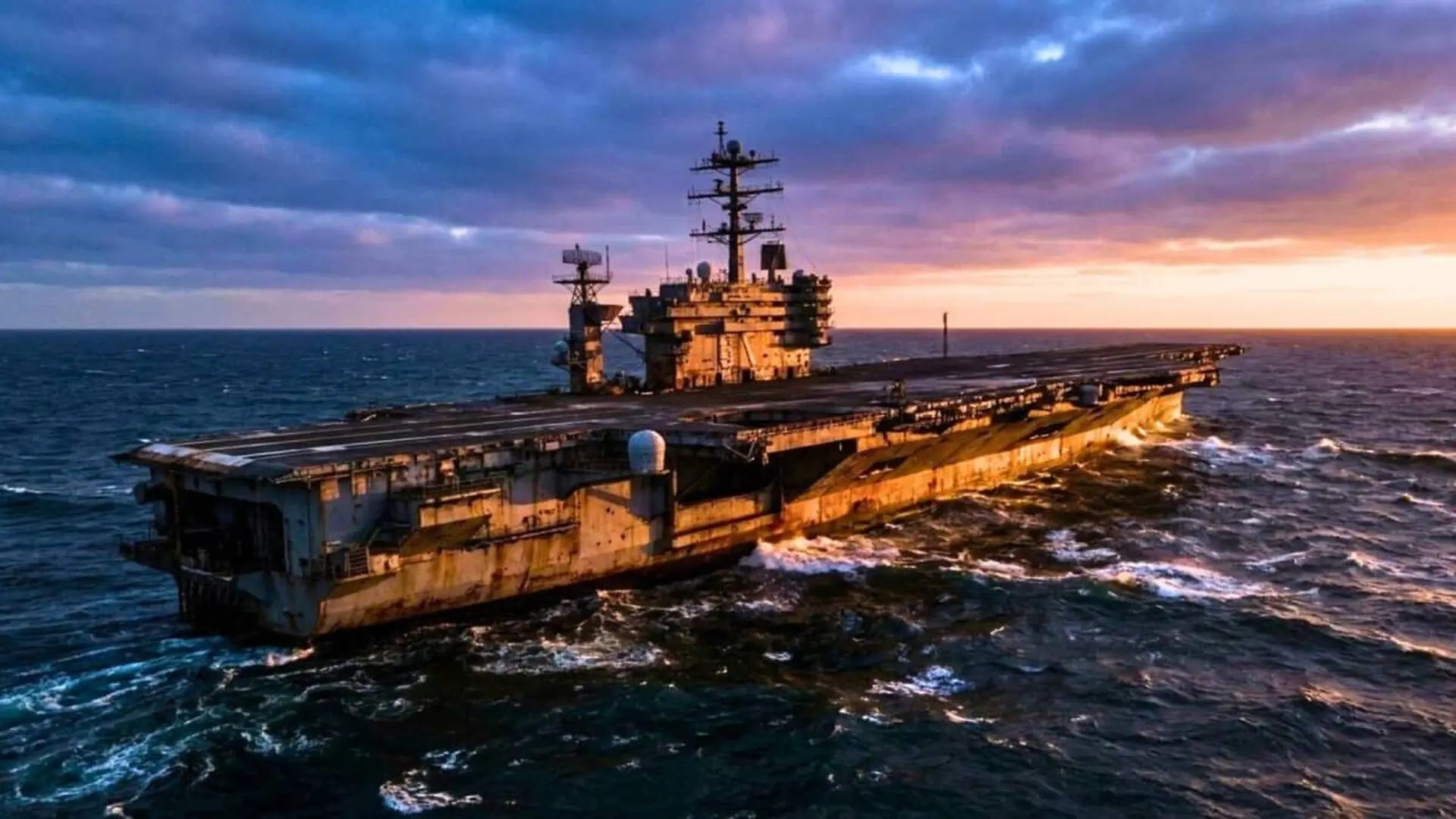
After a prolonged period of limbo, the former French aircraft carrier—later sold to Brazil—spent months adrift as authorities grappled with legal and ecological hurdles. Turkey refused to receive it for dismantling, while Brazil barred its entry into domestic ports, leaving the aging hull to take on water and become a floating environmental risk.
Originally commissioned as the Foch, the vessel served the French Navy for decades before being transferred to Brazil and renamed São Paulo. By early 2023 the ship was no longer operational; its deteriorating structure housed materials that watchdogs identified as asbestos, mercury, lead and other hazardous substances.
In February 2023 the Brazilian Navy carried out a “planned and controlled sinking” of the São Paulo in the Atlantic Ocean, roughly 350 km off Brazil’s coast in water about 5,000 m deep. Reuters reported that officials argued an uncontrolled loss would have posed a greater danger.
Turkey’s Reversal Leaves Carrier Stranded
The São Paulo was slated for a scrap yard in Aliaga, Turkey, after Turkish marine‑recycling firm Sök Denizcilik purchased the hull for about $10.5 million, according to Reuters. The ship departed Rio de Janeiro under tow on 4 August 2022, moving at roughly four knots across the Atlantic, as Le Monde reported.

Turkey later rescinded permission for the carrier to enter its waters, citing potential environmental hazards and occupational safety concerns. The vessel consequently turned back toward Brazil.
Back in Brazil, the environmental regulator Ibama halted the export licence and demanded a fresh risk assessment. A court order also barred the ship from docking or entering a dry dock due to pollution fears, leaving the hull to deteriorate offshore while officials debated viable solutions.
A subsequent inspection revealed that the ship was taking on water and threatened to sink on its own, according to Reuters. Although the Navy explored repair options, the vessel remained prohibited from Brazilian ports, prompting authorities to consider a deliberate sinking as the only practicable outcome.
Environmentalists Oppose the Planned Scuttling
Beyond the hull’s structural decay, the cargo of hazardous materials sparked intense controversy. Reuters noted that the carrier contained nine tonnes of asbestos used in its internal paneling. Greenpeace warned that asbestos, mercury, lead and other toxins could settle on the seabed if the ship sank.
Le Monde identified asbestos, cadmium, lead, mercury and PCBs among the dangerous substances, while emphasizing that precise quantities remained disputed.
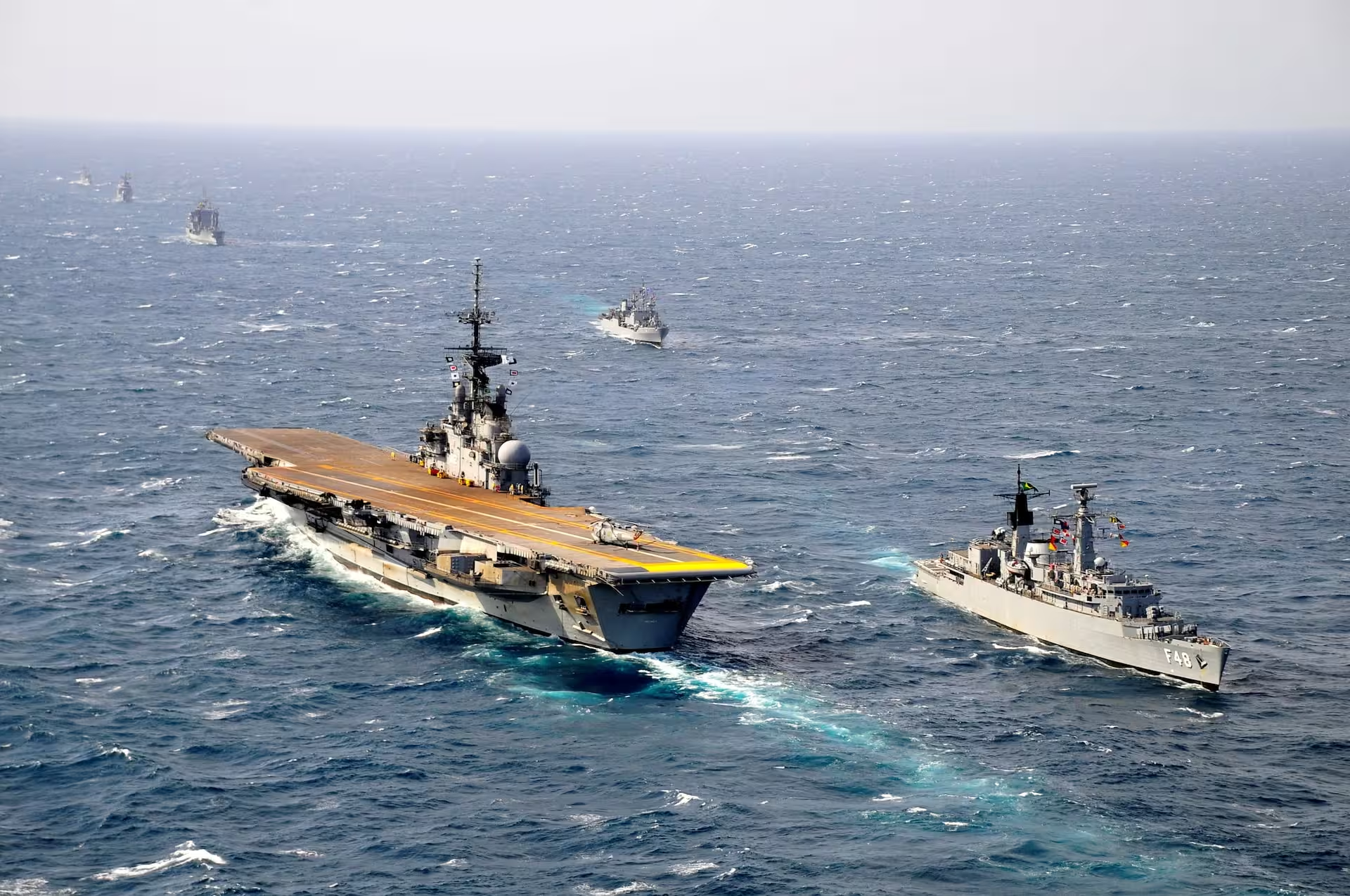
Greenpeace, the Basel Action Network and Sea Shepherd joined forces with legal teams to block the sinking. The Guardian noted that these groups argued the action breached international environmental accords and threatened marine ecosystems.
Brazilian prosecutors also attempted to halt the operation, but officials maintained that leaving the vessel adrift posed an even greater risk. The Navy argued that the chosen site minimized threats to navigation, fisheries and marine life, and that a controlled sinking was safer than an uncontrolled collapse.
A last‑minute judicial challenge was rejected; local reports cited a judge’s conclusion that an uncontrolled descent would have caused more ecological damage than the planned operation.
From French Flagship to Brazilian Asset
The vessel that ultimately sank off Brazil began its service as France’s Foch, entering the French Navy in 1963. Le Monde described the hull as 250 m long, with an overall flight‑deck length of about 265 m, capable of carrying roughly 2,000 crew members and 40 aircraft.
During its French tenure, the carrier participated in operations far beyond Europe, including deployments off Lebanon, in the Balkans during the Yugoslav wars, and missions in the Pacific linked to French nuclear testing, as well as later assignments in Africa and the Middle East.
After nearly four decades under the French flag, the ship was transferred to Brazil. Sources differ on the exact purchase date: Le Monde and The Guardian cite a 2000 acquisition for $12 million, while Reuters quotes defense analyst Pepe Rezende saying the Brazilian Navy bought the vessel for the same price in 1998.
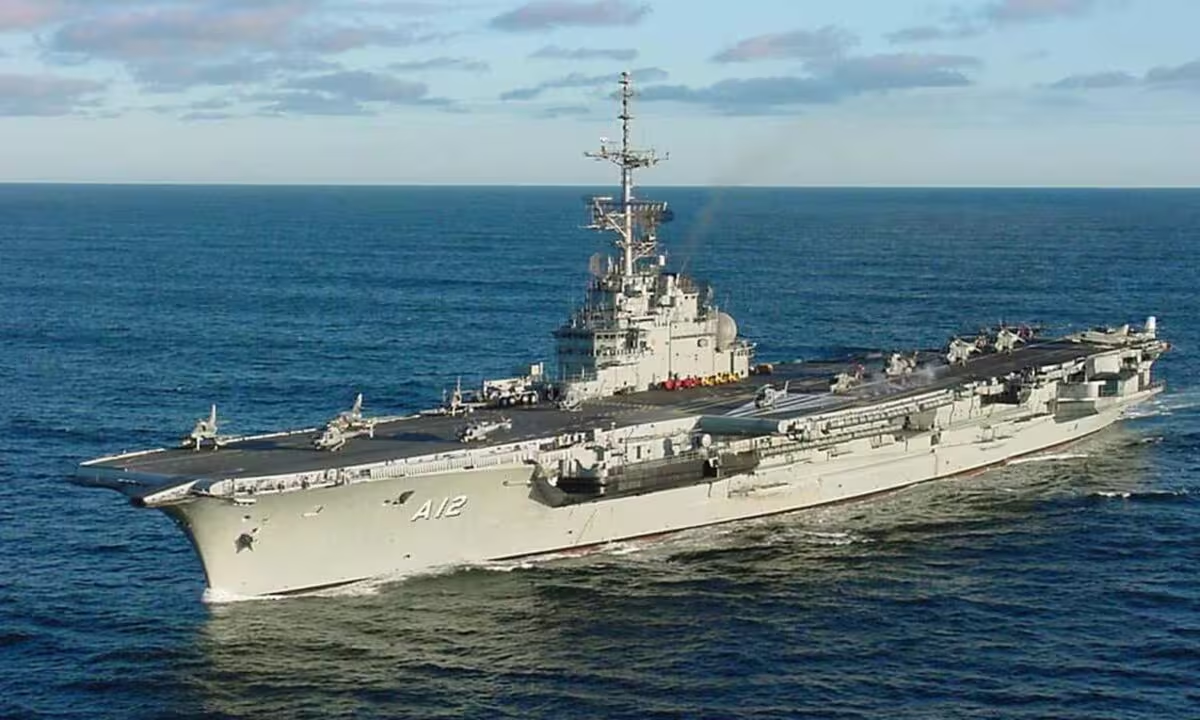
Brazil renamed the vessel São Paulo, but its second service period was marred by technical failures, including a significant fire in 2005 that hastened its decline.
By the time disposal became urgent, the carrier had transformed from an active warship into an unwanted scrap hull.
Decision to Conduct a Controlled Scuttling
After the aborted Turkish transfer, the Atlantic return voyage and the denial of port access, the Brazilian Navy invoked “force majeure” to justify sinking the ship, arguing that its deteriorated state threatened navigation. Environmental groups continued to press for alternative solutions, but none were adopted.
The final operation took place in waters under Brazilian jurisdiction, about 350 km offshore, where the ocean depth reaches roughly 5,000 m. The controlled sinking concluded the former Foch’s six‑decade saga, leaving the vessel and its remaining hazardous cargo on the seabed.
This article has been fact checked for accuracy, with information verified against reputable sources. Learn more about us and our editorial process.
Last reviewed on .
Article history
- Latest version
Reference(s)
- <https://www.reuters.com/world/americas/brazil-sinks-rusting-old-aircraft-carrier-atlantic-2023-02-04/>.
- <https://www.lemonde.fr/en/environment/article/2023/02/04/former-aircraft-carrier-foch-sunk-in-atlantic-ocean-off-brazilian-coast_6014419_114.html>.
- reporter, Guardian. “Brazil sinks aircraft carrier in Atlantic despite presence of asbestos and toxic materials.”, February 4, 2023 The Guardian <https://www.theguardian.com/world/2023/feb/04/brazil-sinks-aircraft-carrier-in-atlantic-despite-presence-of-asbestos-and-toxic-materials>.
Cite this page:
- Posted by William Moore