Hidden Phosphate Starvation Sparks Ocean Methane Leak, Warming Could Amplify
New study reveals a nutrient‑starved microbial process that triggers a climate feedback loop overlooked by major forecasting models.
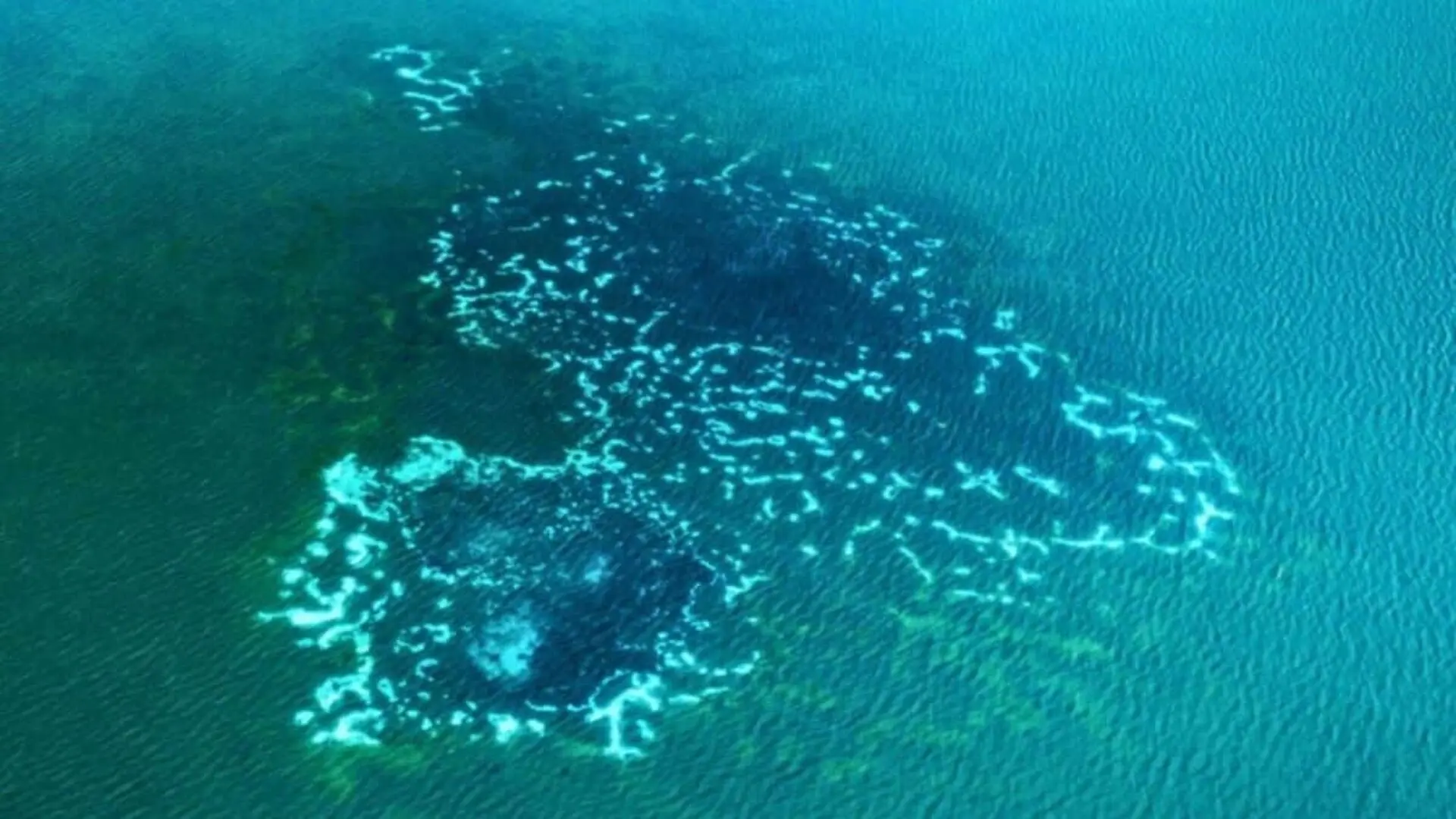
For many years scientists observed that oxygen‑rich surface waters were emitting measurable amounts of methane, a gas traditionally linked to anaerobic settings such as wetlands or deep‑sea sediments. The source of this paradox remained elusive—until a recent investigation clarified the underlying cause.
Phosphate deficiency fuels methane‑producing microbes
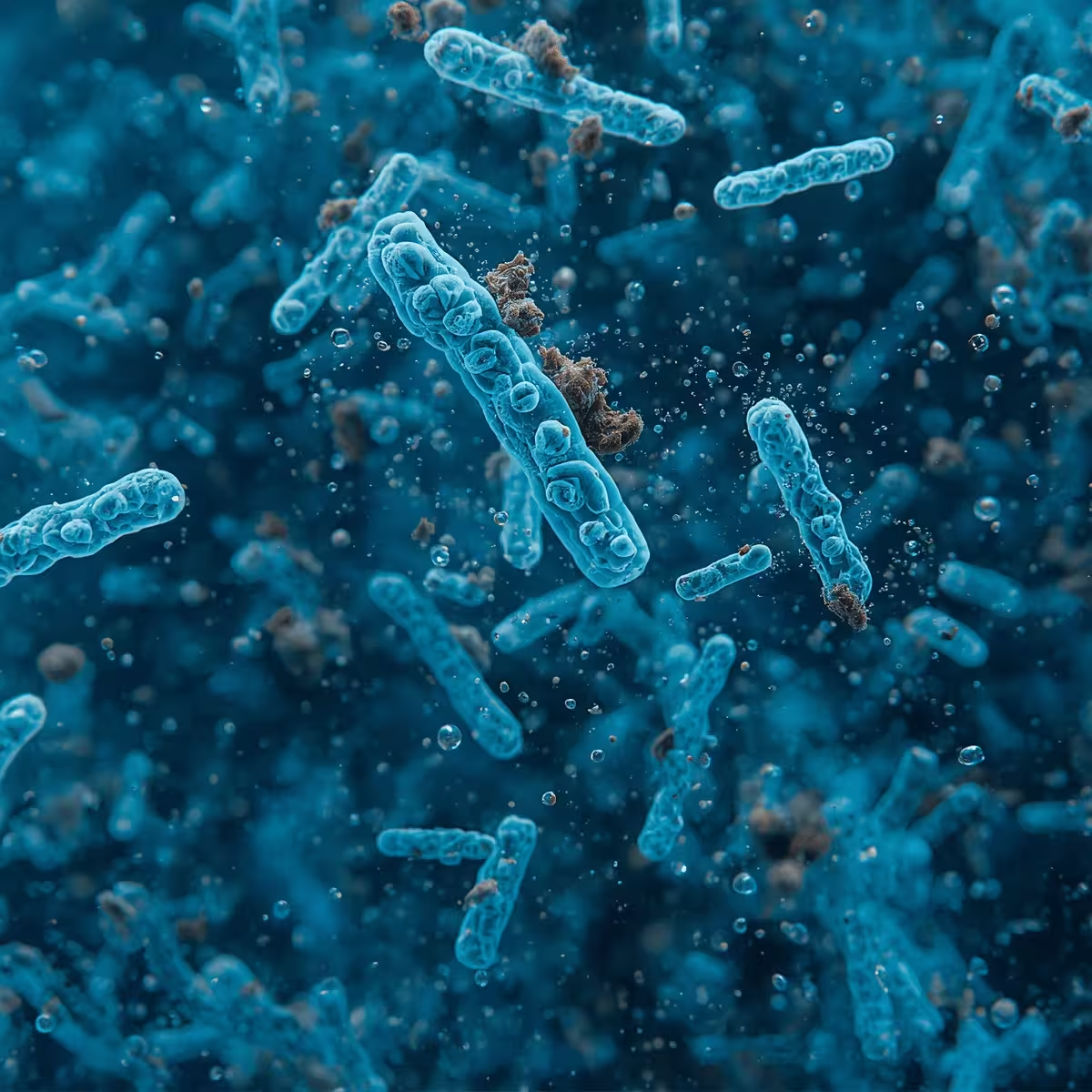
Researchers from the University of Rochester, led by associate professor Thomas Weber together with graduate student Shengyu Wang and postdoctoral fellow Hairong Xu, compiled an extensive global ocean dataset and applied numerical modeling to pinpoint the driver of surface‑water methane. Their analysis identified a specific bacterial pathway that becomes active when phosphate, an essential nutrient, falls below a critical concentration. Under such stress, certain marine bacteria switch to a metabolic route that releases methane as a by‑product while degrading organic matter. In phosphate‑rich zones, the same organisms follow a different route that does not generate methane.

The investigators note that large portions of the subtropical gyres—areas already characterized by low nutrient levels—are likely operating this methane‑producing mechanism continuously. “Phosphate scarcity emerges as the main lever controlling methane output in the open ocean,” Weber explained.
Rising temperatures choke the nutrient pipeline
The study also connects the phenomenon to climate‑driven changes in ocean dynamics. Phosphate typically reaches the surface through vertical mixing, a process whereby cold, dense water from depth rises and exchanges with the warmer upper layer, delivering nutrients that keep the methane pathway suppressed. However, as greenhouse‑gas‑induced warming heats the upper ocean, the density contrast between surface and deep water intensifies, hampering this upward exchange.
“Warming from the top down expands the density gap, slowing the mixing that brings phosphate upward,” Weber added. Their models predict that continued stratification will expand phosphate‑deficient zones, providing more habitat for methane‑emitting bacteria.
A climate feedback loop absent from current forecasts
While the paper does not assign a quantitative methane budget to specific warming scenarios, it supplies the mechanistic “wiring diagram” needed for modelers to incorporate this process. “Our findings address a critical blind spot in climate predictions, where interactions between a changing environment and natural greenhouse‑gas sources have been largely overlooked,” Weber said.
This article has been fact checked for accuracy, with information verified against reputable sources. Learn more about us and our editorial process.
Last reviewed on .
Article history
- Latest version
Cite this page:
- Posted by William Moore