3D Scan Reveals Maya’s Earliest Known Long Count Date—180 CE on Weathered Stone
New imaging uncovers hidden details on a weathered Maya stone in Mexico, revealing secrets thought lost for decades.
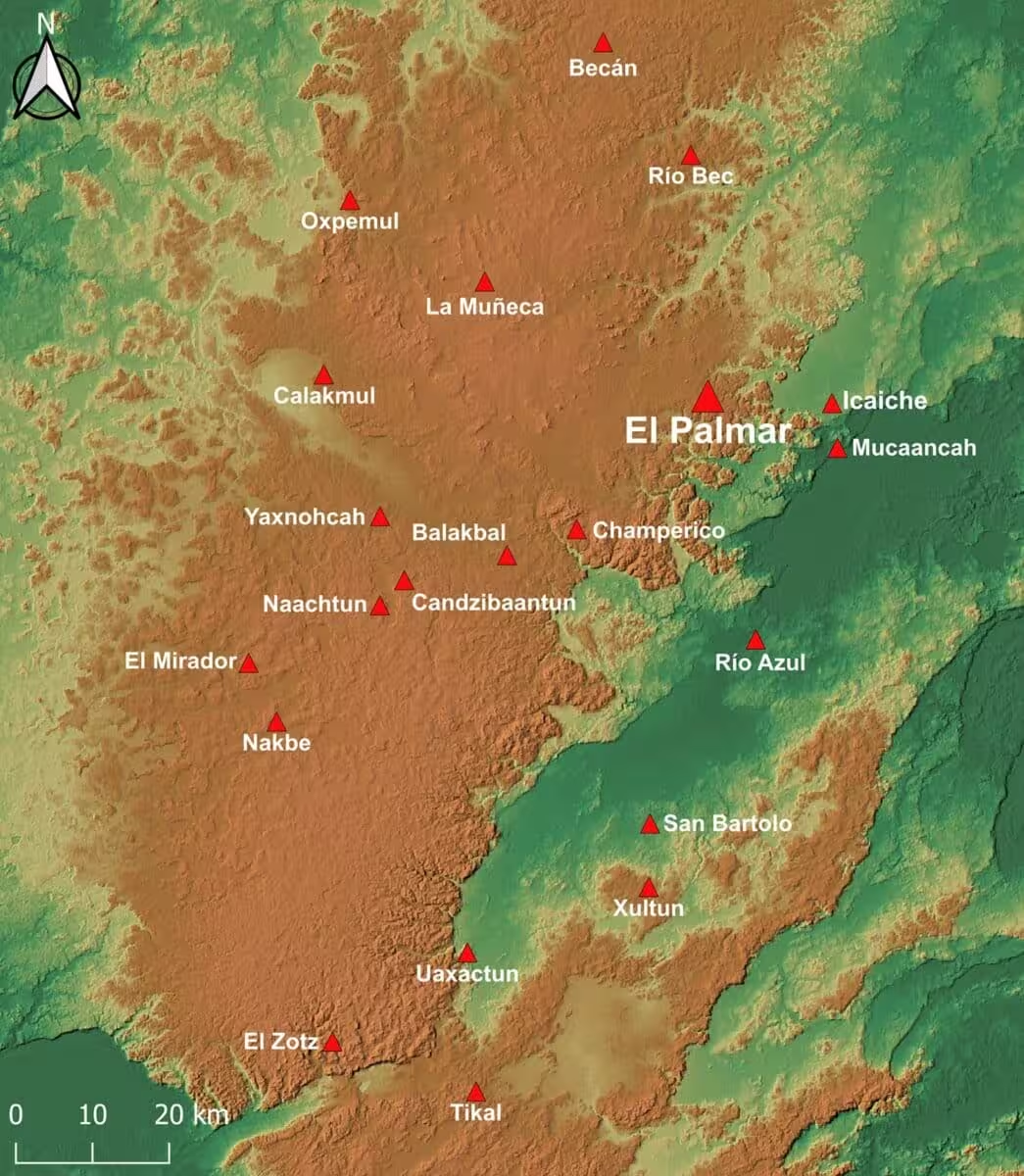
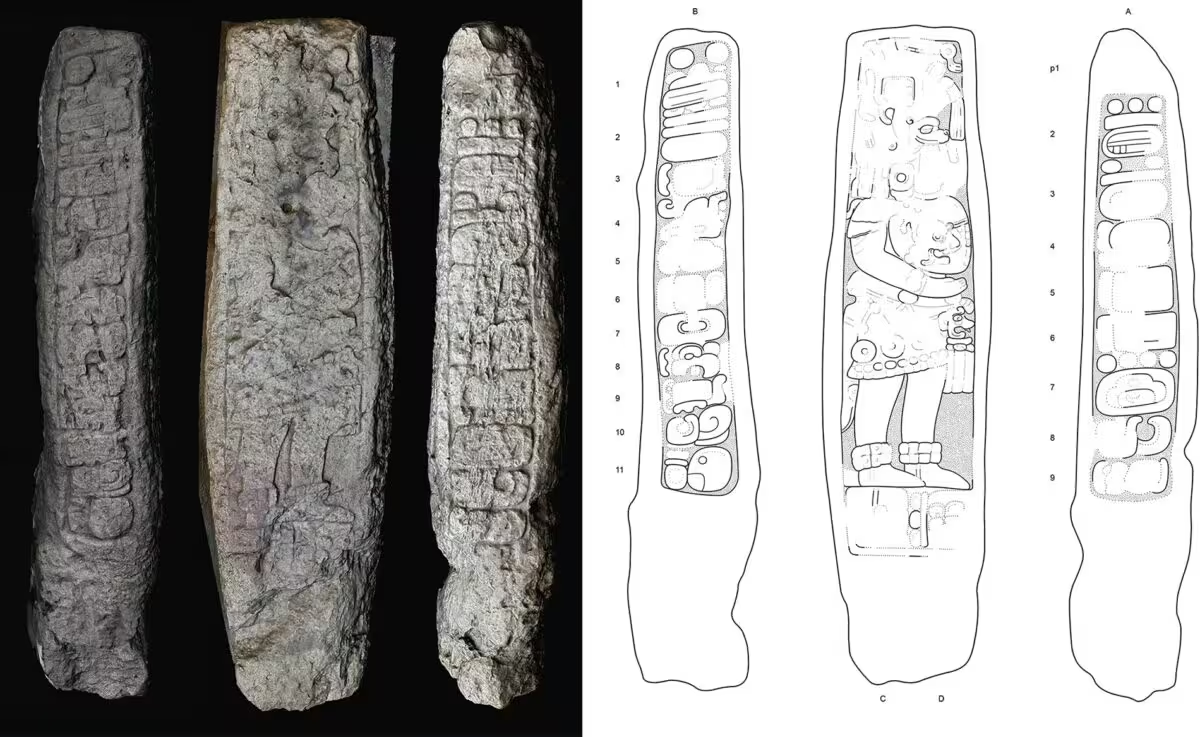
Advanced three‑dimensional imaging has allowed archaeologists to read a weathered stone slab from El Palmar, Mexico, that may carry the oldest Long Count calendar entry yet identified in the Maya lowlands. The inscription, etched on Stela 46, appears to mark a date around 180 C.E. and is accompanied by a depiction of a ruler associated with a Jaguar underworld deity. The breakthrough was reported in Ancient Mesoamerica and relied on digital techniques that exposed details invisible to the naked eye.
Exposed for nearly two millennia, Stela 46 has suffered extensive erosion, which obscured earlier attempts to decipher its glyphs. Researchers from the University of California, Davis, led by Kenichiro Tsukamoto, employed high‑resolution laser scanning and photogrammetric reconstruction to isolate a coherent sequence of symbols from the damaged surface.
Layered Maya Timekeeping Explained
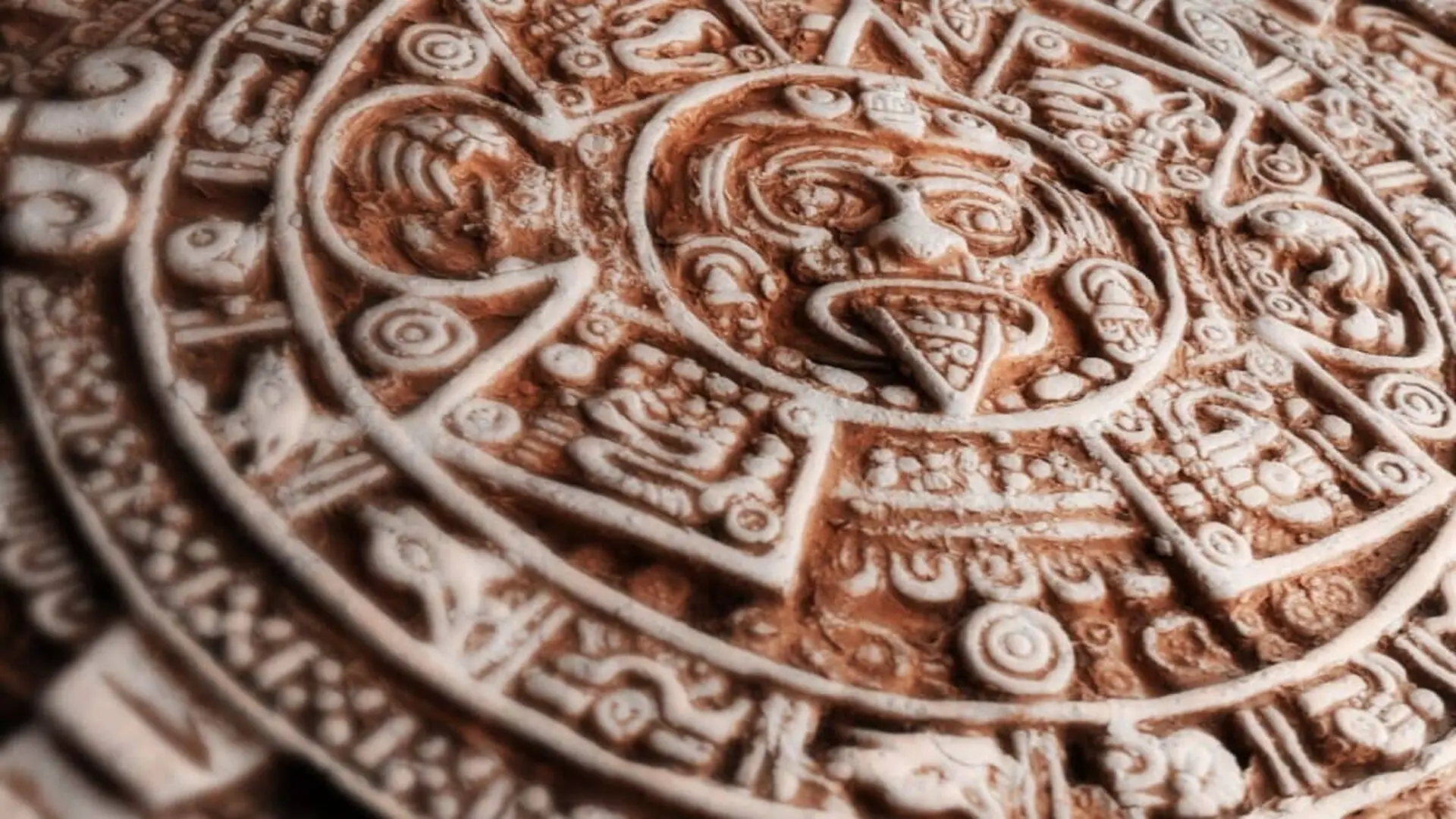
The Long Count calendar functions as a hierarchical tally of days, building up through units such as the b’ak’tun, which spans roughly four centuries. Maya scholars also operated a 260‑day ritual count and a 365‑day solar calendar, creating a multifaceted temporal framework that interlocked and referenced one another.
According to the Ancient Mesoamerica article, elements of this calendrical system may trace back to pre‑Maya cultures such as the Olmec, which could explain the sophistication evident in the earliest inscriptions.
German librarian Ernst Förstemann decoded the Long Count system in the late nineteenth century, enabling modern scholars to translate ancient Maya dates into contemporary calendar equivalents. For example, the celebrated July 4, 1776 can be expressed in Long Count notation, underscoring the calendar’s precision.
Beyond its mathematical elegance, the calendar was woven into political rituals, linking sovereign authority directly to cosmological cycles.
A Chronological Shift for Early Maya History
Analysis of Stela 46 revealed a Long Count sequence reading 8.7.1.0.0, which corresponds to August 31, 180 C.E. according to Kenichiro Tsukamoto and his colleagues. If the interpretation holds, this inscription would predate the previously earliest known Lowland example, Tikal Stela 29, dated to 292 C.E., by more than a century.
The stone’s severe wear leaves room for alternate readings; another plausible reconstruction yields 8.7.0.5.0. Both proposals situate the monument within a similar early‑Classic window, highlighting how millennia of weathering can obscure critical details.
“El Palmar Stela 46 and subsequent monuments suggest that the Long Count played a vital role in the continuity of kingship during the Classic period. Further study of this region will provide new insights into the emergence of Maya kingship,” said the study’s authors.
The slab also portrays a ruler clutching the head of a deity linked to a Jaguar god of the underworld, a motif recurrent in Maya iconography that signals martial power and divine legitimacy. The same motif is discussed in a separate piece about a monument uncovered by divers, underscoring its broader cultural resonance.
Digital Restoration Reveals Hidden Glyphs
The research team captured the stone’s surface using photogrammetry and ultra‑high‑resolution 3D scanning, achieving detail down to fractions of a millimeter. This digital model allowed investigators to illuminate the artifact from multiple angles on a computer, accentuating shallow carvings that are invisible under normal lighting conditions.
Even with these sophisticated tools, the interpretation remains provisional; erosion has erased portions of the glyphs, and the authors acknowledge ongoing uncertainty in the reading.
This article has been fact checked for accuracy, with information verified against reputable sources. Learn more about us and our editorial process.
Last reviewed on .
Article history
- Latest version
Reference(s)
- “The Calendar System | Living Maya Time.” <https://maya.nmai.si.edu/calendar/calendar-system>.
- Tsukamoto, Kenichiro. “The Emergence of Kingship and Early Long Counts in the Maya Kingdom of El Palmar, Campeche, Mexico | Ancient Mesoamerica | Cambridge Core.”, pp. 1-21. Cambridge Core, doi: 10.1017/S0956536126100984. <https://www.cambridge.org/core/journals/ancient-mesoamerica/article/emergence-of-kingship-and-early-long-counts-in-the-maya-kingdom-of-el-palmar-campeche-mexico/72DECC08F19B6FC30B39065C1F26F7A5>.
- “UCR Profiles - Search & Browse.” <https://profiles.ucr.edu/app/home/profile/kentsuk>.
Cite this page:
- Posted by Vikram Desai