3.5‑Billion‑Year‑Old Moon Impact Frozen in a Small African Meteorite
A rare African meteorite reveals clues to a spectacular event that occurred billions of years ago, sparking scientists’ excitement.
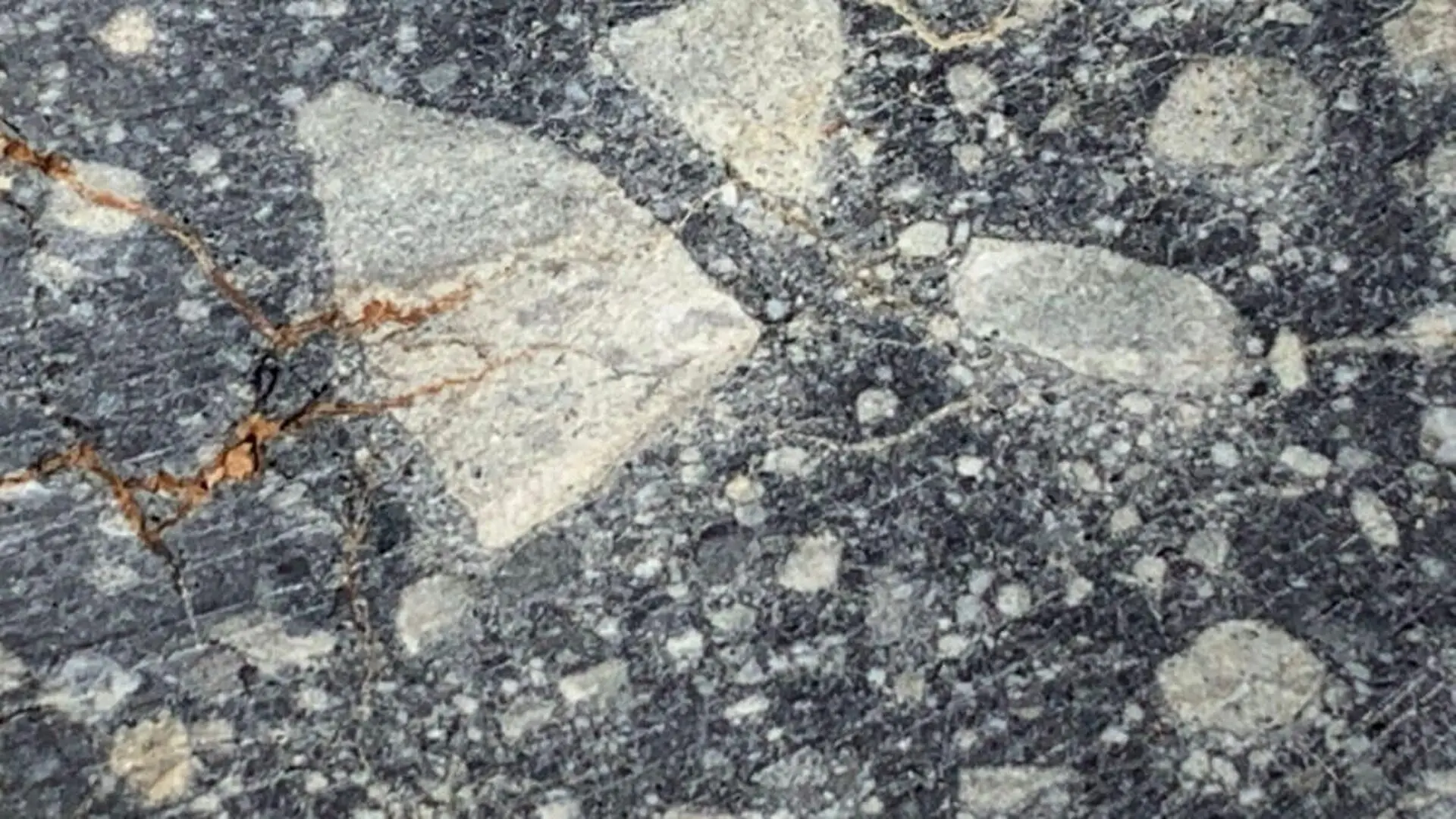
A tiny meteorite recovered from the Sahara desert is offering a glimpse into one of the Moon’s most violent epochs. Identified as Northwest Africa 12593, the rock records a colossal impact that struck the lunar surface roughly 3.5 billion years ago, a time that coincides with the emergence of the earliest signs of life on Earth.
Because the Moon lacks weather, oceans and plate tectonics, its surface preserves a far longer geological memory than our own planet. Lunar fragments that fall to Earth therefore act as time capsules, retaining evidence of ancient events that have long been erased from Earth’s record.
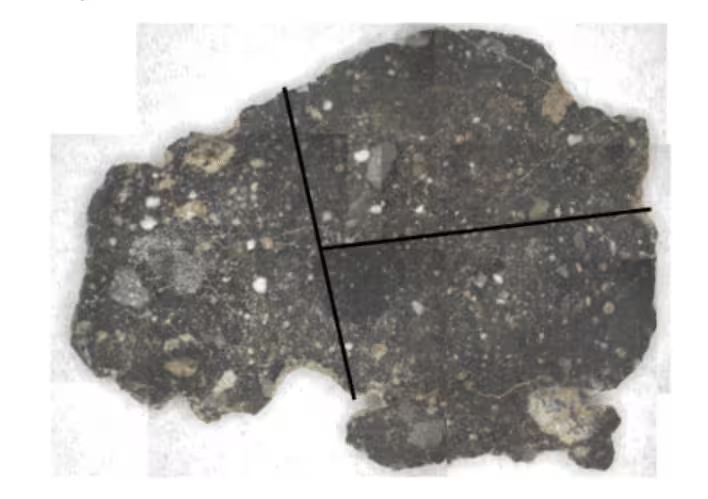
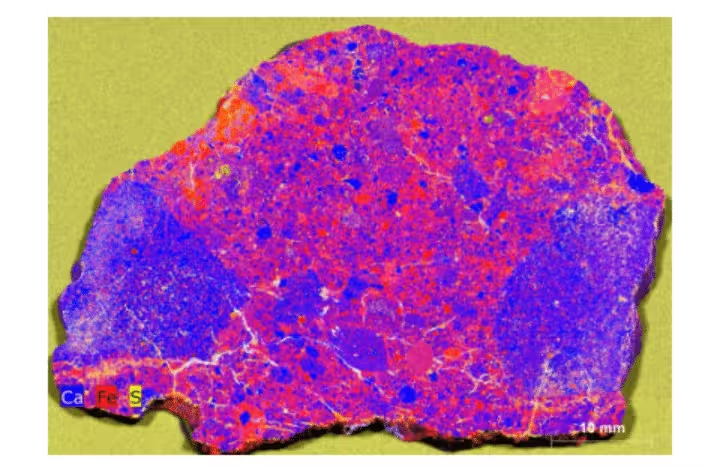
Researchers analyzed the meteorite to piece together a sequence of collisions spanning billions of years, publishing their findings in Geology. Their work reveals three distinct impact episodes recorded within the stone, each leaving its own imprint on the lunar material.
Three Collisions, One Rock
Radiometric dating places the oldest impact at about 3.5 billion years ago, making it one of the few surviving traces from that era. The first strike was powerful enough to melt a portion of the Moon’s crust, creating a sheet of molten rock. A subsequent impact shattered and remixed the material, producing a breccia—a rock composed of broken fragments fused together. Planetary scientist Carolyn Crow of the University of Colorado Boulder likens the resulting structure to concrete.
“You would see all these little rocks, and then it’s fused together by the cement,” she explained. In this case, the fragments were fused together by the impact process itself.
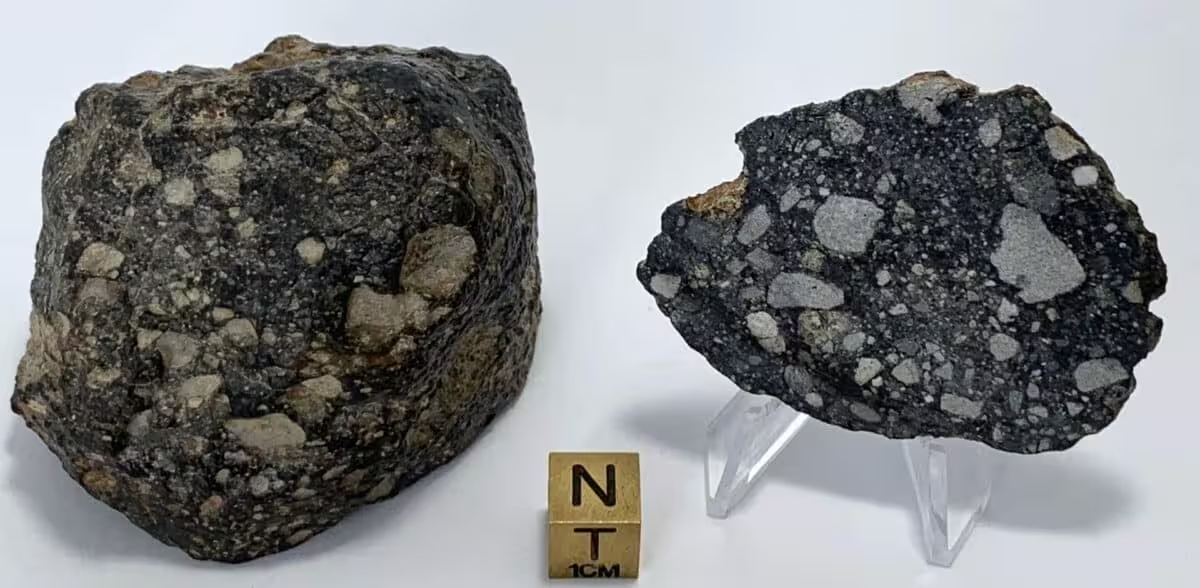
The meteorite’s final chapter occurred when a later collision ejected it from the Moon, sending the rock on a space‑bound journey that eventually ended on Earth.
Heat Signatures Reveal a Molten Blast
Among the strongest clues are remnants of cubic zirconia, a mineral that forms only at extreme temperatures. While the mineral itself did not survive, its breakdown left distinctive traces that indicate the impact heated lunar rock to temperatures high enough to melt the surface.
These high‑temperature markers allow scientists to estimate the scale of the event and to better understand how such energetic collisions reshaped the early Moon.
A Shared Timeline Across Worlds
The 3.5‑billion‑year‑old impact aligns with evidence of major collisions on Earth and on Vesta, one of the largest bodies in the asteroid belt. Finding matching records on three separate worlds is exceptionally rare.
“It’s not very common, which is why we’re very excited about it,” Crow noted. “It’s pretty rare to have all three records line up like this.”
These synchronized impact signatures could help researchers reconstruct the environment of the inner solar system during a period that overlaps with the earliest known evidence of life on Earth.
“It is important for understanding how life is taking hold, how life is emerging. The cadence of these catastrophic events is an important part of the equation,” he added.
The study also highlights the growing importance of lunar meteorites. Unlike samples returned by the Apollo, Luna and Chang’e missions, which originate from known landing sites, lunar meteorites may come from previously unexplored regions, offering fresh windows into the Moon’s ancient history.
This article has been fact checked for accuracy, with information verified against reputable sources. Learn more about us and our editorial process.
Last reviewed on .
Article history
- Latest version
Cite this page:
- Posted by Vikram Desai