Gamma‑Ray Burst Echoes Reveal Milky Way’s Outer Arms Are Much Further Than Thought
A new geometric method using gamma‑ray burst echoes shows sections of the Mil Way are far farther than decades‑old maps indicated.
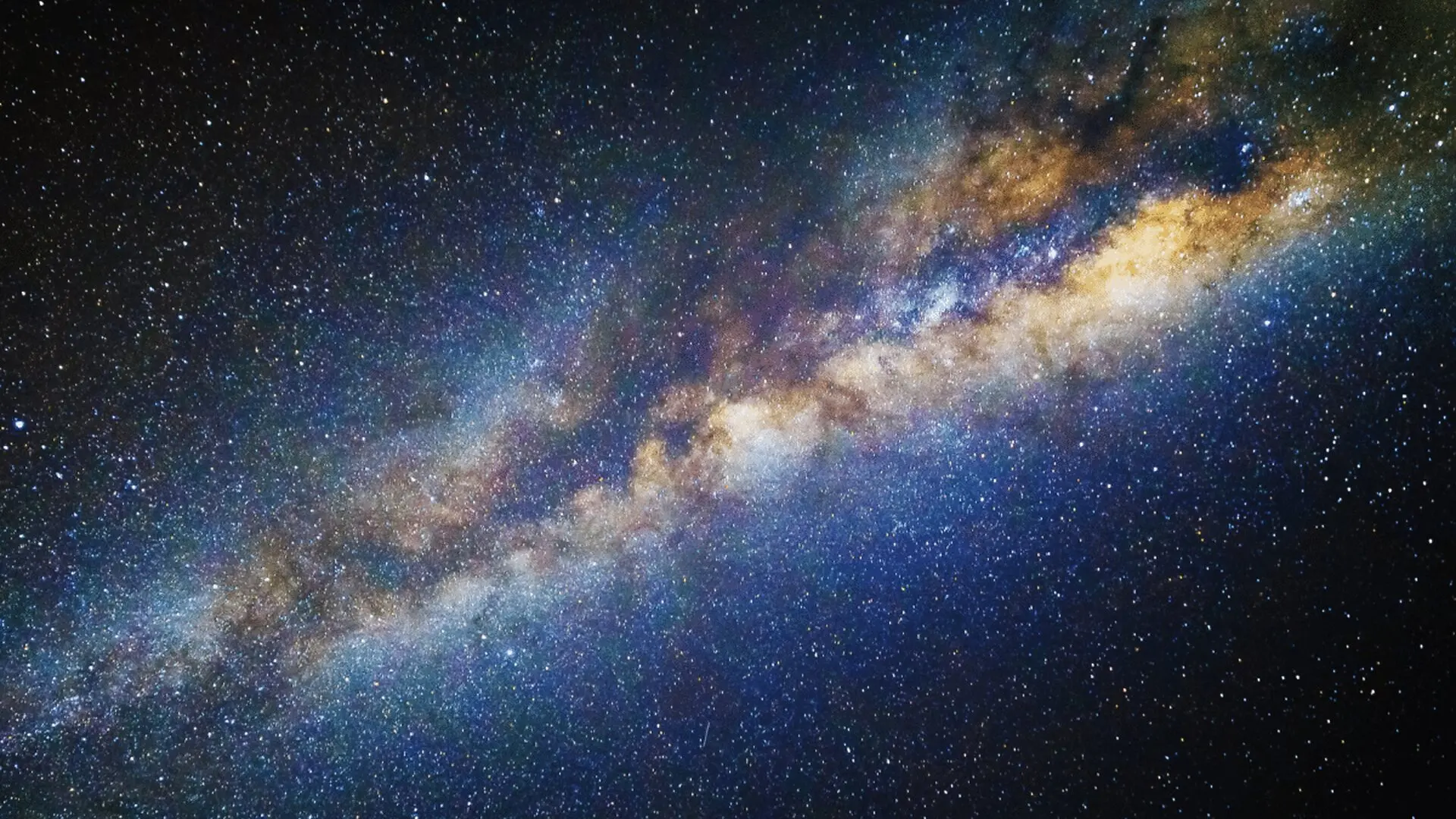
A team of astronomers has delivered one of the most accurate distance determinations to the Milky Way’s far‑flung spiral arms, showing that several outer regions lie farther from the Sun than standard maps have suggested. The study, appearing in Astronomy & Astrophysics, exploits the delayed X‑ray reflections from a bright gamma‑ray burst instead of conventional rotation‑curve techniques, providing a geometry‑based view of the galaxy’s layout.
Geometry‑Based Survey Replaces Traditional Rotation Models
Because Earth resides within the galactic disk, astronomers cannot capture the Milky Way in a single image. For decades, distances to the outer arms were inferred from the motions of interstellar gas, calibrated against models of how the galaxy spins. Those models become increasingly uncertain toward the outskirts, where dark matter dominates and few reference points exist.
The new approach sidesteps those assumptions by measuring distances directly through the geometry of X‑ray scattering off interstellar dust. By tracking how light from a distant explosion is delayed as it bounces off dust clouds, researchers can calculate the location of each cloud without invoking any rotation model.
“This is a very direct way, relying only on geometry, to precisely measure distances to the Milky Way’s spiral arms,” said Dr. Vaia.
Gamma‑Ray Bursts Serve as Cosmic Rulers
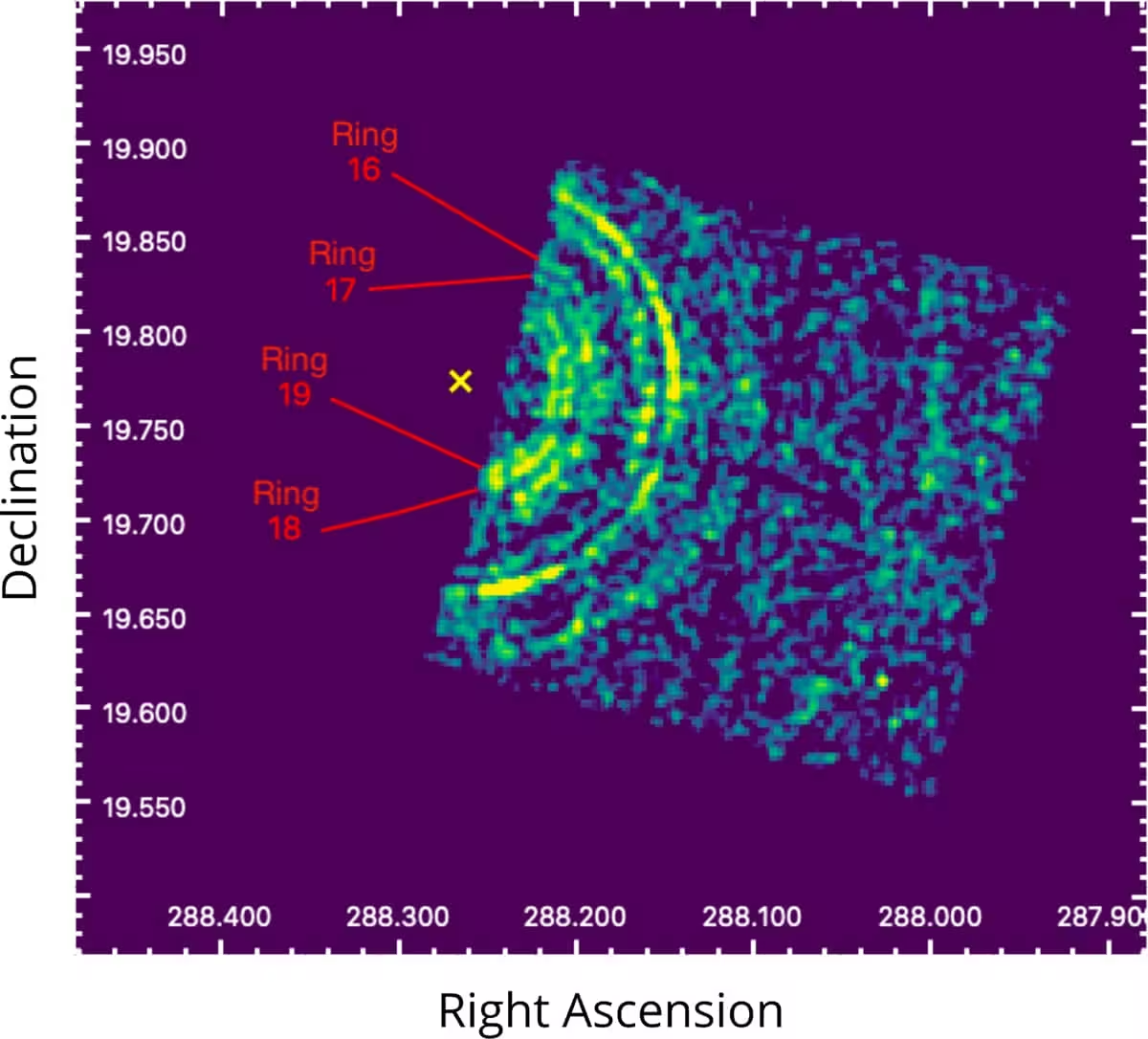
The method capitalizes on gamma‑ray bursts, the most energetic explosions known. When such an event erupts, it emits a flood of X‑rays that travel through the galaxy. A fraction of those photons encounters tiny dust grains embedded in spiral arms, scattering and taking a slightly longer route to Earth. The resulting delay produces expanding rings of X‑ray light that can be captured by space‑based telescopes.
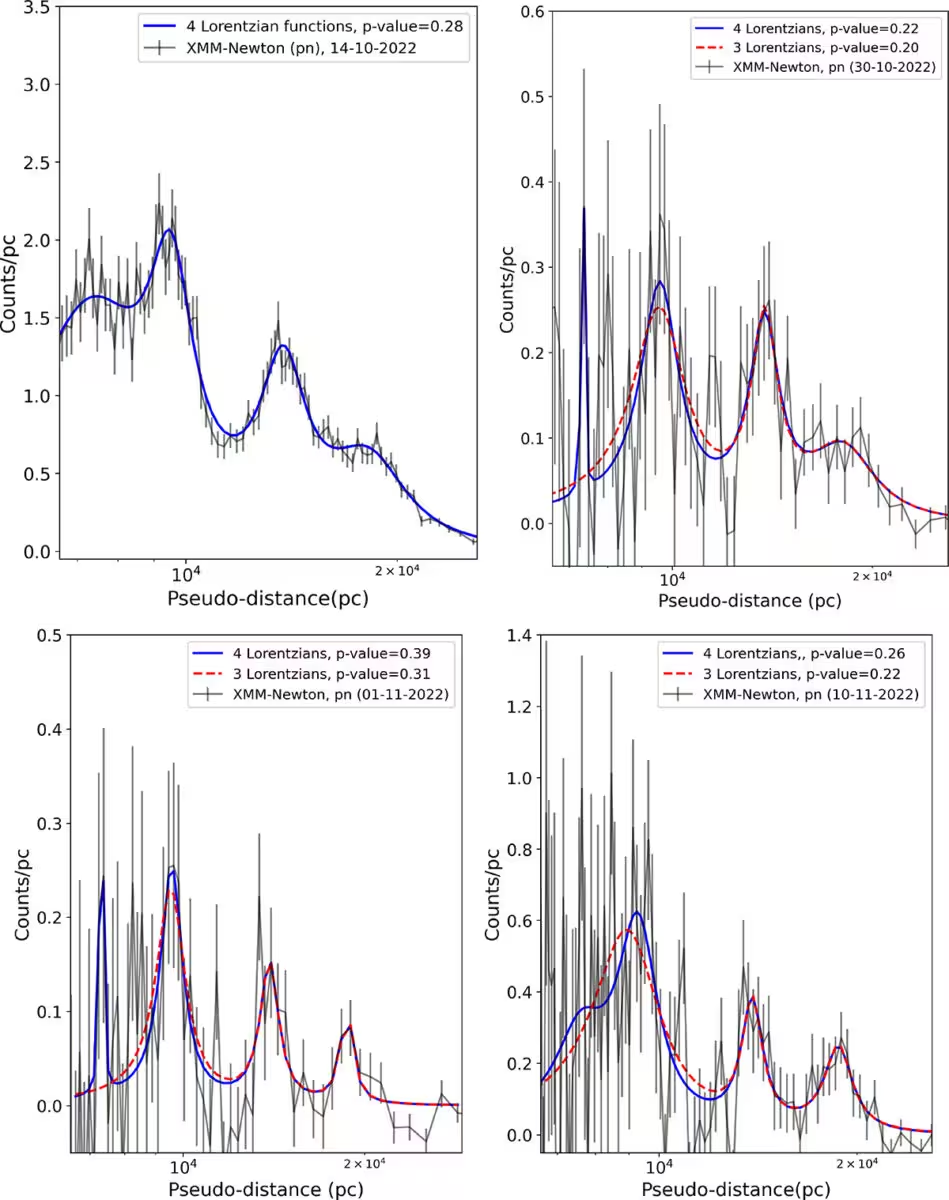
Because the ring expansion rate depends solely on the geometry of the dust‑source‑observer triangle, astronomers can infer the exact distance to each dust layer. The team examined archived data from the European Space Agency’s XMM-Newton observatory and NASA’s Chandra X-ray Observatory, focusing on a spectacular gamma‑ray burst detected in 2022 that produced multiple rings and thus probed clouds tens of thousands of light‑years away.
Outer Spiral Arms Appear More Distant Than Expected
The geometric analysis delivers a remarkably clear picture of the galaxy’s peripheral structure. The Outer Scutum‑Centaurus Arm, for example, is placed at roughly 62,000 light‑years from the Sun with an uncertainty of about one percent—one of the tightest constraints ever achieved for a region so remote. Prior direct estimates carried errors nearly ten times larger, highlighting the power of the new technique.
In addition to confirming the established distance to the Perseus Arm, the study reveals that two of the most remote spiral arms lie almost ten percent farther away than traditional rotation‑based maps predict. These discrepancies suggest that longstanding models have systematically underestimated the scale of the Milky Way’s outer disk.
Implications for Galactic Modeling and Future Surveys
Published in Astronomy & Astrophysics, the results go beyond correcting a few arm positions. If the outer galaxy is indeed larger than previously thought, astronomers will need to refine models of galactic rotation, mass distribution, and dark‑matter influence. A more precise map can enhance investigations of star‑formation patterns, disk dynamics, and the broader evolution of our cosmic neighborhood.
The work also showcases the untapped potential of gamma‑ray burst light echoes as high‑precision distance markers. While exceptionally bright bursts like the 2022 event are rare, upcoming X‑ray missions with greater sensitivity should capture similar echoes from many sky directions. Expanding this geometric technique across the Milky Way could gradually replace uncertain estimates with direct measurements, ultimately delivering the most detailed three‑dimensional portrait of our home galaxy to date.
This article has been fact checked for accuracy, with information verified against reputable sources. Learn more about us and our editorial process.
Last reviewed on .
Article history
- Latest version
Reference(s)
- Vaia, B.. “Accurate distances of the Galactic spiral arms from dust-scattered X-ray emission of gamma-ray bursts.”, vol. 710, June 1, 2026, pp. A196, doi: 10.1051/0004-6361/202557431. <https://www.aanda.org/articles/aa/full_html/2026/06/aa57431-25/aa57431-25.html>.
Cite this page:
- Posted by Farah Siddiqui