Hidden In The Mountains Of Colombia, Scientists Have Found 6,000-year-old Human Remains That Doesn’t Match Any Known Population
Scientists have discovered the remnants of an unknown ancient society that doesn’t align with any previously identified civilization. What was the identity of these individuals, and what makes their genetic makeup so puzzling?
Unraveling the Mystery of a 6,000-Year-Old Enigma
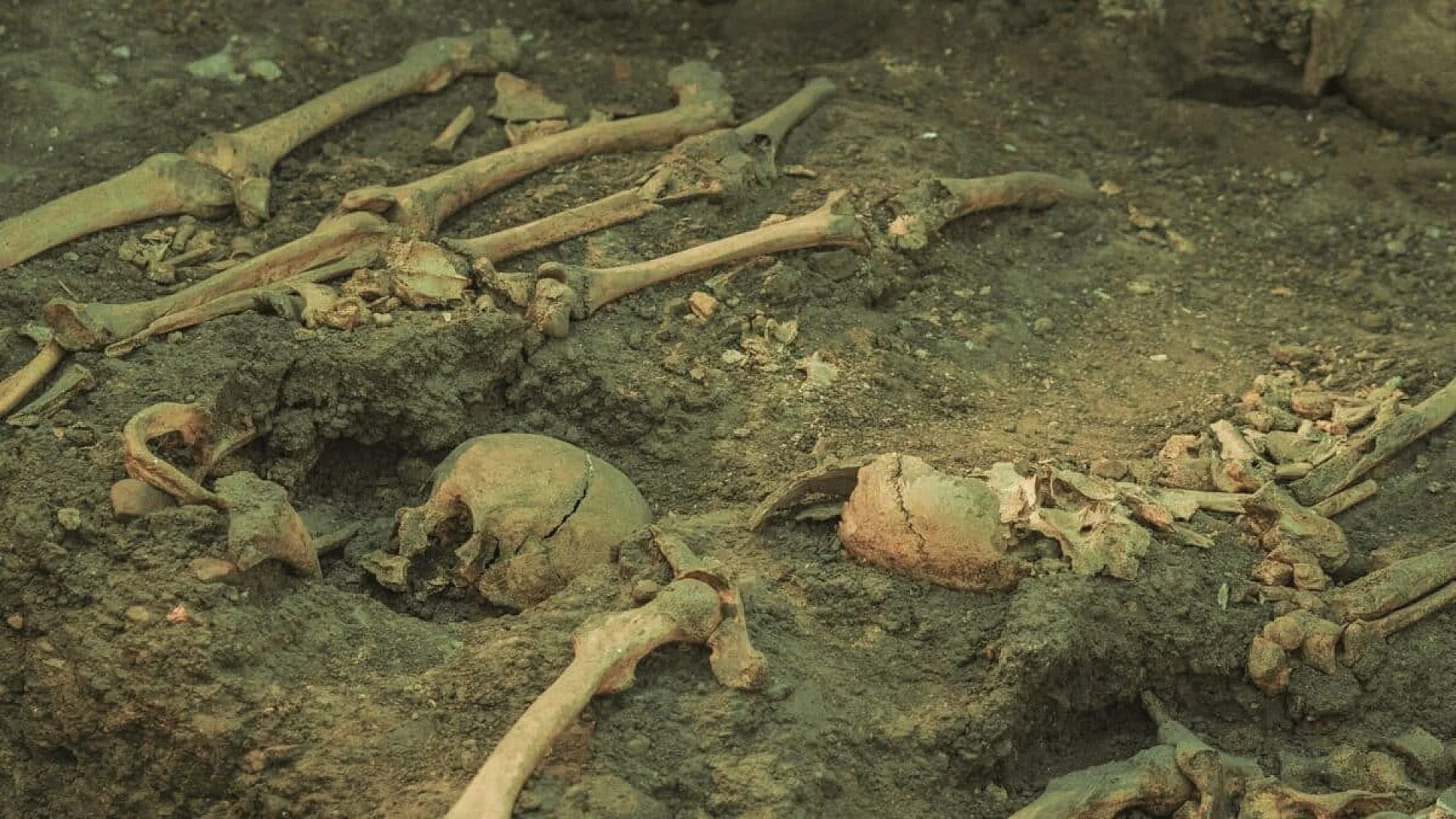
A groundbreaking archaeological discovery in Colombia has left scientists stunned, uncovering the remnants of a 6,000-year-old human civilization whose DNA defies categorization. The ancient remains, found in the Bogotá Altiplano, have left researchers scratching their heads, as their genetic makeup bears no resemblance to any known ancient or modern population.
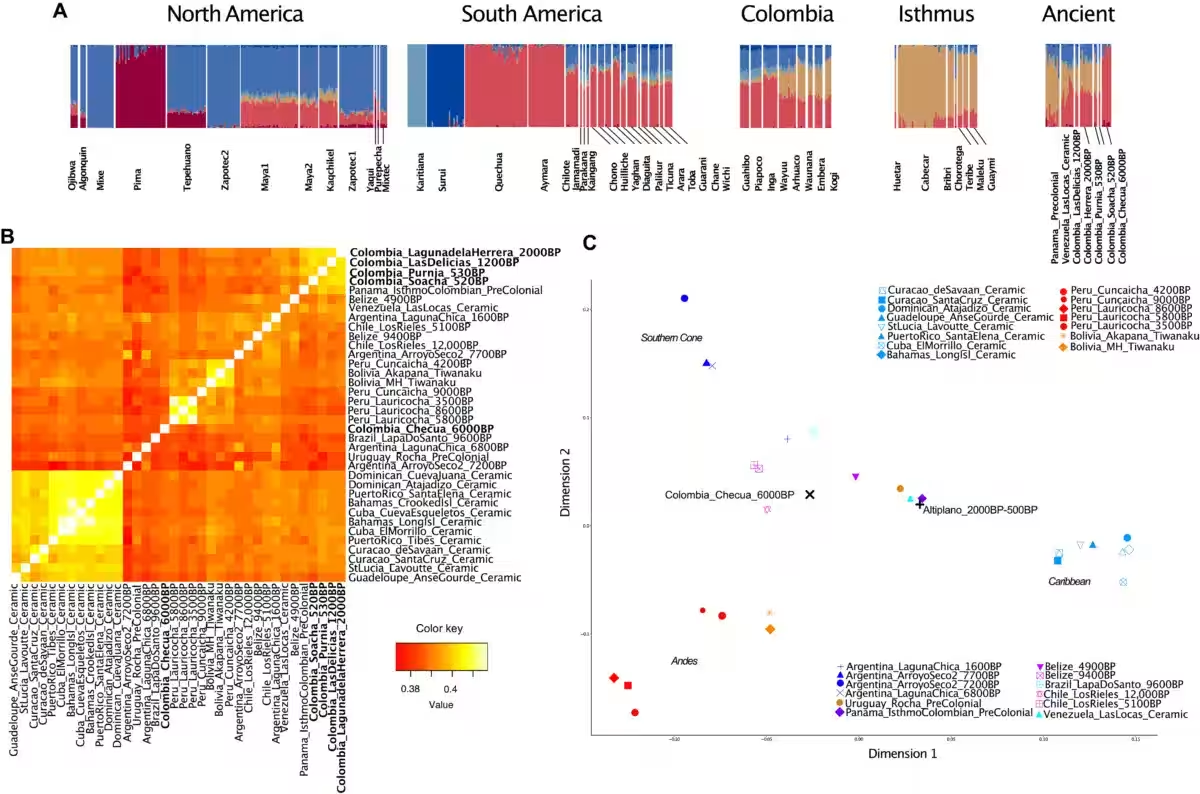
What makes this finding even more intriguing is that these early settlers transitioned from a nomadic lifestyle to farming, only to vanish from the genetic record. The Chibchan language connection is another puzzle piece that adds to the enigma, as their DNA shares similarities with modern-day Chibchan speakers in Central America.
A Vanished People: Unraveling the Mystery
As researchers continue to unravel the secrets of these ancient people, they are faced with a multitude of questions. Did they intermingle with other groups, leaving behind a faint genetic signature? Or did they migrate and disappear completely?
The genetic analysis of the remains reveals a complex web of connections and disconnections, leaving scientists to speculate about the fate of these early settlers. The Chibchan language family is a crucial piece of the puzzle, as it is spoken by Indigenous peoples across parts of the Isthmus of Panama.
The Language Connection: A Key to Understanding
The researchers believe that these ancient people may have spoken a language related to Chibchan, but there is no definitive proof yet. The geographical distribution of the Chibchan language family is another crucial aspect of the study, as it provides a glimpse into the migration patterns of these ancient people.
Unraveling the Journey of Early Humans Across Continents
This groundbreaking discovery is part of a larger effort to understand the peopling of the Americas. The Isthmus of Panama has long been a key area of research, as it holds the secrets of early human migration. The genetic analysis of the remains provides a unique window into the past, revealing the complex migration patterns of early humans.
As researchers continue to study the remains of 21 ancient individuals from the region, they are piecing together the genetic history of the area. However, this latest discovery highlights the complexity of early human migration, revealing that the migrations that shaped the Americas were not as straightforward as once believed.
This article has been fact checked for accuracy, with information verified against reputable sources. Learn more about us and our editorial process.
Last reviewed on .
Article history
- Latest version
Cite this page:
- Posted by Elizabeth Taylor