Four New Blind Dragon Pseudoscorpions Discovered In South Korean Caves
Scientists reveal hidden biodiversity in South Korea’s underground caves, exposing how much of Earth’s subsurface life remains unknown.
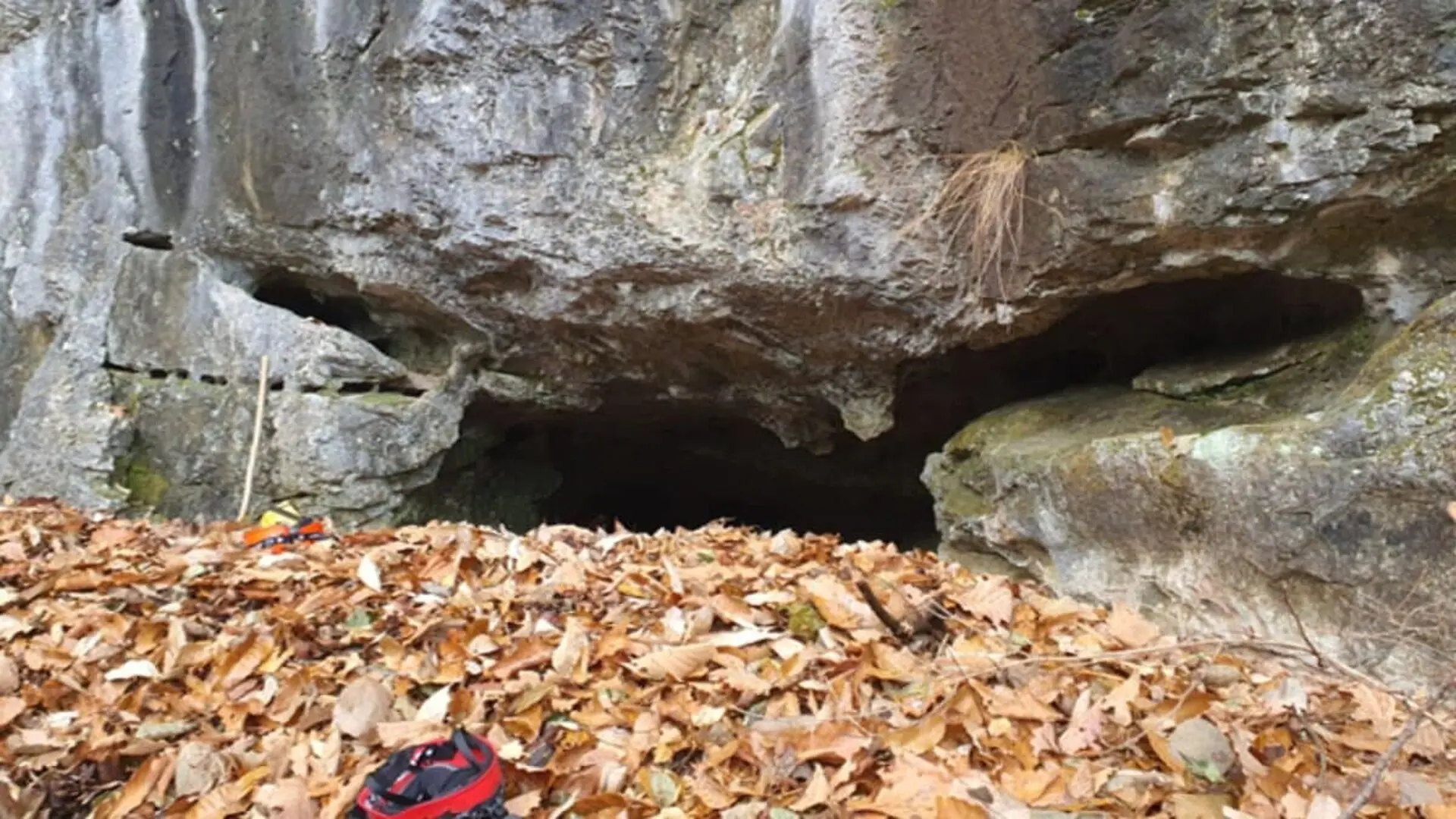
Scientists have uncovered four new blind pseudoscorpion species hidden deep within South Korean caves, dramatically expanding the known diversity of subterranean arachnids in the region.
Fieldwork carried out in the karst systems of the Taebaek and Sobaek mountain ranges revealed these highly specialized predators, underscoring how much of the nation’s estimated 1,000-plus caves remain biologically unexplored. Prior investigations of cave‑dwelling pseudoscorpions in South Korea were sparse, leaving a substantial gap in the taxonomic record.
Earlier studies had assumed that only a single species, Spelaeochthonius dentifier, inhabited Korean caves. However, research led by Kyung‑Hoon Jeong of Jeonbuk National University demonstrated that the newly collected specimens represent distinct lineages, each exhibiting clear morphological and genetic divergence.
Four Previously Unknown Cave Pseudoscorpions Identified
The team described the following taxa: Spelaeochthonius dugigulensis, Spelaeochthonius geumgulensis, Spelaeochthonius magwihalmigulensis and Spelaeochthonius yamigulensis. Each species was restricted to a single cave or karst complex, highlighting the extreme isolation of these underground habitats.
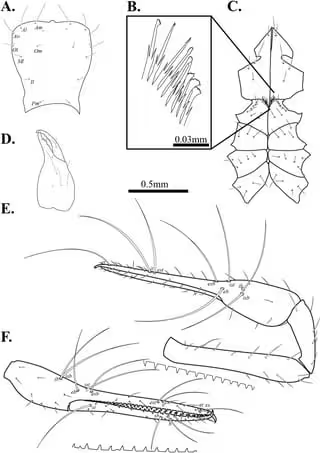
Surveys across multiple chambers consistently yielded blind pseudoscorpions that had never been documented in scientific literature. Detailed morphological examinations coupled with DNA sequencing confirmed the uniqueness of each new species.
According to Jeong, the findings also shed light on biogeographic connections between Korean and Japanese cave fauna. In an interview with IFLScience, he noted that these diminutive organisms could serve as living archives for evolutionary events dating back more than a millennium.
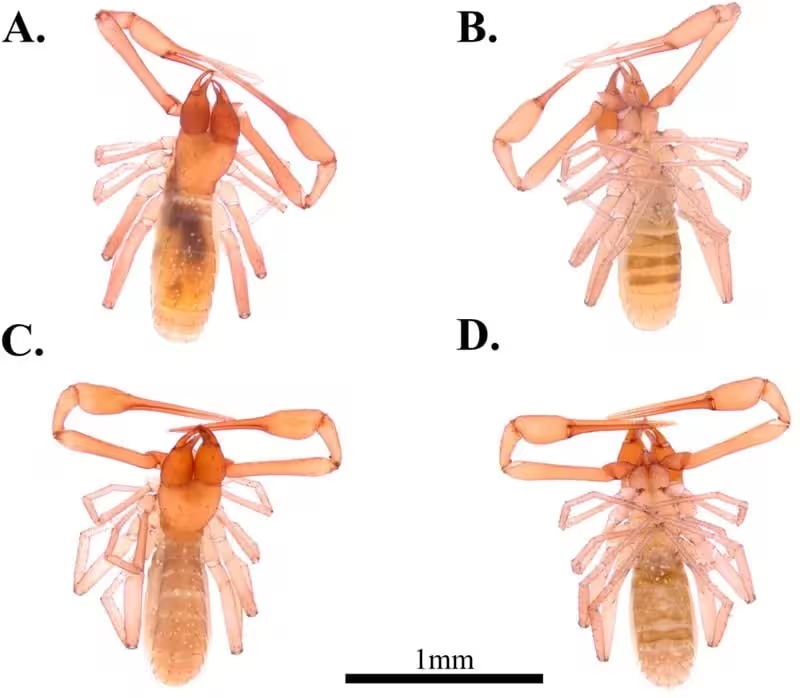
These discoveries overturn earlier assumptions that a single Spelaeochthonius species was broadly distributed across Korea. Instead, the data reveal multiple, evolutionarily distinct lineages confined to discrete subterranean pockets.
How Cave Life Reshapes These Tiny Arachnids
Pseudoscorpions are minute arachnids that resemble miniature scorpions but lack the characteristic tail and stinger. Within the genus Spelaeochthonius, members are colloquially known as “dragon pseudoscorpions” because of their disproportionately large chelicerae.
Living permanently in darkness drives a suite of adaptations collectively termed troglomorphism. Typical traits include loss of pigment, reduction or complete loss of eyes, and other morphological changes suited to a light‑free environment.
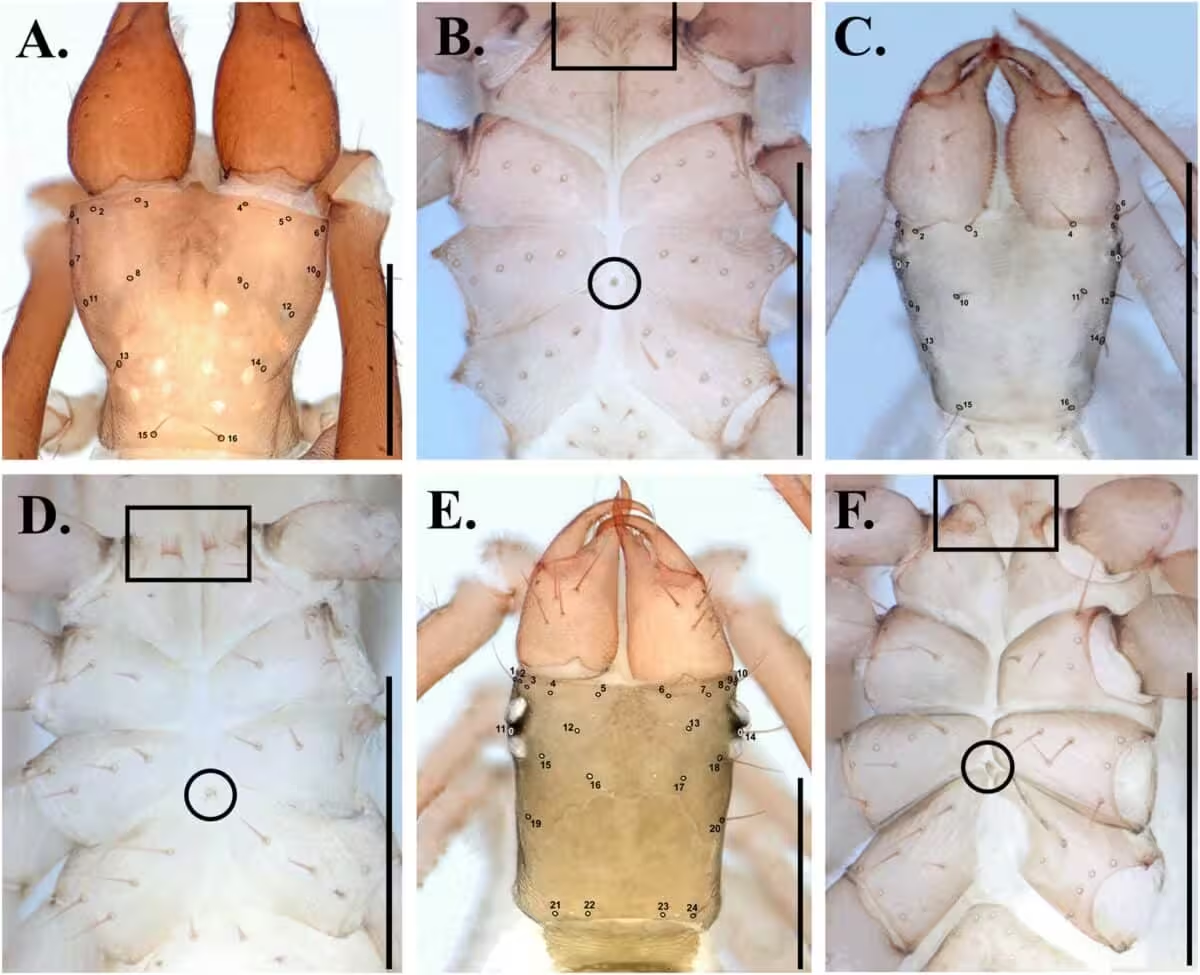
The authors described the new taxa as “altogether blind, pale, and strongly troglobitic,” emphasizing that their anatomy reflects a life spent entirely within the pitch‑black confines of caves.
Conservation Stakes Highlighted by New Discoveries
Because each of the four species has been recorded from only a single cave or karst system, their habitats are exceptionally restricted. The researchers stress that safeguarding these fragile underground environments is essential for the survival of such narrowly endemic organisms.
Disturbances to cave ecosystems—whether from tourism, development, or pollution—could jeopardize species that have evolved to thrive in complete darkness. Targeted scientific expeditions are therefore crucial to uncover and protect additional hidden biodiversity.
The authors also note that many other cave‑dwelling organisms likely remain undiscovered. Because these creatures are small and inhabit hard‑to‑reach settings, systematic surveys are required to bring them into scientific view.
This article has been fact checked for accuracy, with information verified against reputable sources. Learn more about us and our editorial process.
Last reviewed on .
Article history
- Latest version
Cite this page:
- Posted by Elizabeth Taylor