Novel GABA Metal Complexes Target DNA and Combat Breast Cancer Cells
By coordinating a neuroactive food component with essential alkaline earth metals, scientists create dual-targeting metallodrugs with high affinity for DNA grooves.
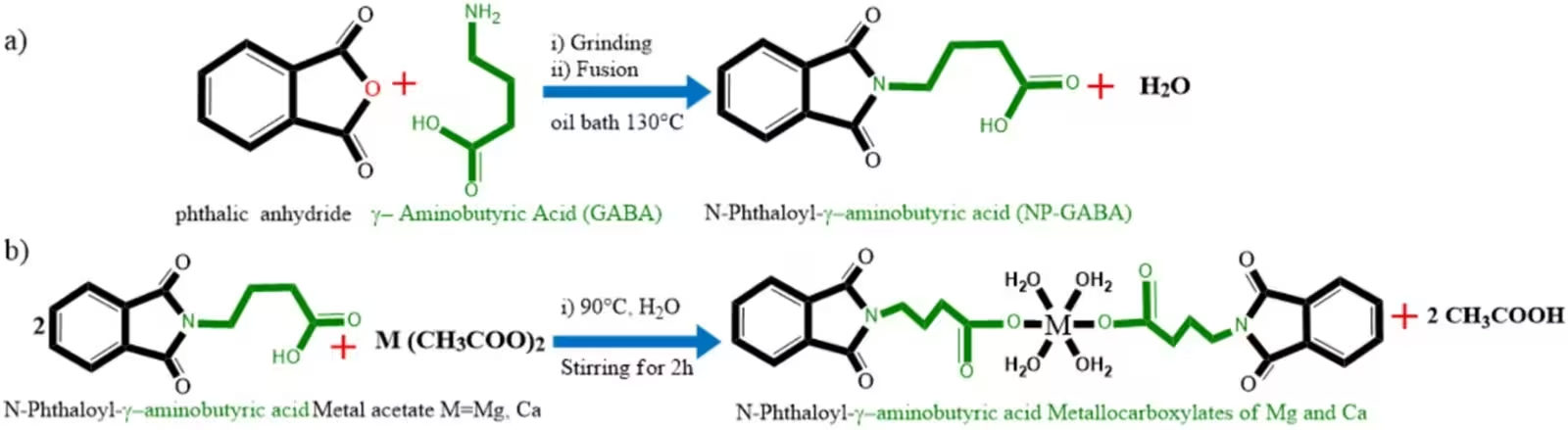
A team of researchers has introduced a novel class of bioinorganic compounds by combining the biological properties of an essential neurotransmitter with alkaline earth metals, creating promising candidates for targeted cancer therapy. The work, published in RSC Advances, details the synthesis and extensive characterization of mononuclear magnesium and calcium metallocarboxylates derived from N-phthaloyl-gamma-aminobutyric acid.
Transforming a Dietary Molecule Into a Metallodrug
Gamma-aminobutyric acid functions primarily as a natural inhibitory neurotransmitter within the central nervous system, where it helps regulate neuronal balance and mood. Despite its health benefits, its low stability and poor cellular targeting limit its direct therapeutic utility. To overcome these barriers, the researchers utilized an N-phthaloyl protecting group to convert the zwitterionic amino acid into a stable tridentate organic ligand capable of coordinating smoothly with metal centers.
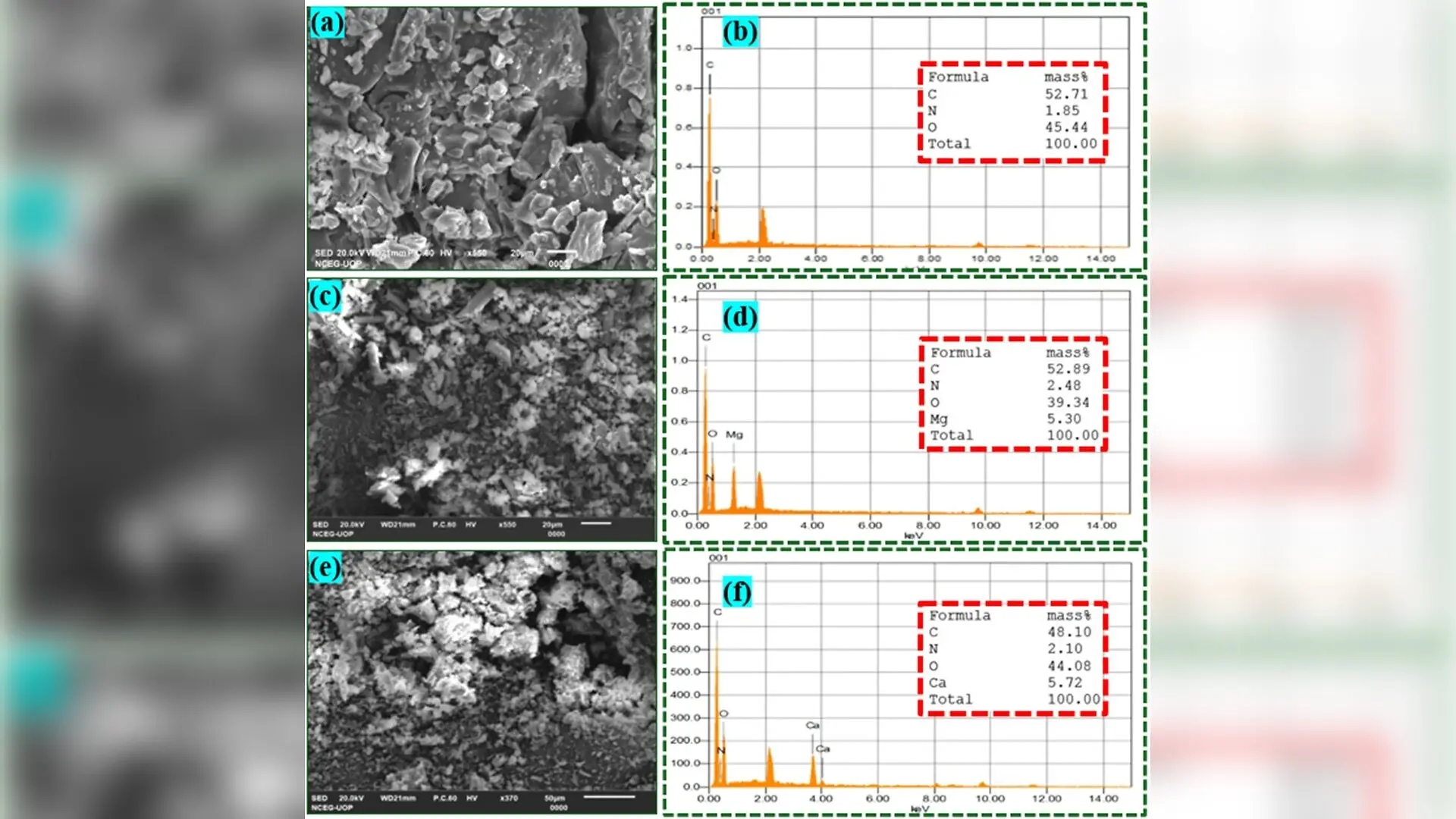
The resulting complexes, designated as magnesium and calcium metallocarboxylates, were thoroughly analyzed using spectroscopy, thermal gravimetric analysis, and scanning electron microscopy. The coordination of essential metal ions such as magnesium and calcium significantly altered the thermal stability and structural arrangement of the ligand, shifting the molecules from a highly crystalline state into nanostructured aggregates characterized by coarser, bulkier particle morphologies.
Probing Non-Intercalative DNA Binding Mechanisms
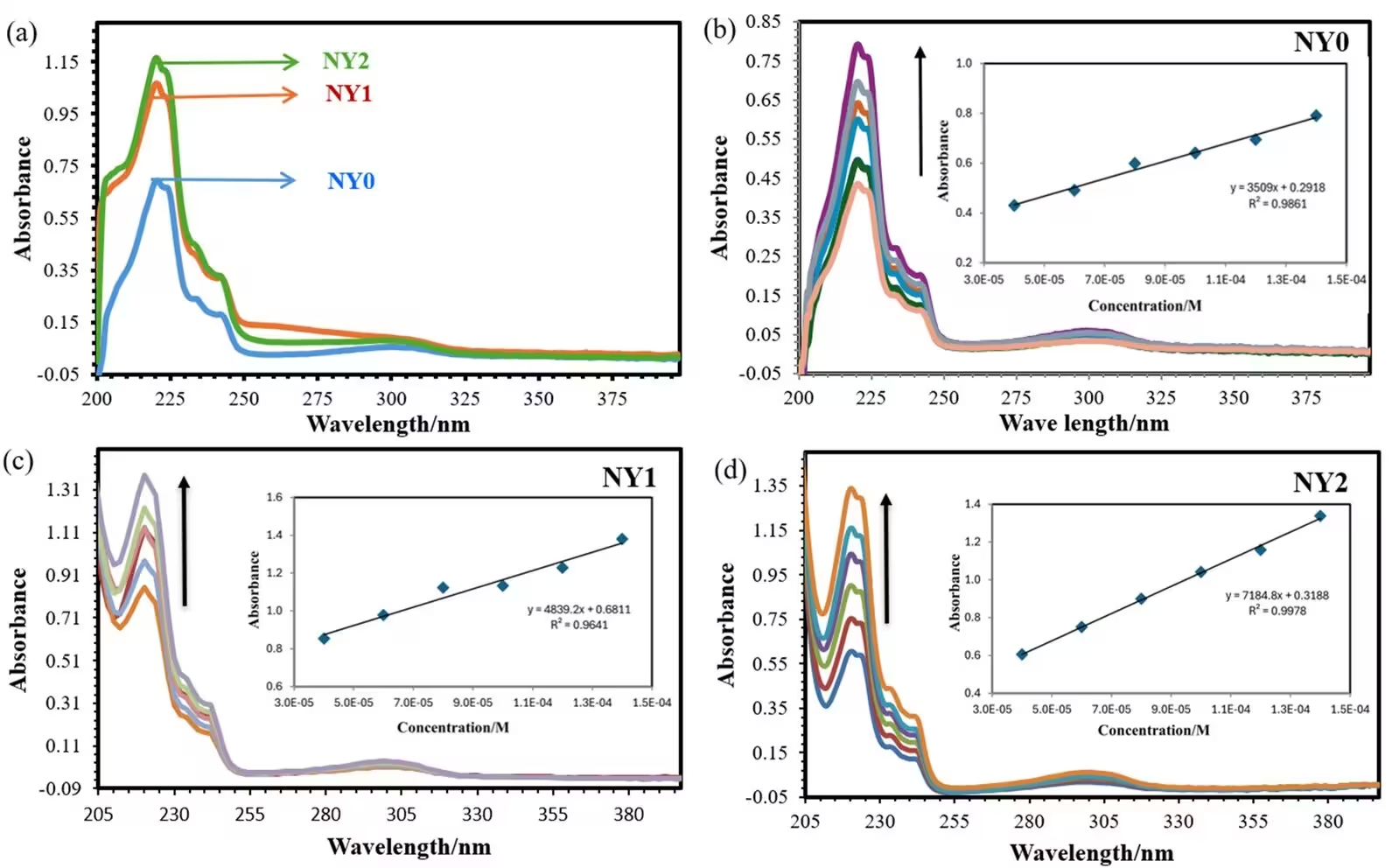
To understand how these novel entities interact with genetic material, the team performed a battery of biophysical titrations using double-stranded DNA extracted from biological samples. UV-visible absorption spectra and fluorescence emission studies revealed marked hyperchromic effects and strong fluorescence quenching without any noticeable shifts in emission maxima, pointing away from classic intercalation.
Instead of slipping between adjacent base pairs, the complexes exhibited a preference for external association, predominantly through minor groove binding and electrostatic interactions with the negatively charged sugar-phosphate backbone. Viscosity measurements confirmed only a modest, sub-intercalative increase in DNA solution flow time, while thermal denaturation experiments showed small positive shifts in melting temperatures. These combined findings establish a stable, non-intercalative binding profile that avoids the mutagenic risks commonly associated with DNA-intercalating drugs.
Molecular Docking and Anticancer Potential
Computational docking simulations against canonical B-DNA and the human aromatase cytochrome P450 enzyme provided further insight into the molecular interactions at play. The calcium-containing complex displayed the most favorable binding free energies and formed a robust network of hydrogen bonds and hydrophobic contacts within the DNA minor groove and the enzyme active site.
When evaluated against aggressive triple-negative breast cancer cells, the synthesized complexes exhibited clear dose-dependent cytotoxicity. The calcium metallocarboxylate achieved the highest reduction in cancer cell viability, outperforming both the magnesium complex and the uncomplexed free ligand. These results highlight a direct correlation between enhanced DNA groove-binding affinity and increased cytotoxic potency, suggesting a promising blueprint for designing sustainable, metal-linked therapeutics derived from natural food components.
The research was published in RSC advances on October 19, 2026.
This article has been fact checked for accuracy, with information verified against reputable sources. Learn more about us and our editorial process.
Last reviewed on .
Article history
- Latest version
Reference(s)
- Abbas, Naeem., et al. “Mononuclear Mg(
ii ) and Ca(ii ) metallocarboxylates of N -phthaloyl- γ -aminobutyric acid: synthesis, characterization, ds-DNA binding, preliminary anticancer evaluation against MDA-MB-231 cells, and computational studies.” RSC Advances, January 1, 2026 Royal Society of Chemistry (RSC), doi: 10.1039/d6ra07684j. <https://doi.org/10.1039/d6ra07684j>.
Cite this page:
- Posted by John Williams