Ghost Ancestors Revealed: Hidden Lineage Contributes Up to 1% DNA to Every Human
Genetic study reveals two unknown archaic hominin lineages that still contribute DNA to modern humans, highlighting a more complex evolutionary history.
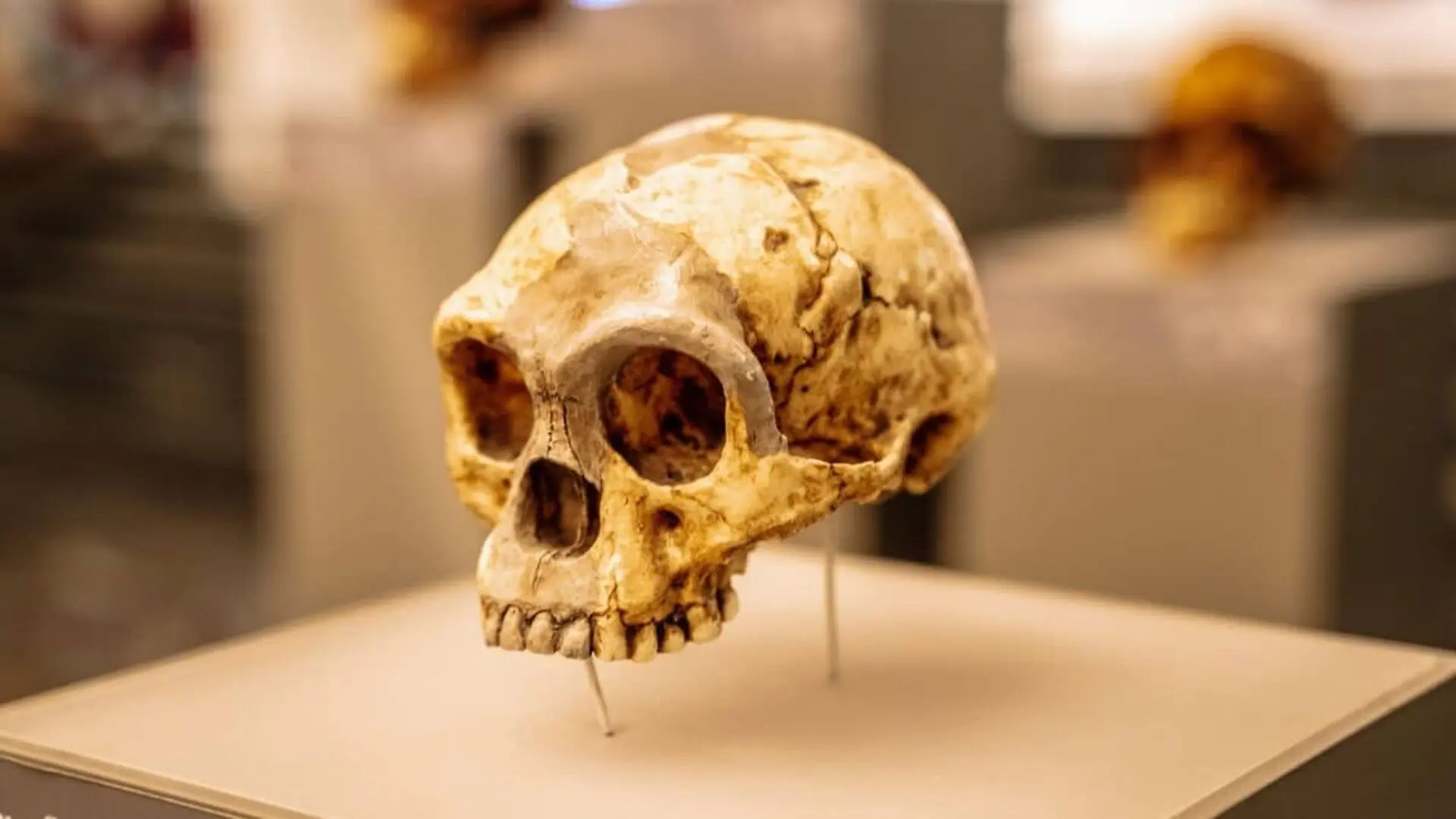
A recent analysis suggests that a previously unidentified human branch mixed with the ancestors of all living people more than 50,000 years ago, while an even older population left its mark indirectly through Denisovan relatives. The results, published in Science, were generated without any ancient DNA, relying instead on a novel computational framework that extracts deep evolutionary signals from contemporary genomes.
Genomic surveys have long shown that people outside Africa carry small fractions of DNA from extinct hominins, notably about 1–2 % from Neanderthals and additional Denisovan material in many Asian and Oceanian groups. These admixture events have shaped the genetic landscape of modern humans.
The latest work broadens this picture by pinpointing genetic fragments that cannot be linked to any known archaic genome. By filling gaps left by the limited set of Eurasian fossils, the study offers a more complete view of the complex web of ancient interbreeding.
Novel Algorithm Traces Hidden Ancestral Contributions
Researchers at the University of California, Berkeley introduced TRACE (TRacking Archaic Contributions via ARG Estimation), a tool that builds ancestral recombination graphs from the DNA of present‑day individuals. Rather than aligning modern sequences with fossil genomes such as the fossil record, TRACE scans for unusually ancient haplotypes that betray past gene flow.
The Sciencepaper demonstrates that TRACE successfully recovers known Neanderthal and Denisovan segments while also unveiling a “ghost” lineage that contributed DNA to early modern humans before the major out‑of‑Africa expansion.
According to the authors, this ghost lineage branched off from the lineage leading to modern humans roughly 800,000 years ago—around the same period when Neanderthals and Denisovans split from each other. The team estimates that descendants of this group account for about 0.5–1 % of every human genome, regardless of continental origin.
“We were actually able to find and map genomic locations in modern humans that are from this ghost lineage and show that this ghost ancestry is in all modern humans, not only in Africans,” explained lead author Yulin Zhang, a graduate student at UC Berkeley.
The ghost contribution appears scattered across the genome, with a noticeable enrichment in regions tied to immune response and metabolism. The investigators propose that many of these variants persisted because they conferred adaptive benefits after entering the modern gene pool.
Priya Moorjani, also of UC Berkeley, highlighted that pathogen pressure and dietary shifts have been dominant forces in human evolution, and that introgression from archaic groups supplied the raw material for natural selection to act upon.
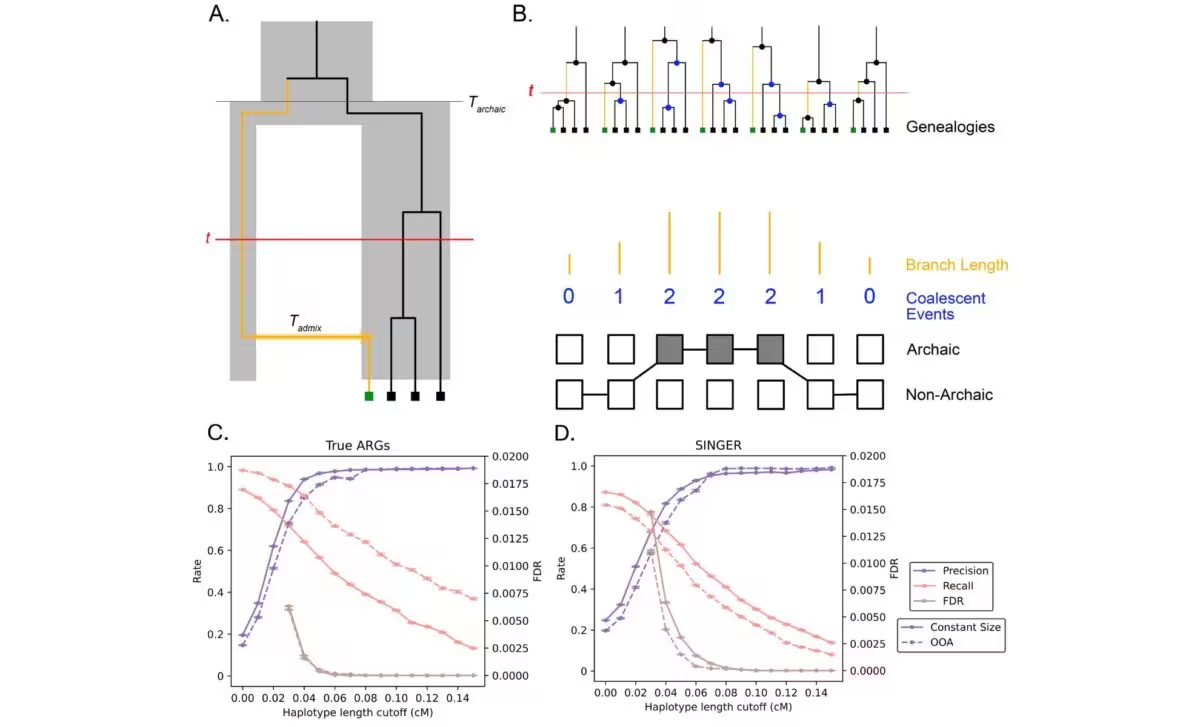
Signals of an Even Older Super‑Archaic Lineage
The analysis also uncovered evidence for a deeper branch, termed “super‑archaic,” that does not appear to have interbred directly with early modern humans.
Instead, the researchers propose that this super‑archaic group mixed with Denisovans in Eurasia. When Denisovans later contributed DNA to modern populations, a fraction of the ancient super‑archaic material was carried forward, especially in Oceanian groups that retain high Denisovan ancestry.
TRACE estimates that the super‑archaic lineage diverged from the ancestors of Homo sapiens about 1.77 million years ago, a timeline that aligns with earlier suggestions that Denisovans inherited DNA from a much older hominin source.
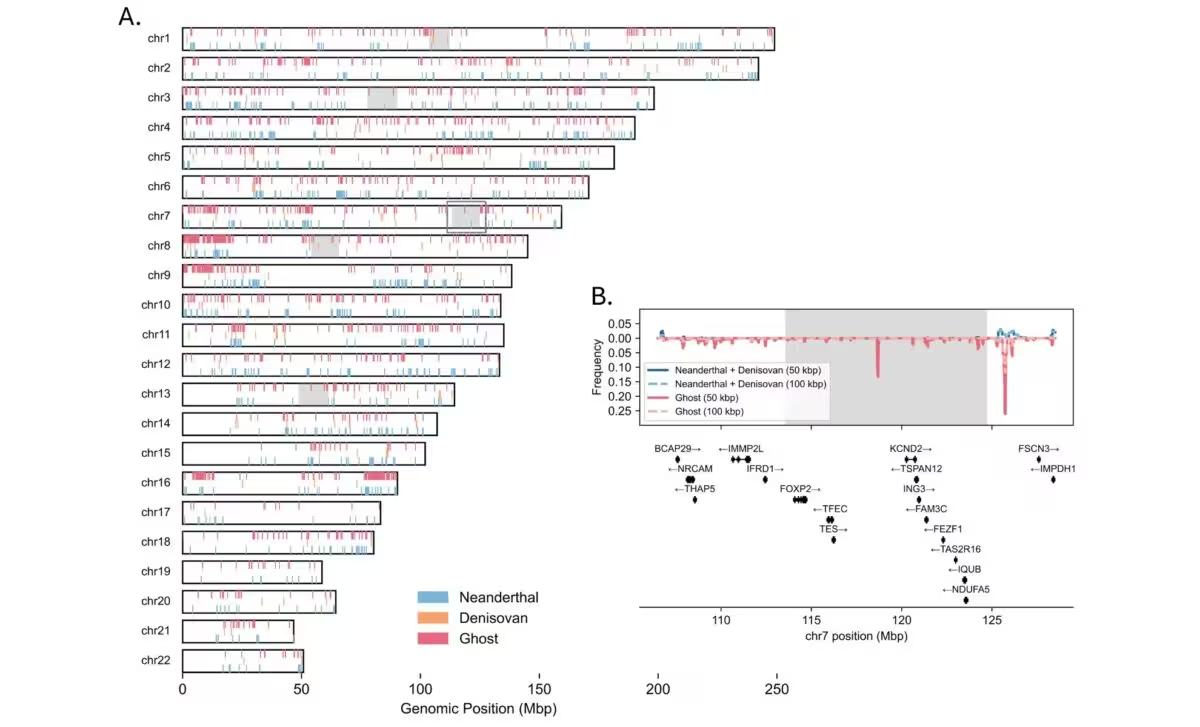
Arjun Biddanda, a postdoctoral scholar at Johns Hopkins University and co‑author of the study, emphasized that detecting genetic input from a lineage that lived more than a million years ago is remarkable given the complete lack of sequenced DNA from that population. Together, the ghost and super‑archaic contributions account for roughly 2 % of the average modern human genome.
The authors caution that the exact identities of these groups remain speculative. Archaeological records document several Middle Pleistocene Homo populations in Africa and Eurasia whose relationships to modern humans are still unresolved. The ghost branch could correspond to African Homo heidelbergensis or similar Middle Pleistocene hominins, while Homo erectus is a plausible candidate for the super‑archaic source.
Future investigations that incorporate a broader spectrum of contemporary genomes, additional Denisovan sequences, and newly recovered protein fragments from ancient fossils may help clarify the origins of these hidden lineages.
This article has been fact checked for accuracy, with information verified against reputable sources. Learn more about us and our editorial process.
Last reviewed on .
Article history
- Latest version
Reference(s)
- Zhang, Yulin., et al. “Recovering signatures of archaic hominin introgression using ancestral recombination graphs.” Science, July 30, 2026 American Association for the Advancement of Science (AAAS), doi: 10.1126/science.aef8874. <https://www.science.org/doi/10.1126/science.aef8874>.
- “Priya Moorjani | Research UC Berkeley.” <https://vcresearch.berkeley.edu/faculty/priya-moorjani>.
Cite this page:
- Posted by Elizabeth Taylor