DNA Reveals Shimao’s Patrilineal Society, Far‑Flung Connections and Unexpected Male Sacrifices
Ancient DNA from Shimao shows its late‑Neolithic residents mainly descended from local northern Shaanxi groups, yet also linked to far‑away populations.
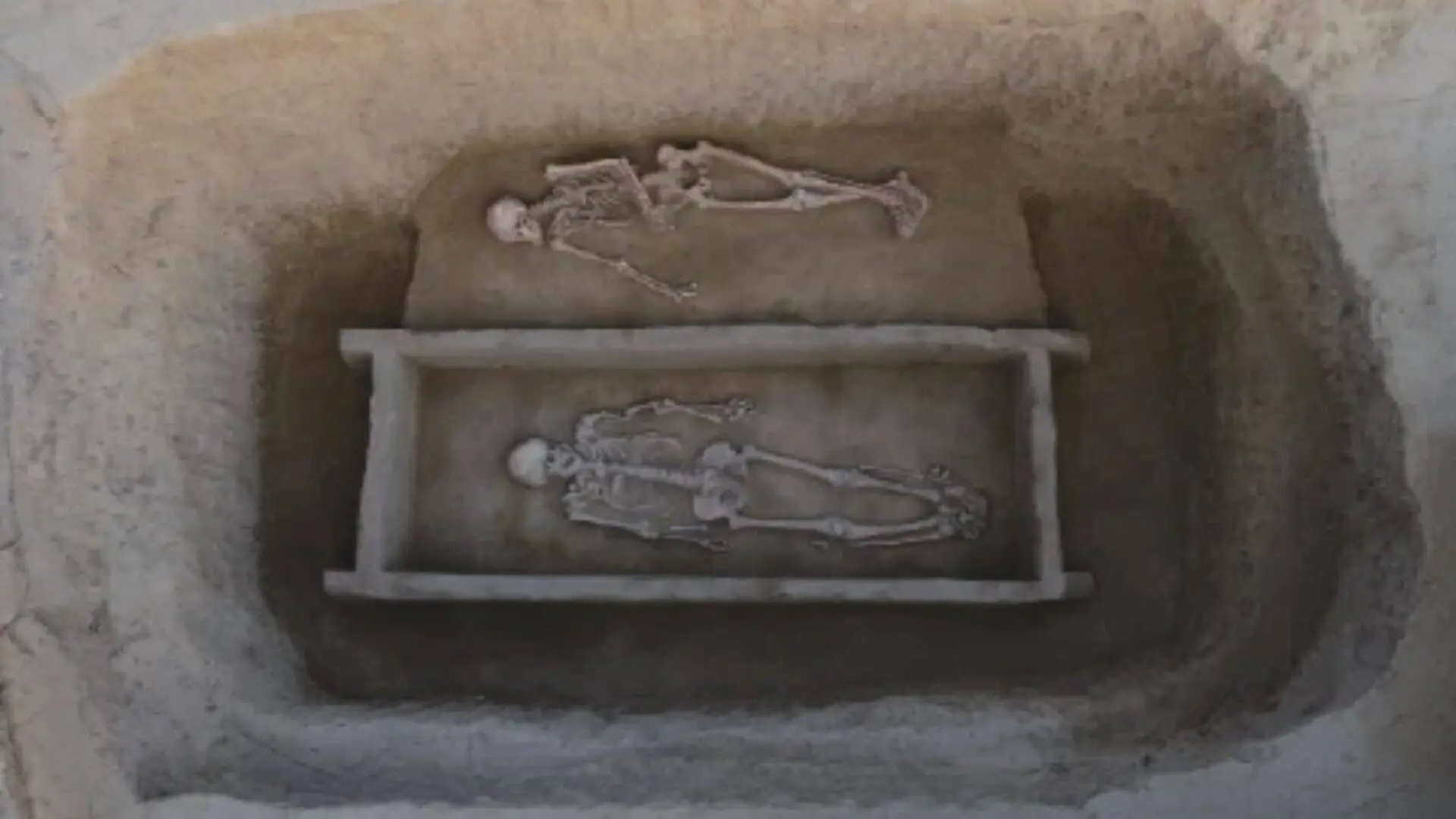
In the highlands of northern Shaanxi, the Neolithic settlement known as Shimao thrived roughly between 4200 and 3700 BCE. Spanning about four square kilometres, the site displays distinct zones for residential, defensive, and ritual functions, hinting at a sophisticated social hierarchy. A team from the Chinese Academy of Sciences extracted nuclear DNA from 169 ancient individuals—144 of whom were unrelated—to investigate ancestry, kinship, and mortuary customs.
Genomic Insights Map Local Roots and Distant Links
Comparative analysis with previously published ancient genomes from across China shows that the majority of Shimao’s inhabitants descended from populations already present in the region a millennium earlier, indicating a continuity of local gene pools. The study also uncovers genetic affinities with the Yangshao Culture, a widespread Neolithic tradition on the Loess Plateau, as noted by Prof. Qiaomei Fu and colleagues at the Institute of Vertebrate Paleontology and Paleoanthropology.
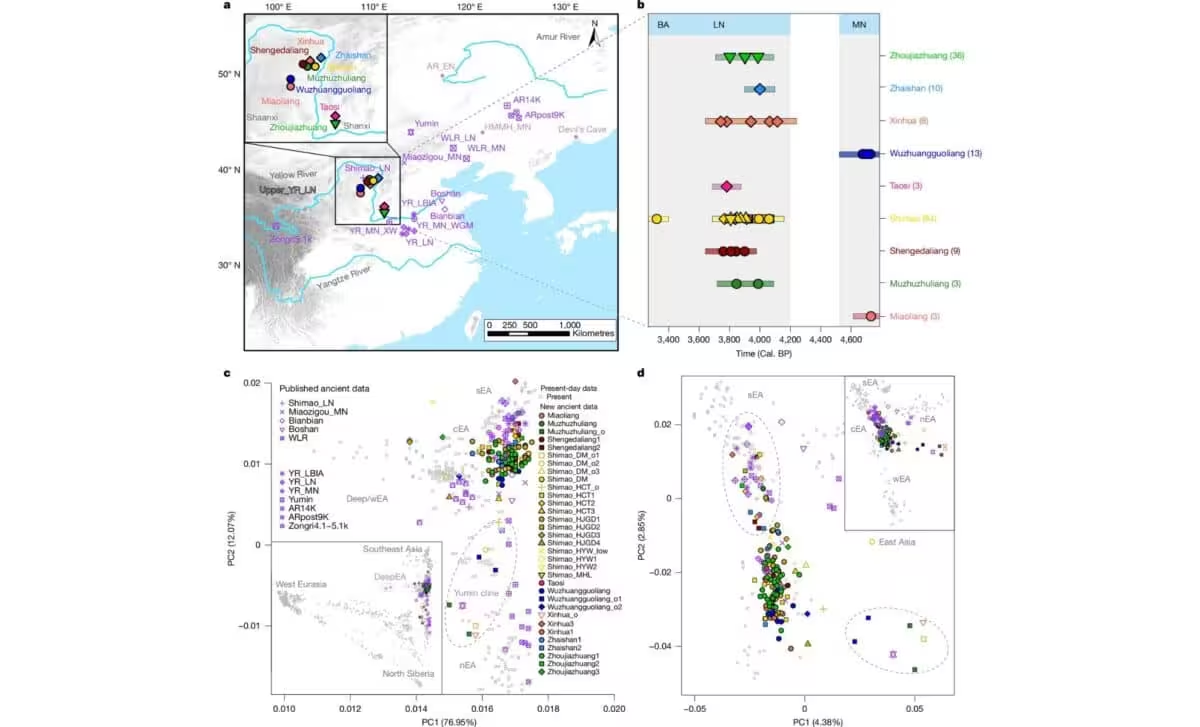
Beyond the immediate region, the DNA signatures reveal connections to groups linked with the Taosi Culture of southern Shanxi, steppe‑associated Yumin peoples, and southern rice‑cultivating communities. These genetic bridges suggest that Shimao participated in expansive interaction networks that linked agricultural and pastoral societies across northern, central, and southern China.
Kinship Networks and Structured Mortuary Practices
Excavations around the East Gate have yielded roughly 80 skulls, an unusually large assemblage for pre‑late Shang China. By reconstructing familial lineages from the DNA, researchers identified pedigrees extending up to four generations. The findings, published in Nature, demonstrate a patrilineal descent system and a patrilocal residence pattern, whereby women relocated to join their husbands’ households.
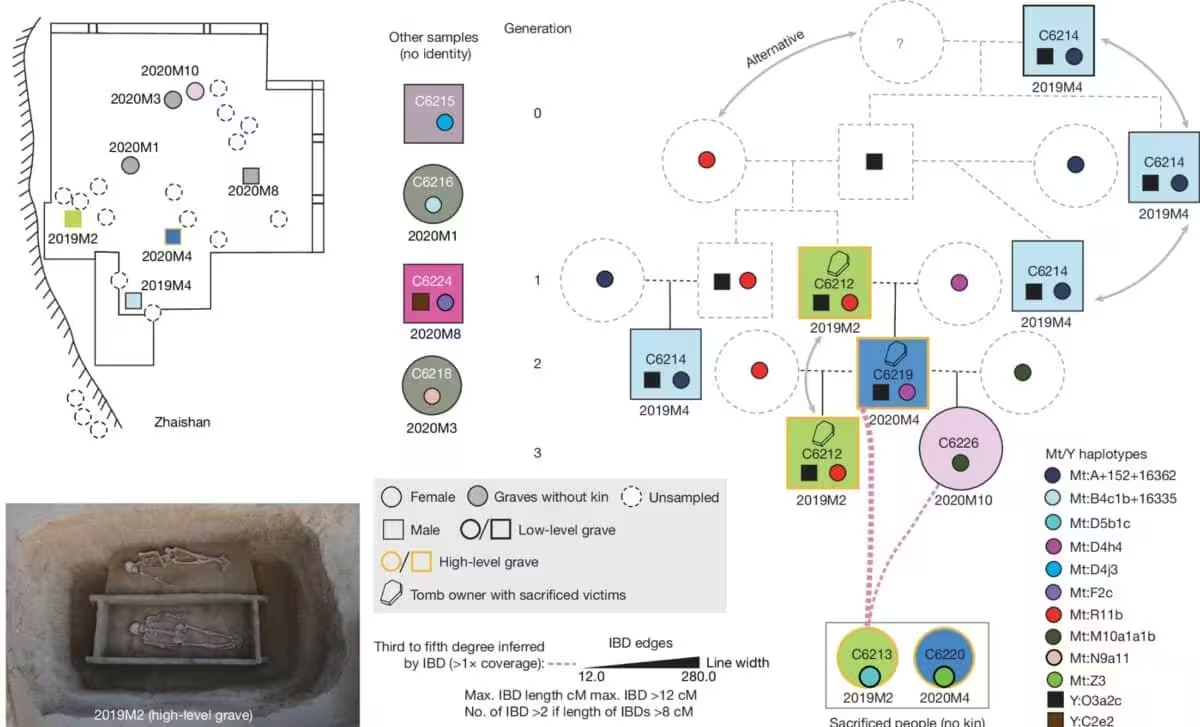
The genetic data also refine earlier interpretations of ritual sacrifice. While earlier reports emphasized female victims, the new analysis shows that nine of the ten examined burials near the East Gate belong to males, with female remains concentrated in elite cemeteries such as Huangchengtai and Hanjiagedan. This spatial segregation points to differentiated ceremonial practices tied to status and gender.
Together, the genomic and archaeological evidence provides a rare window into how lineage, inheritance, and social hierarchy may have been negotiated in one of China’s earliest complex settlements, shedding light on the broader processes that gave rise to early state formation in East Asia.
This article has been fact checked for accuracy, with information verified against reputable sources. Learn more about us and our editorial process.
Last reviewed on .
Article history
- Latest version
Reference(s)
- “Qiaomei Fu--TAN KAH KEE SCIENCE AWARD FOUNDATION.” <https://tsaf.cas.cn/en/hj/qnkxj/year/2022/202305/t20230529_4955106.html>.
- Chen, Zehui. “Ancient DNA from Shimao city records kinship practices in Neolithic China - Nature.”, vol. 648, no. 8094, pp. 659-667. Nature, doi: 10.1038/s41586-025-09799-x. <https://www.nature.com/articles/s41586-025-09799-x>.
Cite this page:
- Posted by Elizabeth Taylor