Scientists Uncover New Tiny Crab Species Hidden In South China Sea
Discover the overlooked tiny crab lurking beneath South China Sea rocks, missed by researchers studying similar species for years.
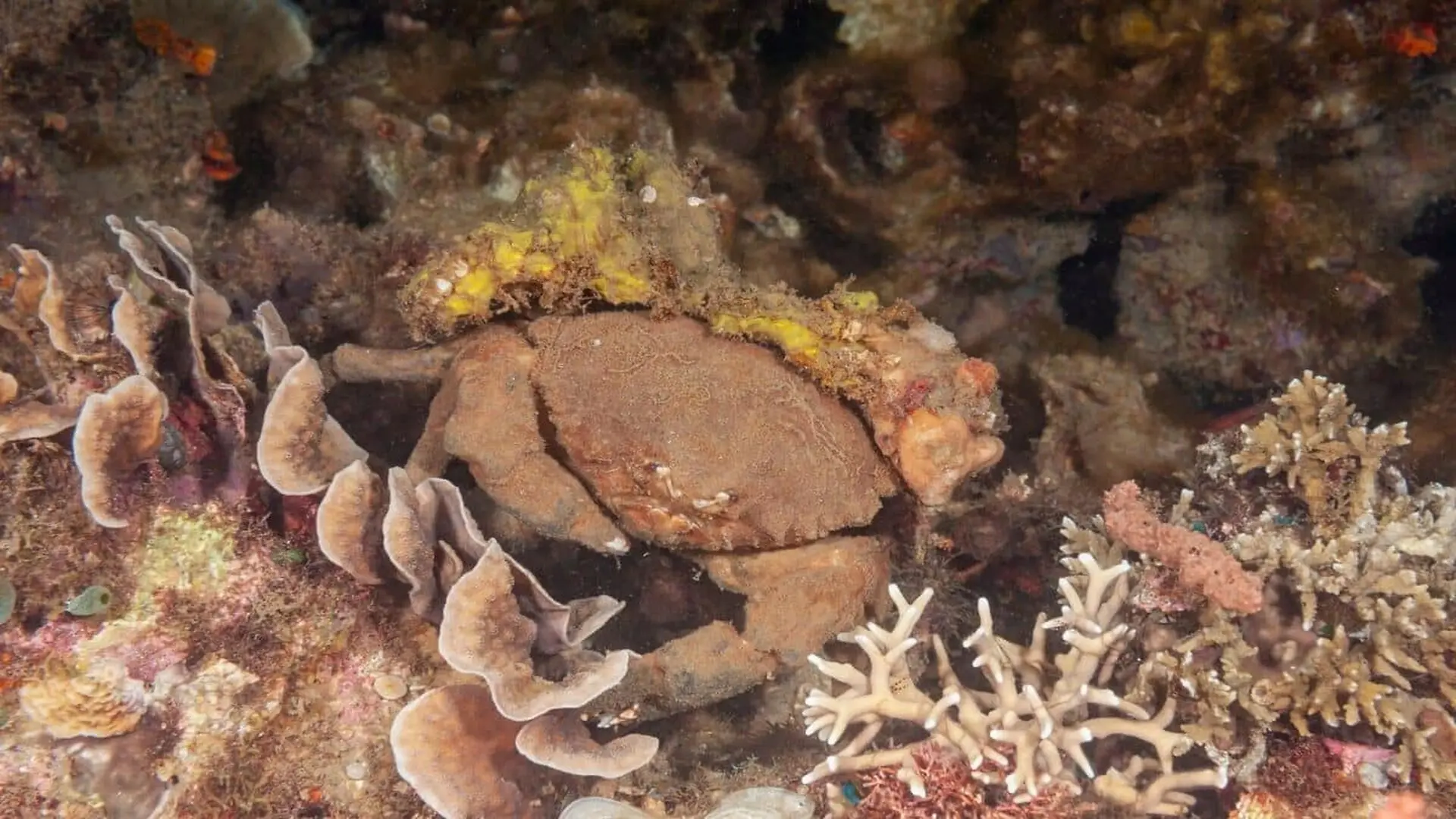
Scientists have described a previously unrecognized crab from the South China Sea, assigning it to a new species named Eucrate liui. The animal belongs to the family Euryplacidae, a lineage of burrowing crabs that inhabits the Indo‑West Pacific, and it raises the known count of the genus Eucrate from eight to nine.
Specimens were collected from shallow coastal waters near Beihai in Guangxi and from the Hainan coast of China. After preservation in 70 % ethanol, the samples were transferred to the Marine Biological Museum of the Chinese Academy of Sciences in Qingdao for detailed examination.
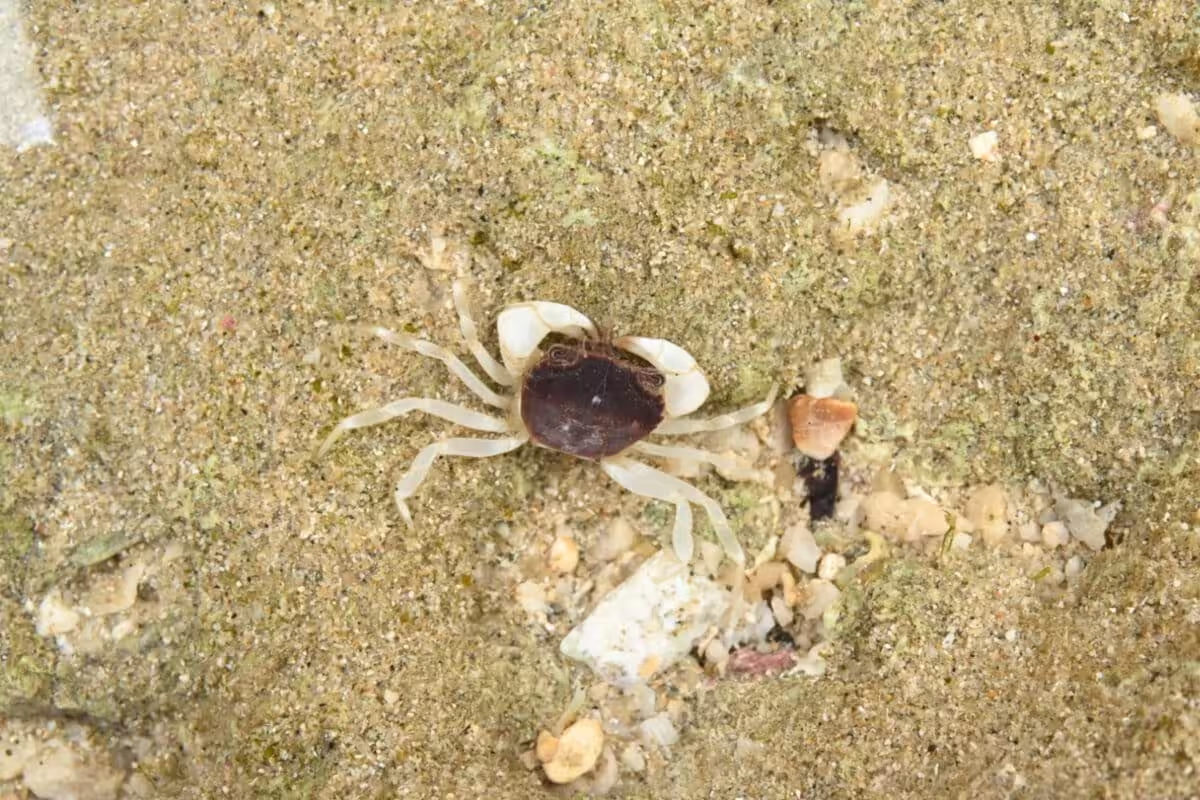
The largest individuals of Eucrate liui measured between 0.63 inches and 0.75 inches in length. Despite their diminutive size, the crabs display a range of shell colorations, from orange‑red and nearly black tones to grey‑brown marbled patterns.
The species honors Professor Liu Ruiyu, a prominent Chinese marine scientist who has contributed to major initiatives such as the National General Oceanographic Survey, the Sino‑Vietnam Joint Comprehensive Oceanographic Survey of Beibu Gulf, and the National Coastal Zone and Beach Resources Investigation.
This finding highlights how small, morphologically similar marine organisms can remain unnoticed in well‑studied coastal ecosystems.
Hidden Species Unveiled
Initial laboratory work mistakenly identified the specimens as Eucrate tripunctata, a crab previously recorded from Australia and Southeast Asia. Detailed morphological inspection revealed distinct differences in the carapace, frontal structures, and reproductive anatomy.
Compared with E. tripunctata, the new crab possesses a flatter carapace, sharper triangular teeth along the front edge, and a pronounced notch and groove on the frontal region. Additional raised ridges on the shell are absent from the previously known species.
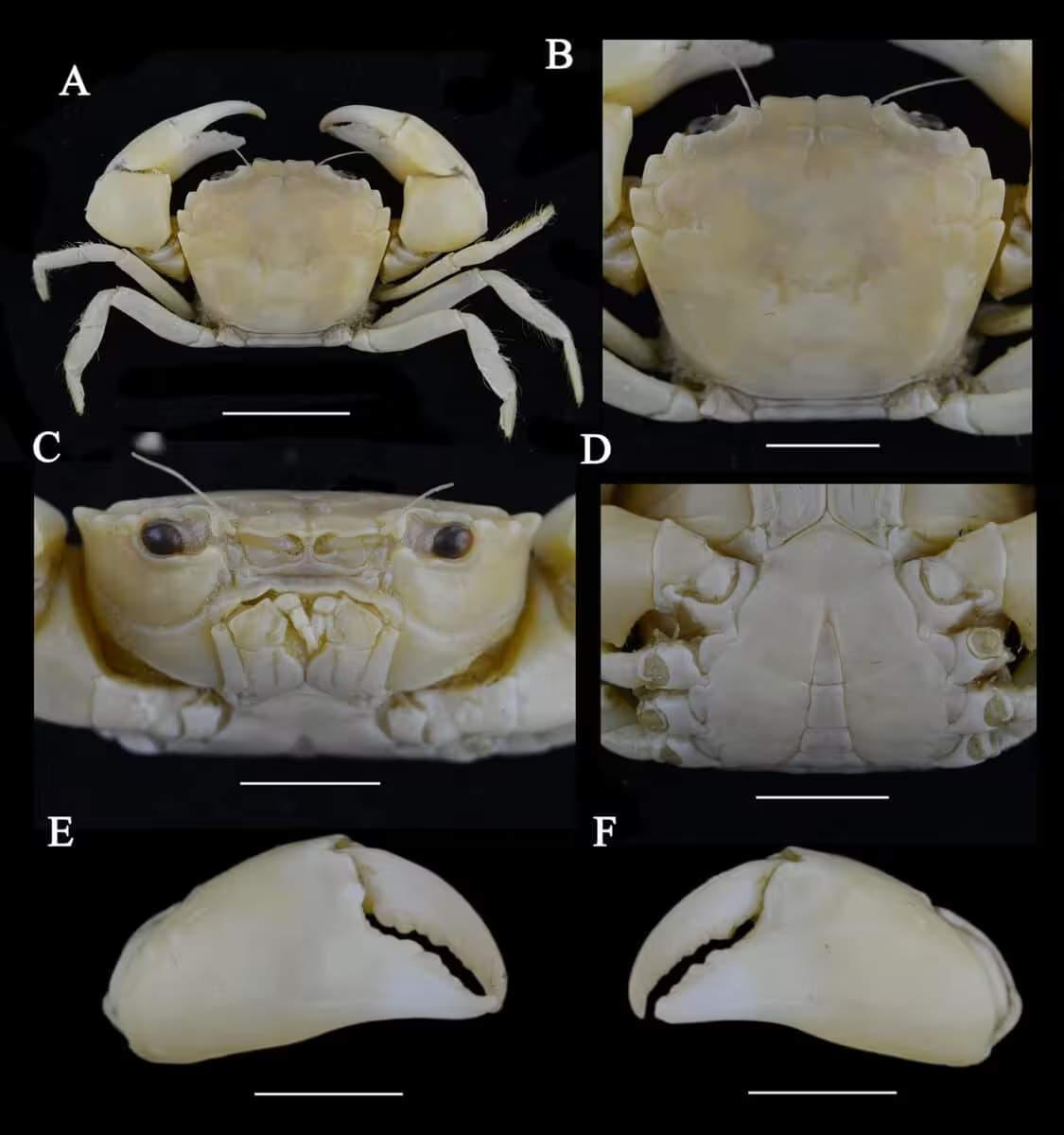
The reproductive structures of E. liui are notably shorter and feature a larger terminal opening, traits not observed in E. tripunctata. These anatomical distinctions, together with the shell characteristics, support recognition of a separate species.
Genetic Analysis Validates New Species Status
Molecular work focused on the mitochondrial cytochrome c oxidase I (COI) gene. Comparison of COI sequences revealed an average divergence of roughly 8.7 percent between E. liui and E. tripunctata, exceeding the genetic gaps documented for many closely related marine taxa.
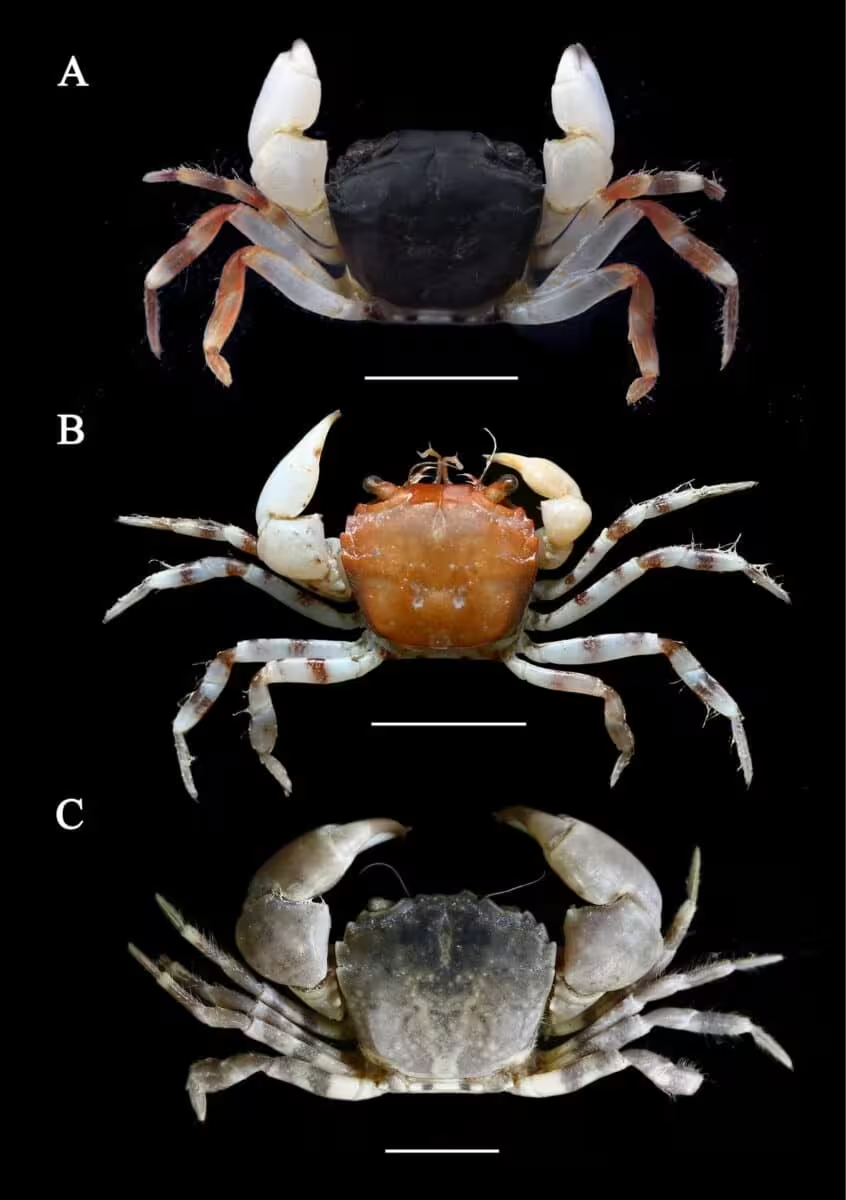
Integrating the genetic data with morphological evidence confirmed that Eucrate liui constitutes a distinct taxon. The study also documented the presence of E. tripunctata in the South China Sea, extending the known distribution of that species into Chinese waters.
This article has been fact checked for accuracy, with information verified against reputable sources. Learn more about us and our editorial process.
Last reviewed on .
Article history
- Latest version
Cite this page:
- Posted by Elizabeth Taylor