How a Reporter Bought a $3.7 Million Fake Hitler Diary and Got Exposed in Two Weeks
A forger used mismatched gothic script, post-war glue and tea‑aged covers to fool a major German magazine into believing he’d found 60 Hitler diaries.
The rapid collapse of a sensational claim about Adolf Hitler’s personal journals stands out as one of the swiftest exposures of fraud in modern publishing. What began with a high‑profile press event turned into a debunked hoax in barely two weeks after basic forensic tests were finally applied to documents that had already changed owners for millions of dollars.
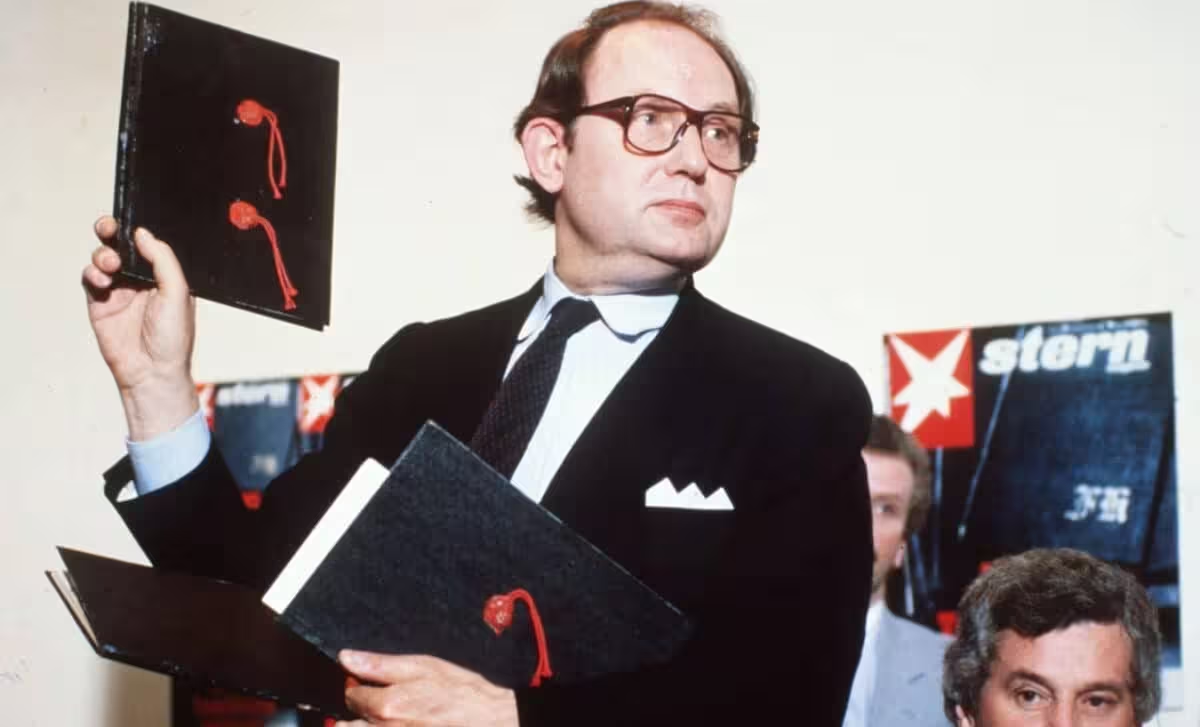
The story started when Stern, a German weekly news magazine, was presented with a startling offer: a set of sixty handwritten volumes allegedly penned by Hitler from 1932 to 1945, supposedly rescued from a wartime aircraft crash and hidden away in a rural hayloft for decades. The magazine transferred 9.3 million Deutsche Marks (about $3.7 million) to a Stuttgart antiques dealer, while London’s Sunday Times secured the rights to serialize the material for more than $1 million—both before any scientific verification was performed.
Inside the Fabrication: A Reporter, a Forgery Artist and a False Deal
The notebooks arrived at Stern via Gerd Heidemann, a journalist who claimed the offer came from a dealer named Konrad Fischer. In reality, the name concealed Konrad Kujau, a known maker of counterfeit Nazi artefacts who hand‑produced the volumes between 1981 and 1983. Heidemann later faced conviction alongside Kujau and received a prison term exceeding four years after it emerged that he had siphoned a sizable portion of the magazine’s payment for himself. Kujau, after confessing, maintained that Heidemann was aware of the deception, a charge the reporter denied.
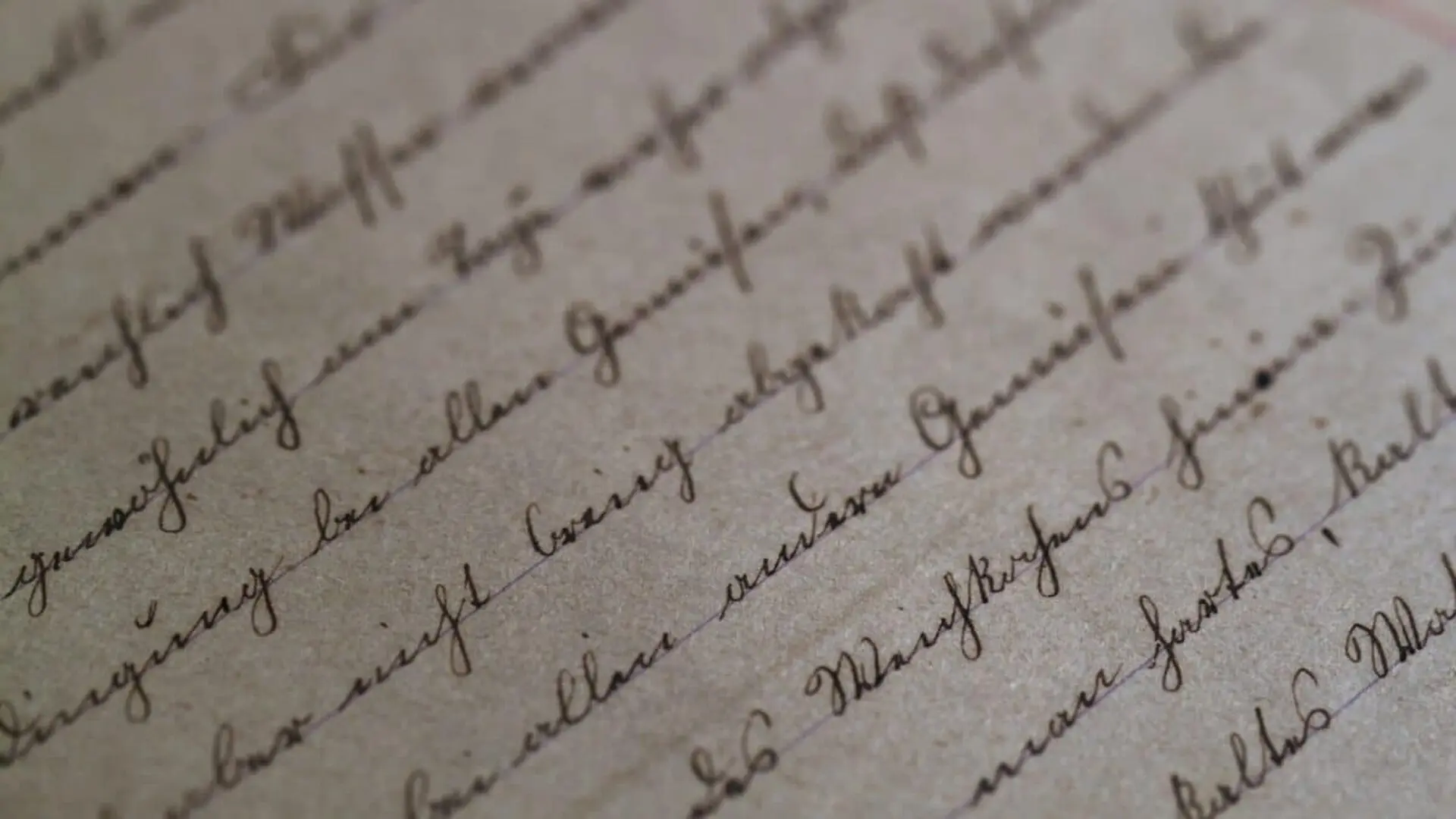
“There are 60 diaries, they look a bit like school exercise books but with a hard cover. They have seals outside with a swastika and an eagle and inside of course, Hitler’s very spidery gothic handwriting.”
The distinctive script in the quote was Kujau’s own hand, not Hitler’s, and the seal of authenticity that Stern presented at its Hamburg press conference rested on a verification that never actually occurred.
Material and Content Clues That Exposed the Fake
A close inspection of the notebooks revealed glaring inconsistencies. The paper, glue and ink used in the volumes were all products of post‑1945 manufacture, making it impossible for the diaries to have originated during Hitler’s lifetime. Kujau attempted to age the covers with tea, but even his imitation of Hitler’s signature was crude enough for lay observers to spot the forgery. An additional mistake involved the use of the initials “FH” on several covers, a mix‑up of the gothic script Hitler favored, which should have read “AH.”
The textual material also betrayed the ruse. The entries mention events that Hitler could not have known and employ language more typical of the late‑20th century than of the 1930s‑40s. Strikingly, they omit any reference to the Holocaust’s systematic extermination of Jews or the concentration‑camp system, despite spanning the exact years when those atrocities occurred.
According to Britannica, the authentication process that should have caught these flaws was itself compromised. Stern told historian Hugh Trevor‑Roper—who initially endorsed the diaries’ authenticity—that chemical analysis of the paper had already been completed, when in fact no such testing had taken place. Trevor‑Roper later admitted that the sheer volume of material overwhelmed his judgment, and his reputation suffered a severe blow once the deception was uncovered. A former German officer who had served close to Hitler also publicly affirmed that Hitler never kept a personal diary and, after surviving a 1944 assassination attempt, lacked the physical capacity to write.
Motives Behind the Hoax and Its Aftermath
Kujau later explained that he had constructed the diaries by expanding on a published collection of Hitler’s speeches and writings, inserting fabricated personal details ranging from digestive complaints to imagined conversations with Eva Braun. Some of the false passages even portrayed Hitler as opposed to early anti‑Jewish violence, an effort to soften his historical image.
“The decisive thing is that the publisher and Kujau and Heidemann [and] the journalistic highest level of the Stern magazine were interested in the issue itself: to rewrite the history of the Third Reich,”
Funke added that the shared aim was “to relativize his deeds—and this is a scandal.” In the wake of the revelation, both Kujau and Heidemann received prison sentences exceeding four years, while numerous staff members at Stern and the Sunday Times lost their positions. Kujau served three years before being released and subsequently marketed what he called “genuine forgeries” of famous paintings.
This article has been fact checked for accuracy, with information verified against reputable sources. Learn more about us and our editorial process.
Last reviewed on .
Article history
- Latest version
Cite this page:
- Posted by Elizabeth Taylor