Why Did Healthy Neanderthals Vanish? New Genomes Reveal No Inbreeding
New Nature study of 27 Neanderthal genomes shows late Neanderthals were more connected and genetically healthier, challenging the inbreeding extinction idea.
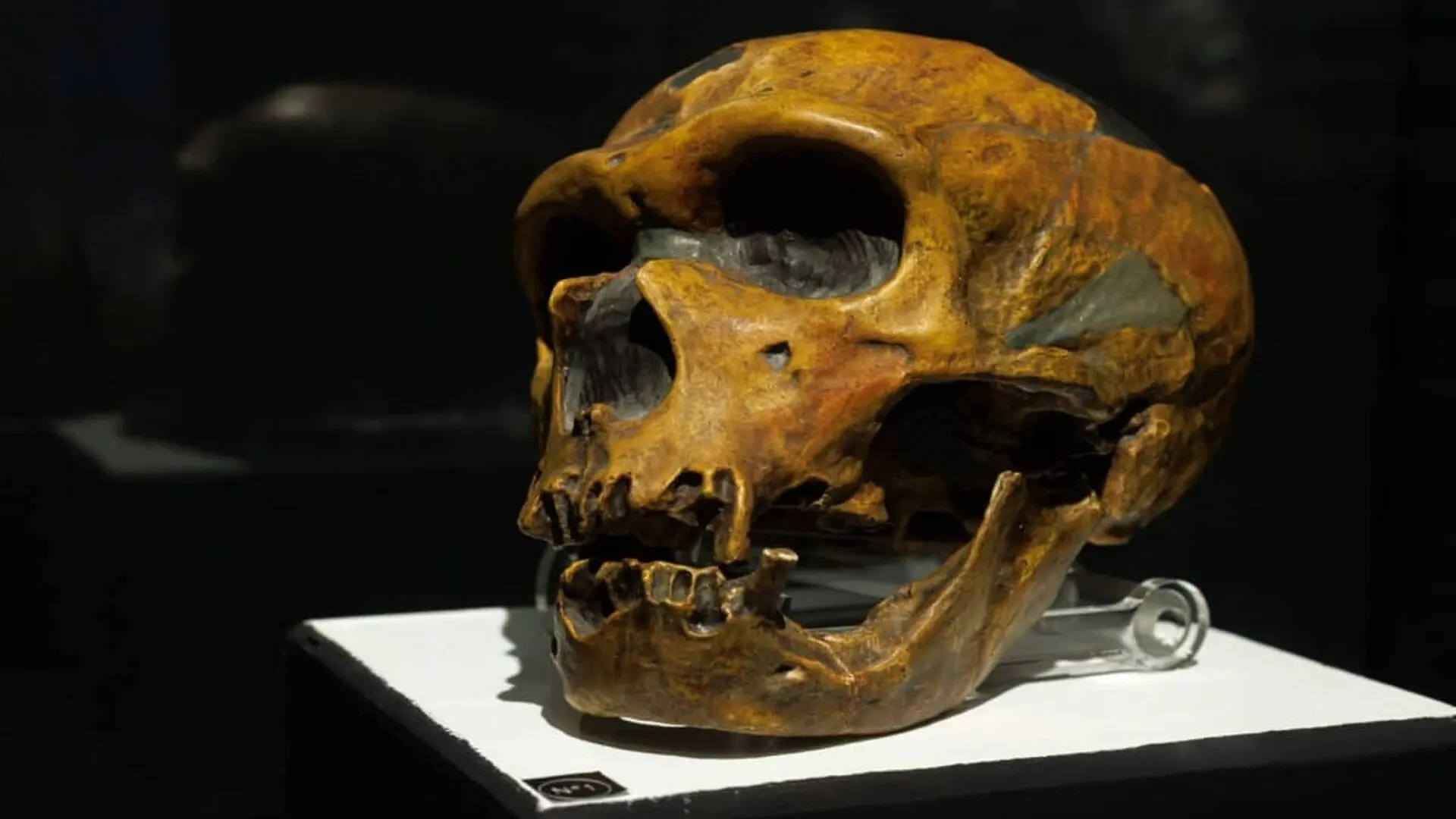
Evolutionary anthropologist Alba Bossoms Mesa headed an extensive international collaboration centred at the Max Planck Institute for Evolutionary Anthropology in Germany. By analysing some of the final Neanderthal groups that lived in north‑western Europe, the team provides fresh insight into a long‑standing puzzle: what led to the disappearance of our closest extinct relatives?
A Strong Genetic Profile Near the End of Their Lineage
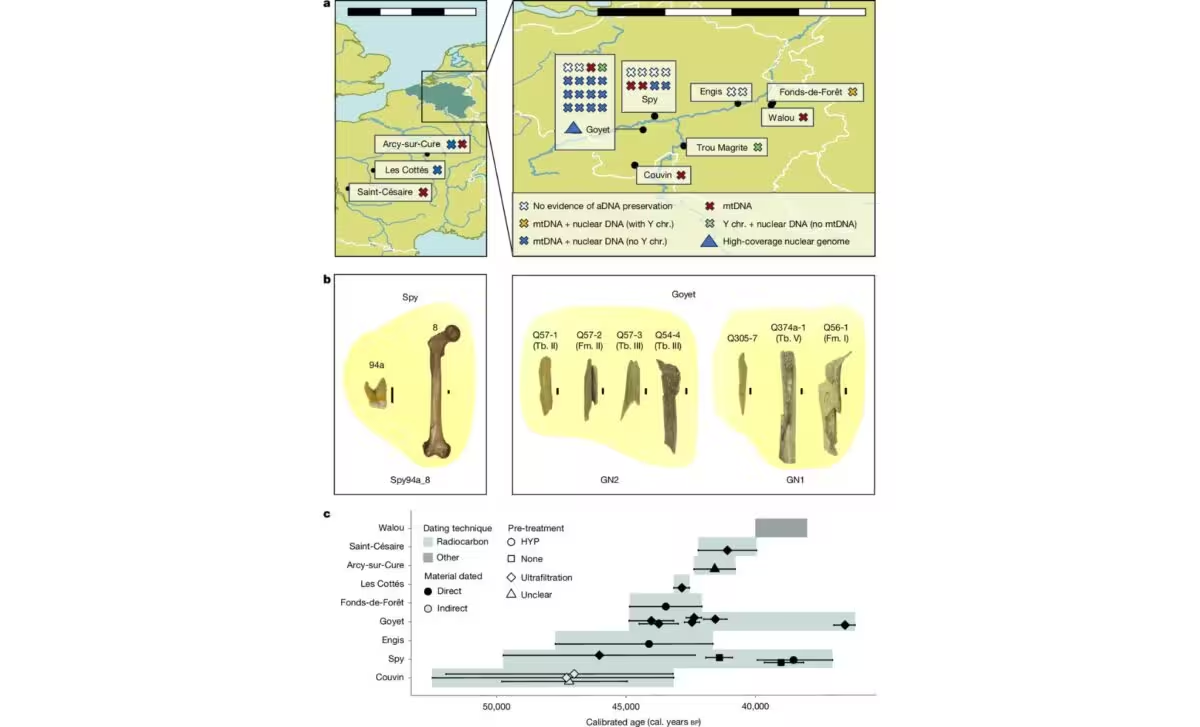
The researchers examined 27 individuals who lived less than 52,500 years ago, recovered from seven Belgian sites in the Meuse Basin and two French locations. Among the specimens were Engis 2, the first Neanderthal fossil discovered in 1829, the “Walou” molar unearthed in 1997, and a femur from Trou Magrite that had been misidentified as another species until 2013.
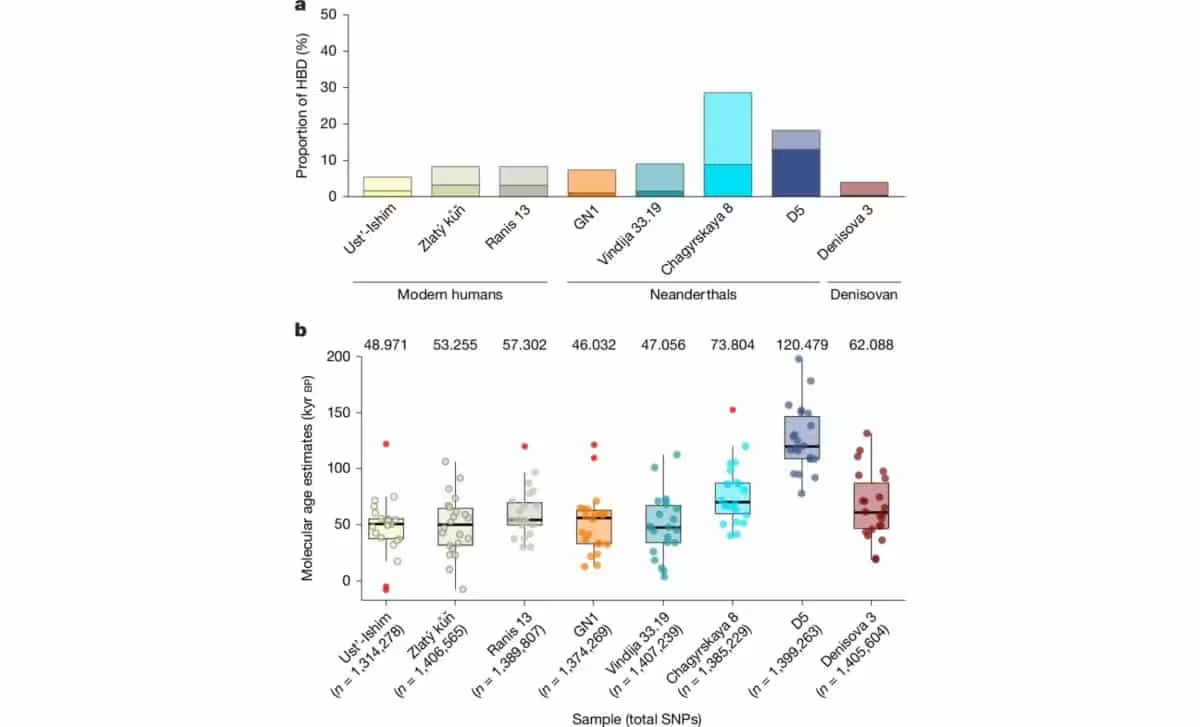
Even with their great age, the team succeeded in retrieving DNA at an unprecedented resolution. The most notable achievement is a high‑coverage genome from the GN1 individual, found in Belgium’s Goyet Cave and dated to roughly 45,000 years ago. This genome, only the fifth high‑coverage Neanderthal sequence ever produced, shows no signs of heightened inbreeding or a buildup of deleterious mutations over time.
According to the Nature study, the share of the GN1 genome that falls within homozygous‑by‑descent segments—an indicator of recent inbreeding—is similar to that of the Vindija 33.19 Neanderthal from Croatia and considerably lower than the values observed in older Siberian specimens such as Chagyrskaya and Altai. The authors therefore found no indication that a rising genetic load contributed to the ultimate disappearance of Neanderthals.
“The genomes reveal no pattern of increasing genetic burden or reduced variability over time, offering little support for the idea that genetic decline drove Neanderthal extinction,” Bossoms Mesa told ScienceAlert.
Wide‑Ranging Gene Flow Linked Neanderthal Communities Across the West
Earlier research suggested inbreeding because most high‑quality Neanderthal genomes had been recovered from the Chagyrskaya and Denisova caves in Siberia—populations at the far‑eastern fringe of the Neanderthal range, where isolation could have limited genetic exchange. In contrast, the Belgian and French groups appear to belong to a broader, more dynamic network.
Genetic analyses indicate that the Meuse‑Basin Neanderthals were more closely related to each other than to other late‑period individuals, yet they still displayed low inbreeding levels within that regional cluster. Modelling of population dynamics suggests regular gene flow among groups spanning from Belgium and France to Croatia.
The team also tackled a contentious issue in pre‑historic research: whether late Neanderthals interbred with modern humans during their prolonged overlap in north‑western Europe, potentially spanning up to 500 generations. Screening all 27 genomes for modern‑human DNA, the researchers uncovered no compelling evidence of recent admixture in the direction of Neanderthals.
Published findings in Nature reveal that gene flow was largely asymmetric. While ancient modern humans across Eurasia carry Neanderthal ancestry—sometimes from ancestors only four to ten generations prior—no Neanderthal genome examined to date shows a recent modern‑human ancestor. The authors suggest this pattern may reflect the demographic realities of early contacts rather than a complete lack of interaction. The reasons why these genetically vigorous, interconnected groups ultimately vanished remain unresolved, though the new data narrow the range of plausible explanations.
This article has been fact checked for accuracy, with information verified against reputable sources. Learn more about us and our editorial process.
Last reviewed on .
Article history
- Latest version
Reference(s)
- <https://www.researchgate.net/profile/Alba-Mesa-5>.
- Bossoms Mesa, Alba. “Genetic diversity of late Neanderthals in northwestern Europe - Nature.”, June 24, 2026, pp. 1-9. Nature, doi: 10.1038/s41586-026-10625-1. <https://www.nature.com/articles/s41586-026-10625-1>.
Cite this page:
- Posted by Elizabeth Taylor