Ancient Tooth Proteins Reveal Possible All‑Female Homo Naledi Group in South Africa
Ancient proteins from fossil teeth uncover a surprising pattern in Homo naledi, deepening the mystery of this contentious paleoanthropology site.
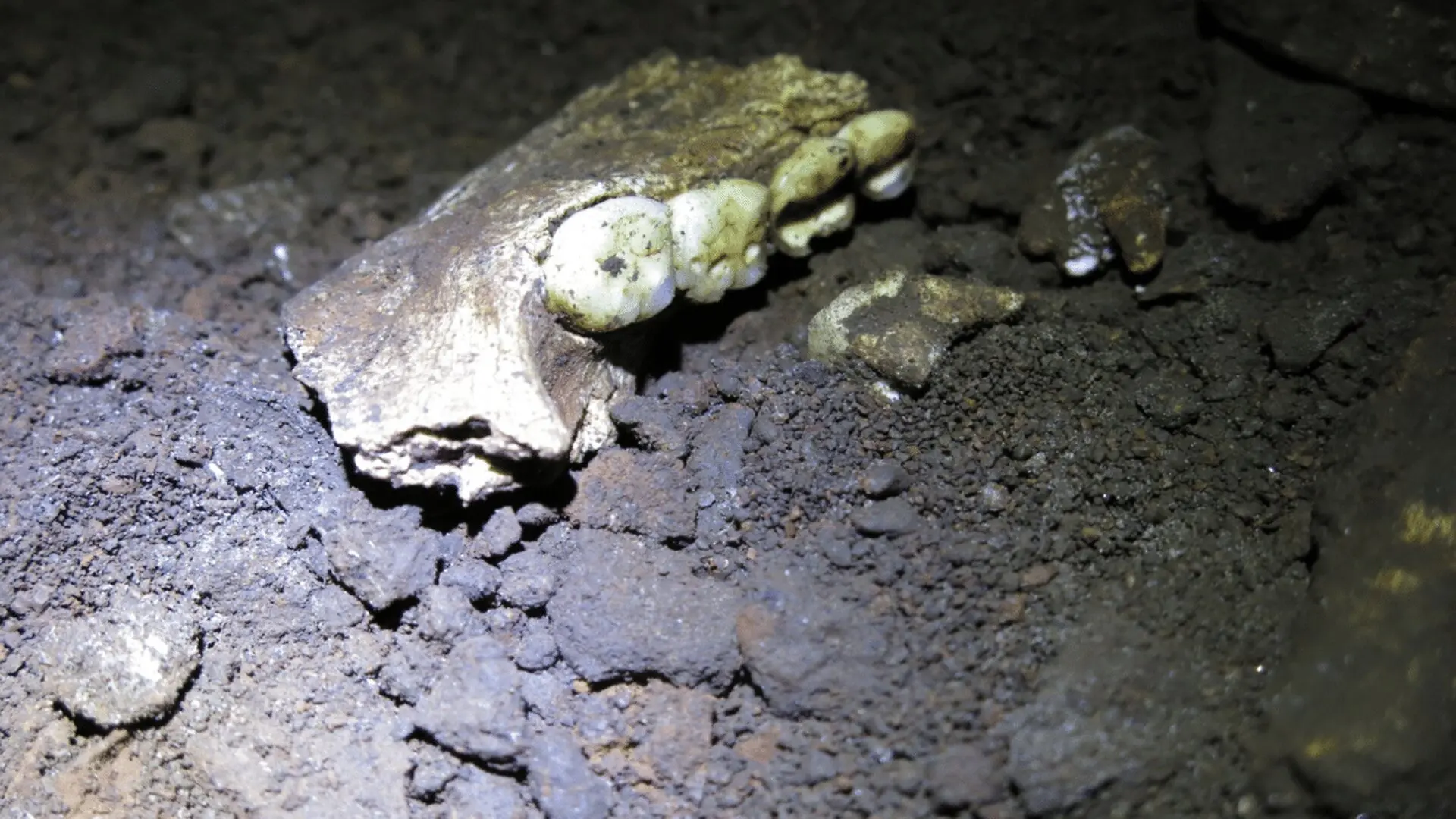
A fresh investigation of fossil teeth from South Africa’s Rising Star Cave has uncovered a puzzling pattern that may upend current ideas about the extinct hominin Homo naledi. By detecting ancient protein fragments preserved in dental enamel, scientists found that the assemblage could be composed almost entirely of females, a scenario that raises fresh questions about the group’s biology, social dynamics and possible funerary customs.
Protein signatures from teeth suggest an unexpected sex distribution
Researchers examined enamel from a series of teeth belonging to at least 20 individuals of Homo naledi, dated to roughly 236,000–335,000 years ago. Because DNA rarely survives in warm, ancient contexts, the team turned to proteins, which can remain stable for hundreds of millennia. Their analysis identified markers associated with the X chromosome in every sample, yet failed to detect any Y‑linked protein signatures.
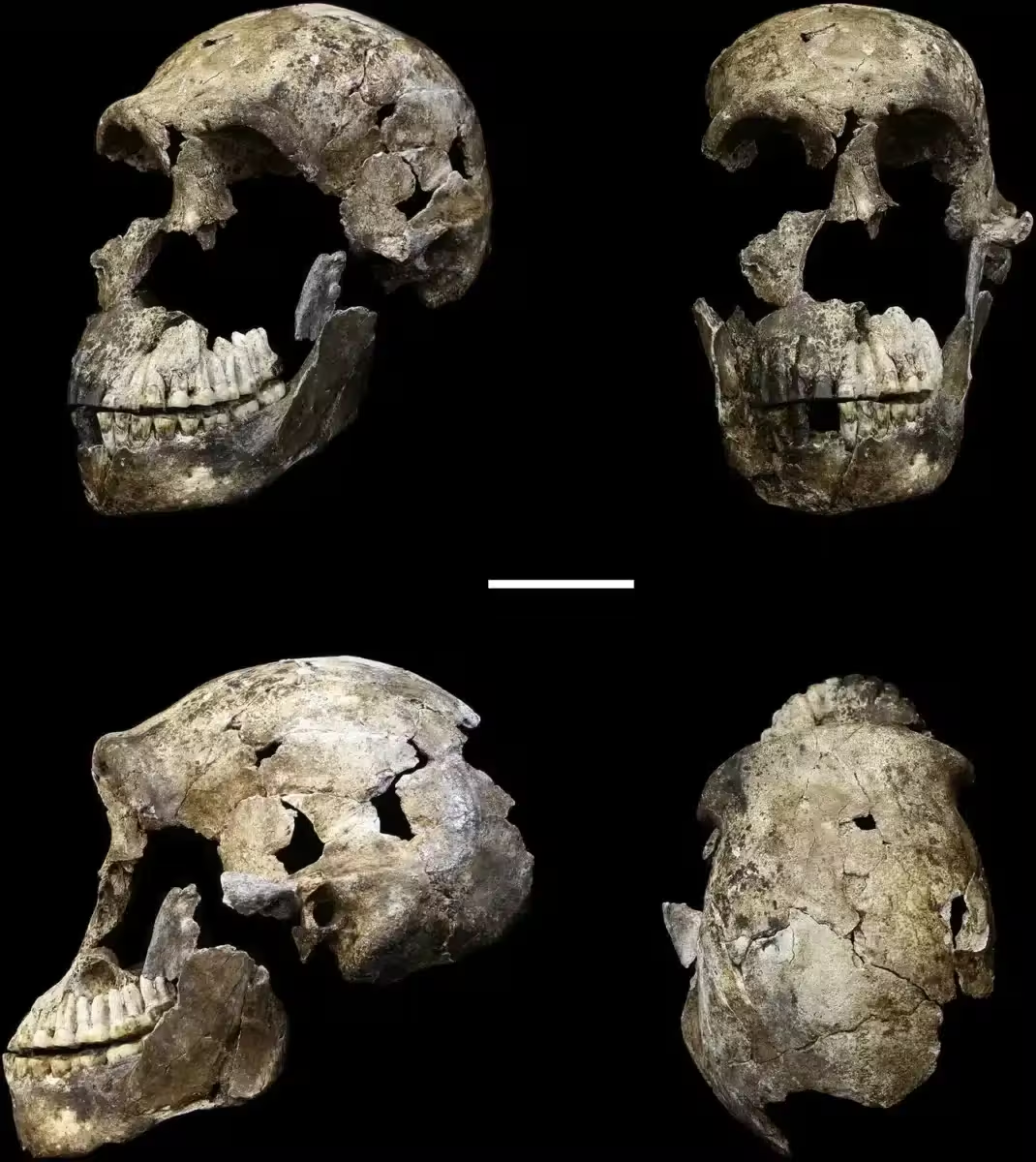
The absence of Y‑linked proteins does not automatically confirm a lack of males, but it does highlight a pattern that demands explanation. Statistical modeling performed by the authors indicates a high probability that most of the examined individuals were biologically female, prompting speculation about the social or cultural mechanisms that could have led to such a demographic skew.
Could a predominantly female burial site reshape our view of Homo naledi?
If the cave indeed housed chiefly or exclusively female bodies, the implication extends far beyond simple population statistics. It could hint at sex‑specific mortuary practices, segregation of bodies after death, or a unique social structure not seen in other hominin assemblages. The authors caution that the evidence remains indirect, yet they stress that “either scenario would have very interesting implications for the biology and evolution of H. naledi,” as stated in their Cell paper.
A female‑heavy composition might also support the notion that the cave was deliberately used as a repository, rather than serving as a natural trap for remains. Such an interpretation would add a new dimension to long‑standing debates about the cognitive abilities of a species whose brain size is modest compared with modern humans.
Dental enamel emerges as a molecular archive for deep time
The study underscores the growing relevance of paleoproteomics in human evolution research. While DNA deteriorates quickly under many environmental conditions, proteins embedded in tooth enamel—one of the hardest tissues in the body—can persist for millions of years. Evolutionary anthropologist Palesa Madupe of the University of Copenhagen explained that enamel acts as a protective shield, preserving protein fragments from contamination and degradation.
“These enamel‑bound proteins act as reliable carriers of genetic information from deep time,” she said. “Our findings suggest that the limited variation observed in Homo naledi may stem from a largely single‑sex sample.”
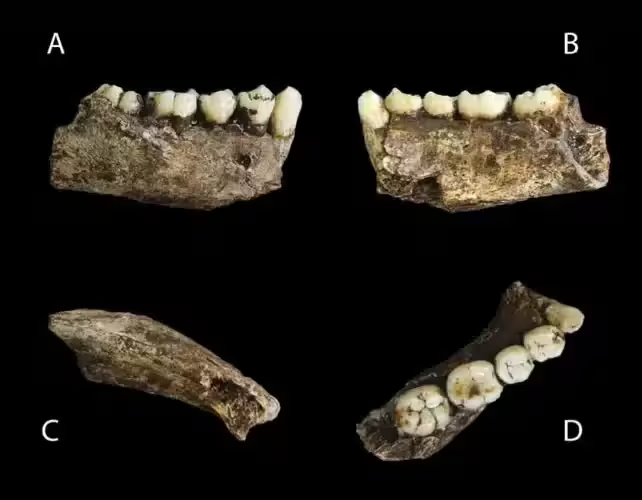
The research, published in Cell, exemplifies how protein analysis can retrieve biological signals that were previously inaccessible, opening new avenues for reconstructing the lives of extinct hominins.
Alternative genetic scenarios for missing male markers
Another plausible explanation for the lack of Y‑linked proteins is that the male individuals in this population may have carried mutations that altered or eliminated the target protein sequences. In such a case, conventional proteomic screening would fail to flag them as male, even though they were present.
If a mutation suppressed the expected Y‑chromosome marker, it would suggest that Homo naledi experienced a severe bottleneck or prolonged isolation, allowing rare genetic changes to become fixed. This hypothesis could account for several atypical traits previously noted in the species and reinforce the idea that early hominin evolution was far more intricate than once believed.
The burial‑behavior debate remains open
Rising Star Cave has long been a focal point for discussions about intentional body disposal among early humans. Some scholars argue that the site provides evidence of purposeful burial, potentially pushing the origins of such behavior deeper into the Pleistocene. Others contend that the cave’s geometry and the modest brain size of Homo naledi make complex funerary rites unlikely.
The new protein data add another layer to this controversy. A predominantly female assemblage raises fresh questions: Was the chamber reserved for a particular social group? Did cultural norms dictate who could be placed there? Or might the pattern reflect purely biological factors rather than conscious practice?
Fossil chemist Marc Dickinson of the University of York emphasized the broader significance, stating, “The scarcity of male markers is striking and offers a rare glimpse into both the biology and the possible cultural habits of our ancestors.” He added, “Advances in ancient protein techniques are expanding our capacity to explore the nuanced histories of hominin groups that were once considered beyond reach.”
As research on the Rising Star system continues and analytical methods become ever more refined, Homo naledi persists as one of the most enigmatic branches on the human family tree. Rather than settling longstanding debates, the latest findings deepen the mystery, ensuring that the underground chambers of South Africa will keep inspiring scientific inquiry for years to come.
This article has been fact checked for accuracy, with information verified against reputable sources. Learn more about us and our editorial process.
Last reviewed on .
Article history
- Latest version
Cite this page:
- Posted by Elizabeth Taylor