 Play Video
Encyclopedia of Molecular Mechanisms of Disease, 1st Edition - 2009
BIOSCIENCE Genuine Download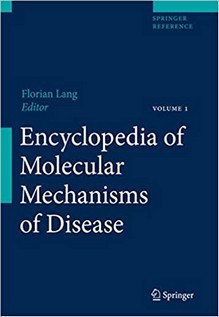
Synopsis
This comprehensive encyclopedia supplies the reader with concise information on the molecular pathophysiology of disease. Entries include defined diseases (such...
Read MoreDescription
Determining and understanding the molecular mechanisms of disease is one of the key goals of modern medical research. The studies of medical genetics, microbiology, immunology, structural biology, molecular cell biology, neuroscience and developmental biology have been brought to bear on the full range of human diseases. This comprehensive Encyclopedia supplies the reader with concise information on molecular pathophysiology of human disease.
Entries include both defined diseases (such as Parkinson's disease) and pathophysiological entities (such as tremor). The more than 1,200 entries are structured to allow rapid retrieval of information. For more detailed reading, each entry is followed by up to 5 references. The individual entries are written by leading experts in the respective area of research to ensure state-of-the-art descriptions of the mechanisms involved.
Instructions
A comprehensive survey of the current state-of-the-art in hematopoietic stem cell transplantation for malignant disease. The authors focus on the indications and results of transplantation for acute leukemia, chronic myelogenous leukemia, lymphoma, multiple myeloma, and breast cancer. Special attention is given to transplant-related complications, including the pathophysiology and clinical consequences of acute and chronic GVHD, delayed immune reconstitution leading to infectious complications, and organ damage to the lung and liver. Additional chapters address the sources of stem cells and the effects of graft manipulation used to eliminate residual contaminating tumor cells in autologous transplantation, or to reduce the number of T lymphocytes causing GVHD in allogenic transplantation.
Critic's Review
About the Author
Florian Lang is professor of physiology and chair of the department at the University of Tübingen in Germany. He studied medicine in Munich and Glasgow and has held positions at the University of Innsbruck, the Mayo Clinic, Yale University, the University of Naples and the Max Planck Institute, Frankfurt. He is a cell physiologist whose specific interest lies in the physiology of host cells invaded by pathogens.
Review by:
Specification
Print books like other physical objects have physical characteristics that are important to retailers. When a retailer is preparing to sell an item, they have to know how much space it will take up on the shelves, how much it weighs, and more. These physical specs also help consumers visualize the size of a book. Physical specs include the dimensions, the weight, and the page count of a book.
Disclaimer: The information on this website is provided on "as is, as available basis" without warranty of any kind. BIOSCIENCE is not responsible for any omissions, inaccuracies or other errors in the information it publishes. All warranties with respect to this information are disclaimed. The trademarks, marques and logos of the publisher(s), author(s), distributor(s) of the books, etc. are the property of their respective owners.