Mouse-Lemur-Sized Primate Discovered in Wyoming Upends 50-Million-Year Evolution Theory
A tiny Wyoming sandstone fossil suggests the known story of an ancient primate group is incomplete, reshaping our evolutionary understanding.
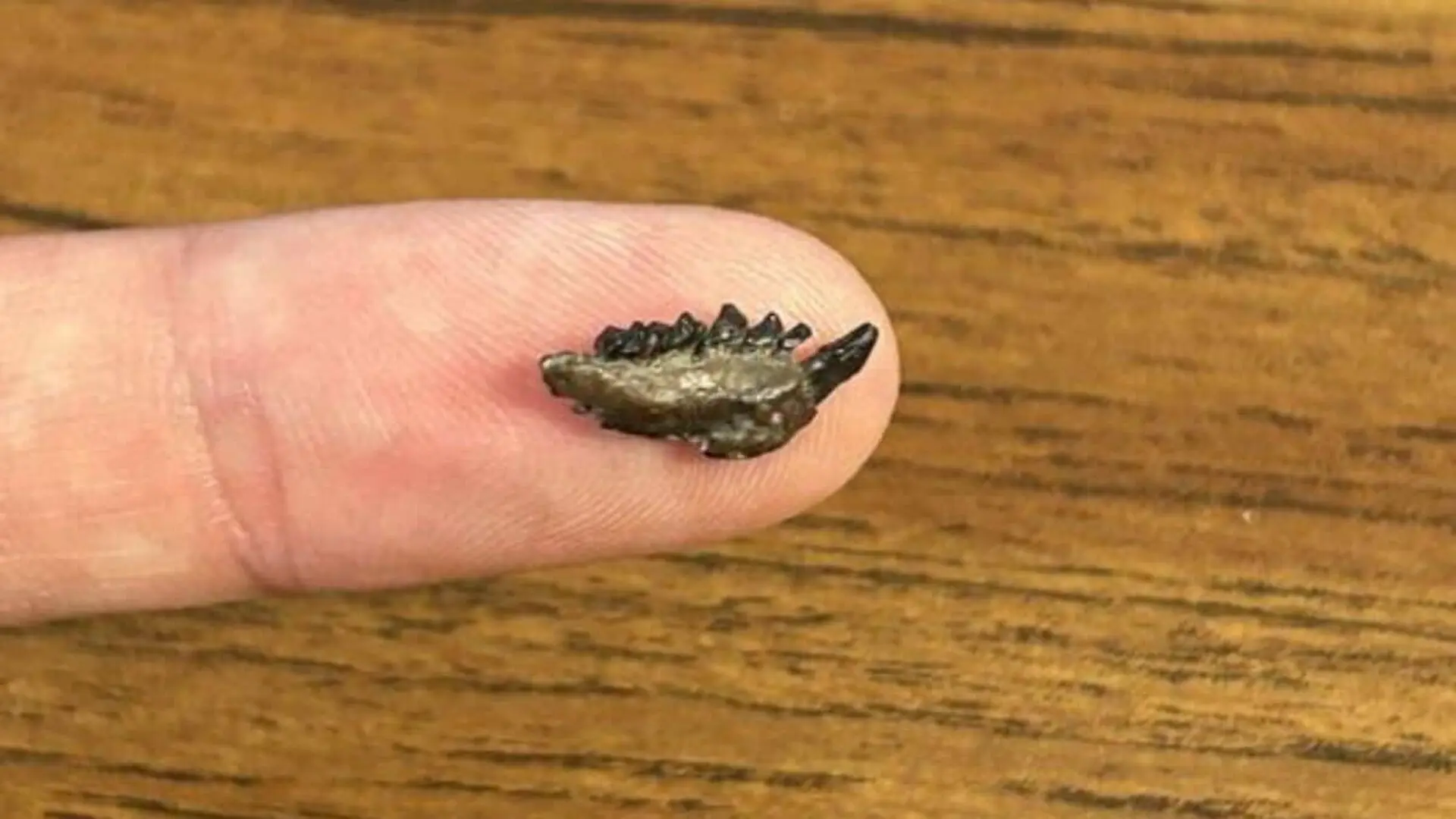
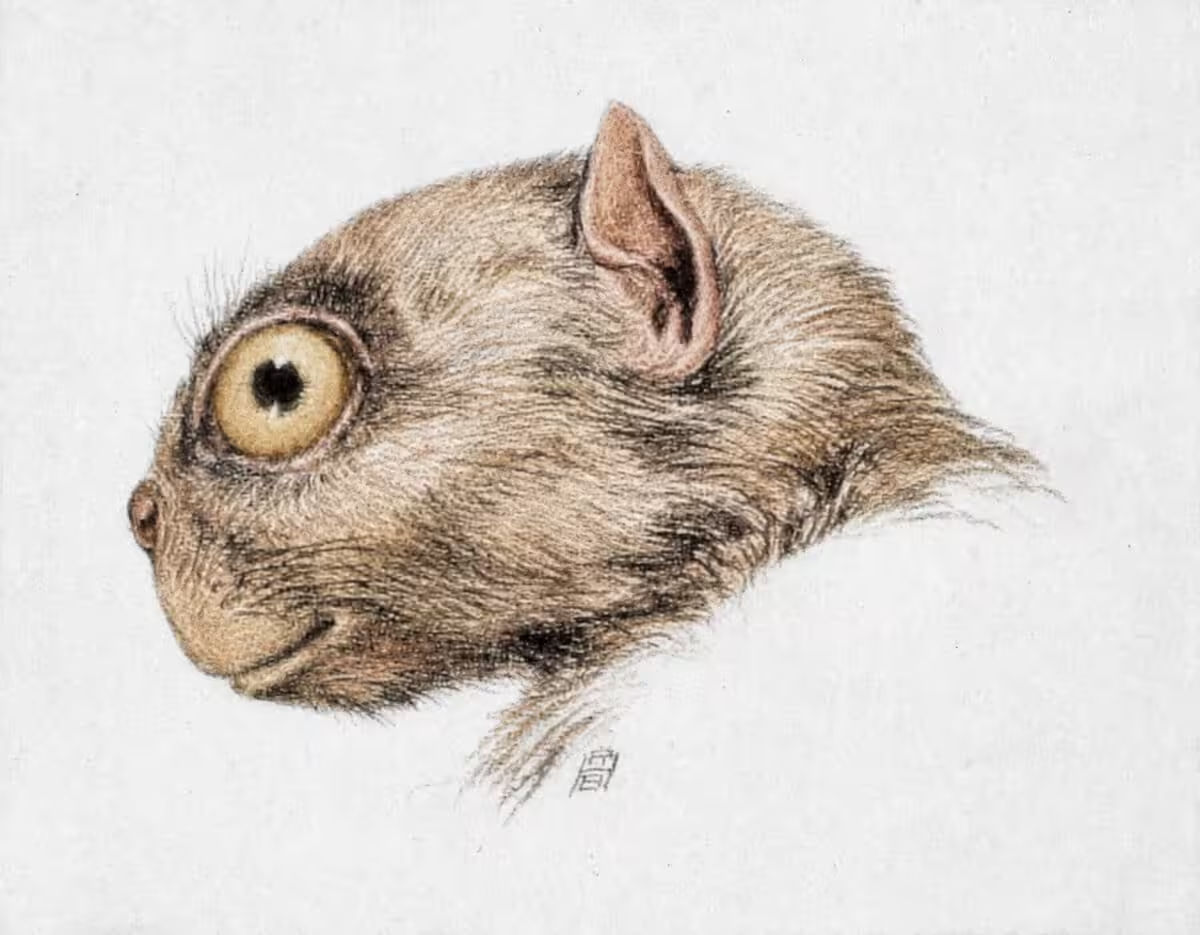
A newly identified primate species from the early Eocene of present‑day Wyoming, Tetonius varleyorum, measured roughly the size of a mouse lemur. Its discovery adds a fresh layer of complexity to long‑standing narratives about early primate diversification.
The animal belongs to the omomyids, a group of diminutive, large‑eyed primates that resembled today’s tarsiers. Omomyids inhabited North American woodlands during the Eocene epoch, first appearing across the northern hemisphere about 55–56 million years ago.
Parker Rhinehart, a doctoral candidate at the Biodiversity Institute and Natural History Museum of the University of Kansas, noted that omomyids are true primates despite their complete extinction. Their placement on the primate tree sits near the split between the lineage that gave rise to lemurs and the branch leading to monkeys, apes and humans.
Wyoming Jaw Fossils Reveal an Unnamed Primate
Excavations at the sandstone outcrop known as Tim’s Confession, part of the Smiley Draw fauna in the Great Divide Basin, yielded dozens of jaw and tooth fragments attributable to Tetonius varleyorum. The species name honors the Varley family, owners of a local truck stop who supported the field team.
“We named it Tetonius varleyorum,” Rhinehart explained in a statement. “Varley is the name of a family that runs a truck stop near the campground where we stay when we’re collecting fossils, and they’ve been a great help to us.”
Recovering such minute remains is challenging; for many ancient primates, only teeth and jaw fragments endure the ravages of deep time.
“Identifying ancient primate fossils in the field typically requires hunting tiny fossil jaws and teeth, the only body parts tough enough to withstand erosion over geologic time,” Parker Rhinehart said.
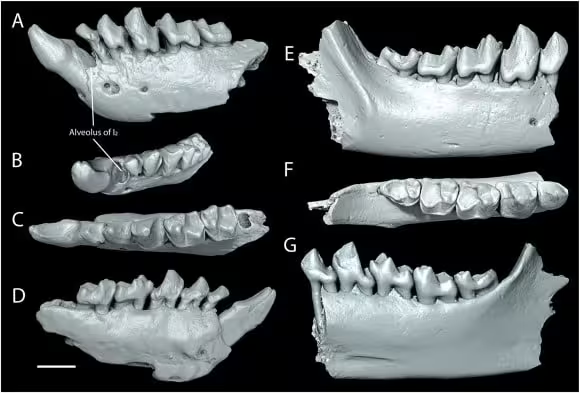
Nearly 1,000 tooth‑bearing jaw fragments from a range of early mammals have already been catalogued at the site. These new omomyid remains extend the known distribution of Tetonius beyond the Bighorn Basin, prompting a reassessment of the group’s evolutionary history.
“One of the things our paper points out is when you start incorporating fossils from outside of the Bighorn Basin, this picture becomes a little bit more complicated,” he said.
Co‑occurring Omomyids Expand the Fossil Record
The Smiley Draw assemblage also includes two rare omomyid species—Arapahovius gazini and Anemorhysis savage—representing only the second and third documented occurrences of each taxon. Together with the newly described Tetonius varleyorum, the site hosts three distinct omomyid species, a combination never before observed at a single early‑Eocene locality. An additional, yet‑to‑be‑named omomyid was also recovered.
“While the earlier paper and figure have been vital to the Tetonius story, fossils from Smiley Draw would challenge some of its conclusions.”
New Evidence Disrupts a Classic Tetonius Evolutionary Model
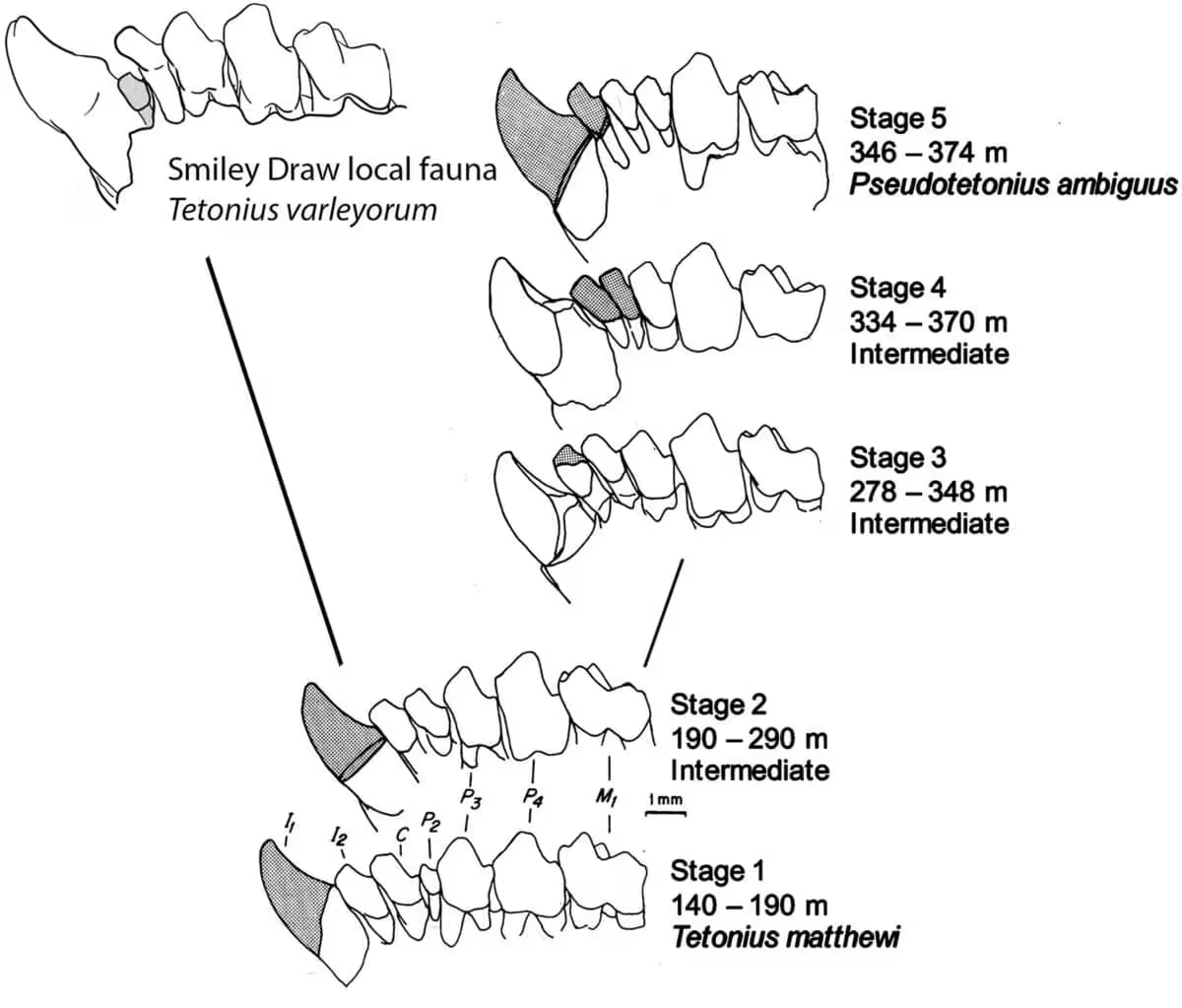
For decades, a 1987 study by paleontologists Thomas Bown and Kenneth Rose has defined the evolutionary trajectory of the genus Tetonius. Based on Bighorn Basin material, they argued for a linear anagenetic progression—one species gradually transforming into the next without branching.
The Smiley Draw specimens, however, break that pattern. The research team found that the newly described fossils interrupt the previously proposed sequence, indicating a more intricate evolutionary scenario.
“Our analysis reveals that the new fossils of Tetonius varleyorum interrupt the purported anagenetic lineage from the Bighorn Basin,” Rhinehart said.
This article has been fact checked for accuracy, with information verified against reputable sources. Learn more about us and our editorial process.
Last reviewed on .
Article history
- Latest version
Reference(s)
- <https://www.eurekalert.org/news-releases/1138785>.
- “Parker Rhinehart.” <https://biodiversity.ku.edu/people/parker-rhinehart>.
Cite this page:
- Posted by Elizabeth Taylor