Scientists Built a Virtual Earth With No Life to Solve a Major Mystery About Alien Worlds
What would Earth look like without life? Scientists have created a virtual model of our planet to reshape how we search for alien life in the universe.
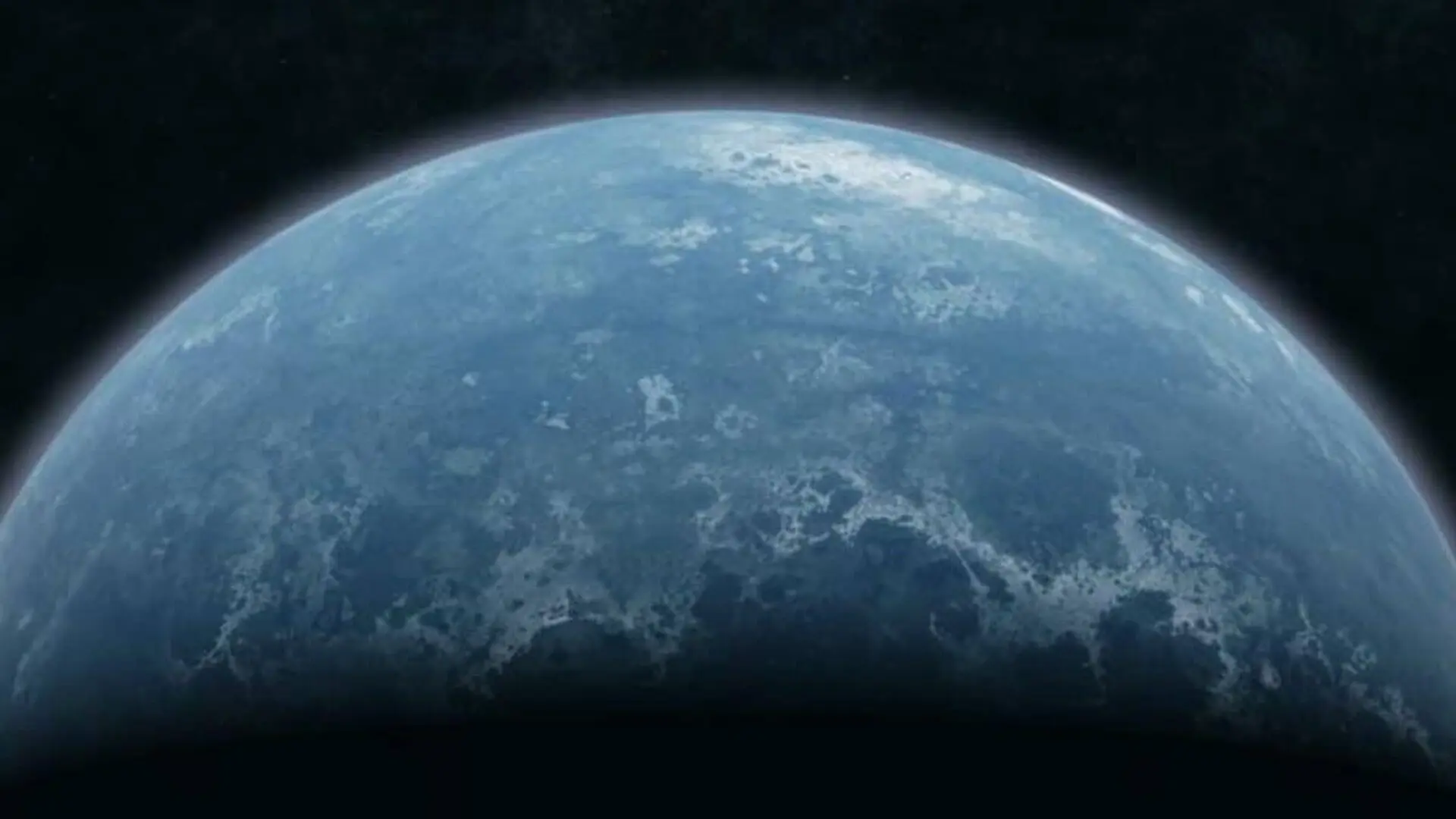
Researchers at the University of Washington have constructed a comprehensive virtual replica of Earth, stripping away one fundamental component: biological life. By simulating 5 billion years of planetary development, this digital model provides a crucial baseline for astronomers attempting to identify authentic signs of life on distant, rocky exoplanets.
The discovery of more than 6,000 exoplanets has shifted the focus of modern astronomy from merely finding distant worlds to determining their potential habitability. While researchers often prioritize rocky planets that might support liquid water, the presence of specific atmospheric gases—once considered potential biosignatures—is frequently complicated by non-biological factors. Geologic activity and stellar radiation can produce chemical profiles that mimic the outputs of living organisms, creating significant challenges for interpretation.
Simulating a World Without Biology
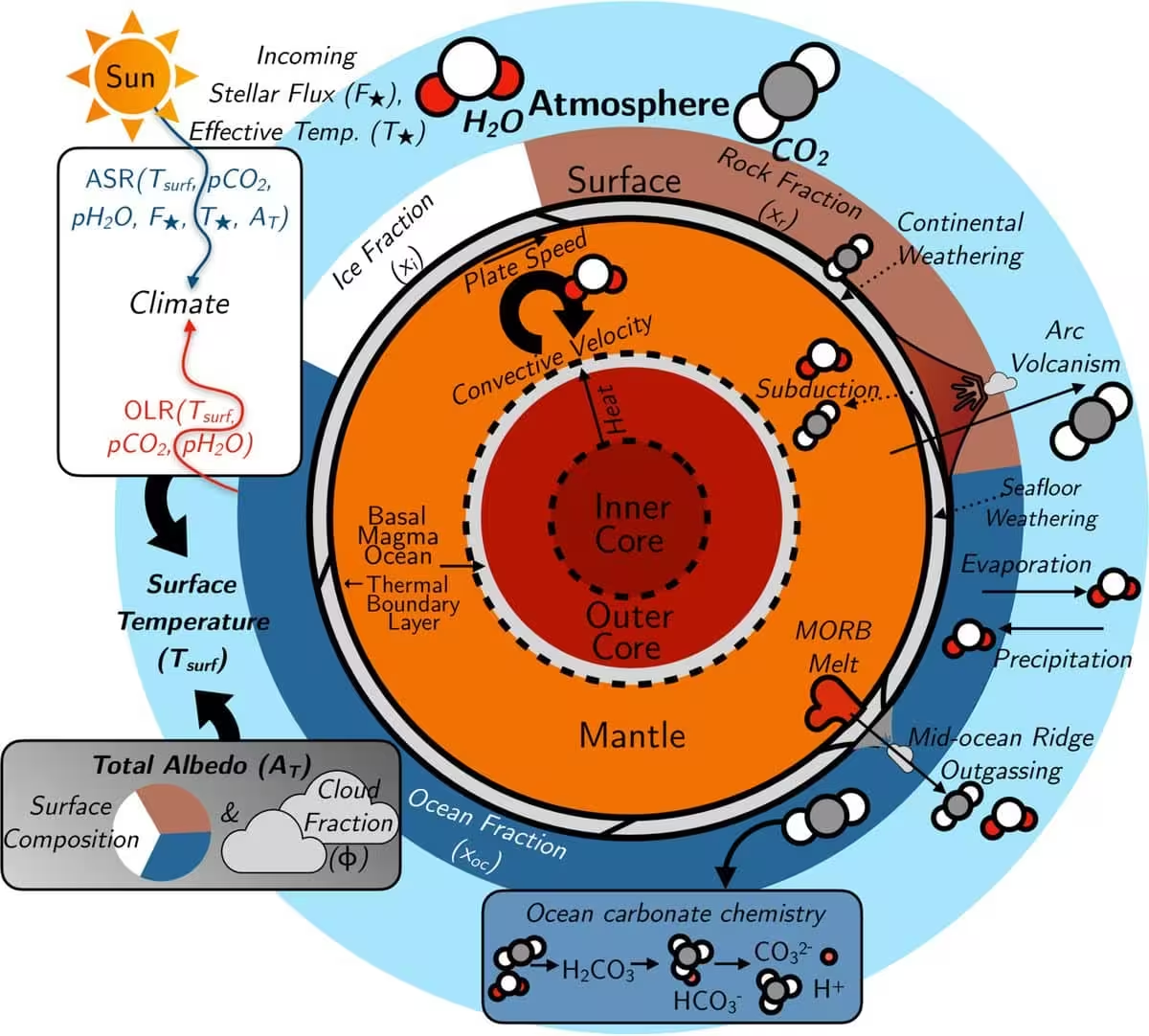
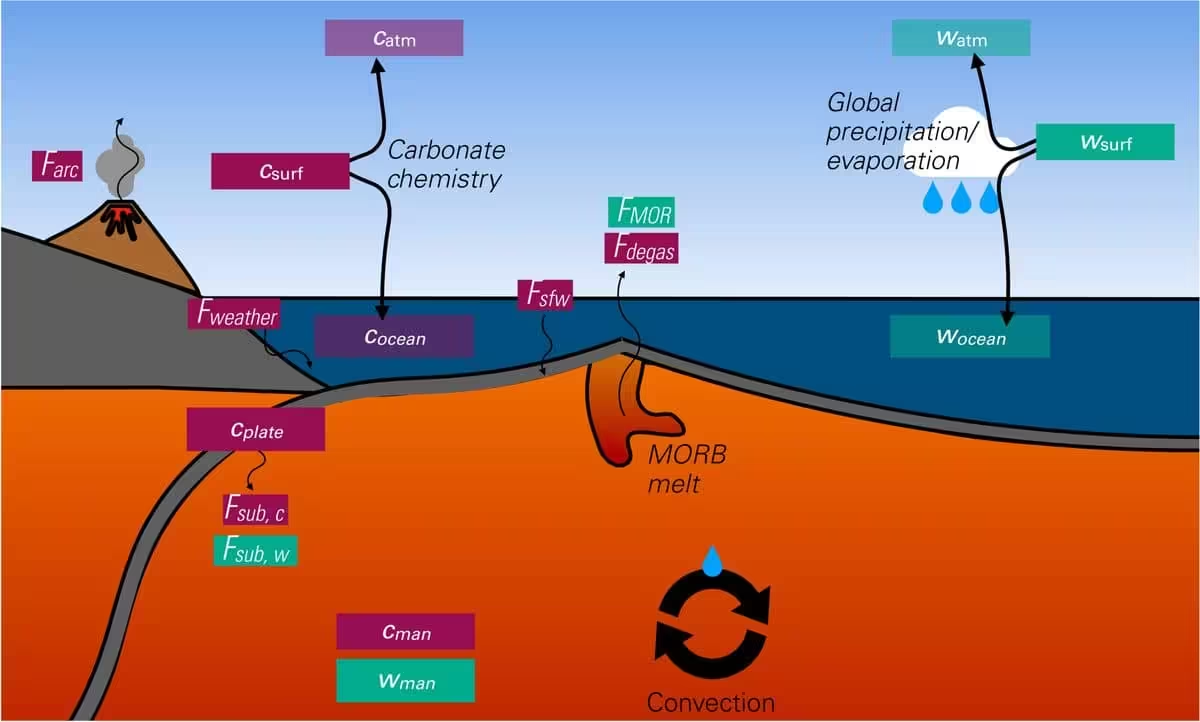
The study, recently detailed in The Planetary Science Journal, outlines a sophisticated computer model that maps the evolution of a planet from its inception 4.5 billion years ago through a projected 500 million years into the future. The simulation integrates the complex feedback loops between a planet’s core, mantle, crust, and atmosphere, providing a holistic view of planetary climate drivers in the absence of biotic influence.
Led by doctoral researcher Samantha Gilbert-Janizek, the project builds upon a decade of foundational work conducted within the laboratory of astronomy professor Rory Barnes. While previous iterations successfully modeled interior dynamics and stellar radiation, this updated framework marks the first time a model has simultaneously reconciled these forces with surface and atmospheric processes. The team validated their approach by confirming the model could accurately replicate 19 distinct physical properties of Earth, such as mantle heat flow.
Decoding Atmospheric False Positives
The primary utility of this lifeless Earth model lies in its ability to generate a “null hypothesis” for planetary observation. By feeding data from a target exoplanet into the simulation, scientists can determine if the observed atmosphere is a standard outcome of geologic and stellar interactions or if it deviates in a way that necessitates biological intervention.
If an exoplanet’s atmospheric composition cannot be explained by the abiotic model, it effectively rises to the top of the priority list for future investigation. This diagnostic capability is expected to be particularly valuable for upcoming efforts like NASA’s Habitable Worlds Observatory, which aims to characterize potentially life-bearing environments.
Establishing a New Standard for Exoplanet Research
The success of the model represents a significant milestone in astrobiology, moving beyond static estimations to dynamic, long-term evolutionary simulations. According to Barnes, the rigorous calibration of the model provides a new level of confidence for researchers examining the chemistry of distant worlds.
“After more than a decade of work by many scientists, Dr. Gilbert-Janizek has finally completed a model of the Earth that simultaneously reproduces properties of Earth’s core, mantle, surface and atmosphere. That calibration gives us confidence that future simulations of exoplanets will be accurate,” Barnes said.
This article has been fact checked for accuracy, with information verified against reputable sources. Learn more about us and our editorial process.
Last reviewed on .
Article history
- Latest version
Reference(s)
- Gilbert-Janizek, Samantha., et al. “A Whole-planet Model of the Earth without Life for Terrestrial Exoplanet Studies.” The Planetary Science Journal, vol. 7, no. 9, September 18, 2026, pp. 216 American Astronomical Society, doi: 10.3847/PSJ/ae9d79. <https://iopscience.iop.org/article/10.3847/PSJ/ae9d79>.
- “Dr. Samantha Gilbert-Janizek.” <https://samgilbertjanizek.neocities.org/>.
- “Rory Barnes | Department of Astronomy | University of Washington.” <https://astro.washington.edu/people/rory-barnes>.
- Arroyo, Yesenia. “Habitable Worlds Observatory - NASA Science.”, December 11, 2023 NASA <https://science.nasa.gov/astrophysics/programs/habitable-worlds-observatory/>.
Cite this page:
- Posted by Farah Siddiqui