Two Hikers Found a Rusted Can in a Forest Packed With Nearly 600 Gold Coins Worth $330,000
Záhada ukrytého zlatého pokladu v českém lese: Dvěma turistům se dostal do rukou skvost, který ukrývá více otázek než odpovědí
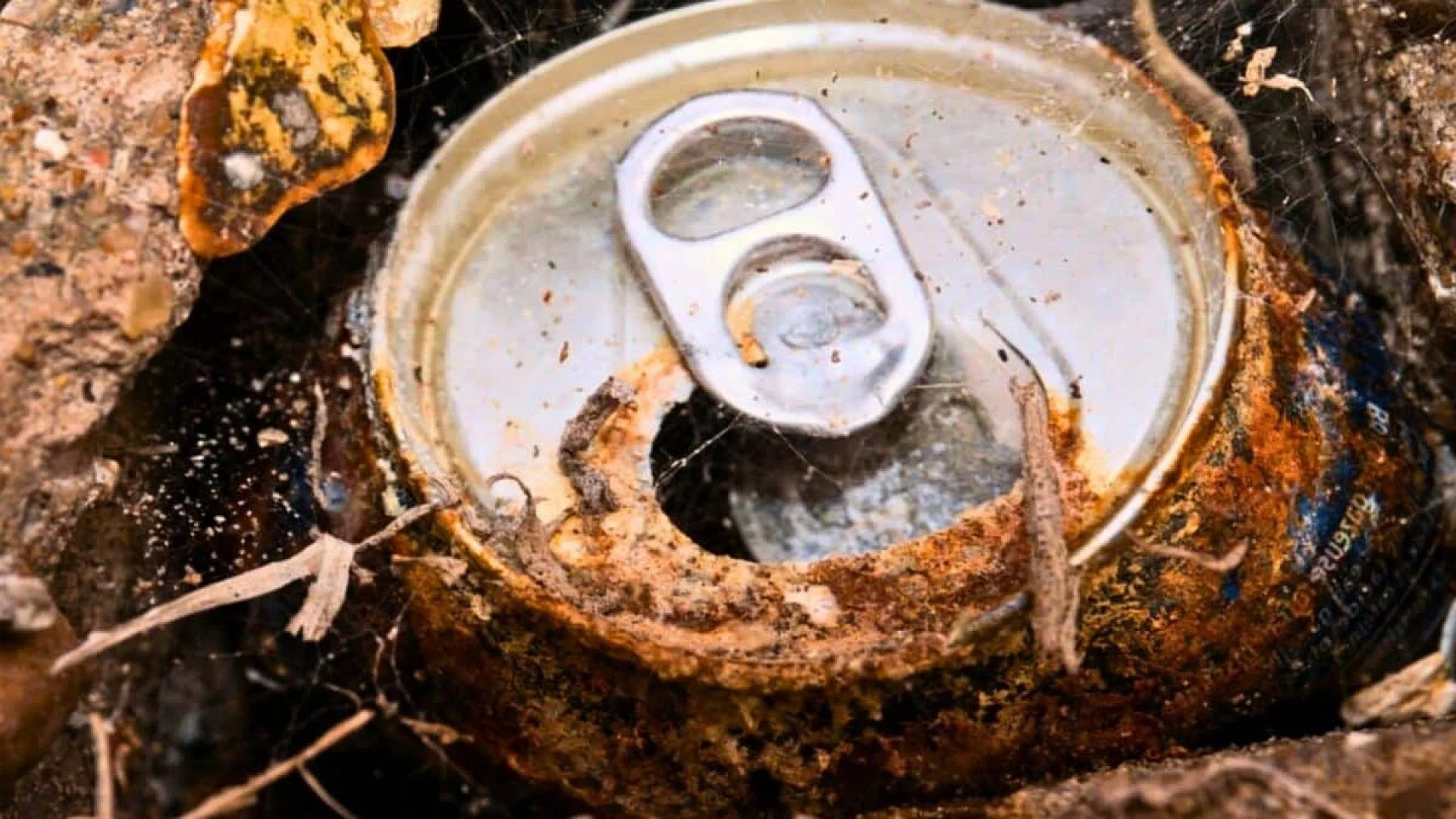
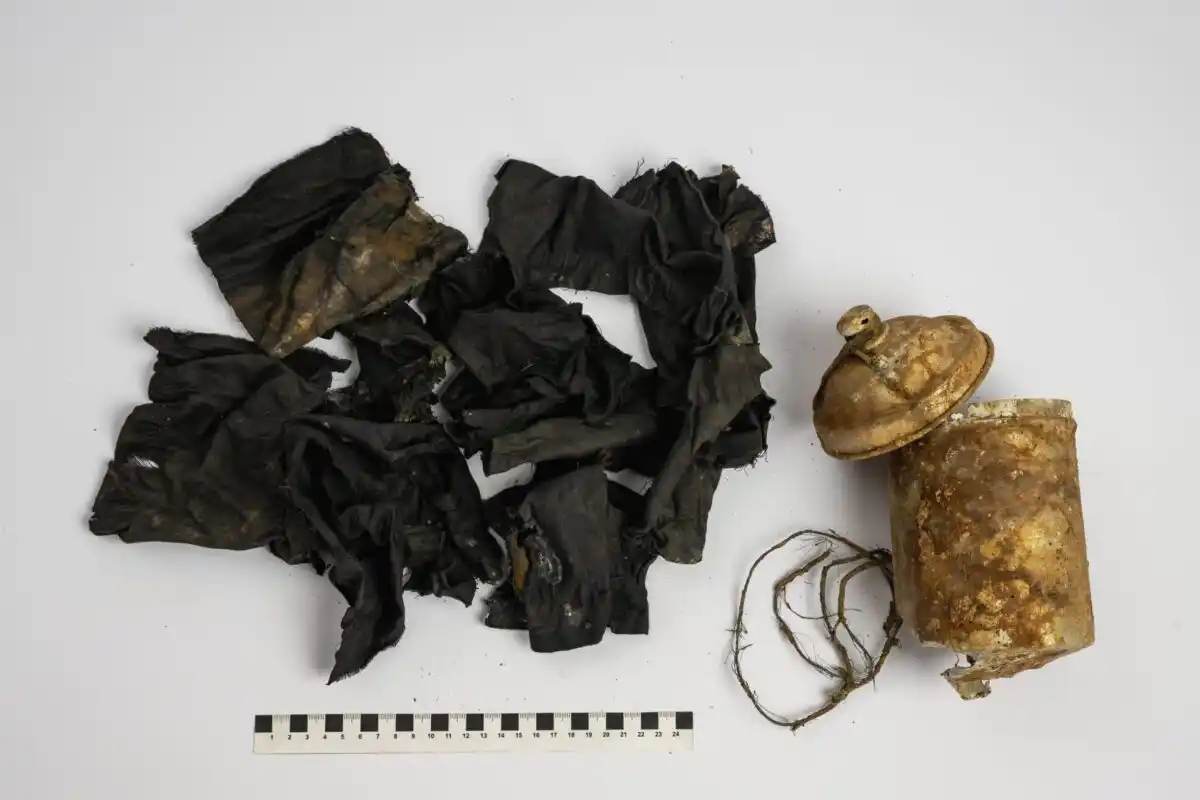
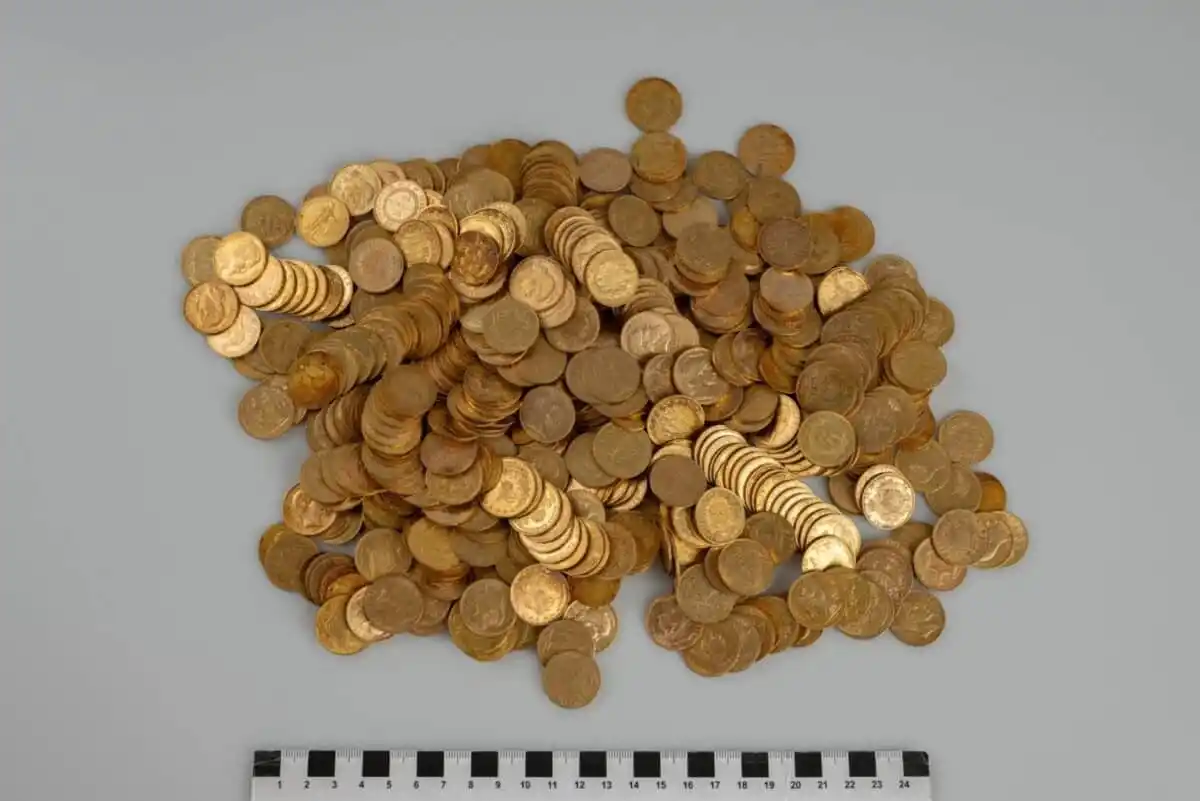
In early February 2025, two hikers exploring the southwestern slopes of Zvičina Hill uncovered an aluminum container set into a stone wall. Inside they found 598 gold coins neatly stacked in eleven piles and wrapped in black fabric. Just a meter away, an iron box revealed a collection of personal items – cigarette cases, bracelets, a comb, a chain, a powder compact and a small wire purse.
The hoard, weighing roughly seven kilograms, was transferred to the Museum of Eastern Bohemia in Hradec Králové, where specialists began a detailed examination of its origins and monetary value.
Separate Boxes, Deliberate Concealment
The way the treasure was packaged suggests a purposeful hiding rather than a chance loss. The gold coins were stored in the aluminum container, while the iron box, placed nearby, housed the assorted personal effects. This separation implies that the owner deliberately kept the monetary wealth apart from everyday valuables.
According to Arkeonews, the coins alone weigh almost 3.7 kilograms. The iron box contained sixteen cigarette cases, ten bracelets, a wire purse, a comb, a chain and a powder compact. The non‑coin objects appear to be made of a yellow metal, but their exact composition awaits specialist testing, so their market value remains uncertain.
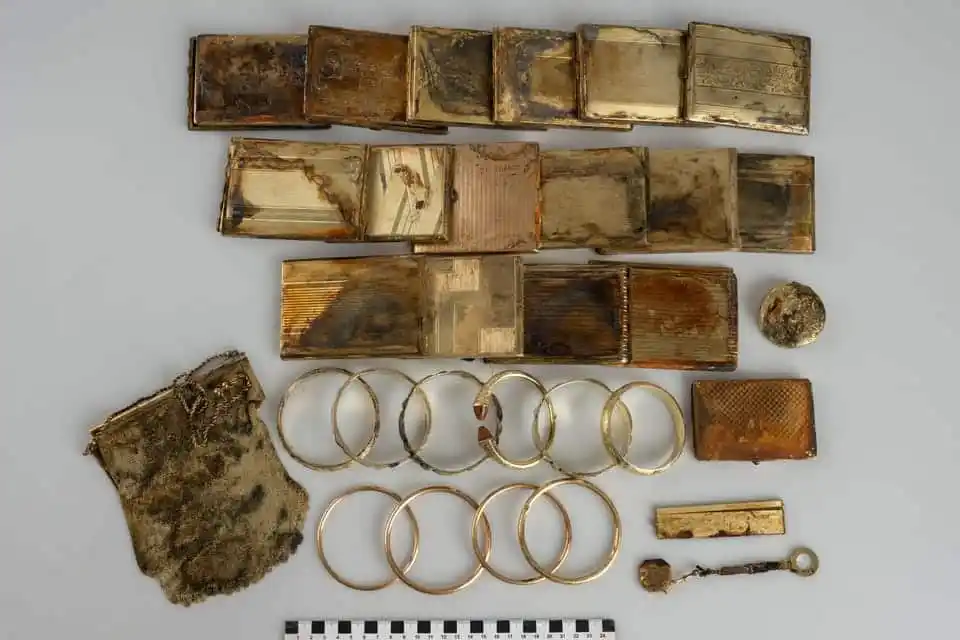
Beyond their material worth, the personal items hint at the human story behind the cache. Cigarette cases and a powder compact are not anonymous metal shards; they were once part of daily routines, suggesting that the hoard belonged to an individual who sought to safeguard both wealth and personal effects.
Balkan Countermarks Extend the Timeline
The coins span mint dates from 1808 to 1915, yet the latest date does not dictate the burial moment. Several Austro‑Hungarian pieces bear countermarks linked to former Yugoslav territories—particularly Serbia or Bosnia—added during the 1920s and 1930s. Those marks indicate that the coins remained in circulation well after World I, pushing the likely burial date forward.
A countermark from the interwar period cannot precede its application, meaning the hoard could not have been concealed before the 1920s. This detail transforms the find from a purely Czech curiosity into a cache with clear Balkan connections.
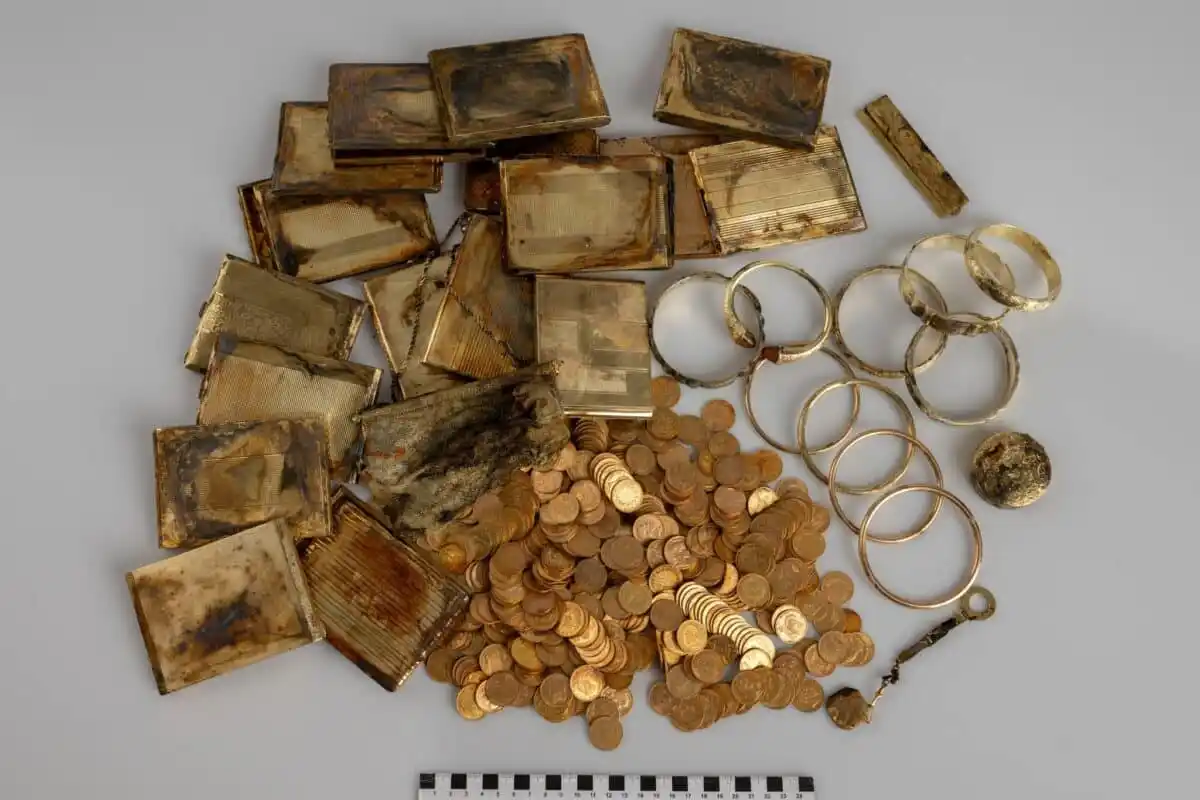
The assortment further deepens the mystery: French, Austrian‑Hungarian, Russian, Italian, Romanian, Belgian and Ottoman (or Turkish) coins are represented, while German marks and Czechoslovak crowns are conspicuously absent. The mix suggests a collection assembled for its metal value rather than as ordinary local currency.
Numismatic Insight from Vojtěch Brádle
Numismatist Vojtěch Brádle, who specializes in Bohemian monetary history, expressed astonishment at the find. “My jaw dropped,” he recalled, noting the rarity of such a mixed assemblage in the region.
Brádle emphasized that the hoard’s composition is atypical for domestic discoveries. “In terms of domestic finds, this is a very specific assemblage by its composition,” he said, pointing out the dominance of French coins and the presence of pieces from multiple foreign issuers. The lack of German and Czechoslovak denominations makes any straightforward link to the find‑spot difficult.
Brádle’s primary interpretation is that the owner sought to preserve the intrinsic value of the metal, not its purchasing power. “It was deliberately hidden because it was precious metal,” he explained. “It’s not about what the coins could buy.” In times of crisis, gold often retained value better than fiat currencies, which could explain why disparate foreign coins were gathered together.
Historical Scenarios Behind the Burial
While the exact owner remains unknown, three turbulent periods align with the possible concealment date. The first is the 1938 annexation of Czech borderlands by Nazi Germany, when many Czech and Jewish residents fled or were forced from their homes. A hidden stash of gold and personal effects could represent an attempt to protect assets during that upheaval.
A second window opens in 1945, after World II, when ethnic Germans were expelled from Czechoslovakia. Individuals leaving under duress may have buried valuables hoping to retrieve them later. The third possibility is the 1953 monetary reform, during which citizens often concealed gold, jewelry and other durable assets to shield wealth from state‑controlled currency changes.
Archaeologist Miroslav Novák summed up the range of explanations: “The list of potential reasons is fairly clear – the deportation of the Czech and Jewish populations, then the deportation of the Germans after the war, and the monetary reform.” Museum director Petr Grulich added a note of caution, stating, “It is hard to say whether it was Czech, German, or Jewish gold.”
This article has been fact checked for accuracy, with information verified against reputable sources. Learn more about us and our editorial process.
Last reviewed on .
Article history
- Latest version
Reference(s)
- “Brádle Vojtěch, PhDr. - Muzeum východních Čech v Hradci Králové.” <https://www.muzeumhk.cz/muzeum/historicke-oddeleni/11-phdr-vojtech-bradle.html>.
- Altuntaş, Leman. “Astonishing Find in the Czech Republic: Hikers Discover a 3.7 Kilogram Serbian/Bosnian Gold Treasure.”, April 28, 2025 arkeonews.net <https://arkeonews.net/astonishing-find-in-the-czech-republic-hikers-discover-a-3-7-kilogram-serbian-bosnian-gold-treasure/>.
Cite this page:
- Posted by Zara Tariq