Nautile Dives Uncover 200,000 Corroded Radioactive Barrels Lurking on Atlantic Seabed
Scientists use new tech to explore thousands of hidden barrels on the Atlantic seafloor, revealing decades‑old mysteries beneath the ocean.
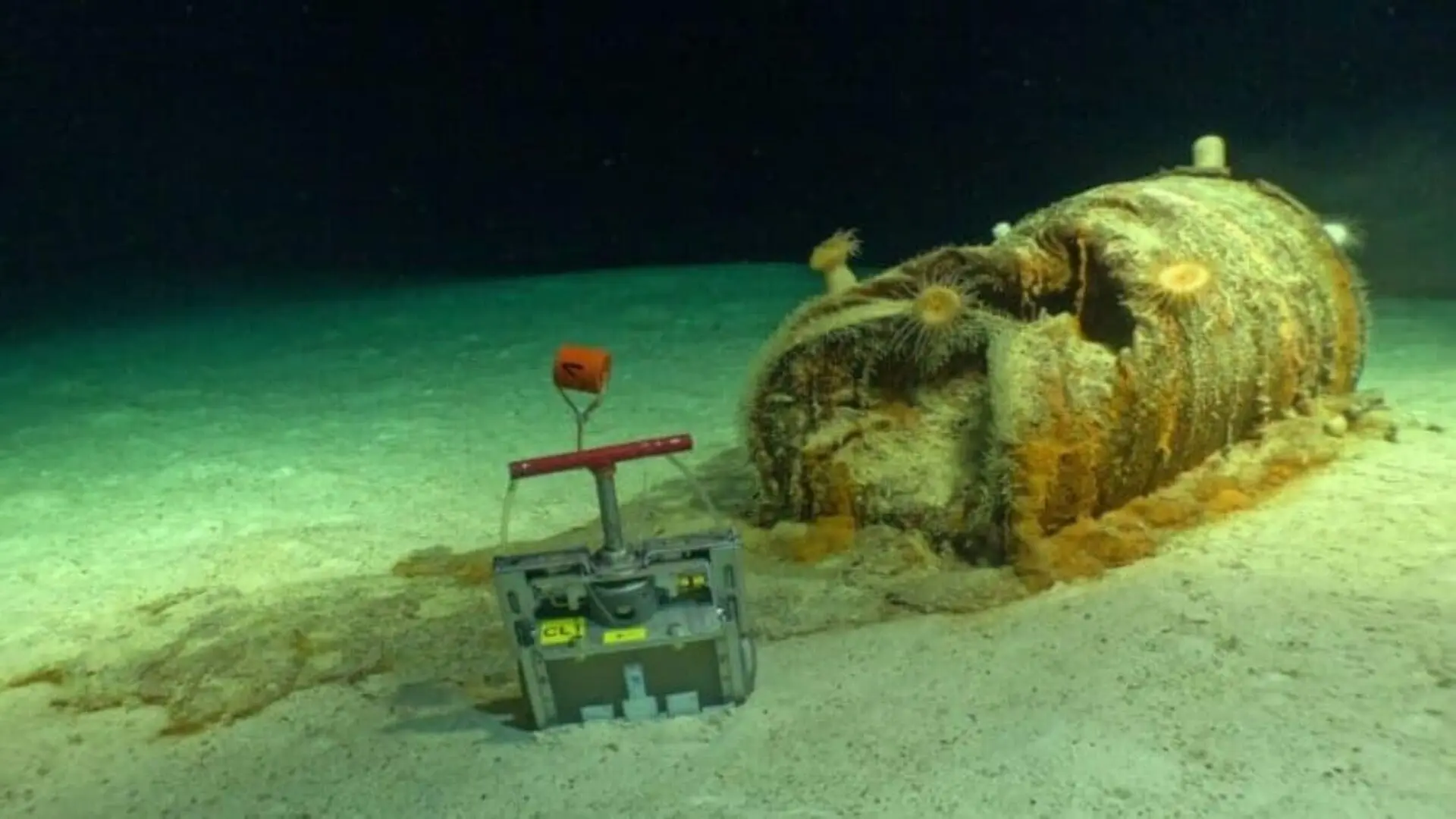
A recent deep‑sea survey of the Northeast Atlantic has exposed a massive field of abandoned radioactive waste containers resting on the seabed, many of which show extensive corrosion and visible leakage into surrounding sediments.
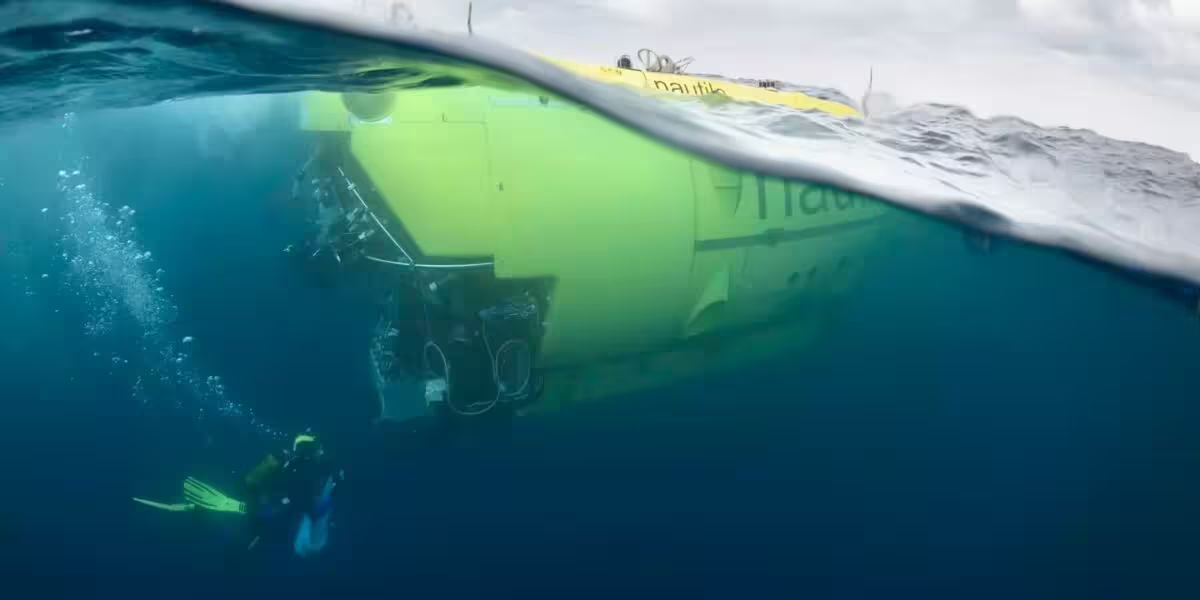
The investigation was carried out under the NODSSUM programme, employing the French‑built Nautile submersible to reach a historic dumping zone that holds more than 200,000 barrels discarded during the latter half of the 20th century.
Until now, scientists could only infer conditions from remote sensing. This series of dives, however, offered an up‑close look at the state of the barrels and the ecosystems that have colonised the area.
Submersible Mission Sheds Light on Decaying Containers
The research vessel “Pourquoi Pas?” hosted a team of roughly 30 experts on a month‑long cruise from May 27 to June 28, 2026. Over the course of 20 descents to depths exceeding 15,400 feet, the Nautile documented dozens of barrels in poor repair, with several showing heavy corrosion and clear evidence of material escaping onto the muddy bottom. The researchers noted that the leaking waste was directly visible on the seafloor in multiple locations.
Observations also revealed a surprisingly diverse community of deep‑sea organisms living on and around the containers, including anemones, sponges, crabs and other benthic species that have adapted to the metallic structures.
Radiation Measurements Raise New Questions
Instrument readings taken during the dives detected elevated concentrations of several radionuclides, notably cobalt‑60 and niobium‑94, which are commonly associated with legacy nuclear waste. Traces of cesium‑137 and americium‑241 were also recorded.
Interpretation of these signals remains complex. According to the French National Centre for Scientific Research, similar isotopes can stem from historic nuclear weapons tests and past accidents, making it challenging to isolate the proportion that originates from the seabed barrels alone. Further analysis will be required to determine the exact contribution of the dumped containers to the detected radioactivity in the local environment.
The team collected sediment cores, water samples and biological specimens from the vicinity of the barrels to investigate how radioactive material migrates through deep‑sea environments and whether it is being incorporated into marine organisms.
Mapping the Hidden Legacy of Oceanic Waste
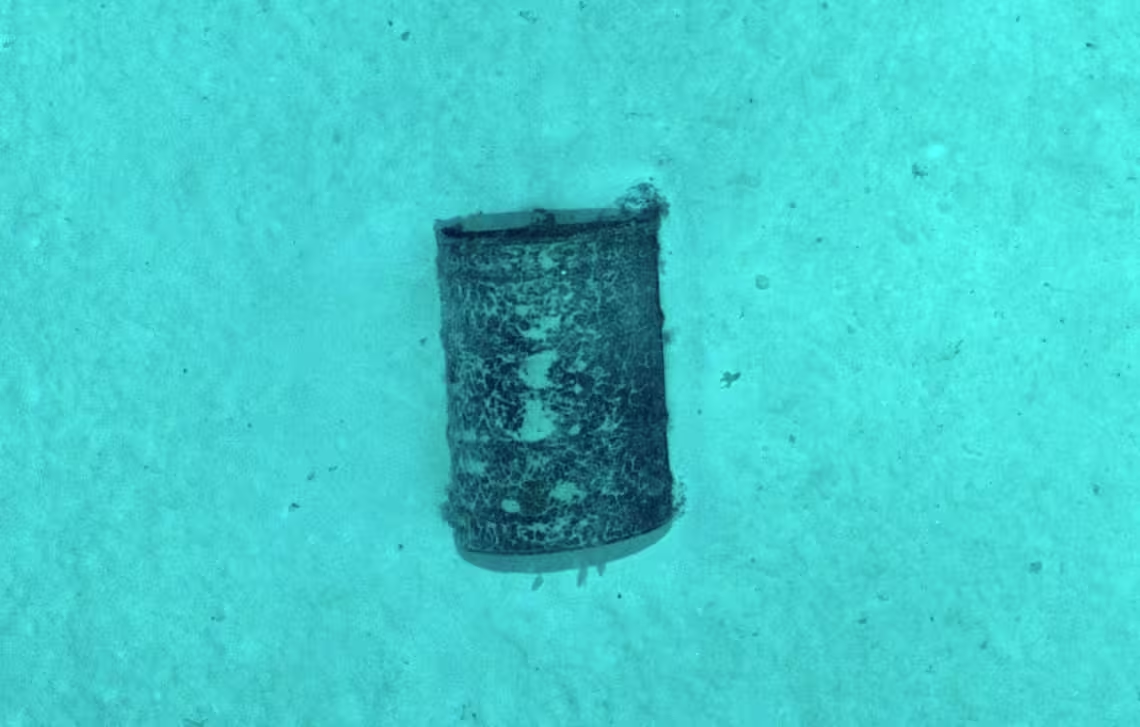
Prior to the manned submersible dives, an autonomous underwater vehicle named Ulyx mapped the region in 2025, laying the groundwork for targeted investigations. The official NODSSUM dataset reports that the campaign identified 3,355 containers, retrieved 5,000 liters of water samples, extracted 345 sediment cores and obtained specimens from 34 fish and crustacean individuals. This baseline information guided the selection of dive sites for the Nautile missions.
The barrels belong to a broader historical practice of oceanic nuclear waste disposal. French archival records indicate that more than 46,000 containers were discharged in 1967 and 1969 alone, a method based on the expectation that waste would gradually disperse and dilute over long time spans.
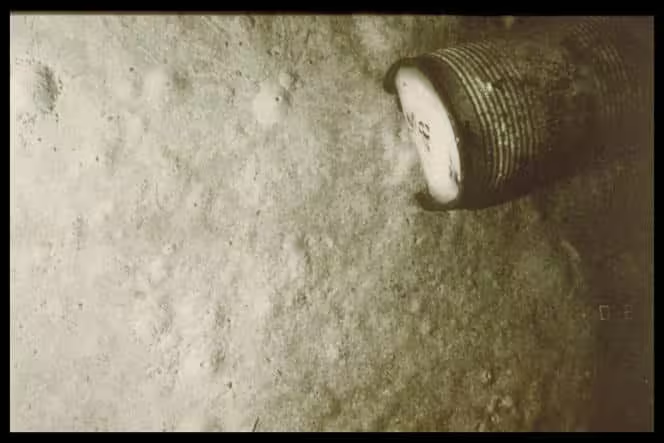
Future work will focus on laboratory analyses of the collected samples to quantify the spread of radionuclides and assess potential uptake by deep‑sea fauna, providing a clearer picture of the environmental impact of these long‑standing waste deposits.
This article has been fact checked for accuracy, with information verified against reputable sources. Learn more about us and our editorial process.
Last reviewed on .
Article history
- Latest version
Reference(s)
- “Atlantique : sur la piste des fûts radioactifs.”, March 25, 2022 CNRS Le journal <https://lejournal.cnrs.fr/articles/atlantique-sur-la-piste-des-futs-radioactifs>.
Cite this page:
- Posted by Divya Iyer