Why Female Sex Workers Struggle To Maintain HIV Prevention Medications
A global review of 120 studies reveals that high initial interest in protective medications often clashes with daily life and stigma.
Female sex workers face a global HIV risk nine times higher than the general adult population, yet new research reveals that while interest in protective medication is high, real-world usage remains hindered by systemic barriers. A comprehensive study published in PLOS Global Public Health analyzes 120 original papers from around the world to understand why many women struggle to maintain preventive treatments.
What 120 Global Studies Reveal About Prevention Gaps
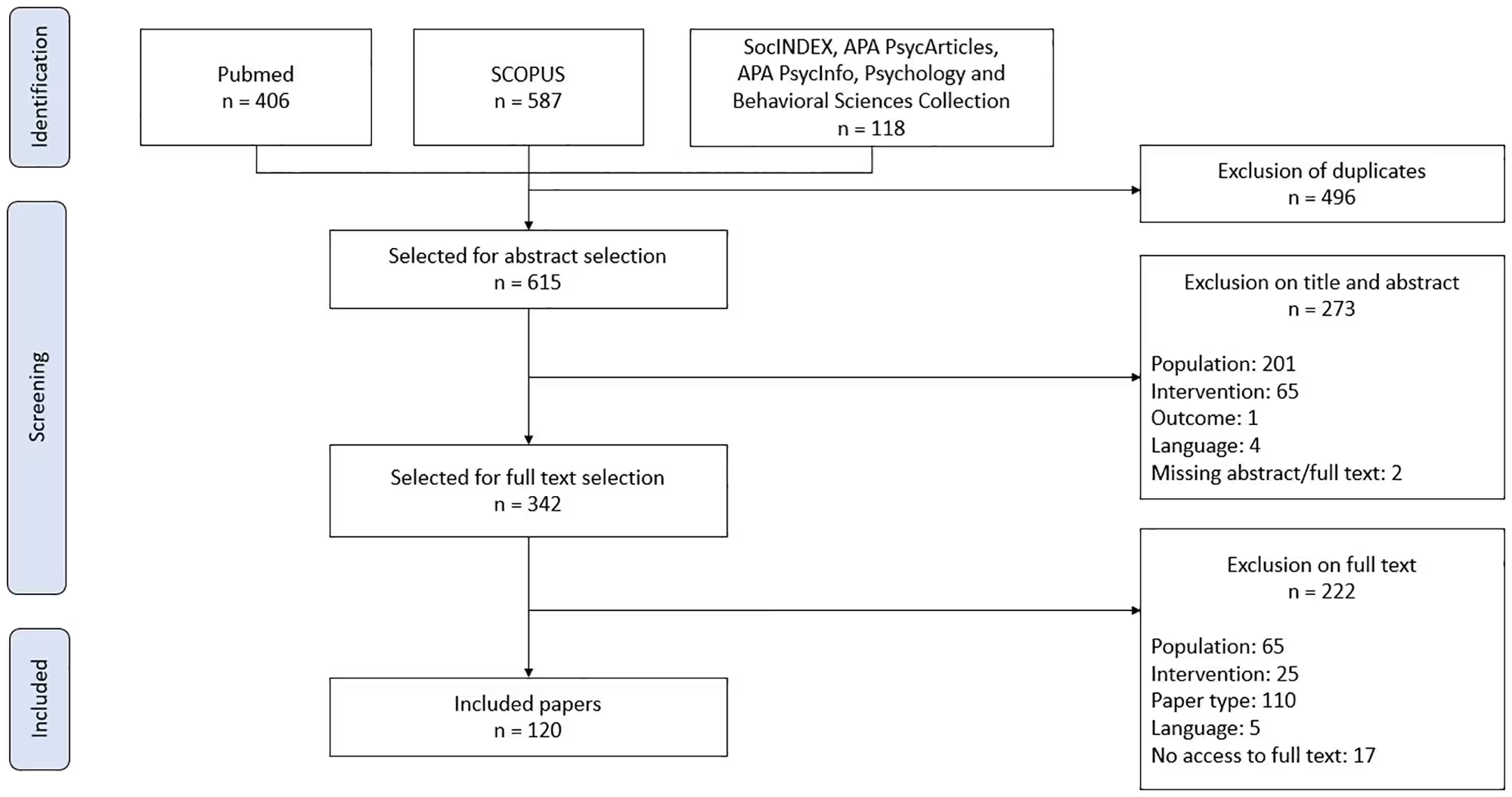
The research team, led by scientists including Mélanie Plazy and Joseph Larmarange, conducted a scoping review across six multidisciplinary databases to examine pre-exposure prophylaxis, commonly known as PrEP, among cisgender female sex workers. The review covered literature published up to December 2024 and mapped studies across multiple regions. Out of 615 initial references, the authors selected 120 studies detailing knowledge, willingness, uptake, retention, and adherence.
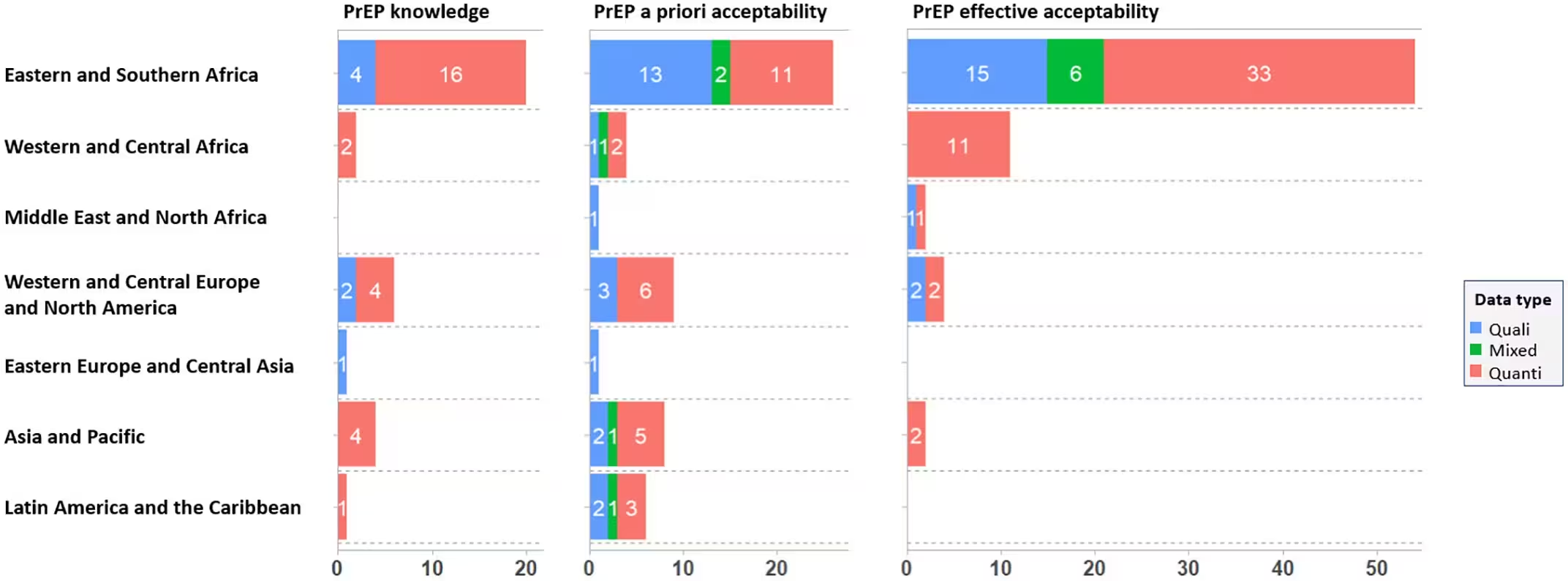
Geographically, the evidence is heavily concentrated. Out of the 120 studies, 75 were conducted in Eastern and Southern Africa, while regions such as the Middle East and North Africa accounted for only 2 studies, and Eastern Europe and Central Asia accounted for just 1. This imbalance reflects regions where sex work faces severe criminalization, limiting research access and public health funding.
Why Oral Medication Burdens Do Not Match Real Lives
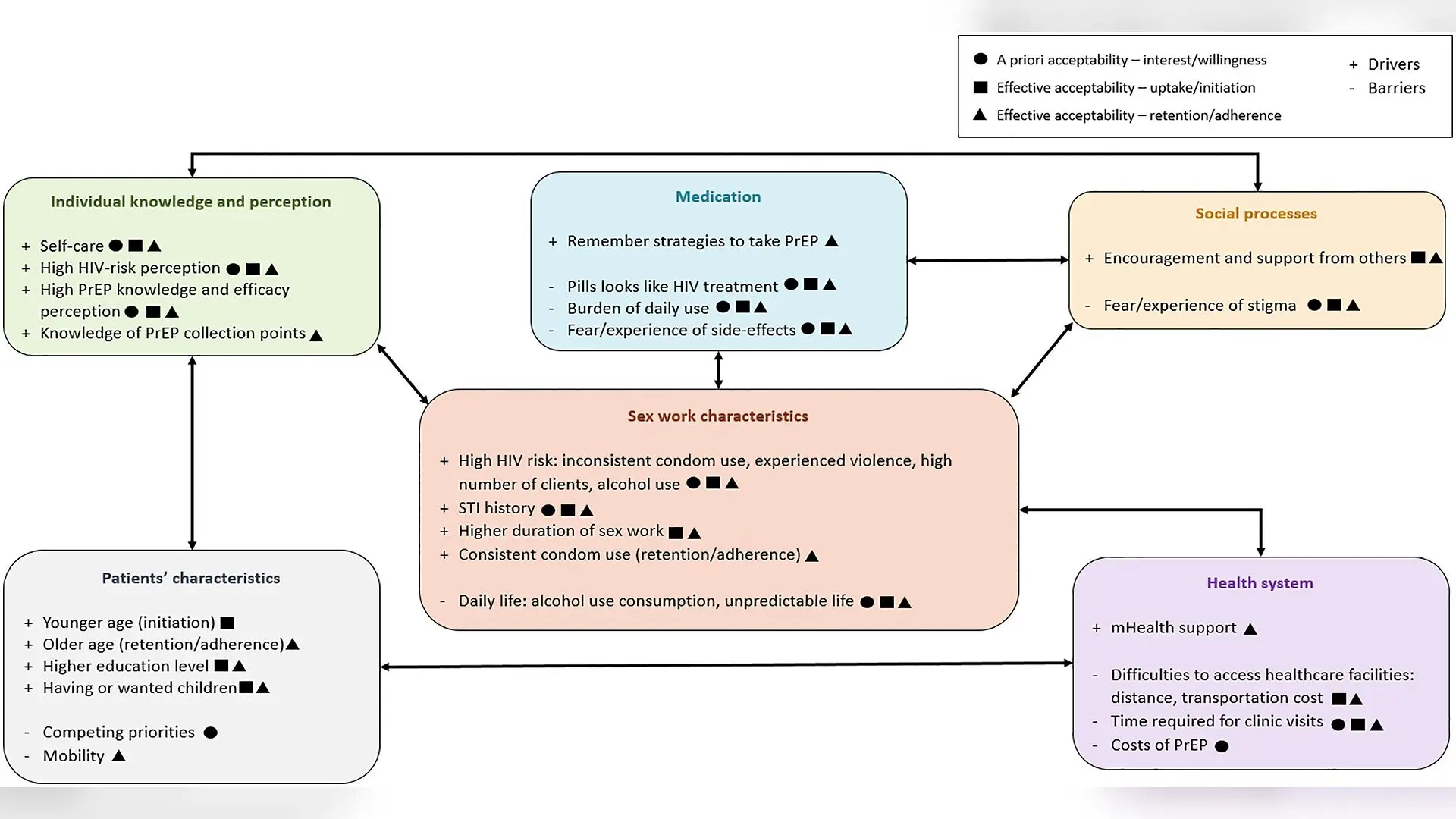
Before educational programs expanded, very few participants had heard of preventive medications. Once introduced in local projects, knowledge increased rapidly, and initial willingness to take oral PrEP was consistently high. Many participants viewed the medication as a vital form of self-care and an essential safety net against client-perpetrated violence, condom breakage, or instances where they could not safely negotiate condom use.
Despite this strong initial interest, effective engagement varied wildly. Oral PrEP uptake ranged from under 30 percent in some cohorts to over 80 percent in others. Retention rates at one month often hovered around 50 percent or lower, and only a handful of studies tracked retention above 75 percent at the six-month and one-year marks.
The daily pill burden emerged as a major obstacle. Unpredictable work schedules, frequent travel, housing instability, and alcohol use made remembering a daily pill difficult. Furthermore, participants reported significant fears of stigma, as oral PrEP pills are easily confused with antiretroviral treatments used for HIV, which can inadvertently reveal a person’s profession to family members or neighbors.
Can Long-Acting Alternatives Overcome Adherence Hurdles?
To bypass the challenges of daily pills, researchers also examined attitudes toward long-acting prevention methods, such as two-month injectable cabotegravir, implants, and vaginal rings. While data on real-world implementation of these newer options remains scarce, qualitative findings show strong enthusiasm for injections because they offer greater discretion and remove the need for daily routines.
Importantly, the review found no evidence that adopting preventive medications led to an increase in risky sexual behaviors or a rise in other sexually transmitted infections. The authors emphasize that future health policies must move beyond one-size-fits-all approaches. Tailoring services through community-led outreach, flexible clinic hours, and long-acting biomedical options could finally bridge the gap between enthusiasm and long-term protection.
The research was published in PLOS Global Public Health on November 13, 2026.
This article has been fact checked for accuracy, with information verified against reputable sources. Learn more about us and our editorial process.
Last reviewed on .
Article history
- Latest version
Reference(s)
- Plazy, Mélanie., et al. “Implementing HIV pre-exposure prophylaxis (PrEP) among cisgender female sex workers: A worldwide scoping review to guide the future research agenda for HIV prevention.” PLOS Global Public Health, vol. 6, no. 11, November 13, 2026, pp. e0007582 Public Library of Science (PLoS), doi: 10.1371/journal.pgph.0007582. <https://doi.org/10.1371/journal.pgph.0007582>.
Cite this page:
- Posted by Priya Sharma