Swedish Shoulder Score Validated for Rapid Fracture Recovery
A new 7-day recall questionnaire helps clinicians track turbulent pain and mobility shifts in older patients healing from acute arm fractures.
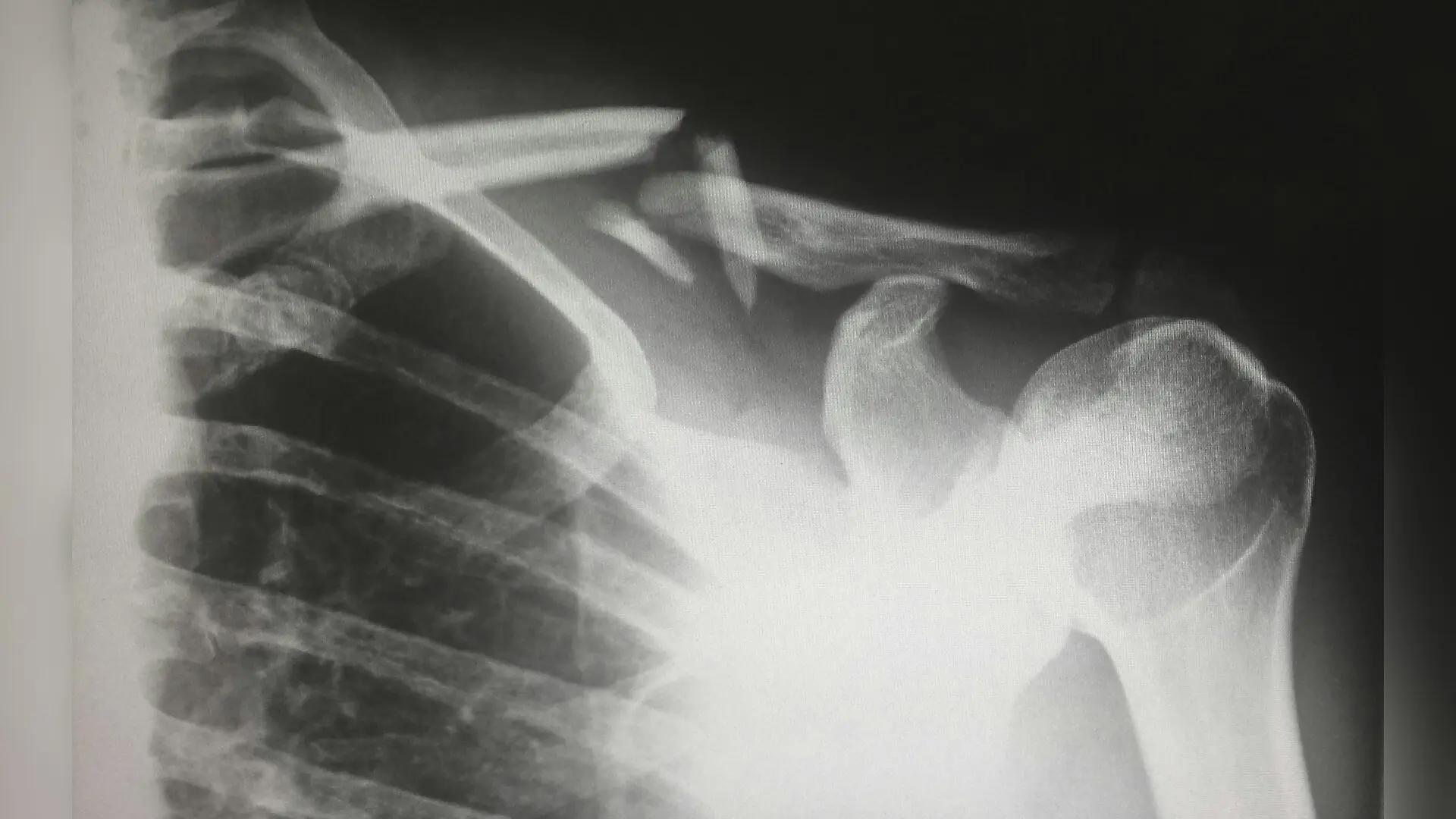
Patients recovering from broken shoulders experience rapidly shifting pain and mobility levels that can distort standard medical surveys, but a newly validated Swedish questionnaire featuring a shortened 7-day recall window successfully captures these acute changes. The research team evaluated the tool among 246 individuals with shoulder fractures, demonstrating that adapting the reporting period makes it much easier to track sudden physical recovery during the vulnerable weeks following an injury.
Shoulder injuries often involve severe initial trauma where symptoms fluctuate wildly from day to day. Traditional clinical questionnaires rely on a 4-week recall period, which works well for chronic conditions like arthritis but struggles when patients try to remember how much pain they felt weeks prior during acute healing. To solve this, researchers Per C Lundin and colleagues published in Acta Orthopaedica a comprehensive translation and cultural adaptation of the Oxford Shoulder Score into Swedish, alongside a modified 7-day recall version.
Putting the Swedish Tool to the Test in Four Hospitals
The study drew from the first 350 patients enrolled in a randomized controlled trial across four Swedish medical centers, including Linköping University Hospital, Kalmar Hospital, Västervik Hospital, and Örebro University Hospital. From February 2019 to October 2023, the team tracked 246 participants who suffered nonoperatively treated proximal humerus fractures, which are breaks near the top of the upper arm bone close to the ball-and-socket joint. The group averaged 72 years of age and was predominantly female, reflecting typical demographics for this type of acute injury.
Participants completed the newly translated Swedish Oxford Shoulder Score and an established arm disability questionnaire called QuickDASH at three distinct intervals. These included an initial check within 10 days of the trauma using a 7-day recall window, a second evaluation at 3 months using the same 7-day window, and a final long-term check at 12 months using the original 4-week recall period. The translation followed strict international guidelines involving forward and backward translations by bilingual experts, followed by pilot testing on actual patients.
Strong Statistical Validation and Core Findings
The statistical analysis revealed robust psychometric properties across both recall formats. Convergent validity tests showed strong negative correlations between the Swedish shoulder score and the disability survey, meeting predefined scientific thresholds with correlation coefficients reaching -0.75 at the first check, -0.88 at 3 months, and -0.86 at 12 months. Internal consistency measurements using Cronbach’s alpha exceeded the accepted 0.70 threshold across all domains, indicating that the questions cohere well together to measure overall shoulder health.
Furthermore, intra-rater reliability tests yielded an intraclass correlation coefficient of 0.94, pointing to excellent consistency when the survey was administered twice in a stable phase. Confirmatory factor analysis indicated that while a two-factor model separating pain and physical function provided a superior statistical fit, the survey functions primarily as a reliable unidimensional measure of overall shoulder-related disability. Effect sizes and standardized response means confirmed that the survey is highly sensitive to the massive clinical improvements patients experience during their first 3 months of recovery.
Why Shorter Recall Windows Matter for Acute Trauma Care
Selecting the correct recall window is critical in clinical research because longer timeframes expose patients to recall bias, while shorter windows can miss overall symptom trends in stable conditions. For fresh fractures where mobility and pain levels shift constantly, the 7-day recall version provided a much clearer snapshot of current status without asking elderly patients to mentally average out four turbulent weeks of healing. However, the authors note that scores obtained from different recall lengths are not directly interchangeable, meaning the 7-day format serves best as a complementary acute monitor rather than a permanent replacement for the standard questionnaire.
The research team acknowledges certain limitations, such as the high proportion of female participants and the focus exclusively on older adults with proximal humerus fractures, which may restrict how broadly these results apply to younger demographics or different shoulder pathologies. Nonetheless, the large sample size strengthens the overall conclusions, providing clinicians with a dependable, culturally adapted instrument to measure pain and recovery in Swedish-speaking patients facing acute shoulder trauma.
The research was published in Acta orthopaedica on November 12, 2026.
This article has been fact checked for accuracy, with information verified against reputable sources. Learn more about us and our editorial process.
Last reviewed on .
Article history
- Latest version
Reference(s)
- Lundin, Per C., et al. “Translation and cultural adaptation of the Oxford Shoulder Score to Swedish and validation of a new 7-day recall version in patients with a proximal humerus fracture.” Acta Orthopaedica, vol. 97, November 12, 2026 MJS Publishing, Medical Journals Sweden AB, doi: 10.2340/17453674.2026.46975. <https://doi.org/10.2340/17453674.2026.46975>.
Cite this page:
- Posted by Hassan Raza