Machine Learning Reveals Key Predictors of Severe Asthma Treatment Success
An international study of 685 patients pinpoints the exact clinical factors that determine who benefits most from targeted biologic therapy.
Patients with severe asthma experience a dramatic drop in dangerous lung attacks when treated with a targeted biological therapy, but until now, doctors have struggled to predict exactly who will benefit most. A team of data scientists and respiratory specialists has turned to artificial intelligence to solve this puzzle, analyzing records from 685 individuals across seven countries.
Uncovering Patient Patterns with Advanced Computing
Asthma remains a widespread global health challenge, affecting an estimated 262 million people worldwide as of 2019. While the majority of cases are mild, roughly 5% to 10% of patients suffer from severe asthma that remains uncontrolled despite high-dose steroid inhalers and daily medications. Many of these patients rely on regular oral steroids, which carry heavy long-term health consequences such as bone thinning, high blood pressure, and diabetes. Mepolizumab is an anti-interleukin-5 monoclonal antibody designed to block specific immune cells called eosinophils that drive airway inflammation. Clinical studies have shown that the antibody successfully reduces severe attacks and lowers steroid dependency, but patient responses vary widely.
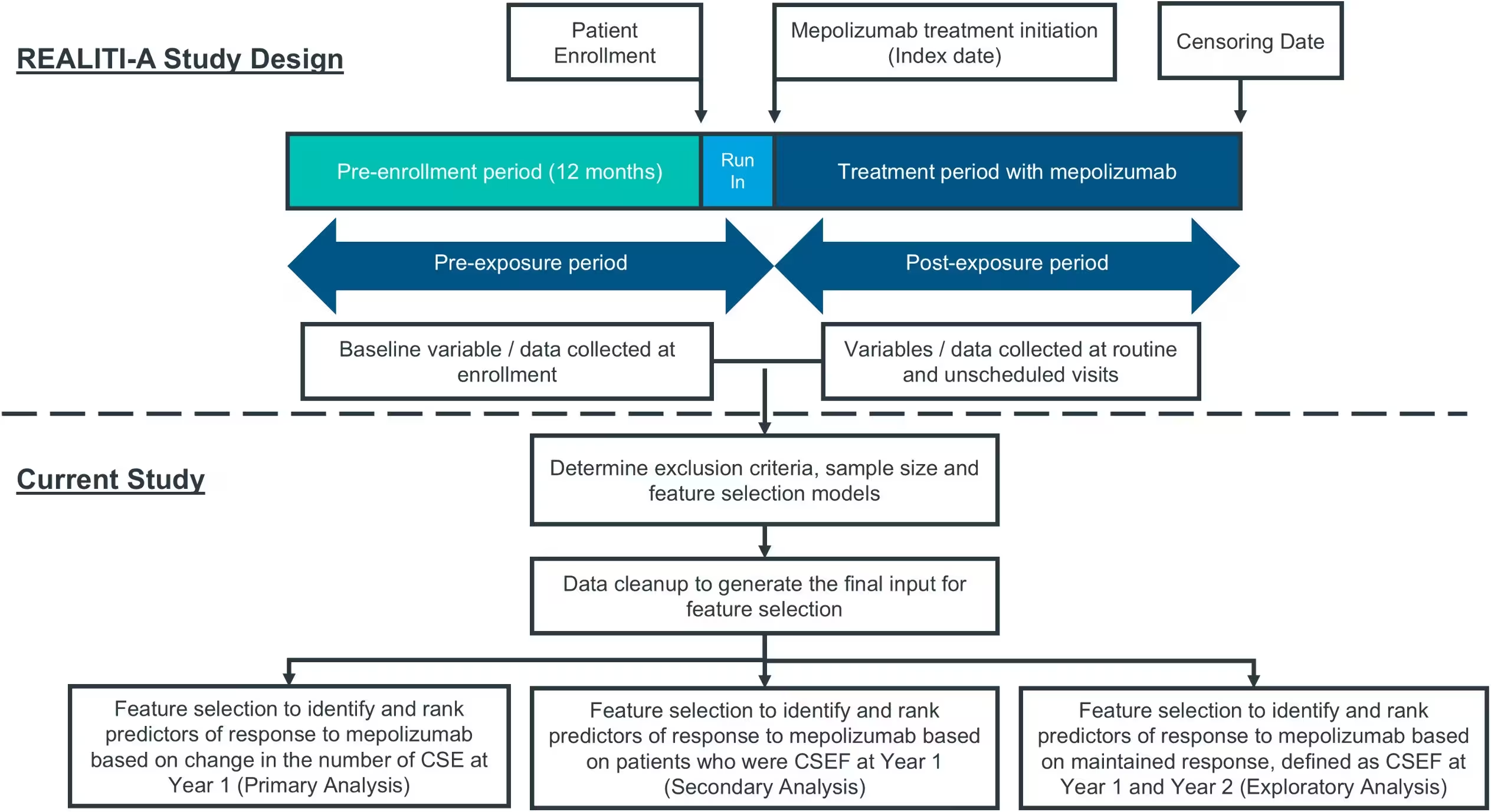
To pinpoint what drives these differences, researchers analyzed data from the international REALITI-A observational study, which tracked patients newly prescribed mepolizumab between December 2016 and October 2019. The study is published in PLOS One, detailing how the team tested multiple computational models on 122 variables derived from 30 clinically relevant features. These features included past medication use, specific medical conditions, body measurements, and standardized symptom questionnaires.
The Top Factors Influencing Treatment Success
The research team evaluated three different modeling techniques, including linear regression, random forest, and extreme gradient boosting, to predict three specific outcomes. These outcomes included the change in severe asthma flare-ups at one year, whether patients remained completely free of flare-ups at one year, and whether that disease-free status was maintained for two consecutive years. Extreme gradient boosting emerged as the top-performing model for predicting changes in exacerbation frequency.
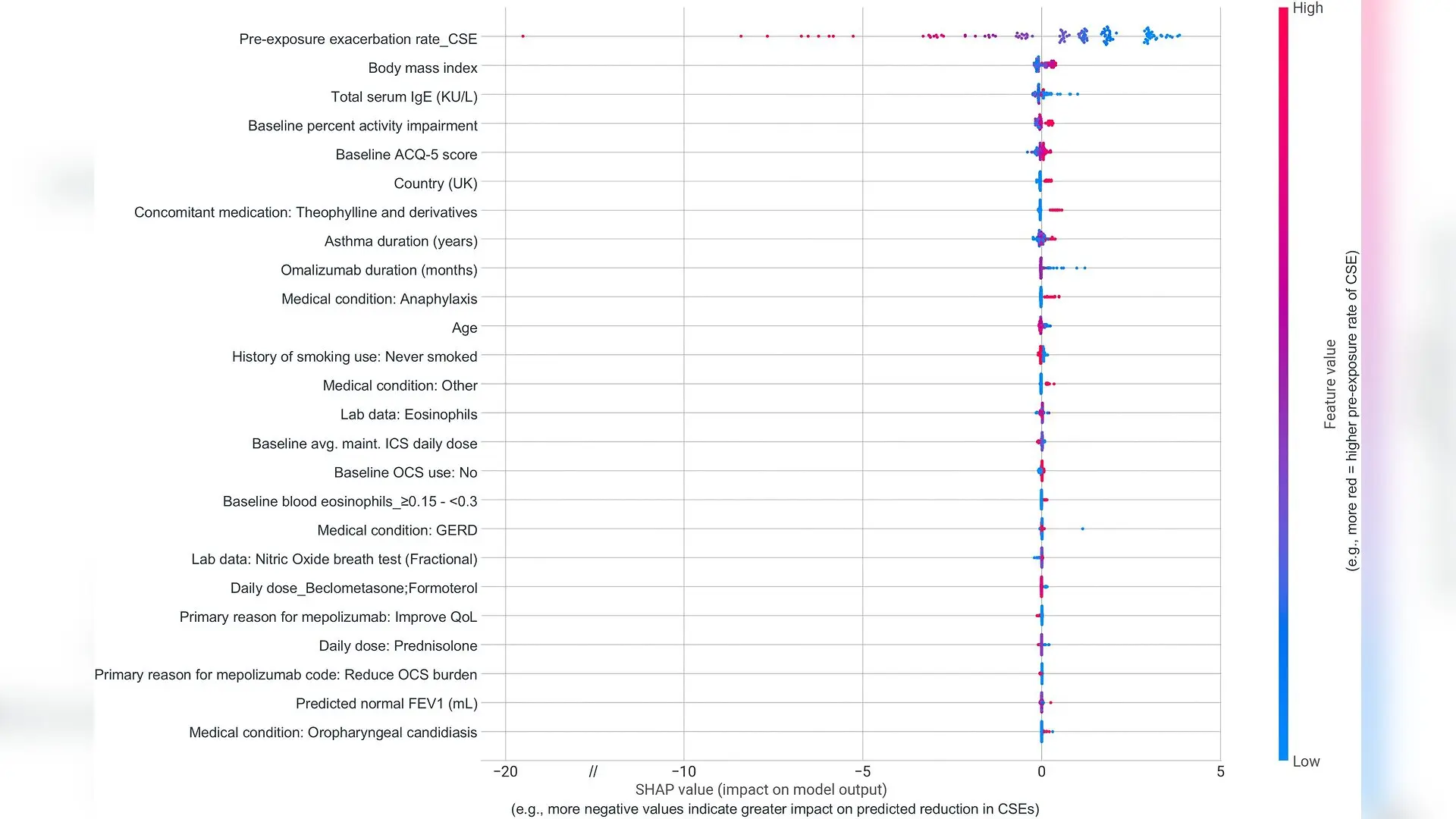
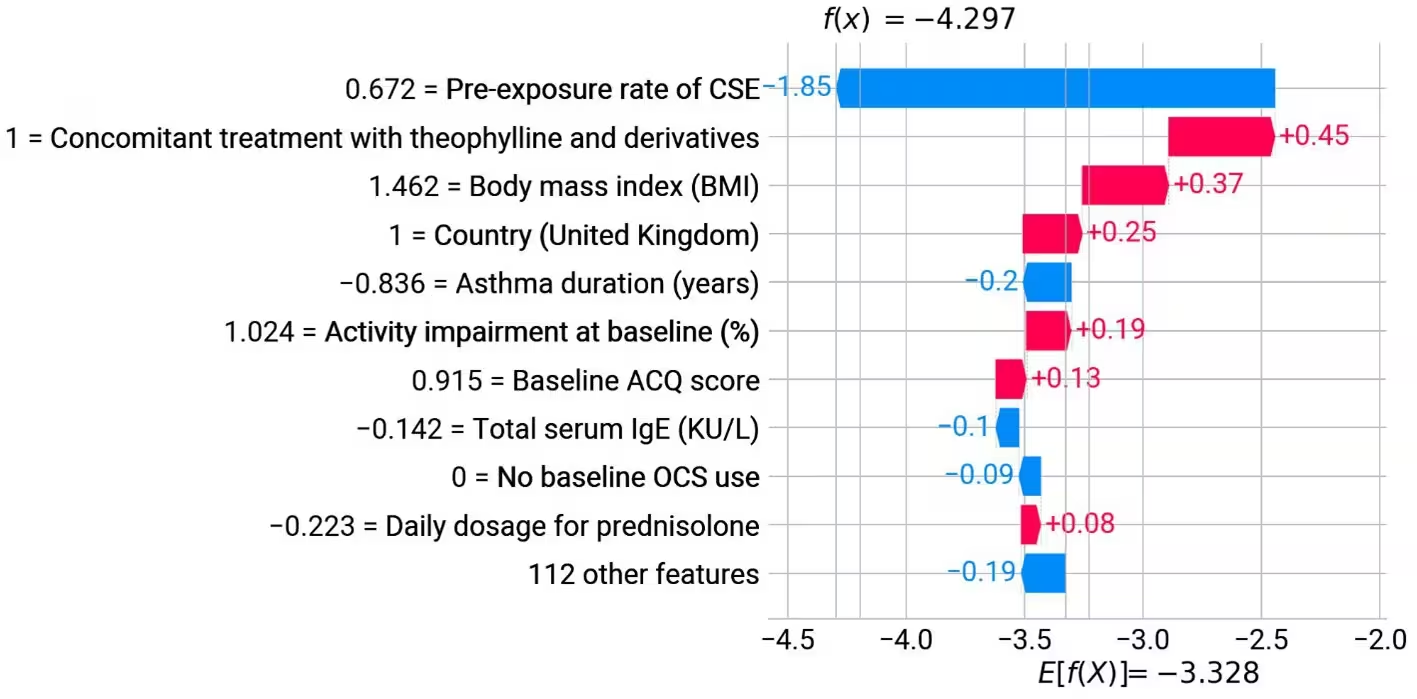
The models revealed that higher pre-treatment flare-up rates, lower body mass index, total serum immunoglobulin E levels, lower baseline activity impairment, and better initial scores on the Asthma Control Questionnaire-5 were the most powerful predictors of treatment response. Further analysis using Shapley Additive exPlanations, a method used to interpret complex machine learning outputs, showed that patients with fewer baseline symptoms and lower activity impairment achieved disease control much faster.
Weighing Real-World Complexities and Regional Differences
The analysis also uncovered unexpected geographic trends, showing that patients residing outside the United Kingdom experienced better treatment responses. The authors attribute this disparity to stricter reimbursement rules in the UK, where patients were required to have experienced a minimum of four severe attacks before qualifying for the therapy, compared to just two attacks in other participating nations. Consequently, UK patients started treatment with more advanced disease severity, making it harder to reach complete freedom from flare-ups.
While the computational models identified total serum immunoglobulin E as a top predictor, further evaluation showed its directionality was inconclusive, mirroring previous clinical trial results where the therapy proved effective regardless of initial antibody levels. The study authors note that as a secondary analysis of observational data, the findings share the inherent limitations of real-world patient registries, including potential recording biases. Nevertheless, the work demonstrates that machine learning can successfully decode complex, non-linear biological interactions to help physicians tailor therapies and optimize healthcare resources for severe asthma sufferers.
The research was published in PLOS One on November 13, 2026.
This article has been fact checked for accuracy, with information verified against reputable sources. Learn more about us and our editorial process.
Last reviewed on .
Article history
- Latest version
Reference(s)
- Usuba, Koyo. “Machine learning approaches for the identification of real-world predictors of mepolizumab response.” PLOS ONE, vol. 21, no. 11, pp. e0362402, doi: 10.1371/journal.pone.0362402. <https://doi.org/10.1371/journal.pone.0362402>.
Cite this page:
- Posted by Hassan Raza