New Marsupial Order Unearthed: 18‑Million‑Year‑Old Fossils Reveal Ancient Australian Lineage
Tiny fossil teeth in NW Queensland rock reveal a long‑lost marsupial lineage, prompting scientists to create a brand‑new taxonomic group.
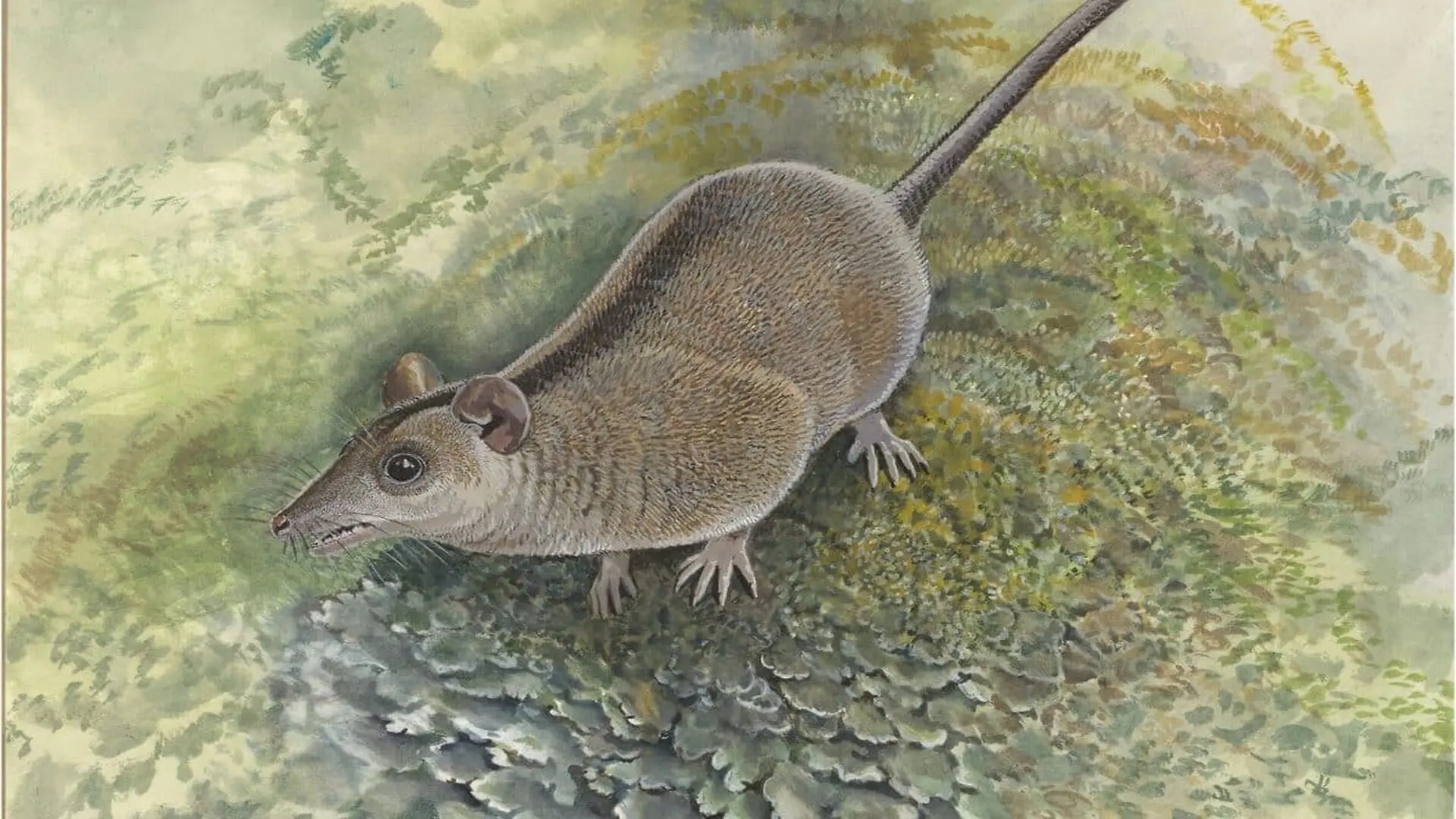
Paleontologists have unveiled a completely new order of marsupials after analysing fossilised teeth recovered from the Riversleigh World Heritage Area in north‑western Queensland. The material represents three previously unknown, insect‑eating species that lived about 18 million years ago in the Early Miocene, ranging in size from a shrew‑sized creature to a mouse‑sized one.
The discovery expands the marsupial tree of life, adding a branch that does not belong to any of the four extant Australian orders. Dubbed Keeunamorphia, the lineage is inferred to extend back more than 50 million years and may be among the earliest groups to diverge from the common ancestors of today’s Australian marsupials.
Unique Tooth Morphology Links New Species to Australia’s Oldest Marsupials
The three taxa – Phantasmodon travouilloni, Phantasmodon minuferox and an unnamed member of Keeunidae – were identified from jaw fragments and isolated molars recovered at the Dirk’s Towers and Neville’s Garden localities within Riversleigh. According to the study in the Journal of Paleontology, the animals weighed between roughly 25 g and 200 g; Phantasmodon travouilloni is estimated at about 100 g, while its smaller relative Phantasmodon minuferox measured around 45 g.
What distinguishes these fossils is a pronounced bump on the molars known as a central cusp, a trait absent from other Australian marsupials. The same cusp appears on two older fossil species – Keeuna woodburnei and Ankotarinja tirarensis – described from late Oligocene deposits in South Australia, as well as on Djarthia murgonensis, a diminutive marsupial from 55‑million‑year‑old rocks at Murgon, Queensland, long regarded as the continent’s most primitive marsupial.
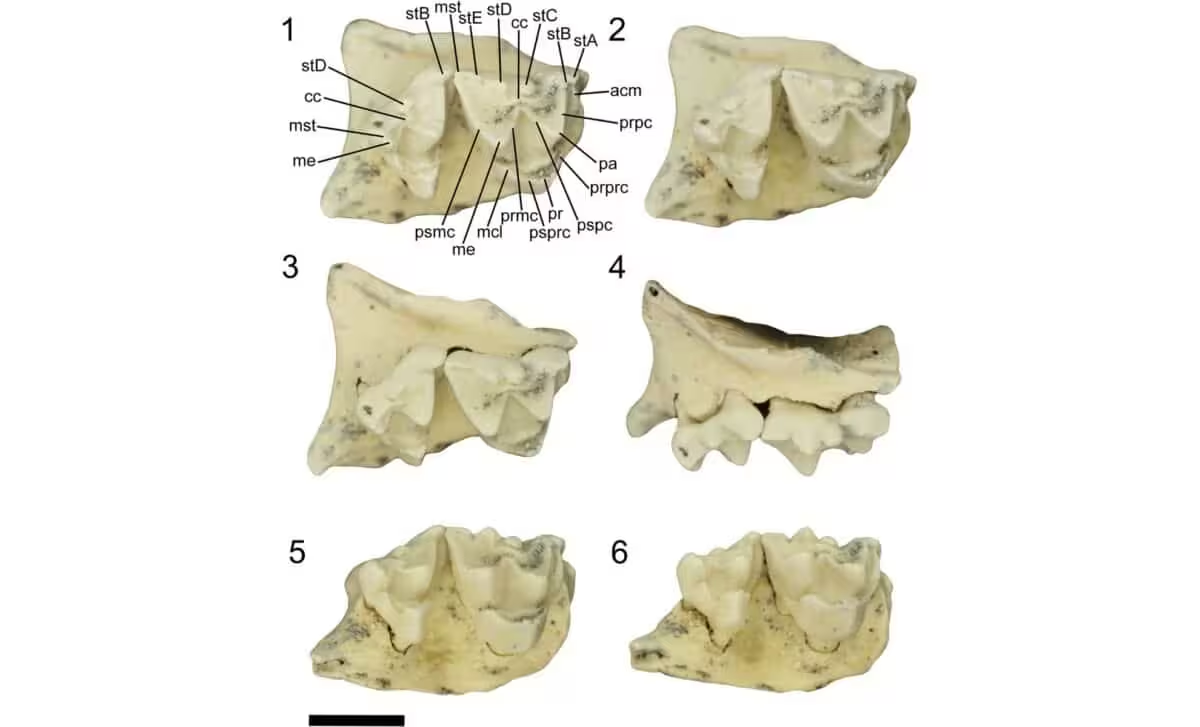
Because all six species share this central‑cusp pattern together with a suite of other dental characteristics, the authors concluded that none fit comfortably within the established orders Dasyuromorphia, Peramelemorphia, or others, despite superficial resemblances to early dasyuromorphian carnivores. This led them to propose a wholly new order.
Statistical Tests Point to Ancient Gondwanan Connections and a Gradual Decline
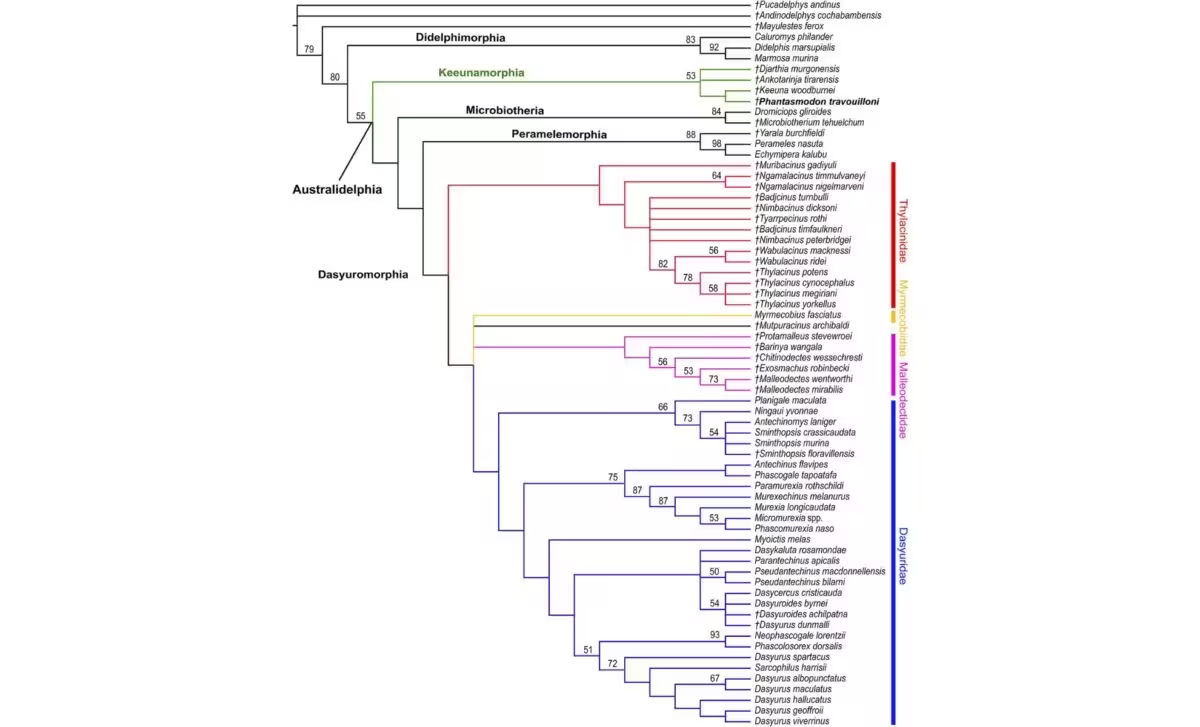
The team evaluated the placement of Keeunamorphia using two complementary approaches: a morphology‑only parsimony analysis and a Bayesian framework that combined morphological traits with molecular data. The parsimony results positioned Keeunamorphia as the basal branch of Australidelphia, the clade that includes all living Australian marsupials and the South American monito del monte. In contrast, the Bayesian analysis excluded Djarthia murgonensis from Keeunamorphia, treating it as a separate early stem lineage while grouping the remaining keeunamorphians closer to dasyuromorphian carnivores.
When early South American relatives from Brazil’s Itaboraí Formation were added, the analysis hinted at a deeper affinity between Australian keeunamorphians and South American “sternbergiids,” suggesting a shared ancestry from a time when Australia, Antarctica and South America remained connected within Gondwana.
Tim Churchill, the study’s lead author from the University of New South Wales, told Sci‑News that Keeunamorphia could represent the most ancient marsupial lineage yet identified in Australia. He emphasized that the evolutionary picture is more intricate than a single ancestral stock giving rise to all modern marsupials; instead, Gondwanan Australia likely hosted multiple primitive branches, several of which contributed to today’s fauna.
Fossil evidence spans from the 55‑million‑year‑old site at Murgon to Riversleigh’s Early Miocene deposits, indicating that Keeunamorphia survived in Australia for over 35 million years. The absence of post‑Middle‑Miocene specimens suggests the order vanished without leaving direct descendants, perhaps because its small insect‑eating niche was overtaken by dasyuromorphians, bandicoots and other competing groups as the Miocene progressed.
This article has been fact checked for accuracy, with information verified against reputable sources. Learn more about us and our editorial process.
Last reviewed on .
Article history
- Latest version
Reference(s)
- Churchill, Timothy. “A new metatherian order from Australia (Keeunamorphia, Metatheria), and new Early Miocene species from the Riversleigh World Heritage Area, northwestern Queensland | Journal of Paleontology | Cambridge Core.”, pp. 1-30. Cambridge Core, doi: 10.1017/jpa.2026.10238. <https://www.cambridge.org/core/journals/journal-of-paleontology/article/new-metatherian-order-from-australia-keeunamorphia-metatheria-and-new-early-miocene-species-from-the-riversleigh-world-heritage-area-northwestern-queensland/BBEFC975681DE79E5D49842D540A506B>.
Cite this page:
- Posted by Hassan Raza