Greenland’s Melting Glaciers Spawn Iceberg Surge That Reshapes Deep‑Sea Life
Out-of-control icebergs are wreaking havoc on oceans, threatening ships and marine life worldwide.
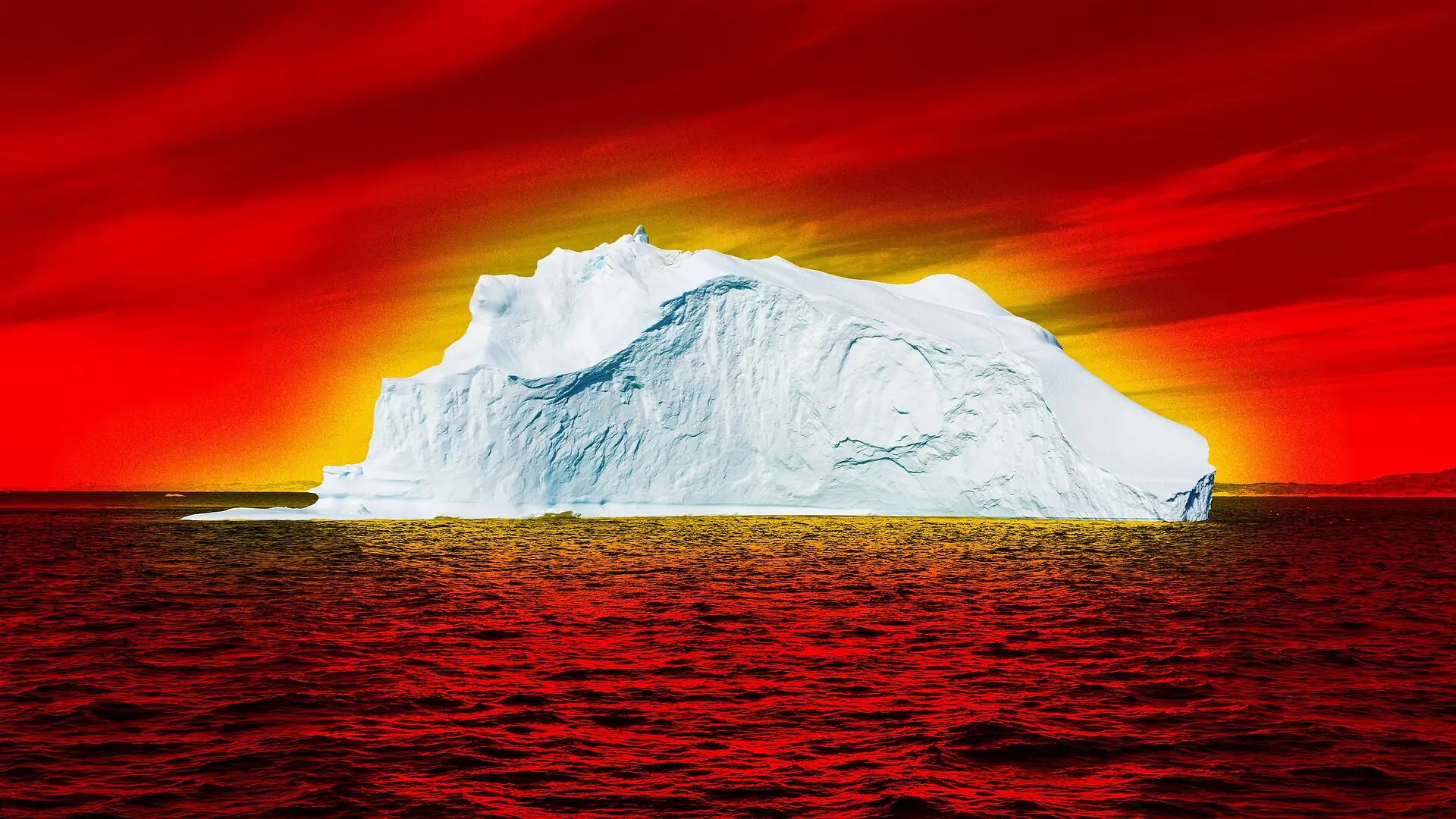
Greenland’s melting ice is spawning a torrent of new icebergs
A recent Nature paper from the Technical University of Denmark reveals that retreating glaciers in Northeast Greenland are releasing far more icebergs into the ocean, reshaping shipping routes and altering deep‑sea habitats.
Satellite data and ship logs trace a rapid rise
By merging four decades of vessel observations with satellite imagery, sea‑ice simulations and seafloor surveys focused on the Fram Strait—the principal corridor between the Arctic and global oceans—the team documented a dramatic shift: iceberg output from the strait has surged fourfold since the start of the millennium.
Two forces drive the iceberg boom
First, warming waters destabilize the massive glaciers along Greenland’s northeastern coast, prompting them to calve more frequently. Simultaneously, the seasonal sea‑ice cover thins and retreats, clearing a pathway for the newly broken ice to drift outward.
Floating debris becomes a substrate for life
As these icebergs melt far from their source, they release embedded rocks—known as dropstones—onto the abyssal floor. Photographs taken at depths near 8,000 feet show these stones gathering in clusters, providing hard surfaces where sponges, anemones and other organisms can establish permanent colonies.
Deep‑sea biodiversity on the rise
“Where previously there were only isolated stones of various sizes, we are now finding much larger accumulations, frequently in small groups. And with each new stone, a permanent settlement is created on the seabed,” said co‑author Kirstin Meyer‑Kaiser of the Woods Hole Oceanographic Institution in a statement. “Sponges, anemones, and other animals that favour hard substrates can settle there,” she added, noting an increase in deep‑sea species richness.
Implications for climate‑driven change
“The Arctic is responding faster to global warming than most other places on Earth,” remarked study co‑author Shfaqat Abbas Khan, professor at DTU Space, in a statement. He emphasized that understanding the links between ice sheets, ocean dynamics and marine ecosystems is essential for anticipating future climate impacts.
This article has been fact checked for accuracy, with information verified against reputable sources. Learn more about us and our editorial process.
Last reviewed on .
Article history
- Latest version
Reference(s)
- Krumpen, Thomas. “Amplified Arctic iceberg traffic reshapes benthic biodiversity - Nature.”, June 10, 2026, pp. 1-8. Nature, doi: 10.1038/s41586-026-10630-4. <https://www.nature.com/articles/s41586-026-10630-4>.
- “Retreating glaciers increase iceberg sightings and reshape deep-sea habitats - Woods Hole Oceanographic Institution.” Woods Hole Oceanographic Institution <https://www.whoi.edu/press-room/news-release/more-bergs/>.
- Jensen, Tore. “More icebergs are changing life in the Arctic.” <https://www.dtu.dk/english/newsarchive/2026/06/more-icebergs-are-changing-life-in-the-arctic>.
Cite this page:
- Posted by Hassan Raza