Giant 8-Meter-Tall Prototaxites Hint at an Extinct Evolutionary Lineage Before Trees
New fossil discoveries uncover 8‑meter‑tall organisms that predate trees and defy placement in any known kingdom, reshaping our view of early life.
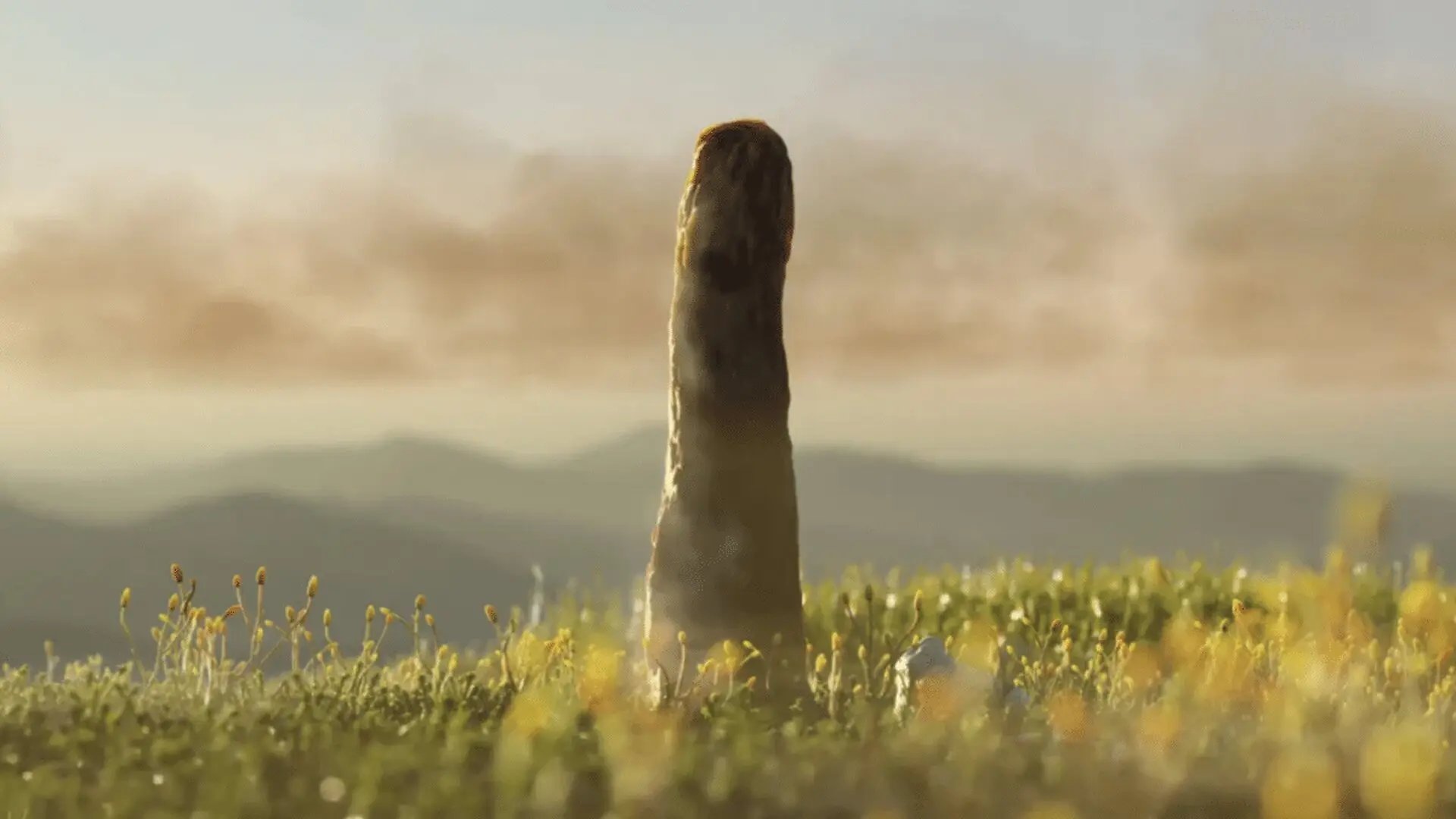
A newly examined fossil, dated to roughly 410 million years ago, is forcing scientists to rethink how early life colonised land. The remains belong to the enigmatic organism Prototaxites, which grew to dimensions comparable with modern trees, standing as tall as eight metres long before true forests appeared.
Land Before the First Forests
During the late Silurian and early Devonian, the planet’s continents were covered by damp, sparsely vegetated habitats rather than the dense woodlands we recognise today. In this setting, Prototaxites emerged as massive, upright structures that dominated the visual landscape, offering vertical complexity in an otherwise low‑lying biosphere.
Their extraordinary stature implies a pivotal ecological function, perhaps acting as scaffolding for communities that otherwise occupied the ground layer. Fossils indicate that Prototaxites first appeared in the late Silurian and persisted into the Early Devonian, a period marked by rapid diversification of terrestrial organisms yet still lacking true forests.
New Insights from the Rhynie Chert
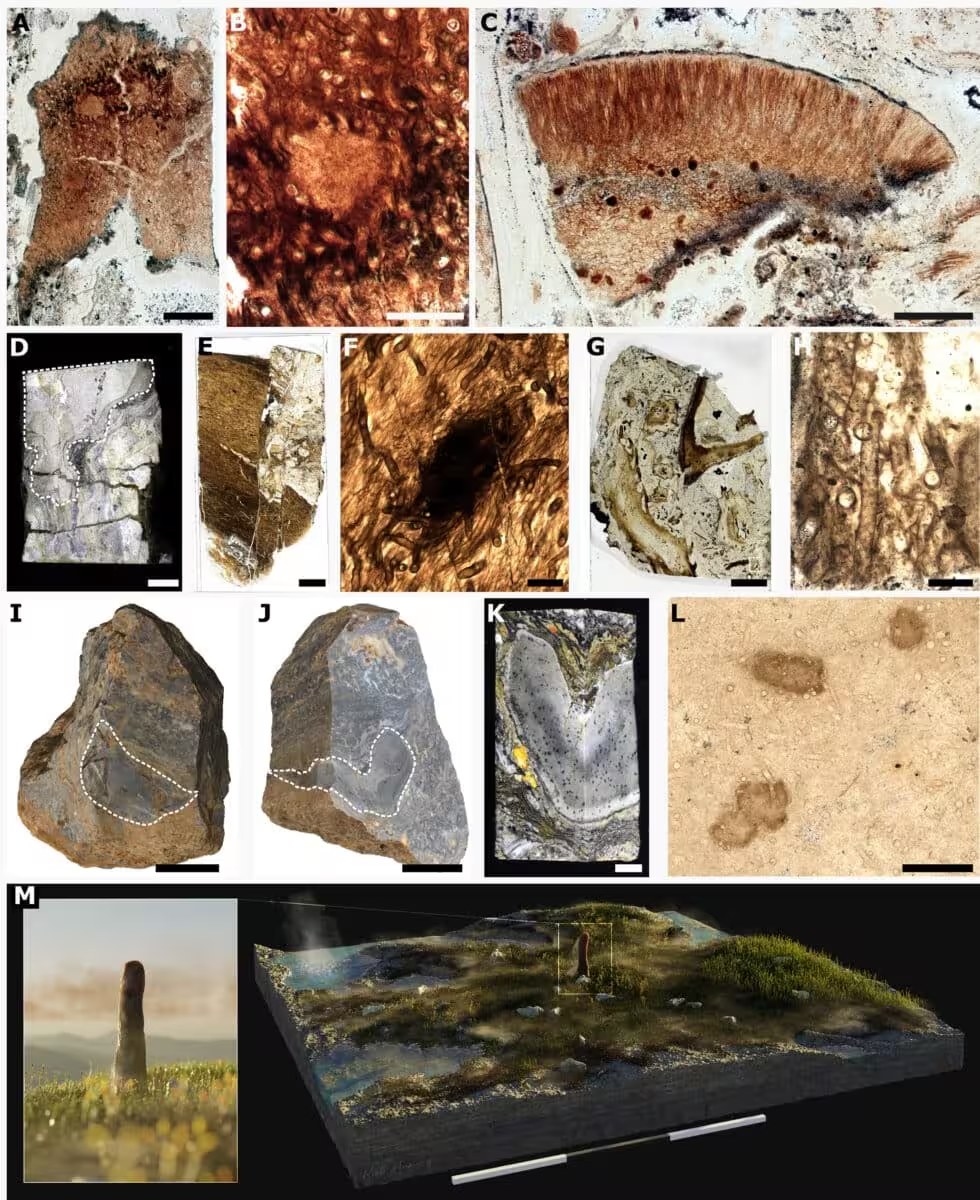
The observations stem from a study published in Science, which examined exceptionally preserved specimens recovered from the Rhynie chert of Scotland. This formation is renowned for capturing fine cellular details of organisms that lived more than four hundred million years ago, offering an unparalleled glimpse into the earliest land‑based ecosystems.
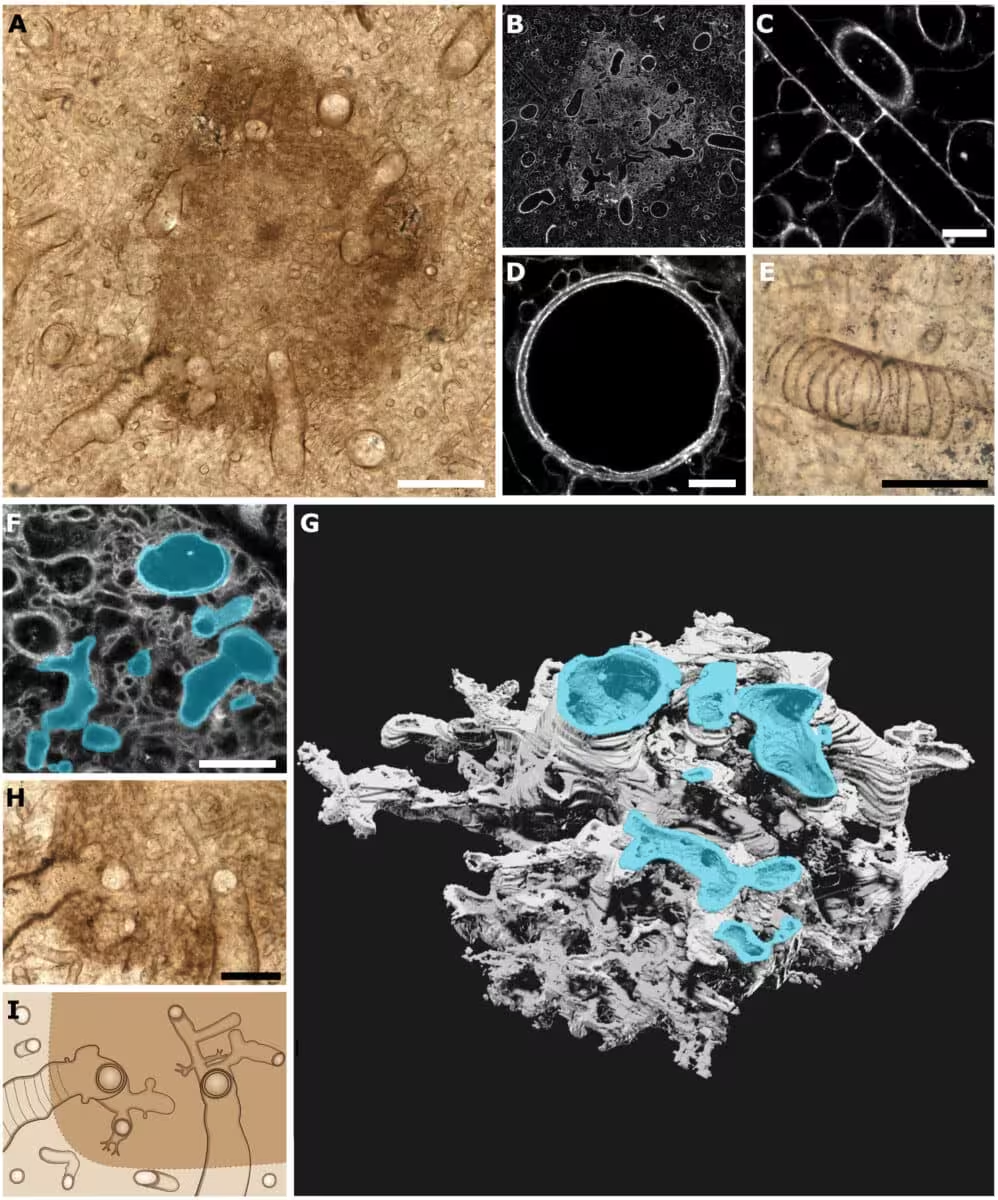
Researchers applied high‑resolution imaging and chemical analyses to the fossils, revealing intricate internal architecture and compositional traits that challenge the long‑standing view of Prototaxites as a giant fungus. The data suggest a more ambiguous biological affiliation, prompting scientists to consider that the organism falls outside any known modern taxonomic group.
A Taxonomic Puzzle That Defies Simple Placement
For decades, paleobiologists attempted to slot Prototaxites into fungal lineages because of its filamentous texture and apparent growth mode. However, recent chemical tests failed to detect chitin—the hallmark polymer of fungal cell walls—casting serious doubt on that classification. Anatomical features also lack clear parallels among plants, fungi, or animals, leaving the organism in a taxonomic limbo.
“They are life, but not as we now know it, displaying anatomical and chemical characteristics distinct from fungal or plant life, and therefore belonging to an entirely extinct evolutionary branch of life.”
Sandy Hetherington, a lead investigator on the project, emphasised that the organism’s unique combination of traits points toward a lineage that diverged early from other multicellular groups and left no direct descendants.
Gigantic Pillars in Primitive Ecosystems
Reaching heights of up to eight metres, Prototaxites would have been the tallest objects in their environments, dwarfing contemporary plants and providing a rare vertical axis. Such stature may have facilitated spore release, improved access to light‑induced nutrients, or offered refuge for early arthropods that appear to have used the structures as food sources or shelters.
The dominance of these giants waned as true woody trees emerged in the Middle to Late Devonian, eventually eclipsing Prototaxites in both size and ecological influence. Their disappearance marks a key transition toward forested landscapes that reshaped global carbon cycles and atmospheric composition.
An Extinct Evolutionary Experiment?
Laura Cooper, who contributed to the recent analyses, argued that the evidence points to Prototaxites representing a wholly separate lineage of complex multicellular organisms that vanished without leaving modern descendants. “As previous researchers have excluded Prototaxites from other groups of large complex life, we concluded that Prototaxites belonged to a separate and now entirely extinct lineage of complex life,” she said.
If this interpretation holds, the organism would exemplify an evolutionary avenue that briefly flourished before being outcompeted by the rise of true plants. Scientists caution that confirming such a scenario will require additional fossil material, as current conclusions rest on a limited set of exceptionally preserved specimens.
This article has been fact checked for accuracy, with information verified against reputable sources. Learn more about us and our editorial process.
Last reviewed on .
Article history
- Latest version
Reference(s)
- Loron, Corentin C.., et al. “Prototaxites fossils are structurally and chemically distinct from extinct and extant Fungi.” Science Advances, vol. 12, no. 4, January 23, 2026 American Association for the Advancement of Science (AAAS), doi: 10.1126/sciadv.aec6277. <https://www.science.org/doi/10.1126/sciadv.aec6277>.
Cite this page:
- Posted by Hassan Raza