Dark Arctic icebergs sow new seafloor habitats: rocks boost deep‑sea biodiversity
Scientists tracked odd Arctic icebergs for months, uncovering a hidden under‑sea phenomenon that sparked a remarkable new scientific discovery.
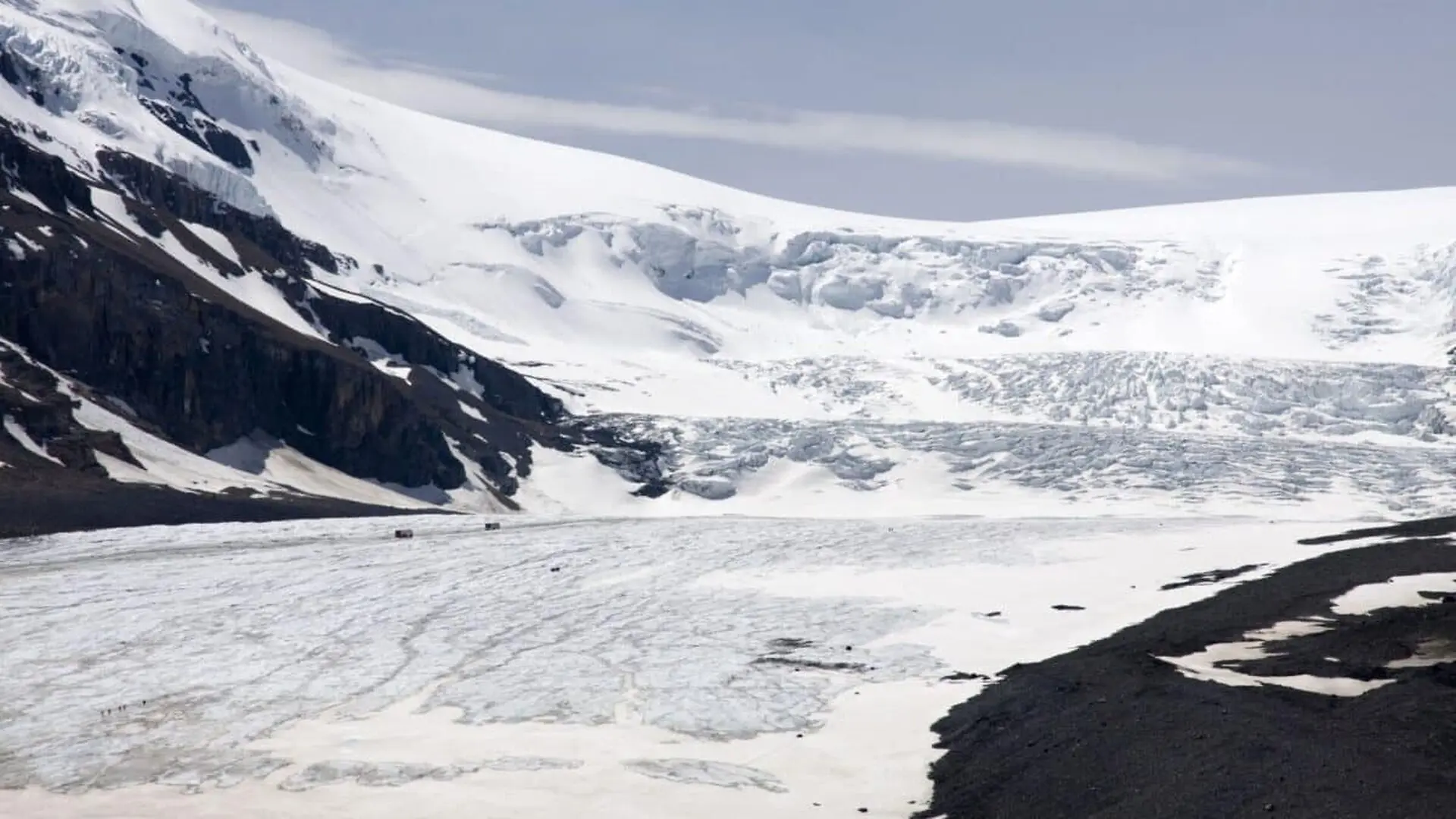
A surprising pattern of shadowy icebergs drifting through the Arctic’s Fram Strait has revealed a hidden engine of seafloor biodiversity, according to a new study from the Alfred Wegener Institute (AWI) and the Woods Hole Oceanographic Institution (WHOI).
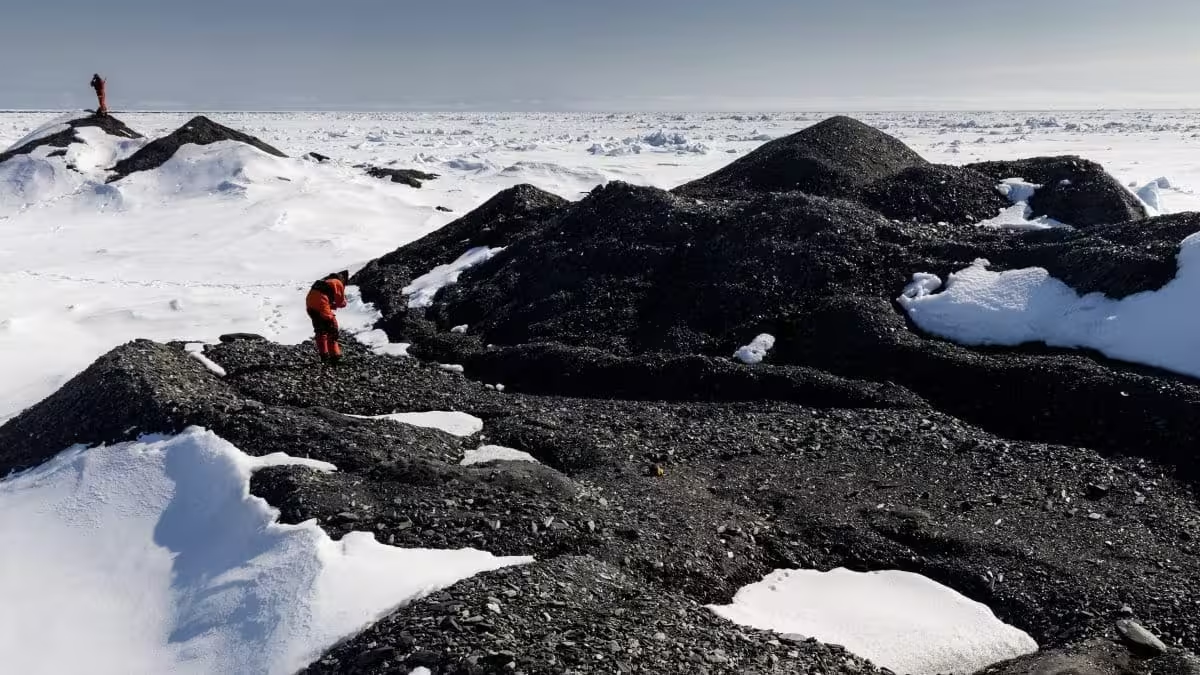
During a 2021 polar cruise, researchers noticed that several icebergs looked unusually dark, their surfaces cloaked in a thick layer of rock‑laden debris. The anomaly prompted a detailed investigation into where the material was being deposited once the ice melted.
Dark Icebergs Signal Rocky Cargo
Marine biologist Melanie Bergmann highlighted in a WHOI press release that “some of the icebergs were carrying unusually large amounts of debris and looked almost black from above.”
“Some of the icebergs were carrying unusually large amounts of debris and looked almost black from above.”
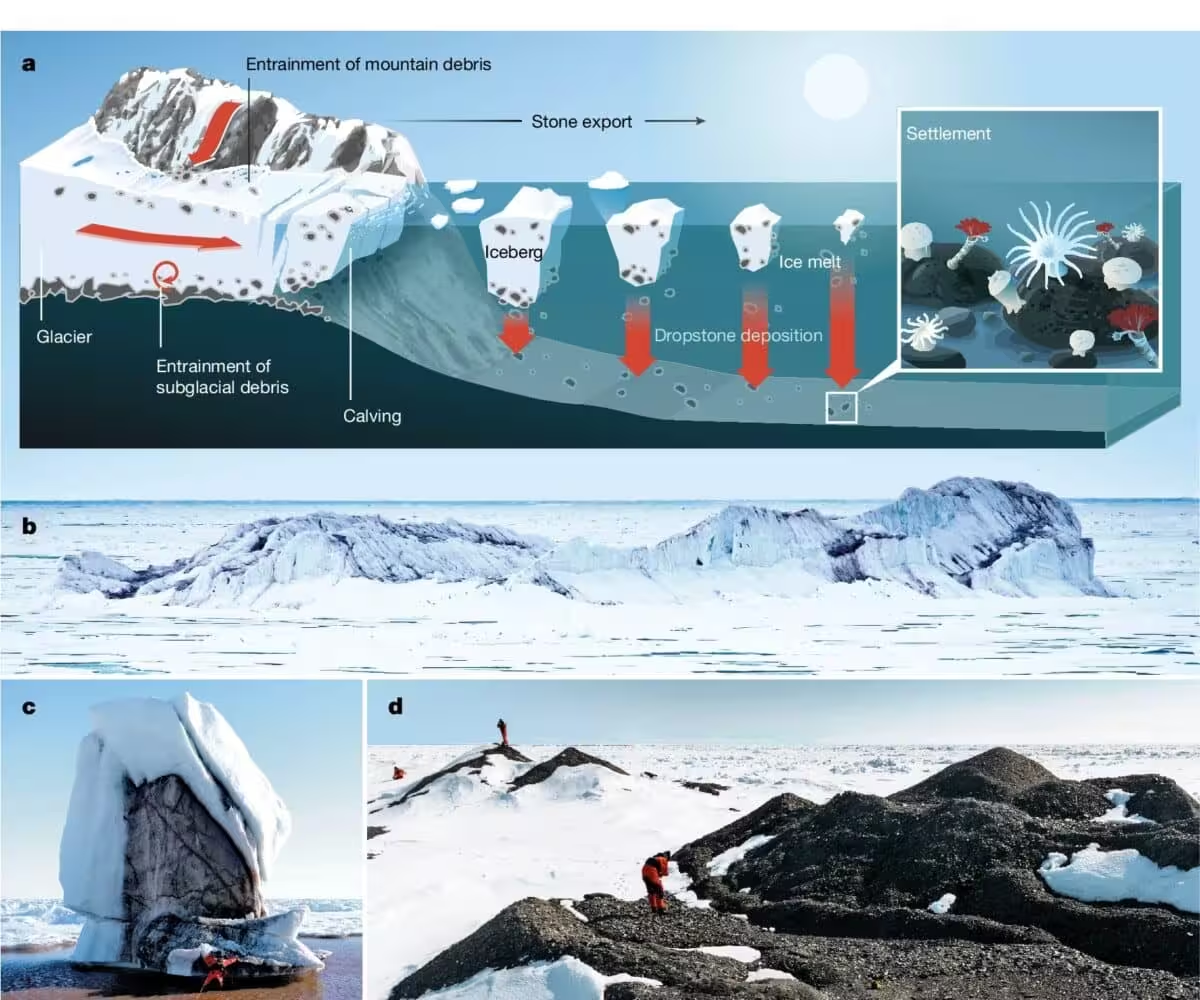
The team traced the trajectory of these debris‑laden icebergs with satellite imagery, linking most of them to glaciers in northeastern Greenland and a few to sources in the Russian High Arctic. As the icebergs melted, the entrained rocks—known as dropstones—settled on the ocean floor, creating new hard substrates for marine organisms.
Dropstones Turn Into Underwater Oases
AWI’s Hausgarten Observatory, a network of 21 seafloor stations across the Fram Strait, captured time‑lapse footage of the emerging habitats. The visuals revealed colonies of soft corals, sea anemones, sea stars, sponges and bryozoans clustering around the newly placed stones.
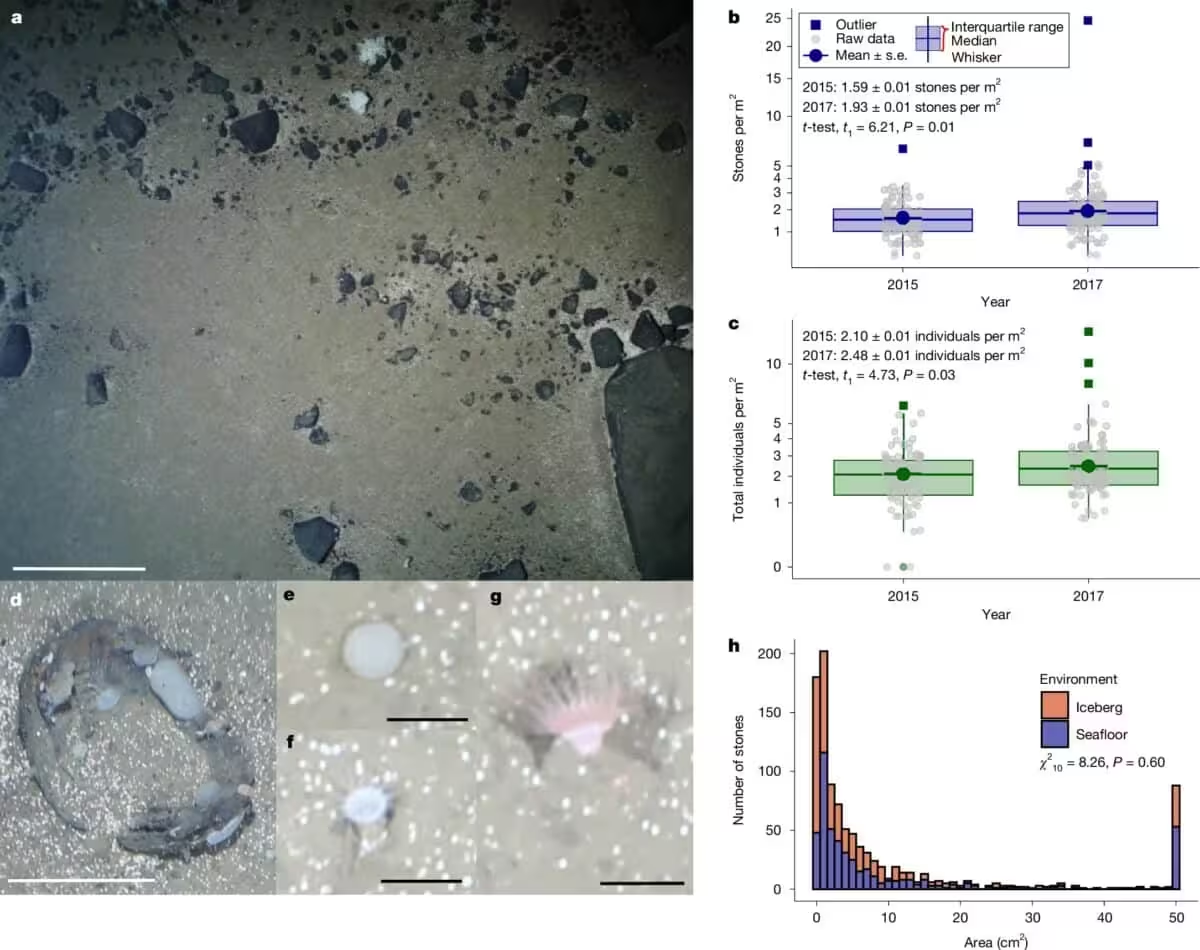
“Where previously there were only isolated stones of various sizes, we are now finding much larger accumulations, frequently in small groups,” marine biologist Kirstin Meyer‑Kaiser said in an AWI statement, adding that “as a result, biodiversity in the deep sea is increasing.”
Comparative analyses of rock samples taken from the seabed and from the iceberg surfaces confirmed a matching mineral signature, solidifying the link between glacier‑sourced debris and the emerging deep‑sea ecosystems.
Implications for Arctic Navigation and Research
Lead author Thomas Krumpen emphasized that the same satellite‑derived data used to map iceberg routes could improve safety assessments for shipping, cruise tourism, and offshore exploration in the increasingly trafficked Arctic waters.
“An increasing presence of icebergs in certain regions of the Arctic harbours considerable risks, for example for cruise ships and cargo ships, which are travelling in ever greater numbers in the ice or near the ice edge, as well as for exploration activities for oil and gas,” he said.
The interdisciplinary findings have also resonated with the broader scientific community. In a commentary for Nature, marine biologist Bodil Bluhm described the work as a “‘wow’ example for how incredibly connected different parts of our planet are.”
This article has been fact checked for accuracy, with information verified against reputable sources. Learn more about us and our editorial process.
Last reviewed on .
Article history
- Latest version
Reference(s)
- “Melanie Bergmann - AWI.”, June 2, 2023 <https://www.awi.de/en/about-us/service/expert-database/melanie-bergmann.html>.
- “Woods Hole Oceanographic Institution.” Woods Hole Oceanographic Institution <https://www.whoi.edu/profile/kmeyer/>.
- “Thomas Krumpen - AWI.”, September 23, 2019 <https://www.awi.de/en/about-us/service/expert-database/translate-to-english-thomas-krumpen.html>.
- “Rocks falling from melting icebergs host deep-sea oases of biodiversity.”, June 10, 2026 <https://www.nature.com/articles/d41586-026-01835-8>.
- “Bluhm, Bodil | UiT.” <https://en.uit.no/ansatte/person?p_document_id=384289>.
Cite this page:
- Posted by Hassan Raza