Solar Storm Brings Up To 30% Chance of Aurora Over 10 Northern U.S. States Tonight
NOAA-tracked solar flare may light up the U.S. with auroras, offering a rare chance to see the northern lights across several states.
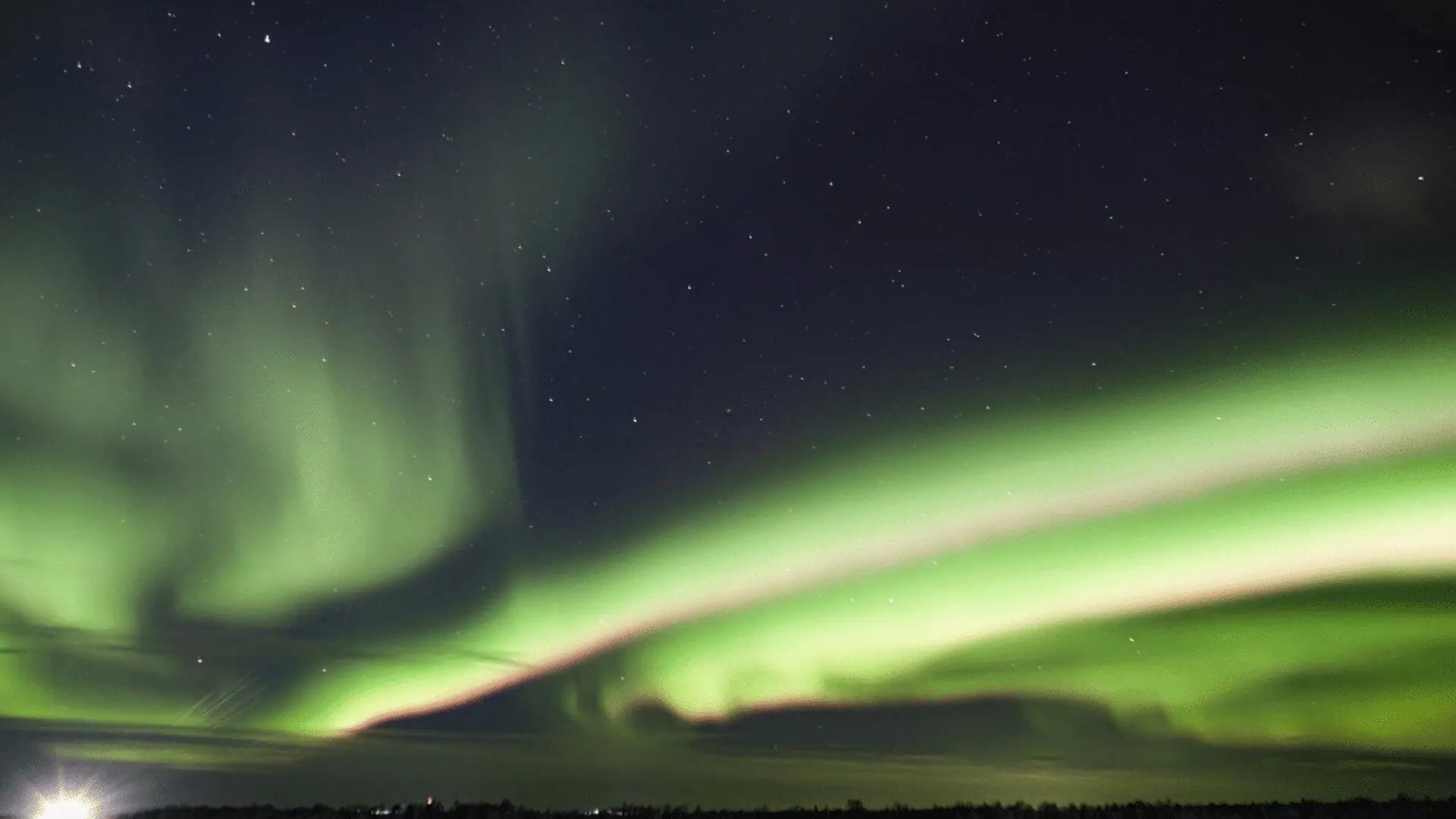
A pair of solar eruptions launched on July 26 and 27 could trigger a modest aurora that may be visible in the northern United States later this week, according to NOAA’s Space Weather Prediction Center. The agency assigns a roughly one‑in‑four chance of a G1‑level geomagnetic storm, which would push the auroral oval just far enough south to brush the U.S.–Canada border.
NOAA Projects Limited Northern Lights Across Upper Midwest
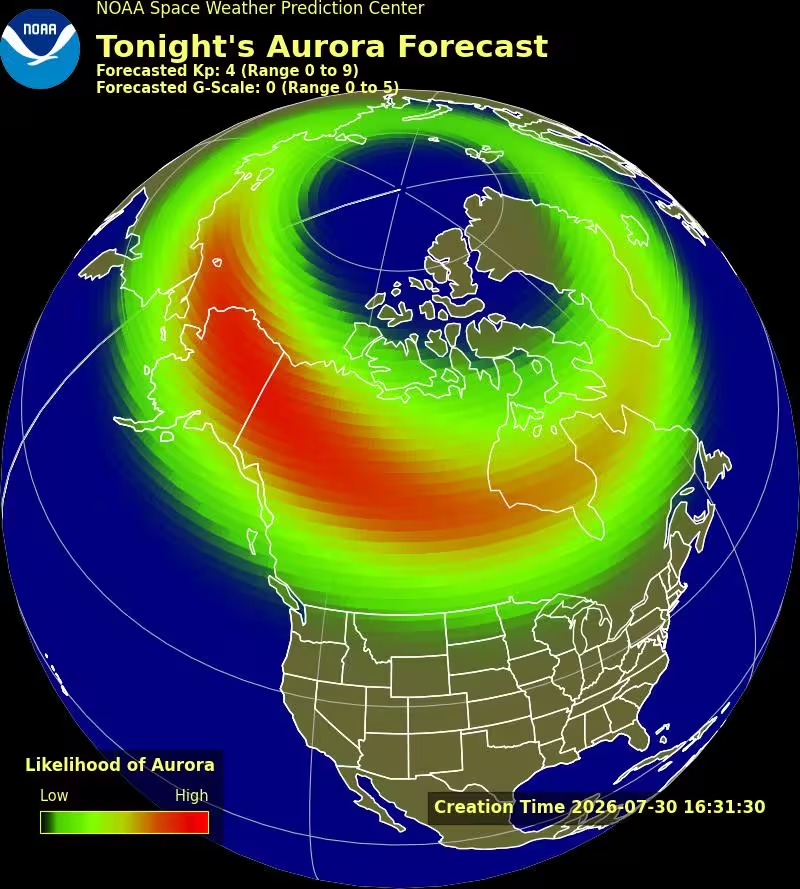
The forecast map released by NOAA highlights the strongest probabilities in Alaska, while the southern edge of the auroral zone is expected to dip into the northern tier of the contiguous United States. States such as Washington, Montana, North Dakota, Minnesota, Michigan and Maine sit at the top of the list for potential sightings. Adjacent regions—including parts of Idaho, Wisconsin, South Dakota, Wyoming, New York, Vermont and New Hampshire—could also catch a glimpse if geomagnetic activity intensifies.
Solar Bursts Send Magnetized Plasma Toward Earth
The two coronal mass ejections (CMEs) expelled from the Sun carry vast clouds of charged particles. When these streams encounter Earth’s magnetic shield, they can spark shimmering emissions high in the atmosphere. A key factor is the orientation of the interplanetary magnetic field; a southward direction enables the solar particles to link more efficiently with Earth’s field, raising the odds of visible auroral displays.
Because the CMEs are expected to glance the planet rather than strike head‑on, the resulting geomagnetic disturbance is likely to be modest compared with historic storms that have driven auroras deep into the continental United States.
Moonlight, Short Nights and Weather May Dim the Show
A bright full moon will illuminate the sky, making any faint green or pink hues harder to discern. Summer also brings abbreviated darkness, so the window for observing the lights will be narrower than in the colder months. Cloud cover adds another variable; even a decent geomagnetic event can be concealed behind overcast skies.
Astronomy enthusiasts have plenty to track this season. Noctilucent clouds continue to appear across the northern hemisphere, a comet is brightening, and two meteor showers are approaching their peaks. A total solar eclipse later this year will further enrich an already bustling celestial calendar.
This article has been fact checked for accuracy, with information verified against reputable sources. Learn more about us and our editorial process.
Last reviewed on .
Article history
- Latest version
Cite this page:
- Posted by Aisha Ahmed