When Can You See the July 2026 Buck Moon and Its Surprising History
July 2026’s Buck Moon revives a classic summer lunar tradition, lighting the night sky with its full brilliance.
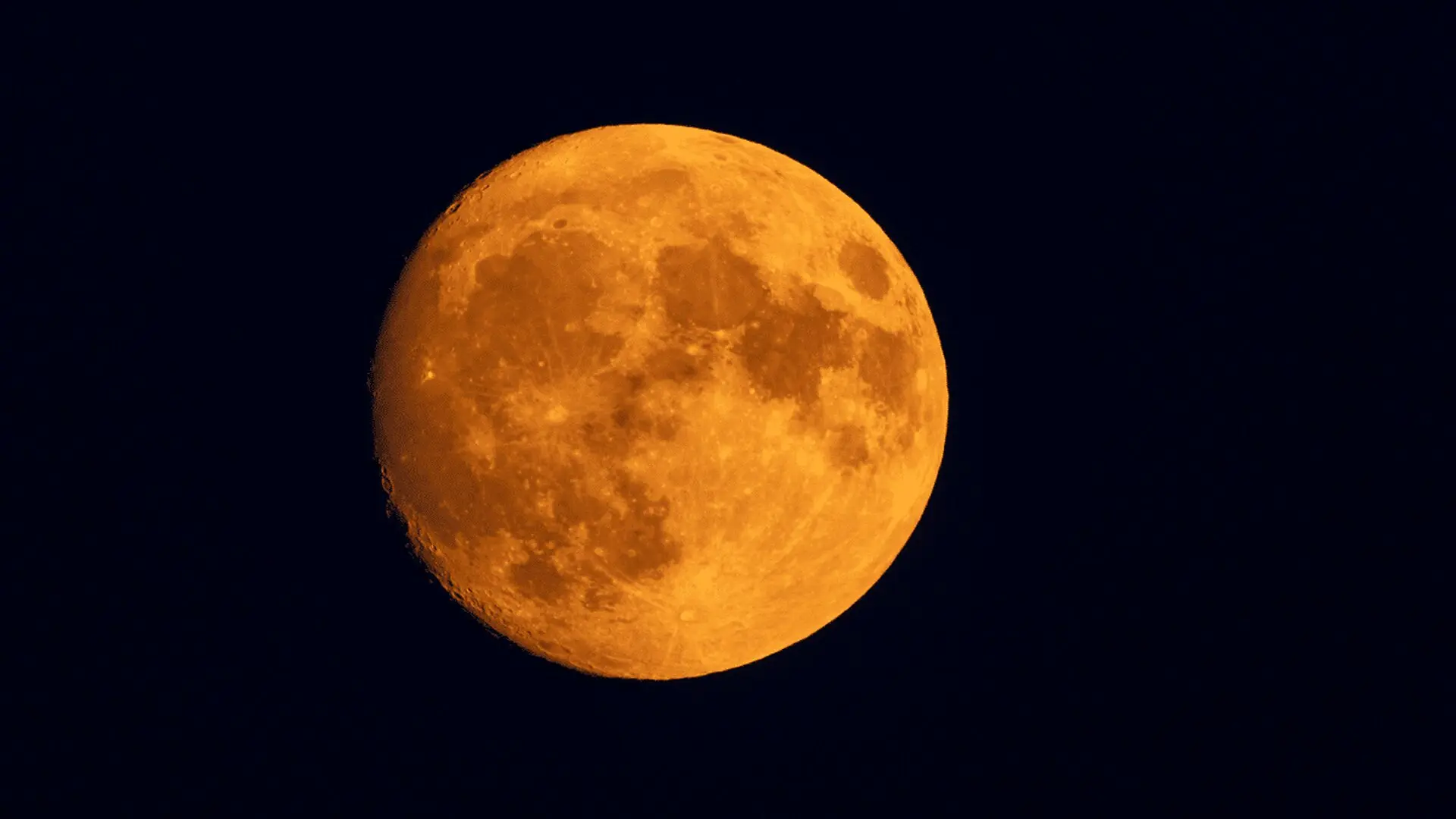
The July 2026 full moon, often called the Buck Moon, will dominate summer evenings, offering a vivid view of Earth’s nearest neighbor. Named for the time when male deer sprout fresh antlers across parts of North America, this lunar event links contemporary sky‑watching with centuries‑old seasonal markers.
What Gives the July Moon Its “Buck” Nickname?
The moniker originates from traditional observations that associate July’s night sky with the growth of new antlers on bucks. According to the Old Farmer’s Almanac, many full‑moon titles derive from recurring natural phenomena, wildlife habits, agricultural cycles, and historic community notes. Though these titles lack formal astronomical status, they persist as popular references for those tracking monthly lunar phases.
Global Folklore and Seasonal Associations
Various cultures attach additional names to the July moon, linking it to summer thunderstorms, heat waves, or crop development. Such interpretations illustrate humanity’s long‑standing practice of using the Moon as a temporal marker for earthly changes. Modern space agencies continue to study the Moon—see NASA’s upcoming missions—while traditional names preserve a cultural bridge to the night sky.
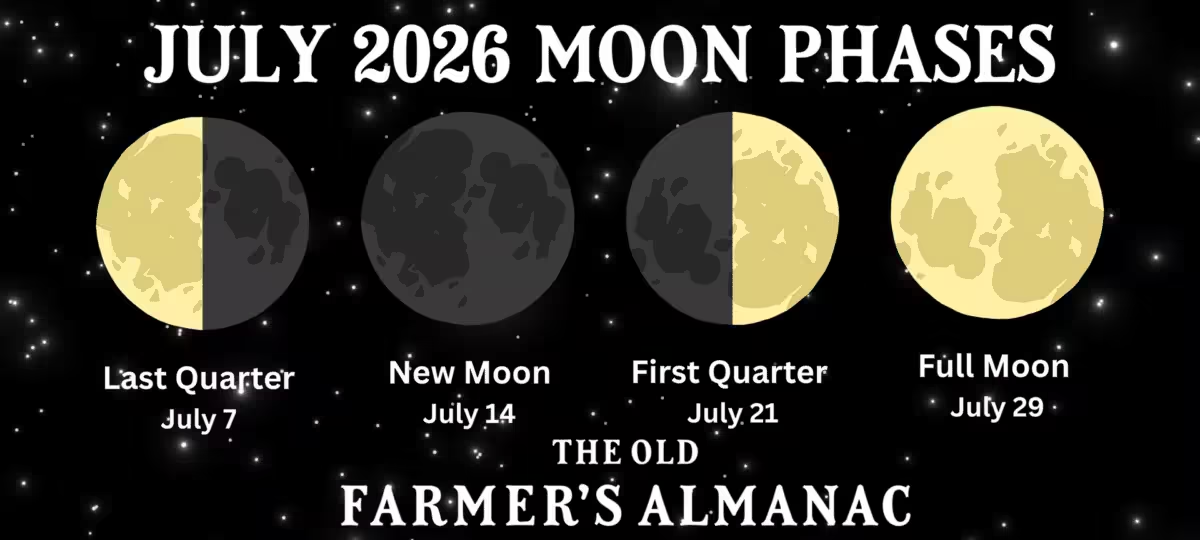
When and Where to Spot the 2026 Buck Moon
The Buck Moon reaches full illumination in mid‑July, becoming visible shortly after sunset. Optimal viewing depends on local weather, light‑pollution levels, and the Moon’s altitude. Observers away from urban glow will enjoy a clearer backdrop, revealing neighboring stars and faint celestial objects. Simple binoculars can enhance surface details, though the Moon’s brightness may mute crater shadows compared with waning phases.
Photographers often favor low‑horizon shots, where the Moon’s glow mingles with terrestrial silhouettes for dramatic compositions. No specialized equipment is required—any clear view of the sky suffices. Consulting regional moonrise tables helps pinpoint the ideal moment to catch the lunar display.
From Ancient Timelines to Today’s Lunar Research
The enduring appeal of the July full moon underscores how celestial cycles intersect both scientific inquiry and public fascination. Early societies relied on lunar rhythms for farming, navigation, and seasonal planning. Contemporary astronomers, meanwhile, employ sophisticated instruments and orbiters—such as NASA’s ongoing lunar exploration initiatives—to map the Moon’s geology, assess resources, and unravel its formation history.
Events like the Buck Moon bridge these worlds, inviting anyone who looks up to share a common point of reference in the cosmos. Each full illumination offers a moment of collective observation, reinforcing the link between humanity’s cultural narratives and the ever‑advancing study of our lunar companion.
This article has been fact checked for accuracy, with information verified against reputable sources. Learn more about us and our editorial process.
Last reviewed on .
Article history
- Latest version
Reference(s)
- Boeckmann, Catherine. “July 2026 Full Buck Moon: Meaning, Peak Time, and July Moon Traditions.”, December 4, 2025 Almanac.com <https://www.almanac.com/content/full-moon-july>.
Cite this page:
- Posted by Linda Wilson