Brazilian 80‑Million‑Year‑Old Snake Fossil Unveils Burrowing Brain and Diverse Evolution
New Brazilian fossil snake shows early snakes split habitats: some went underground, others thrived elsewhere, shedding light on snake origins.
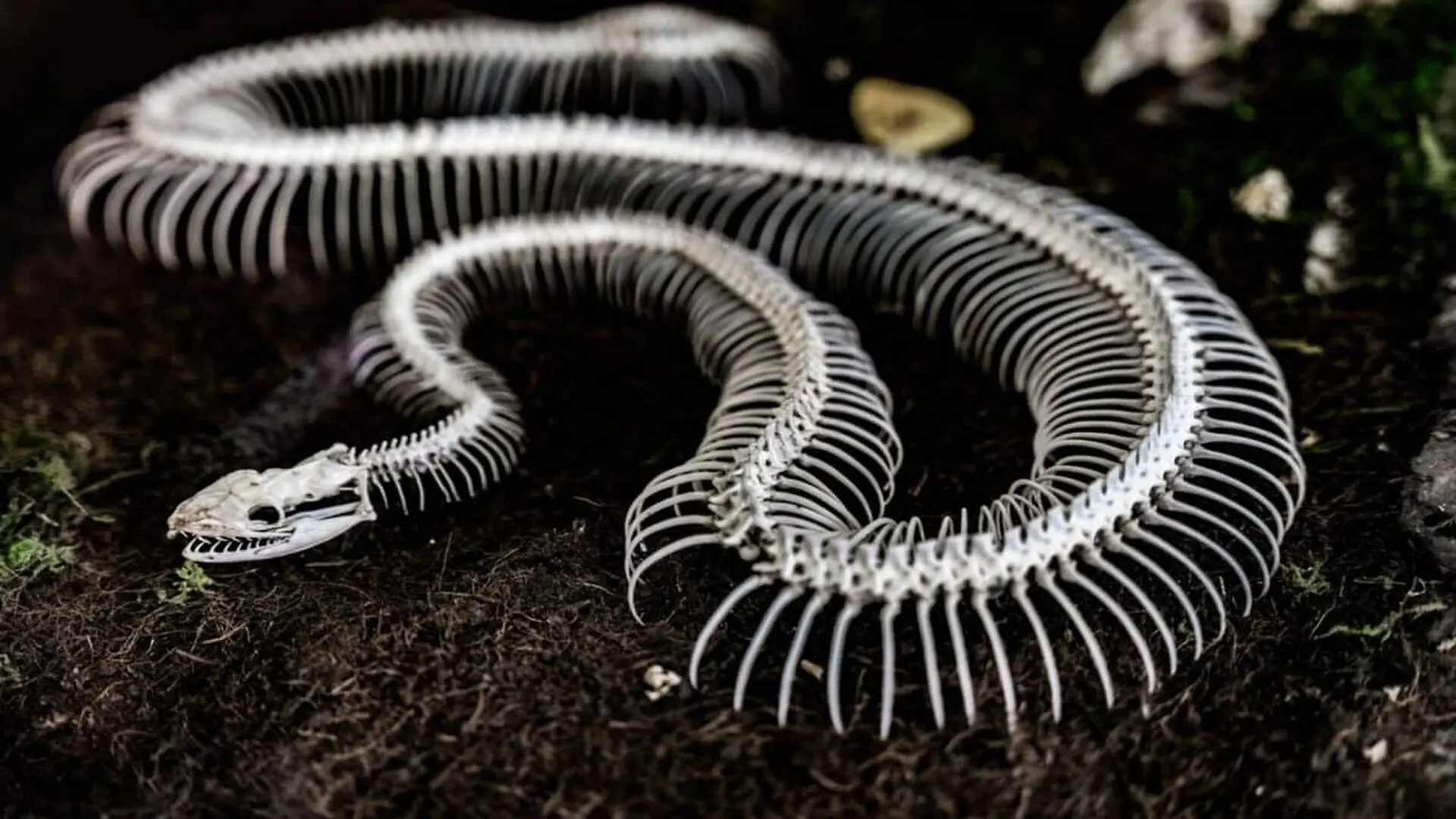
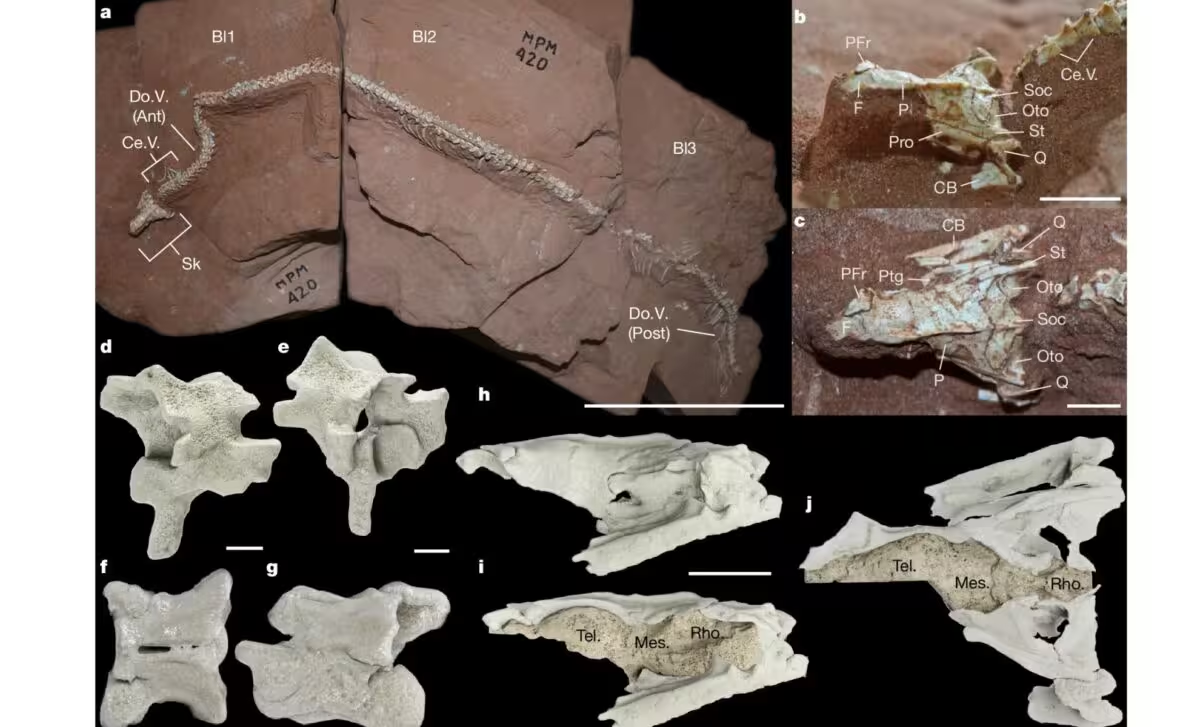
A new fossil of the extinct stem snake Tametara mirim provides an unprecedented glimpse into the brain structure of a creature that lived between 85 and 75 million years ago, during the Late Cretaceous. The specimen, described in a recent Nature paper, preserves a remarkably complete skull, enabling scientists to reconstruct its neural anatomy and compare it with other early snakes in detail.
The fossil was unearthed in 2020 from a quarry near Presidente Prudente in São Paulo, Brazil. It represents the first articulated snake fossil discovered in the country and joins a very short list of three‑dimensional snake fossils from the Mesozoic Era.
Newly Unveiled Snake Fossil Offers Unmatched Brain Detail
High‑resolution micro‑CT scans allowed researchers to model the animal’s brain cavity, cranial nerves and inner ear, producing what they describe as the most complete brain reconstruction for a stem snake to date.
The resulting brain shape differs markedly from that of modern snakes and from previously known early snake specimens, suggesting a broader spectrum of neurological adaptations early in snake evolution than had been recognized.
Analysis of the skull’s bone microstructure revealed a dense, thick architecture typical of head‑first burrowers. Similar skeletal traits have evolved independently in modern burrowing lizards, where they reinforce the head against the stresses of digging.
Corresponding brain features—such as reduced visual centers and a simplified forebrain—support a subterranean lifestyle. Roy Ebel of the Museums Victoria Research Institute noted that these combined traits place Tametara mirim among the most specialized head‑first burrowers known, rather than among generalist snakes or lizards.
Diverse Ecological Paths Shaped Early Snake Evolution
When the new brain data were compared with that of Dinilysia patagonica, another Cretaceous stem snake from Argentina, striking ecological contrasts emerged. While Dinilysia shows brain and skull features consistent with a surface‑dwelling lifestyle, Tametara mirim displays traits aligned with an underground existence.
Ebel emphasized the disparity, stating, “The two oldest snakes we can study in this detail had brains more different from each other than most snake lineages alive today.” He added that reduced eyesight in Tametara matches a burrowing habit, whereas Dinilysia retains sensory adaptations suited for open environments.
ブラジル、サンパウロ州、バウル盆地、白亜紀後期の地層から産出した幹系統ヘビ
— パンテオン (@pantheo27705718) July 22, 2026
Tametara mirim
属名:先住民トゥピ・グアラニー語で、ホロタイプの目立つ矢状稜から、装飾された
種小名:同じく、小さい
マイクロCTスキャンにより、その脳神経や内耳の構造を3Dで精密に再現→現生の穴掘り性ヘビに極
These observations support a more intricate scenario for snake origins. Rather than a single ecological shift, the data suggest that stem snakes experimented with multiple habitats—including burrowing, surface, and marine environments—over tens of millions of years. The study highlights burrowing forms like Tametara, non‑burrowing forms such as Dinilysia, and marine lineages represented by simoliophiids.
By integrating brain morphology, inner‑ear anatomy, and bone microstructure, the researchers provide quantitative evidence for fossoriality in a stem snake and demonstrate that early snake evolution was marked by repeated habitat transitions and sensory adaptations, rather than a uniform evolutionary trajectory.
This article has been fact checked for accuracy, with information verified against reputable sources. Learn more about us and our editorial process.
Last reviewed on .
Article history
- Latest version
Reference(s)
- Simões, Tiago. “Exceptional brain and ecological diversity in the earliest snakes - Nature.”, July 22, 2026, pp. 1-9. Nature, doi: 10.1038/s41586-026-10809-9. <https://www.nature.com/articles/s41586-026-10809-9>.
Cite this page:
- Posted by Linda Wilson