Archived ALMA Data Reveals Millions More Stars Were Surveyed in Search for Alien Signals
Reanalysis of archived telescope data shows SETI may have already examined millions more stars than thought, boosting the hunt for extraterrestrial signals.
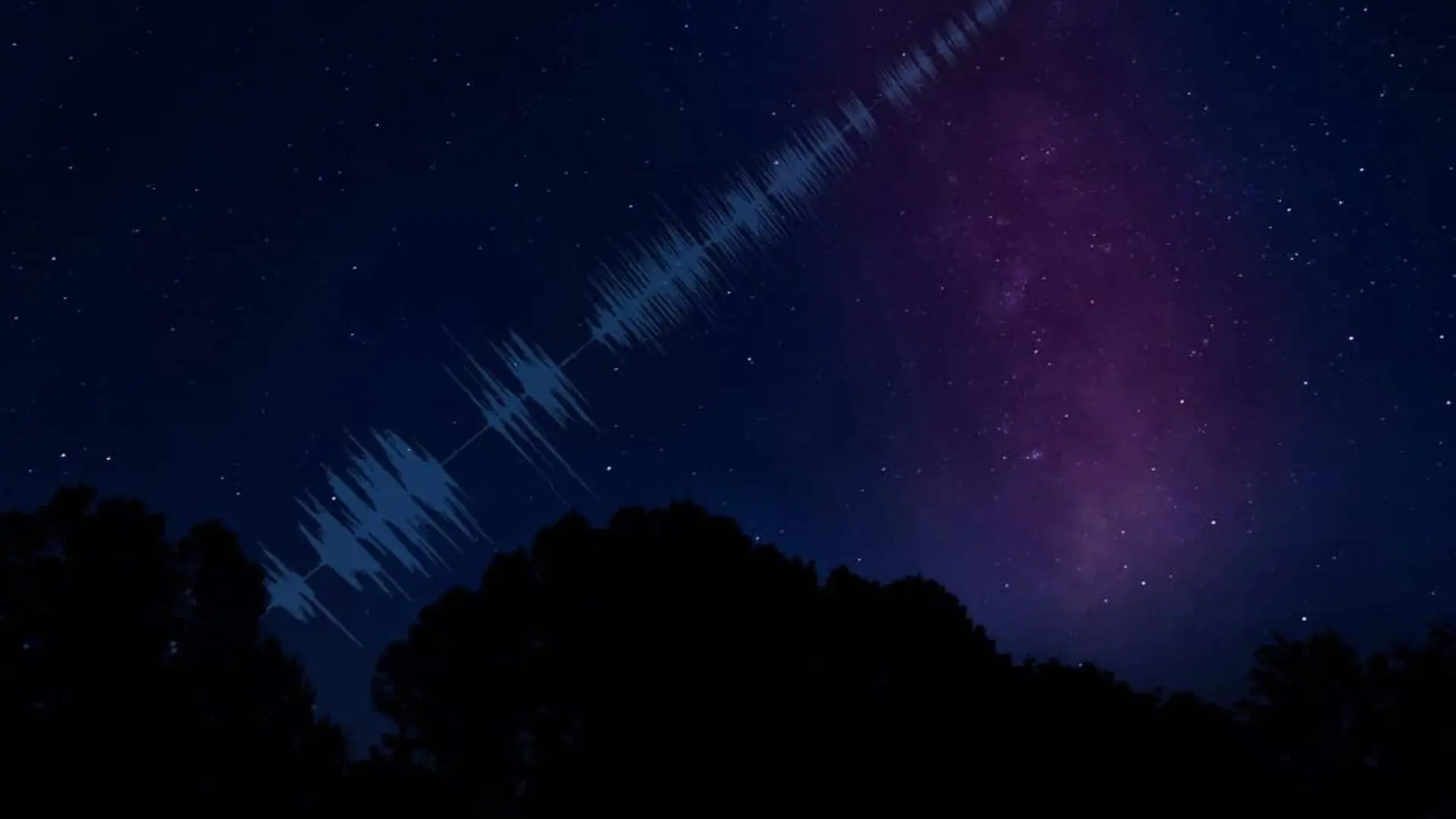
For many years, the hunt for extraterrestrial intelligence has centered on a narrow slice of the radio spectrum known as the “water hole.” Recent analysis indicates that a largely untapped high‑frequency region may also hold promise, and that earlier SETI campaigns have actually surveyed far more stars than originally estimated.
Probing Millimeter Waves with ALMA Archives
Rather than requesting fresh telescope time, researcher Louisa Mason of the University of Manchester turned to the massive data trove of the Atacama Large Millimeter/submillimeter Array (ALMA). By re‑examining observations originally gathered for unrelated astronomical programs, she searched for narrowband emissions that could betray artificial origins—potential technosignatures.
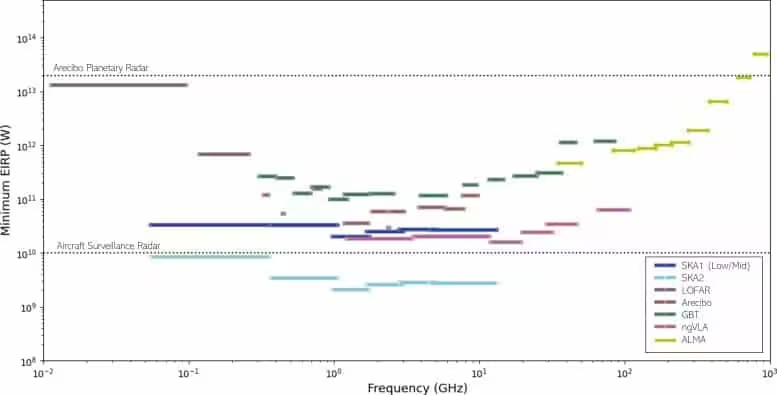
The investigation focused on two tight frequency windows within ALMA Band 3. According to the Royal Astronomical Society, none of the examined datasets produced signals that passed the detection threshold. The outcome was anticipated, as the study aimed chiefly to test the feasibility of using high‑frequency radio data for SETI rather than to confirm the presence of alien transmitters.
“For decades, SETI searches have concentrated on a relatively small part of the radio spectrum. We wanted to ask what might happen if we looked somewhere very different,” Mason said. She added that the millimeter and submillimeter radio bands remain “almost completely unexplored” for SETI.
Stellar Bycatch Reveals Millions More Targets
When a radio telescope points at a chosen object, it inevitably records any additional stars that fall within its field of view—a phenomenon astronomers call “stellar bycatch.” Historically, researchers have estimated these incidental stars using the Gaia catalog.
Mason instead employed the Besançon Galactic Model, which accounts for faint, distant, or otherwise hard‑to‑detect stars that Gaia may miss. Applying this model to a prior SETI effort that comprised 1,327 telescope pointings boosted the inferred star count from roughly 288,000 to over 6.1 million.
“One of the most exciting things about this work is realizing that we’ve surveyed many more stars than initially thought,” Mason said.
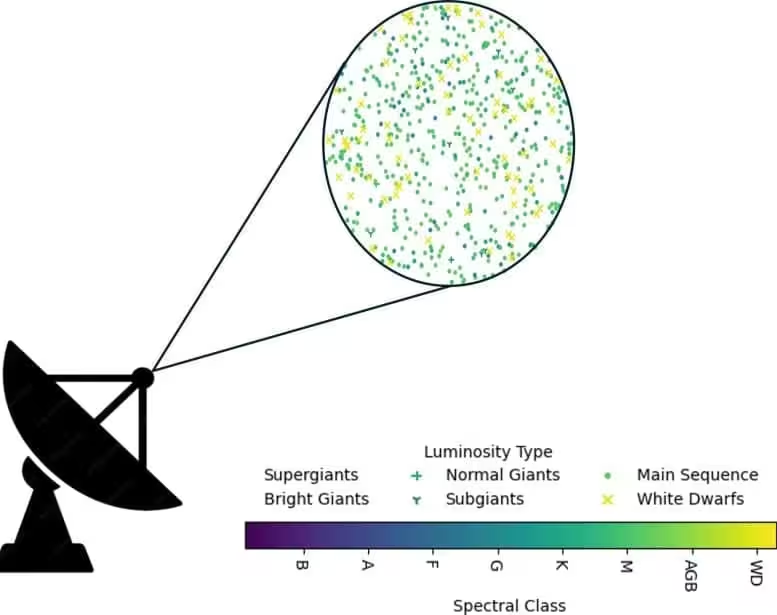
The analysis underscores that even modest observations can encompass a surprisingly rich and varied stellar population.
Archival Data as a Resource for Future SETI Campaigns
Although no technosignatures emerged from the ALMA survey, the work highlights a broader strategy: repurposing existing astronomical archives to hunt for signals that were not part of the original scientific objectives.
By coupling high‑frequency observations with sophisticated galactic population models, researchers can map precisely how many stars have already been examined and identify gaps for upcoming searches. For Mason, the findings demonstrate that expanding SETI beyond the traditional water‑hole region is feasible using data already in hand.
“Even a very small observation can contain a huge number and diversity of stars that we might never have intended to study. By combining high‑frequency observations with galactic simulations, we can better understand exactly what we’ve searched and where we should look next.”
This article has been fact checked for accuracy, with information verified against reputable sources. Learn more about us and our editorial process.
Last reviewed on .
Article history
- Latest version
Reference(s)
- “Aa22139 13.” <https://www.aanda.org/articles/aa/pdf/2014/04/aa22139-13.pdf>.
Cite this page:
- Posted by Aisha Ahmed