NASA Chooses Falcon Heavy To Launch SunRISE, Unlocking New Solar Radio Burst Insights
NASA picks SpaceX Falcon Heavy to launch SunRISE, aiming to reveal solar secrets and improve space‑weather forecasting.
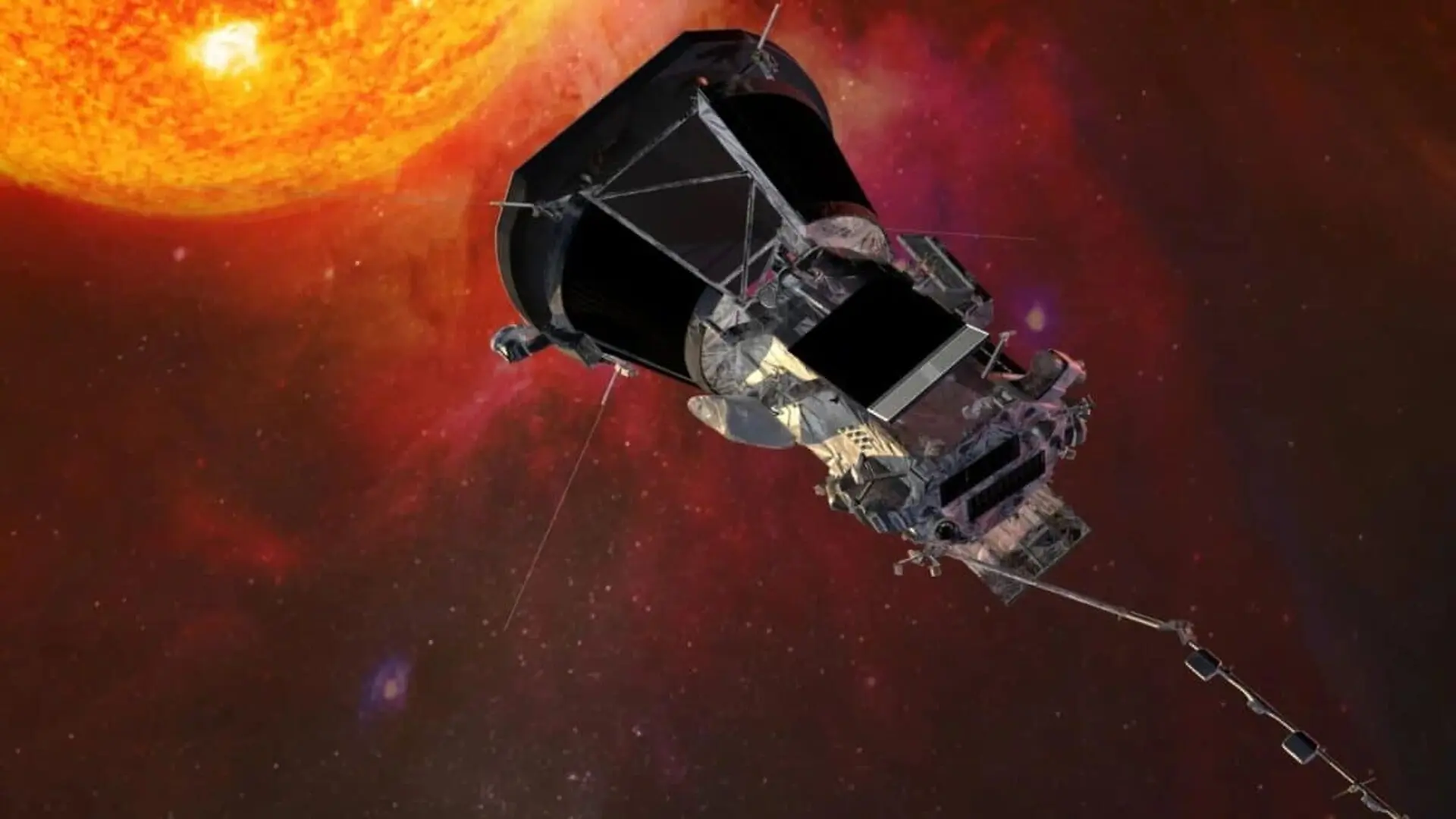
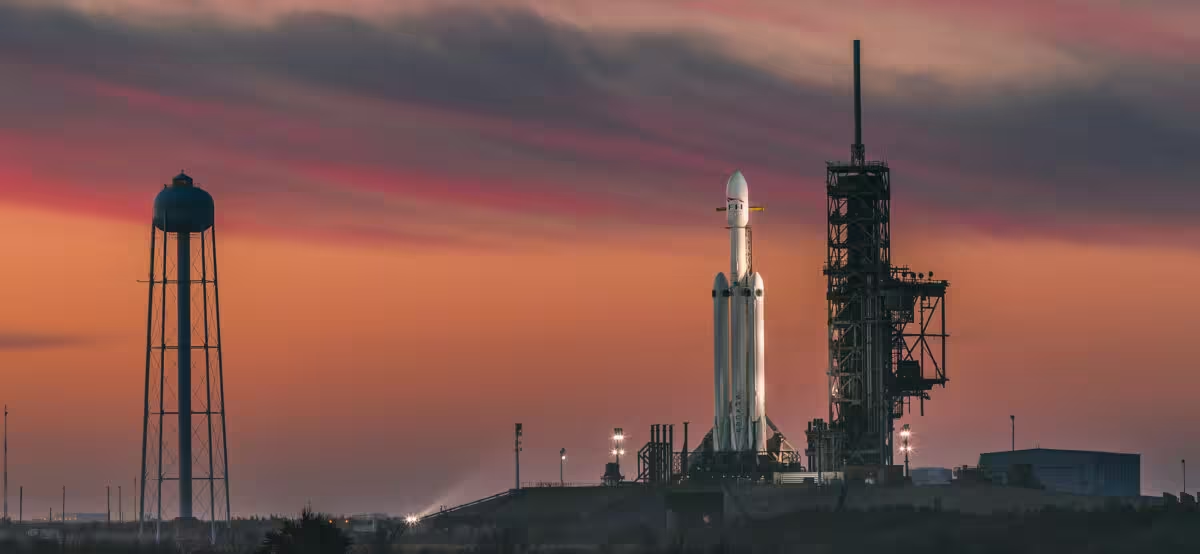
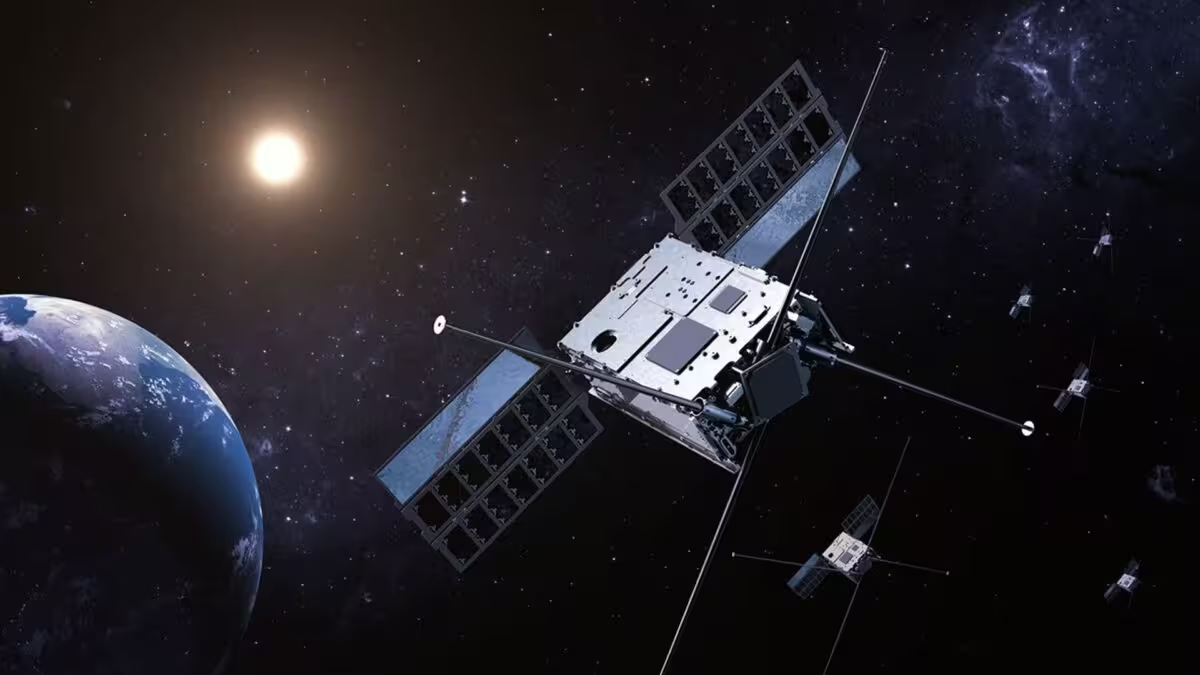
NASA announced that the Sun Radio Interferometer Space Experiment (SunRISE) will now launch aboard SpaceX’s Falcon Heavy. The six‑satellite constellation will ride the heavy‑lift vehicle to a trajectory designed to uncover the mechanisms behind the Sun’s intense radio bursts that accompany solar storms. NASA says the revised launch scheme better aligns with the mission’s scientific goals and prepares the fleet for a voyage that could reshape current models of solar activity and its influence across the Solar System.
Rationale Behind the Launch Vehicle Change
Switching the SunRISE payload to Falcon Heavy reflects more than a logistical tweak; it stems from a detailed assessment of mission demands, timetable pressures, and payload performance criteria. By opting for Falcon Heavy, NASA secures access to a rocket that has repeatedly demonstrated the capacity to place complex payloads on trajectories beyond low Earth orbit. The mission’s architecture relies on six identical small satellites that must function as a coordinated observatory once deployed.
Accurate orbital insertion is crucial for the science objectives. Falcon Heavy’s payload capacity and versatile launch profile give NASA confidence that the constellation can reach the intended orbit while preserving the experiment’s scientific integrity. The shift also underscores NASA’s strategy of leveraging commercial launch services for high‑priority research, a trend that has become integral to the agency’s exploration roadmap. Adjusting launch arrangements is common for sophisticated space‑science programs that depend on precise orbital dynamics and long‑term mission success.
Novel Approach of SunRISE to Solar Observation
Conventional solar missions typically employ optical or ultraviolet instruments, but SunRISE will target low‑frequency radio waves produced during solar eruptions. The six satellites will operate as a distributed radio telescope, using interferometric techniques to generate data that a single spacecraft could not achieve. This spatially separated array will enable scientists to locate the origins of energetic radio bursts associated with events such as coronal mass ejections and intense solar flares.
These radio signatures are linked to streams of charged particles that can traverse the Solar System and interact with Earth’s magnetosphere. By charting the sources of these emissions with unprecedented accuracy, researchers aim to clarify how particles are accelerated away from the Sun. The resulting insights could refine solar‑activity models and improve forecasts of space‑weather phenomena that impact satellites, crewed missions, communication networks, navigation services, and terrestrial power grids.
Mission Aims to Boost Space Weather Understanding
NASA frames SunRISE as a response to long‑standing questions about the generation of solar radio bursts and their relationship to energetic processes in the Sun’s outer atmosphere. Observing these phenomena from a coordinated constellation rather than a single platform opens a new observational window on solar physics. Pinpointing the location and dynamics of radio emissions could reveal why certain eruptions trigger severe space‑weather effects while others remain benign.
The experiment is also designed to complement data from existing solar observatories scattered throughout the Solar System, allowing scientists to merge multiple datasets into a holistic view of solar activity. Such synergistic measurements become increasingly valuable as the Sun advances through the more active phases of its natural cycle, with each new observation tightening model predictions for near‑Earth space and beyond.
Falcon Heavy’s Growing Role in Science Missions
Initially recognized for its remarkable lift capability, Falcon Heavy has evolved into a preferred launch option for a range of governmental and research payloads. Its architecture—three Falcon 9 cores operating in concert—delivers substantially higher payload capacity and the ability to target high‑energy trajectories, making it suitable for heavier spacecraft or missions demanding deep‑space insertion. NASA has already assigned Falcon Heavy to several flagship science endeavors, reflecting growing confidence in the vehicle’s reliability and maturity.
Integrating SunRISE into Falcon Heavy’s flight manifest underscores the broader shift within the U.S. space sector toward commercial launch providers as essential partners for ambitious scientific pursuits. As missions become more complex, featuring constellations, distant destinations, and stringent orbital requirements, access to powerful commercial rockets emerges as a critical asset for advancing the frontiers of space science.
This article has been fact checked for accuracy, with information verified against reputable sources. Learn more about us and our editorial process.
Last reviewed on .
Article history
- Latest version
Reference(s)
- Carney, Stephen. “NASA’s SunRISE Mission Changes Launch Vehicle to SpaceX Falcon Heavy - NASA Science.”, July 13, 2026 NASA <https://science.nasa.gov/blogs/sunrise/2026/07/13/nasas-sunrise-mission-changes-launch-vehicle-to-spacex-falcon-heavy/>.
Cite this page:
- Posted by Aisha Ahmed