World’s First Underwater Research Lab Goes Live 56 Feet Beneath Florida Keys
First underwater habitat opens its doors to human crews, revealing what life inside a deep‑sea living lab really feels like.
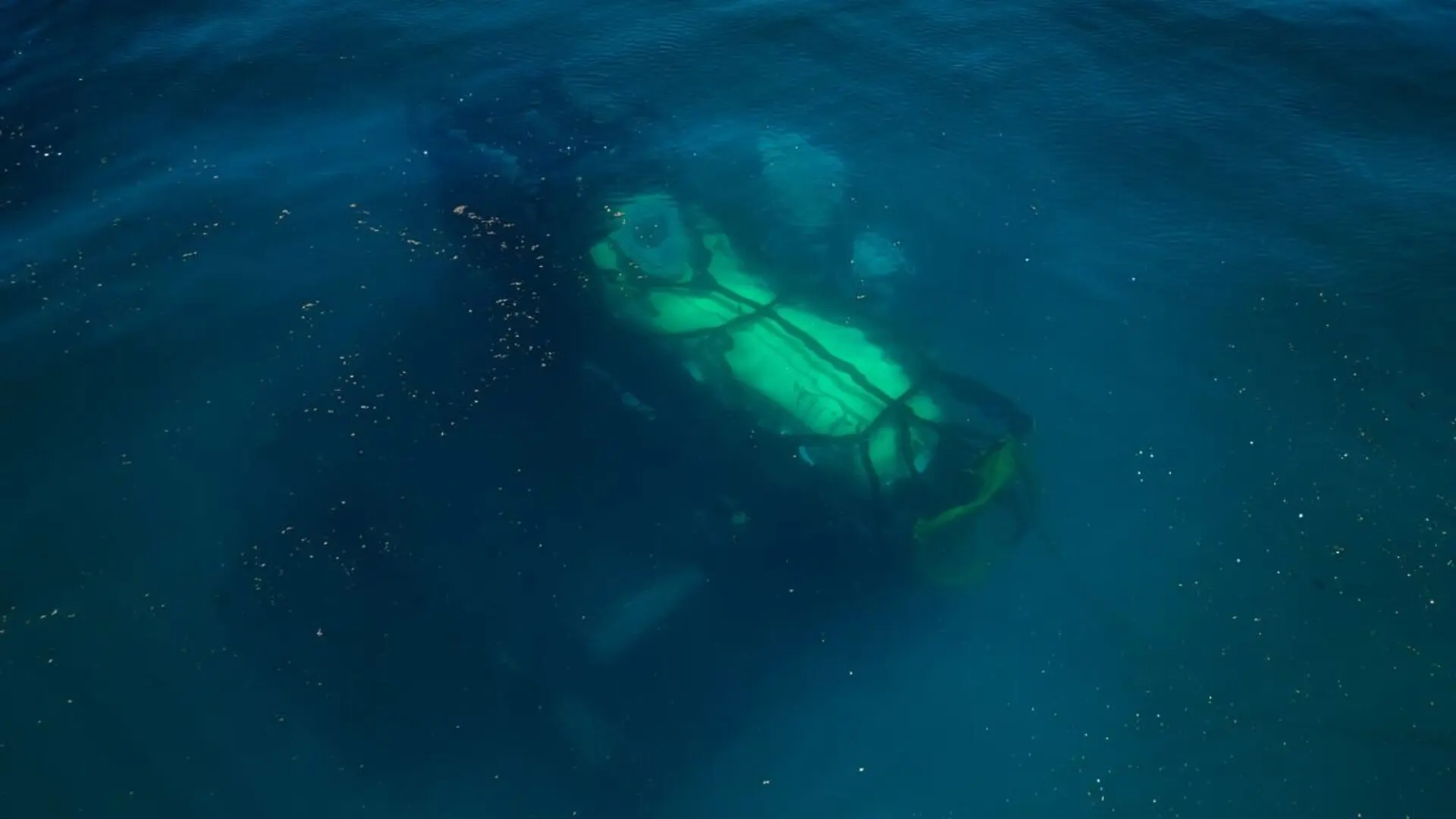
A deep‑sea laboratory has been installed on the seafloor of the Florida Keys, turning a once‑science‑fiction concept into a working reality. DE DEEP’s underwater habitat, named Vanguard, is now ready to host its inaugural crews of aquanauts for multi‑day research missions beneath the waves.
The structure rests 17 meters (56 feet) below the surface at Tennessee Reef within the Florida Keys National Marine Sanctuary. It marks the first operational installation from the ocean‑engineering firm DE DEEP, which launched in 2021.
Among the first occupants will be Dawn Kernagis, DE DEEP’s director of scientific research. A veteran of NASA’s NEEMO 21 analog mission, Kernagis focuses on how extreme environments affect human physiology.
A Lab That Stays With the Ocean
Marine scientists often lose critical information the moment a sample is hauled to the surface, where pressure changes can alter cells and tissues. By keeping researchers underwater for days at a time, Vanguard aims to eliminate that loss.
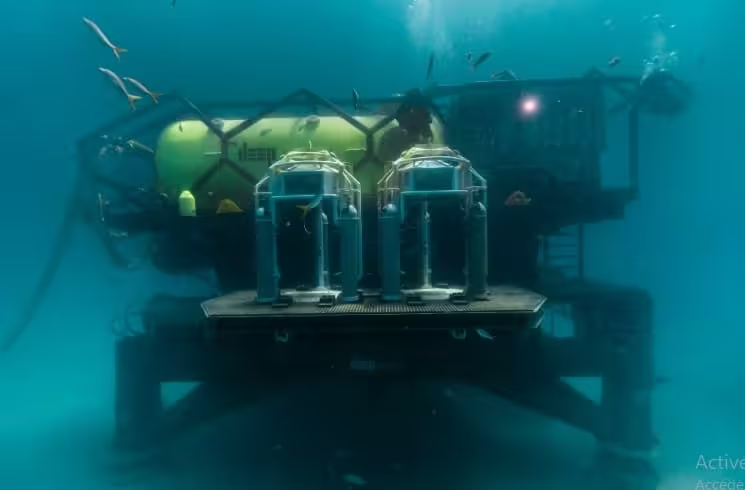
Vanguard also carries an array of sensors that continuously record underwater conditions, even when no crew is present. DE DEEP is collaborating with the Florida Keys National Marine Sanctuary to ensure the habitat supports both scientific inquiry and reef‑restoration initiatives.
Inside the Underwater Living Quarters
Entry to the habitat is via a mini‑submersible, with the interior initially pressurized to match ambient seawater. Once sealed, the environment is gradually decompressed overnight to reach near‑surface pressure levels, allowing occupants to sleep and work comfortably.
When divers need to exit, the process is reversed: the habitat is re‑pressurized, and they depart through a moon pool, an opening that provides direct access to the surrounding ocean.
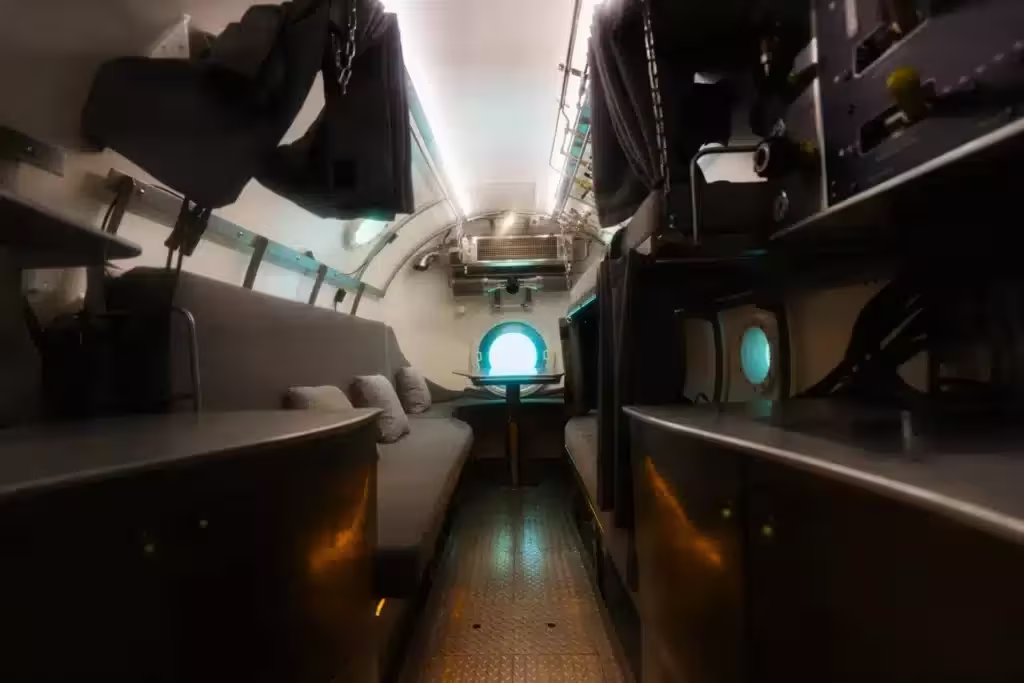
The system supports saturation diving, allowing nitrogen to accumulate in divers’ tissues so they need not decompress after each dive. This capability lets researchers remain underwater for extended periods without repeatedly surfacing.
“It’s like you’ve been SCUBA diving for a really long time, and your tissues and your blood get saturated with nitrogen,” Kernagis noted. “Once you’re saturated, you could stay down there for weeks, months at a time.”
Instead of individual scuba tanks, divers are tethered to an umbilical air supply that feeds directly from the habitat, enabling them to work for several hours outside the structure.
Science‑First Design
Beyond its striking appearance, Vanguard’s purpose is straightforward: to give researchers a platform for studying both the reef ecosystem and the physiological effects of prolonged underwater habitation. DE DEEP also intends to explore how divers interact with underwater robots, including autonomous and remotely operated vehicles.
“One of the things we’re really interested in looking at is human‑machine teaming,” Kernagis said. “How do divers in the water intersect with robots.”
The project draws on expertise from subsea engineering, aerospace, defense, and commercial underwater sectors. Partner Triton Submarines highlights potential recreational and commercial applications for similar habitats.
At present, Vanguard is dedicated exclusively to research. Kernagis emphasizes that DE DEEP’s collaboration with the National Marine Sanctuary aims to maximize scientific output while contributing to reef‑restoration goals.
This article has been fact checked for accuracy, with information verified against reputable sources. Learn more about us and our editorial process.
Last reviewed on .
Article history
- Latest version
Reference(s)
- “Florida Keys National Marine Sanctuary.” <https://floridakeys.noaa.gov/>.
- “Triton Submarines - The World's Finest Submersibles.”, February 5, 2020 Triton Submarines | The World's Finest Submersibles <https://tritonsubs.com/>.
Cite this page:
- Posted by Karan Das