Microbial Fermentation on ISS Produces On‑Demand Nutrients for Mars Mission
NASA’s pioneering space-food experiment aims to revolutionize long‑term astronaut nutrition, boosting survival on multi‑year missions.
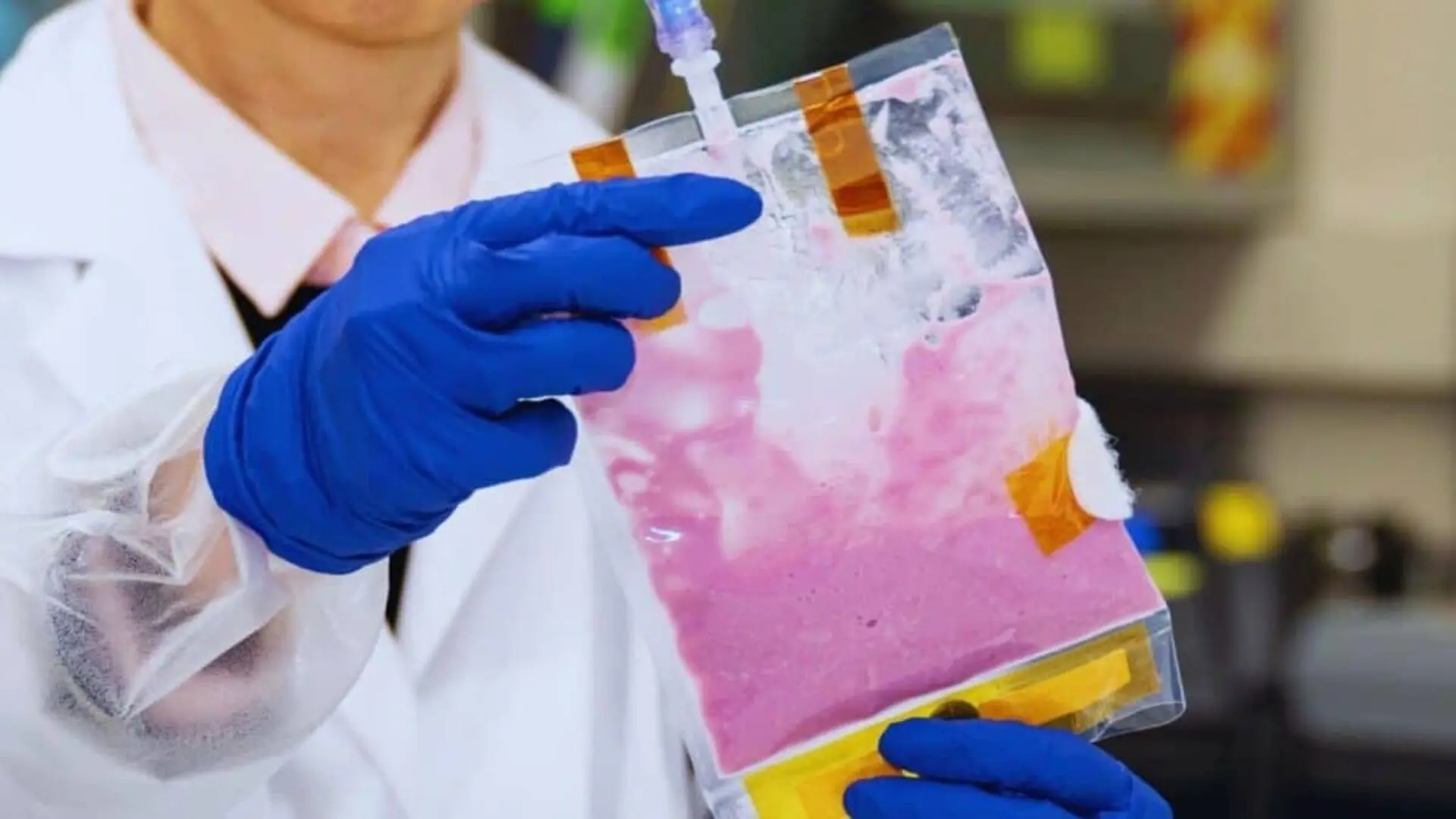
Space crews face a nutritional gap because many vitamins and essential compounds degrade over the years‑long journeys required for Moon and Mars missions. Traditional tablets lose potency, and fresh foods are impractical to store. To overcome this, NASA sent a bioreactor experiment to the International Space Station that harnesses the same fermentation process used to turn milk into yogurt.
The mission, known as BioNutrients‑3, lifted off in August 2025 and returned to Earth in February 2026. Returned samples are now being examined at NASA’s Ames Research Center in California, with the goal of confirming whether microbial fermentation can reliably supply nutrients for Artemis‑era crews heading to the Moon and Mars.
The BioNutrients program, active since April 2019, has progressively refined its hardware, broadened the microbial library, and incorporated additional safety and production steps.
Microbes as On‑Demand Nutrient Factories
BioNutrients‑3 relies on fermentation, a biological conversion where microorganisms transform a substrate into valuable products. On Earth, lactic‑acid bacteria turn lactose into the compounds that give yogurt its health benefits. In orbit, the experiment targets the creation of nutrients that cannot be stored for long‑duration missions.
The system uses lightweight, flexible production bags pre‑loaded with engineered yeasts and probiotic cultures, including commercial yogurt and kefir starters. Astronauts add sterile water, shake the bags to blend the contents, and place them in a small incubator.
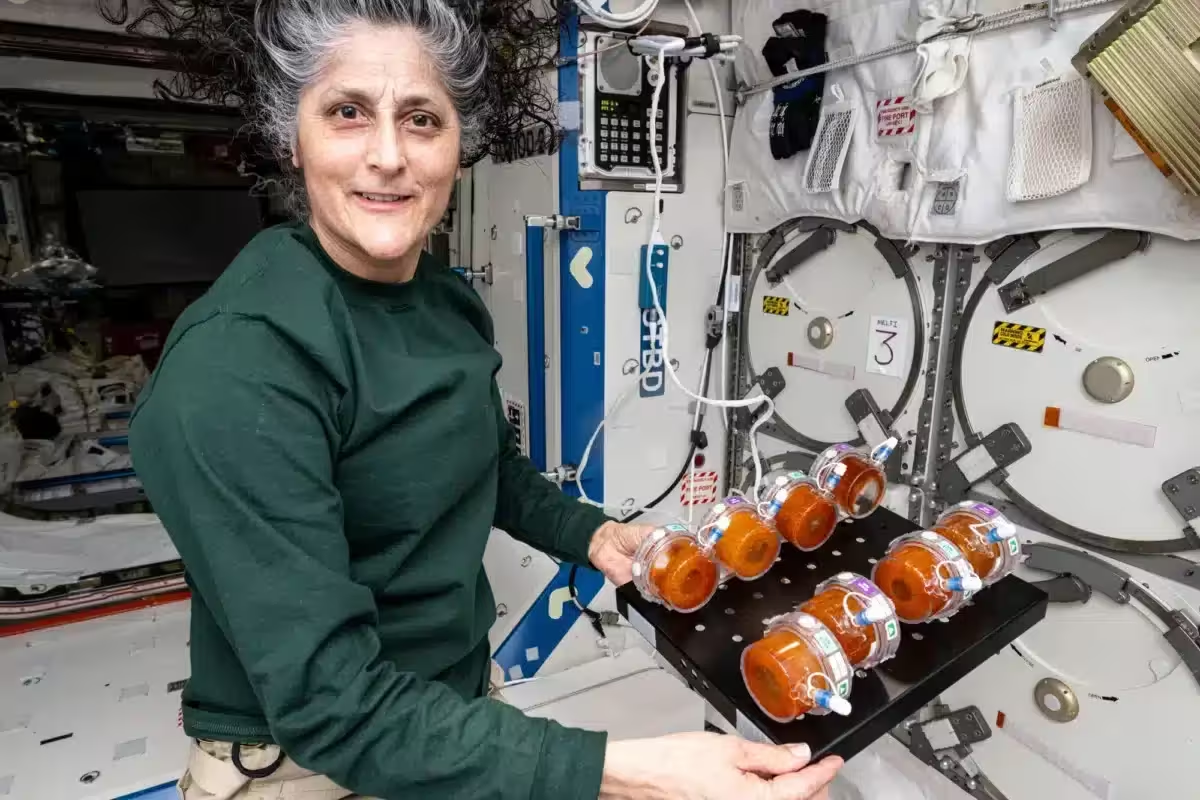
Fermentation periods range from six to 48 hours depending on the target compound. Crew members monitor progress visually, using a red‑cabbage‑derived pH indicator that shifts from purple to pink as acidity rises, eliminating the need for additional sensors.
All ingredients in the growth medium are edible. While participants did not ingest the test batches, NASA views this as a preparatory step for future trials where consumption will be part of the protocol.
Safety Measures and In‑Flight Pasteurization
New to this phase are food‑safety protocols absent from earlier iterations. After fermentation, crews pasteurize selected samples with the station’s galley warmer, neutralizing any remaining microbes before the bags are frozen for return. An “electronic nose” (E‑Nose) device, designed to detect trace pathogens by mimicking an ultra‑sensitive sense of smell, was also evaluated for real‑time safety checks.
The experiment demonstrated a method for reviving yogurt starter cultures by seeding a fresh batch with a small portion of a previous one—similar to maintaining a sourdough starter. In a Mars scenario, where resupply is impossible, the ability to regenerate cultures in microgravity is essential before such a process can be folded into a crew‑food system.
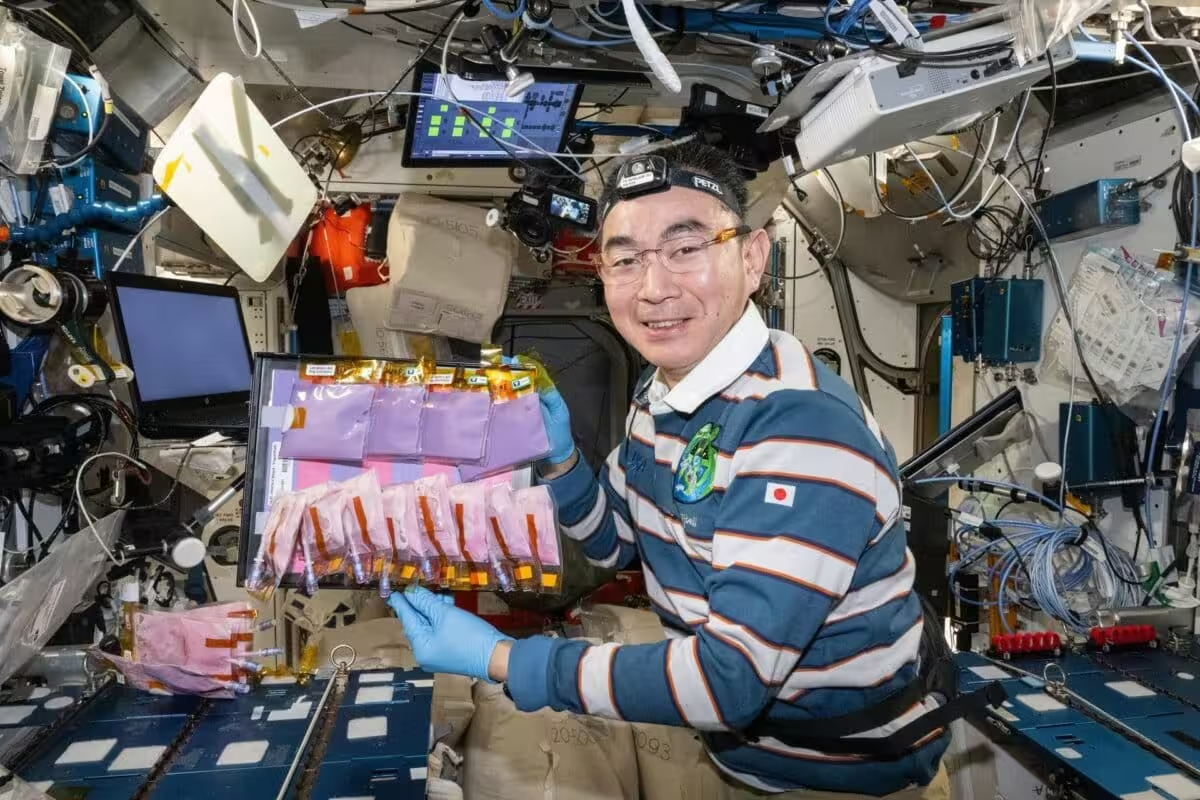
These additions create a more complete production chain than earlier BioNutrients tests, aiming not just to prove that fermentation can occur in space but also that the output can be verified for safety and reproduced over the course of a mission.
Engineered Yeast and Targeted Nutrients
BioNutrients‑3 incorporates genetically modified yeast strains capable of synthesizing multiple nutrients within a single bag, streamlining crew workload. Prior phases focused on single‑compound production: BioNutrients‑1 featured yeasts that generated beta‑carotene and zeaxanthin, antioxidants important for eye health; BioNutrients‑2 introduced a strain that produced follistatin, a protein linked to muscle maintenance.
Longevity of the microbial cultures has been a key metric. Samples from BioNutrients‑1, stored on the station for over five years as of May 2025, remained viable—a promising sign for biomanufacturing systems that must endure the multi‑year voyages required for Mars.
Ames Laboratory Findings and Artemis Implications
Back on Earth, scientists at NASA’s Ames Research Center are quantifying microbial growth, nutrient yields, and safety test outcomes. The data will inform the agency’s strategy for generating essential nutrients during deep‑space travel as part of the Artemis program.
The study falls under NASA’s Synthetic Biology initiative, financed by the Game Changing Development stream of the Space Technology Mission Directorate. By redesigning organisms to perform specific tasks—such as nutrient or medicine production—NASA hopes to reduce the launch mass of supplies needed for long‑duration missions.
NASA also notes that the same fermentation platform could support communities on Earth that lack reliable access to fresh food, extending the technology’s benefits beyond spaceflight.
This article has been fact checked for accuracy, with information verified against reputable sources. Learn more about us and our editorial process.
Last reviewed on .
Article history
- Latest version
Reference(s)
- Tabor, Abby. “What is BioNutrients? - NASA.”, August 19, 2025 NASA <https://www.nasa.gov/general/what-is-bionutrients/>.
- “Ames Research Center - NASA.”, March 7, 2023 NASA <https://www.nasa.gov/ames/>.
- Hall, Loura. “Game Changing Development - NASA.”, December 19, 2022 NASA <https://www.nasa.gov/stmd-game-changing-development/>.
- Posted by Rohan Kumar