New GPNMB Target Gives CAR T Cells a One Two Punch Against Solid Tumors
Two research teams identified a common target in solid cancers, enabling a dual CAR‑T approach that attacks both tumors and their protective cells.
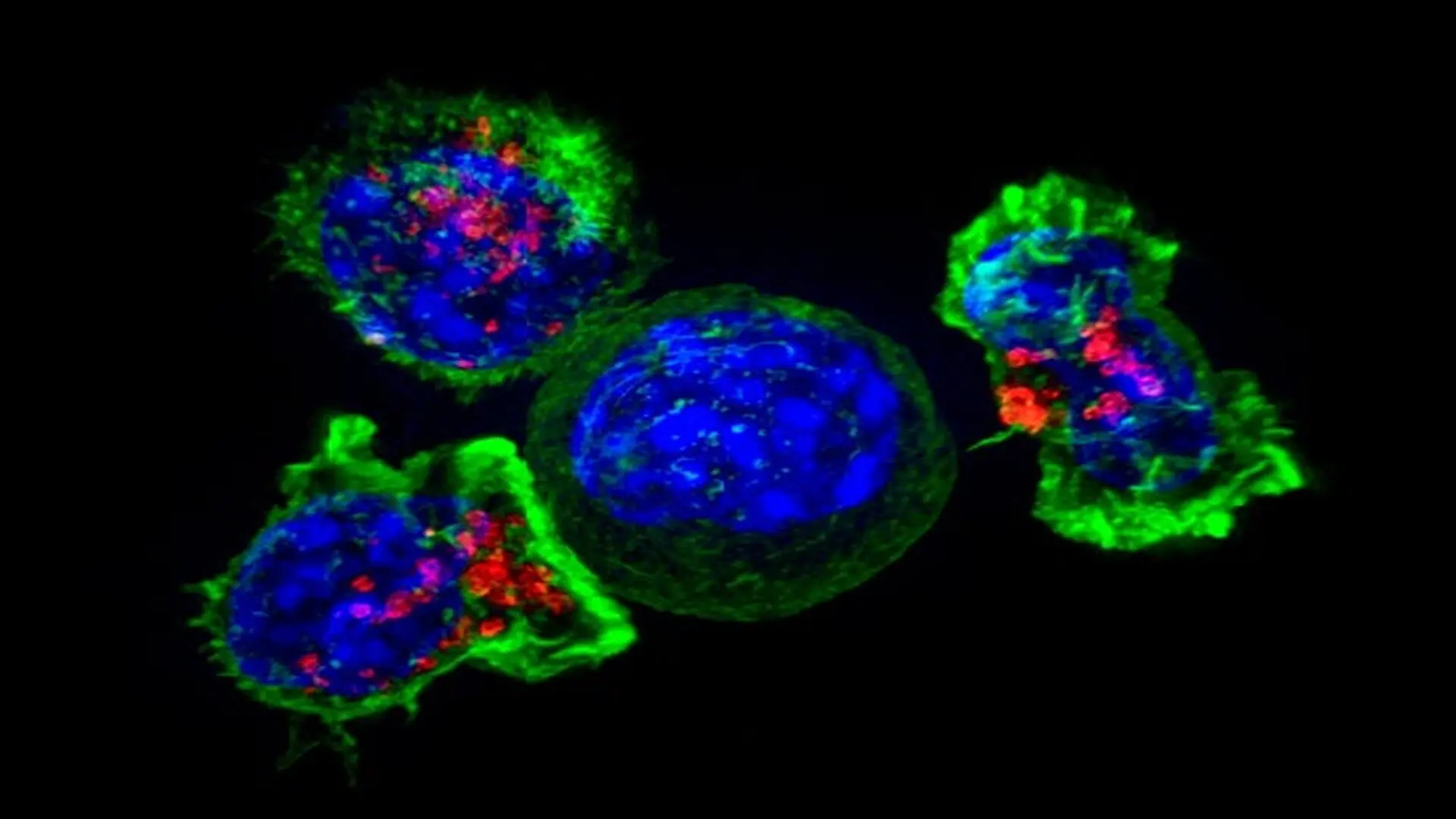
Researchers have pinpointed a common surface protein that enables a two‑pronged assault on solid tumors and the immune cells that protect them.
A breakthrough in CAR T cell engineering could finally extend the success seen in blood cancers to the harder‑to‑treat solid tumors that claim millions of lives each year.
Solid malignancies such as breast, lung and prostate cancer lack a single, universally expressed antigen, meaning engineered T cells often miss many tumor cells that either display low levels of the target or none at all. This heterogeneity fuels relapse and limits the impact of CAR T therapies that have transformed treatment for leukemias and lymphomas.
“Target discovery remains a considerable challenge in the development and translation of CAR T cell therapies for solid tumors,” noted Christopher Mount and Marcela Maus of the Massachusetts General Brigham Cancer Institute in a recent commentary (Nature Cancer).
Two separate research groups have now converged on glycoprotein NMB (GPNMB) as a promising, broadly expressed surface marker. In one investigation, scientists engineered CAR T cells to recognize GPNMB and demonstrated rapid eradication of patient‑derived glioblastoma tissue and tumor shrinkage in mouse models (Nature).
A second team applied a similar design to alveolar soft‑part sarcoma, a rare soft‑tissue cancer that often spreads before diagnosis. Their GPNMB‑directed CAR T cells cleared tumors in organoid cultures and in mice, and an early‑stage clinical trial involving a single participant showed disease stabilization for three months without serious adverse events (ClinicalTrials.gov).
Tumor Defense Breached
Beyond its presence on malignant cells, GPNMB is also expressed on immune subsets that support tumor growth or suppress anti‑cancer responses. By targeting this dual‑expressed protein, engineered T cells can attack both the cancer itself and the supportive immune microenvironment.
Sheila Singh of McMaster University, who led the glioblastoma work, explained, “Our approach attacks both the tumor and the environment that allows it to thrive,” emphasizing the strategy’s departure from solely cancer‑cell targeting (EurekAlert).
Laboratory data showed that GPNMB‑CAR T cells nearly eliminated patient‑derived glioblastoma spheroids and prolonged survival in mouse recipients. The same cells were later found to recognize and destroy GPNMB‑positive immune cells that dampen therapeutic efficacy.
“Most approaches have focused on killing cancer cells alone,” observed study co‑author Shan Grewal, underscoring the need to dismantle the tumor’s immune support network (EurekAlert).
Dual‑Target Strategy
The alveolar soft‑part sarcoma group identified GPNMB during a comprehensive screen of cell‑surface proteins. Its expression correlated tightly with the activity of a pathogenic fusion gene that drives this cancer type.
Although a prior antibody against GPNMB caused severe skin toxicity, the CAR T platform avoided lasting damage in mouse models bearing human skin grafts. Initial inflammation subsided, and no chronic skin lesions were observed.
In the patient trial, a single infusion prompted rapid expansion of the engineered T cells in the bloodstream, with detectable levels persisting for about a month. No cytokine release syndrome or skin rash occurred, and imaging indicated a reduction in metastatic nodules within the lungs, suggesting disease stabilization.
Further analysis revealed that clusters of immunosuppressive cells could limit CAR T efficacy. Adding agents that block these suppressive signals enhanced tumor clearance in mice, hinting at combinatorial regimens that could broaden applicability to other fusion‑driven cancers such as renal carcinoma.
Mount and Maus concluded that “GPNMB represents an actionable target for CAR T cell therapies in several solid tumors,” highlighting the protein’s potential to serve as a conduit for multi‑tumor interventions.
This article has been fact checked for accuracy, with information verified against reputable sources. Learn more about us and our editorial process.
Last reviewed on .
Article history
- Latest version
Reference(s)
- Mount, Christopher. “GPNMB-directed CAR-T cell therapies for solid tumors - Nature Cancer.”, July 1, 2026, pp. 1-3. Nature, doi: 10.1038/s43018-026-01201-7. <https://www.nature.com/articles/s43018-026-01201-7>.
- Savage, Neil. “Dual tumour–myeloid targeting of glioblastoma with GPNMB CAR-T cells - Nature.”, July 1, 2026, pp. 1-10. Nature, doi: 10.1038/s41586-026-10641-1. <https://www.nature.com/articles/s41586-026-10641-1>.
- “ClinicalTrials.gov.” <https://clinicaltrials.gov/study/NCT07104682>.
- <https://www.eurekalert.org/news-releases/1134222>.
Cite this page:
- Posted by Rohan Kumar